

For pumps and other moving equipment to stay leak-free and last longer, it's important to install a 58U mechanical seal the right way. To get the most out of the Type 58U design, which has an uneven multi-spring setup that meets DIN24960 and EN12756 standards, it needs to be put together and treated with care. You can avoid sudden downtime, keep important process fluids from getting contaminated or lost, and make sure seals don't fail before they should. In order for purchasing managers, plant engineers, and maintenance teams to safely and quickly finish installations, this guide goes over every important step.
Understanding the John Crane Type 58U Mechanical Seal
What Defines the 58U Design?
As a tried-and-true multi-spring pusher seal, the 58U is made to keep fluids inside centrifugal pumps, mixers, and agitators. There are many small coil springs instead of just one, so the closing force is spread out evenly across all of the seal sides. This fixes the issues that were caused by the shaft shaking and running out. This even load spread is very important when the equipment is being used in different situations or when it moves a little while it's being used.
Core Components and Material Selection
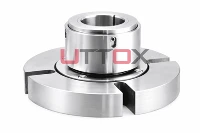
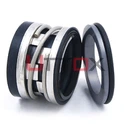
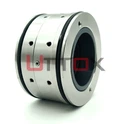
One common 58U mechanical seal has a unique multi-spring assembly, metal parts (stainless steel or Hastelloy), O-rings or elastomeric seals (Viton, EPDM, or FFKM), and sealing faces that stay in place (usually made of Ceramic or Silicon Carbide). The rotating sealing faces are made of Tungsten Carbide or Silicon Carbide. What is being talked about determines what kind of stuff to use. When it comes to oil, Viton works well, while FFKM can handle strong chemicals and high temperatures. There are poisonous fluids, temperatures from -40°C to +200°C, and pressures of up to 1.2 MPa that the seal can handle. It is made of high-quality materials.
Working Principles and Application Suitability
There are two ways that the mechanical seal can seal: a dynamic seal is held in place by spring pressure between the moving and fixed faces, and an O-ring seal is made against the shaft and case. The 58U works great in systems that need to be clean and reliable, like those used to treat water, make chemicals, pump oil in refineries, and pump food. The short axial length and ability to be switched out for standard DIN setups make it a popular choice among OEM manufacturers and plant maintenance teams who need something that will work well for a long time. Engineers and people who buy things can see why the 58U seal is still a good choice once they know these basics. It cuts maintenance costs and improves working uptime because it lasts a long time, can work in harsh conditions, and has been used before.
Preparing for Installation: Key Considerations
Essential Tools and Safety Equipment
Make sure you have the right tools before you start installing. A soft rubber hammer, feeler gauges, micrometers, clean, lint-free cloths, the right lubricants (usually clean oil or seal manufacturer-approved compounds), and torque wrenches that are set to the manufacturer's specs are some of these. Wearing the right clothes for the job, safety glasses, and gloves that can handle chemicals are some of the things that keep installation workers from getting hurt or exposed to dangerous process fluids.
Pre-Installation Inspection and Cleanliness Standards
Watch out for all of the seal's parts when you get it. Make sure the O-rings are still in good shape and that the springs can move freely. Look for chips, scratches, or dirt on the seal faces. Search the pump shaft for splits, dents, or rust. If you do, you need to either smooth out the surface or change the shaft so that the seal doesn't get broken. To clean the shaft, seal chamber, and gland plate thoroughly, use a fluid that doesn't scratch. Get rid of any old gasket material, layers, or debris. How clean a seal is has a direct effect on how long it lasts and how well it works.
Compatibility Verification and System Readiness
Check that the 58U mechanical seal fits the type of pump, the shaft's width, and the working conditions that are written on the equipment's paperwork. Check that the shape of the seal matches the size of the seal chamber, the design of the gland bolts, and the amount of space along the axis. For the seal to work, the pressure, temperature, and chemical make-up of the fluid in the system must all be within its recommended ranges. If the seals don't match or aren't thought about, they can lead to leaks, fires, and costly failures. When you do your homework, you lower the chance of making mistakes during installation and set the stage for a reliable close. These steps should be taken in the right order if purchase managers are in charge of projects to fix seals. If they are not, there will be delays and extra work.

Step-by-Step Installation Guide for the 58U Mechanical Seal
Removing the Old Seal and Shaft Preparation
Turn off the pump's power and separate it from the process. Drain any extra fluids in a way that follows the facility's rules. Take off the pump coupler, the impeller, and the gland plate to get to the old seal. With care, take out the old seal parts, making sure to remember where they went and which way they went. We can help you with this with pictures. Once more, check the shaft and seal chamber, and use exact measuring tools to find the width and run-out of the shaft. It might need to be fixed if the run-out is more than 0.05 mm. Clean the shaft and use the seal oil that came with the bearings to lightly grease it.
Assembling and Positioning the Seal Components
Before you slide the fixed seat piece into place, make sure that the O-rings fit properly in their holes on the gland plate or seal chamber. Grease O-rings a little to make them easy to fit and keep them from breaking. Make sure that the springs join correctly and that the seal face is facing the right way when you put the spinning piece on the shaft. The seal face gap should be set the way the maker says to. To do this, the seal is commonly squeezed a certain distance. Depth tools or feeler gauges can be used to measure this distance.
Post-Installation Testing and Run-In Procedures
You can put the pump back together by reinstalling the coupler, impeller, and any other parts that were removed during the 58u seal replacement process. Fill the pump casing with test fluid or process fluid, and make sure there are no air leaks to prevent dry running. Turn the shaft by hand to confirm that it rotates freely without binding or resistance. During the first few minutes of operation, monitor the pump closely for leaks, unusual noises, and bearing temperature changes. Start the pump at a lower speed and gradually increase it to normal operating conditions while confirming leak-free performance. This systematic approach ensures that the 58U mechanical seal is installed correctly, improving equipment reliability and reducing the risk of premature failure. Clear procedures also help maintenance teams work more safely and efficiently while minimizing downtime.
Common Problems and Troubleshooting Tips for 58U Mechanical Seal Installation
Identifying Leakage Sources and Causes
Sometimes leaks happen right after installation because the O-rings are broken, the gaps between the seal faces were not set correctly, or there is dirt or debris between the seal faces. Check to see if the compression distance was set correctly and that nothing was in the way of face contact. If the leaks happen slowly over time, it could be because the elastomers are wearing out, being damaged by chemicals, or being out of place, which makes the face loads uneven. Running the system dry, shaking it too much, or putting pressure spikes in the system that are higher than what the seals were designed to handle can all cause them to fail quickly.
Addressing Vibration and Overheating Issues
Impellers that are out of balance, rods that aren't lined up straight, or old bearings can all cause noises while the machine is running. The seal face and springs wear out faster when there is too much shaking. This makes the seal last less long. When there isn't enough grease between the seal faces, they get too hot. This might happen if there are dry runs, not enough flush flow, or the wrong material vaporizing at the right temperature. Melted O-rings or seal faces that aren't the same color show this. Most problems with heat and shaking can be fixed by changing the balance, making sure there is enough oil, and checking the settings of the system.
Maintenance Best Practices and Inspection Schedules
Set regular review intervals based on the severity of operating conditions. For example, environments with high pressure or corrosive media require more frequent inspections. Periodically check for leaks, record operating temperatures, and monitor vibration levels to evaluate the performance of the industrial pump mechanical seal. Replace seals as soon as signs of wear appear rather than waiting for complete failure. Maintain detailed records of all installations and repairs to identify trends and determine the most effective replacement schedules. If you cannot diagnose a problem internally, seek assistance from seal manufacturers such as Uttox. Their experienced team can help identify failure causes and provide application-specific recommendations. Strong partnerships with reliable suppliers improve operational safety and reduce the risk of costly downtime.
Comparing 58U Mechanical Seal with Alternatives: Making the Right Choice
58U vs. 58 and 58X Models
Another uneven multi-spring design is the regular John Crane Type 58. However, the 58U and 59U versions are better because they come in more materials and can be used with more world standards. The 59U has a PTFE wedge frame instead of an O-ring pusher. This makes it better for media that are acidic and where breaking down rubber is a concern. The 58X has balanced seal designs that make the system more difficult and cost more, but they also make it possible to handle a wider range of pressures and temperatures. Because of the price, working pressure, and nature of the media, you should use one of these types.
Pusher vs. Cartridge Seal Designs
Installing pusher seals like the 58U mechanical seal needs to be done one piece at a time, which takes skill and care. But cartridge caps are already put together and fixed, which makes them easier to install and less likely to go wrong. They're great for places that need to fix things quickly or don't know a lot about technology. Cartridge methods, on the other hand, may cost more up front and not let you change things as much. To save money on regular repairs when trained workers are available, and tools need to be made the same, pusher seals are still a good choice.
Selecting Trusted Manufacturers and Suppliers
It is really important to find real, good seals. Original equipment is more expensive than the UTTOX 58U/59U mechanical cover, but it is safer and costs less. For John Crane models, it is made to work right with them. For general use, UTTOX has an O-ring pushing structure, and for strong media, it has a PTFE wedge structure. Both of them work well in petrochemical processes, chemical handling, and pump systems in refineries. A steady amount of stock means that orders will be delivered quickly, which cuts down on downtime for fixes. Manufacturers like Uttox offer helpful technical support and service after the sale that go beyond the product itself and help companies do well in the long run. When looking for a service, buyers should look at how knowledgeable they are in their field, how well they can keep track of goods and make sure they are always in stock (ISO9001), and how well they can deliver. The risks of using fake or low-quality parts are lower when you work with experienced seal makers. This keeps your equipment safe and in line with the rules.
Conclusion
To properly install a 58U mechanical seal, you need to plan ahead, pay close attention to the manufacturer's directions, and do everything they say. Maintenance teams and purchasing managers can make sure the seal works regularly and doesn't leak by setting up the installation area with care, following organized assembly steps, and learning how to fix common issues. If you buy seals from reputable companies like Uttox, which has been in business for 30 years and has a wide range of goods that can be used in many settings, your tools will work better, and you will save money. This guide teaches B2B workers the skills and boosts their confidence to do a good job installing mechanical seals. This way, they can keep processes running as much as possible with little downtime.
FAQ
1. What is the typical service interval for a 58u mechanical seal?
Service times vary on how the seal is used, but with light use, most 58U seals last between 2 and 5 years. The service life can be cut to 12 to 24 months by high temperatures, acidic media, or strong fluids. Maintenance plans stay on track when things are checked and replaced based on signs of wear. This also keeps things from breaking down all of a sudden.
2. Can I install a 58u mechanical seal without professional assistance?
Installation can be done by people who know how to use tools and have been trained to do so. But you need to be very careful when you set the seal face gaps, put pressure on them, and make sure they are lined up. If a business doesn't have experienced technicians, they should talk to the seal makers or hire qualified service providers to make sure the job is done right and avoid mistakes that cost a lot of money.
3. How do material choices affect seal performance?
The choice of material has a direct effect on how well it works with chemicals, stays stable at different temperatures, and wears. Silicon carbide sides don't wear down easily and don't react with most industrial fluids, so they can be used with them. Tungsten Carbide is very tough and works well when things get rough. The temps and chemicals in the fluid will tell you which rubber to use: Viton, EPDM, or FFKM. To make the best choice, look at material match charts and ask the seller for help.
Partner with Uttox for Reliable 58U Mechanical Seal Solutions
The first thing you need to do to ensure that the service doesn't leak is to choose the right service. The mechanical covers that Uttox makes are of high quality and cost less than the original equipment. Two of the most common and effective types are the 58U and 59U. For more than 30 years, our skilled research and development team has worked in this field. They can make solutions that a 58u mechanical seal works in a lot of different settings, from chemical processing that is hard on equipment to factories that use high temperatures. Uttox needs to keep a lot of 58U mechanical seals in stock so that orders can be sent out quickly. Because of this, there is less downtime during important repair jobs. More than 50 countries' OEM makers, plant maintenance teams, wholesalers, and EPC contractors choose us as their partner because we guarantee quality, provide quick technical support, and offer low prices. If you need help with sealing something, you can email our team at info@uttox.com and get technical specs.
References
1. Adams, R.L. (2019). Mechanical Seal Installation and Maintenance Best Practices for Process Industries. Industrial Press Inc.
2. Bennett, T.J. & Collins, M.P. (2020). Rotating Equipment Sealing Systems: Design, Selection, and Troubleshooting. McGraw-Hill Professional.
3. International Organization for Standardization. (2018). ISO 21049: Mechanical seals for pumps and related applications – Test procedures. ISO Standards Catalogue.
4. Lebeck, A.O. (2021). Principles and Design of Mechanical Face Seals. Wiley-Interscience.
5. Mayer, E.H. & Peterson, K.S. (2017). Chemical Plant Maintenance and Reliability Engineering Handbook. Gulf Professional Publishing.
6. Smith, D.W. (2022). Pump Sealing Technology: A Comprehensive Guide for Engineers and Technicians. Elsevier Science & Technology.