

Choosing the right new seal for your industrial pumps has a direct effect on how safe they are to use, how long they last, and how much they cost to maintain. When picking a type 2 mechanical seal, you need to think about things like temperature, pressure, and chemical compatibility, as well as how well the seal needs to work and how much it costs. This guide shows you the important things that engineers and procurement managers need to think about in order to make smart choices that keep equipment running smoothly and extend its life in tough industrial settings.

Introduction
Reliable sealing stops fluid leaks in industrial pumps. The type 2 mechanical seal serves chemical plants, refineries, and power stations. Its elastomer bellows design handles changing loads well. Wrong seal choice risks breakdowns, environmental harm, and costly downtime. This guide covers technical factors, supplier criteria, and fitting practices to help you choose replacements confidently.
Understanding Type 2 Mechanical Seals: Design, Function, and Applications
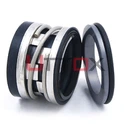
There are some design features that set the type 2 mechanical seal apart that make it perfect for medium to heavy-duty pump uses. Type 1 valves put the springs inside the fluid environment, but type 2 setups put the group of springs on the side that is exposed to air. This setup makes the working height smaller and keeps harmful process fluids from getting to the spring parts.
Core Design Features and Operating Principles
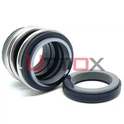
The rubber bellows provides axial flexibility, keeping sealing force constant on both faces. This multi-curve design fixes misaligned shafts and thermal expansion better than rigid systems. The moving main ring and stationary mating ring handle radial and axial motion during pump operation. Material choice greatly impacts seal life. Face materials include carbon, silicon carbide, tungsten carbide, and ceramic for different fluids and temperatures. Elastomers like Viton, EPDM, and PTFE must resist chemical attack and stay flexible. Engineers must verify real-world material compatibility rather than relying on general standards.
Industry Applications and Equipment Compatibility
Chemical plants use these seals for toxic liquids at high temperatures and pressures. Petrochemical facilities need them for gas service where leak prevention is critical. Power plants apply them in boiler feed pumps, wastewater systems, and cooling water circulation. Paper and pulp operations use them in stock pumps and chemical dosing systems handling gritty slurries. Pump makers design around common seal chamber sizes. The compact type 2 seal fits centrifugal, process, and general-purpose pumps handling 10-500 GPM flow and up to 300 PSI. Repair teams stock these versatile seals for quick replacement.
Maintenance Strategies to Extend Service Life
Regular inspection protocols find wear patterns before catastrophic failure. Check seal faces for dry running, heat checking, or thermal cracks. Examine rubber parts for hardening, swelling, or chemical breakdown. Verify flush systems maintain correct temperature and flow rates. Fix common problems systematically: high startup leakage suggests poor fitting or dirty faces; gradual leak rise indicates normal wear; rapid failure points to cavitation, process upsets, or debris. Record failure modes to identify recurring issues. Address root causes by changing specifications or consulting suppliers.
Criteria for Choosing the Right Type 2 Mechanical Seal Replacement
To choose the right seal, you must first make a complete record of your working surroundings. Accurately recording process conditions stops mistakes before they happen and avoids costly repairs.
Operating Condition Assessment
Extreme temperatures drive material choice and dimensional stability. Fluids above 200°F need high-temperature materials that keep seal faces flat. Below-zero uses require elastomers that resist cold hardening. Account for steady pressure and short spikes during startup or valve opening. Chemical exposure dictates face and elastomer selection. Strong solvents damage some elastomers but not others. Abrasive slurries need tougher materials like tungsten or silicon carbide. Always consult chemical compatibility data, not guesses. Shaft speed affects face pressure and friction heat. Above 3,000 RPM may require balanced designs. Below 1,800 RPM works well with unbalanced setups.
Material Compatibility and Installation Considerations
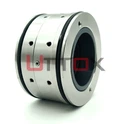
Seal chamber measurements must match your pump setup. Before ordering, verify shaft diameter, chamber depth, and gland plate bolt patterns. Wrong-sized covers leak immediately or prevent operation. Request dimensional drawings from suppliers to confirm fit. The UTTOX type 2 mechanical seal uses a multi-spring structure with rubber bellows design, spreading load better than single-spring options. This robust construction provides greater stability and consistent performance even during pressure fluctuations common in industrial settings. The design excels where reliability and operational regularity cannot be compromised. Always verify compatibility before purchasing.
Balancing Cost Against Performance Requirements
Initial purchase price is only a small part of total ownership cost. Determine expected service life based on similar applications in your facility. A seal costing 30% more but lasting twice as long beats cheaper alternatives needing frequent replacement. Include labor costs for replacements, lost output during downtime, and disposal of failed parts. Premium OEM seals offer proven performance at higher prices. Aftermarket alternatives like UTTOX provide cost-effective options without sacrificing core performance. Compare prices, certifications, quality control methods, and warranty terms. Bulk buying lowers per-unit cost while ensuring consistent specifications across your installed base.
Comparing Type 2 Mechanical Seals with Alternative Sealing Options
When you know how the different seal technologies stack up against each other, you can choose the best one for your needs and funds.
Type 1 vs Type 2 Mechanical Seal Designs
For Type 1 valves, the springs are inside the process fluid, which means that harsh chemicals can eat away at them. This problem is fixed in the type 2 mechanical seal by placing the springs on the side that is exposed to air. This keeps them safe from chemical attack. With this setup, type 2 mechanical seals can handle a wider range of harmful fluids and their springs will last longer.
The installation height for these styles is very different. Type 2 mechanical seals are smaller, so they can fit in pumps that don't have a lot of room for the seal chamber. Equipment makers who are making small pump systems like how this saves room. Type 1 seals need larger spaces, but they may be better in high-temperature situations where elastomer bellows can't work because of the temperature.
Cartridge Seal Assemblies
Because cartridge covers come as pre-assembled pieces, they are easier to install and less likely to go wrong. Maintenance teams like how it saves them time when they need to make fixes right away. The type 2 mechanical seal, which is a component seal, costs significantly less per unit but takes more skill to install properly. Facilities with skilled millwrights often choose component covers to keep their stocking costs as low as possible.
When only the seal faces need to be replaced, replacement costs favor component seals. Even if the springs and housings are still good, the whole cartridge assembly needs to be changed. When there are a lot of pumps in a process building, this difference in cost gets big.
Conventional Packing and Lip Seals
Braided packing rings are the oldest method of wrapping that is still used in industry. Even though it's cheap at first, packing needs to be changed often and allows steady leakage that loses product and causes environmental problems. Modern type 2 mechanical seal systems get rid of these leaky problems for good and make upkeep easier at the same time.
Lip seals are good for light-duty jobs, but they can't handle high pressures and aren't reliable enough for use in process pumps. Their simple design can't handle the changes in pressure, shaft runout, and temperature growth that industrial pumps often go through. The higher cost of buying a John Crane type 2 mechanical seal is justified by the fact that it lasts longer and requires less upkeep than lip seals or packing.
How to Procure Reliable Type 2 Mechanical Seal Replacements: Supplier and Ordering Insights
Choosing where to get supplies has a big effect on how well seals work, how reliable deliveries are, and how much long-term help is available. When you choose your suppliers strategically, you can avoid problems with quality and breakdowns in the supply chain.
Evaluating Seal Manufacturers and Distributors
Well-known firms like John Crane, EagleBurgmann, and AESSEAL earned reputations through decades of field performance and innovation. Their engineering libraries and global service networks justify higher prices. Providers like UTTOX offer similar performance at more affordable rates, with over 30 years of expertise in chemical, petroleum, and power industries. Their multi-spring and rubber bellows design beats single-spring options. Evaluate quality certifications, manufacturing capability, and technical support. Request material test records and dimensional proof.
Procurement Best Practices and Lead Time Management
Bulk buying lowers per-unit cost and standardizes specifications across facilities. Negotiate framework deals locking prices for 12 months with flexible quantities. This guards against price changes and excess inventory. Lead times vary: standard rubber bellows seals ship within a week from stock. Custom face materials or special compounds take four to eight weeks. Plan preventive maintenance around these waits to avoid emergency expediting fees. International purchases add shipping and customs complexity. Partner with export-savvy providers like UTTOX, serving over 50 countries.
Technical Support and After-Sales Service
When seals fail or application conditions change, expert supplier support proves invaluable. Experienced providers can analyze failure photographs and operating data to determine root causes, then recommend specification changes to prevent recurrence. This troubleshooting help often proves more valuable than small price differences between suppliers. After-sales service includes warranty support, return procedures for failed parts, and professional installation training. Clarify these terms before placing orders to avoid discovering limitations after problems arise. Mutually beneficial long-term relationships form when suppliers stand behind their products and provide prompt service. Choose partners who offer practical help, not just low prices.
Installation Best Practices and Troubleshooting for Type 2 Mechanical Seals
Whether seals last as long as they're supposed to or break before they're supposed to depends directly on how they were installed. By following organized steps, you can avoid making the common mistakes that lead to early fails.
Pre-Installation Preparation Steps
Thoroughly clean the seal chamber to get rid of old gasket material, rust products, and buildups of deposits. Leaks can be caused by even small bits left on sealing surfaces. Check the shaft sleeve for damage like wear, cutting, or rust that could affect the new seal parts. Before installing a John Crane type 2 seal replacement, repair any worn shafts or sleeves to ensure proper fit and reliable operation.
Use a number indicator to check the shaft's runout before moving on. Too much runout leads to uneven wear on the seal face and failure before it should. The total suggested number for the shaft runout should not be more than 0.002 inches. Check the state of the pump's bearings because old bearings let the shaft move in ways that mechanical seals can't handle.
Before installing, check all of the seal's parts. Make sure that rubber materials don't crack or harden and are still soft and bendable. Look for chips, scratches, or dirt on the seal faces. Be careful when you handle seals because dropping them can do damage that you can't see that causes leaks right away.
Assembly Techniques and Alignment Procedures
Lubricate elastomer parts with clean fluid compatible with your process, or use the manufacturer's recommended lubricant. Never use petroleum-based oils on seals intended for water service. Avoid rolling or twisting O-rings out of their grooves as you slide parts onto the shaft. Set compression distance per manufacturer specifications. Too much tension bends seal faces and accelerates wear. Insufficient compression allows the rotating face to lift off under pressure, creating leakage paths. Use feeler gauges or depth micrometers to verify settings before tightening gland nuts. Tighten gland bolts in a star pattern to maintain even pressure around the seal face.
Identifying Failures and Preventative Maintenance
Systematic troubleshooting finds root causes instead of addressing symptoms alone. Leakage primarily at the shaft indicates seal face problems: wear, heat damage, or contamination. Leakage from the gland plate area means static seals like O-rings or gaskets are failing. Addressing the wrong part wastes time and money without solving the problem. Inspect seal performance regularly during operation. Infrared temperature readings detect excess heat generation from poor lubrication or misalignment. Unusual sounds suggest dry running or cavitation. Catch problems early before they become catastrophic and damage other pump components. Schedule seal changes based on operating hours and historical failure patterns.
Conclusion
To pick the right new seal, you have to weigh the technical needs against the available budget, as well as the supplier's skills and their ability to provide long-term assistance. When properly designed and installed, the type 2 mechanical seal works reliably in a wide range of industrial settings. By knowing about operating conditions, material compatibility, and installation methods, you can make choices about what to buy that will save you money over the long term and keep your equipment running as much as possible. Building ties with experienced suppliers who can offer expert help and keep an eye on stock gives you the tools you need to act quickly when seals need to be replaced. Systematic fixing and preventative maintenance practices make seals last longer and cut down on the number of unexpected fixes and their costs.
FAQ
1. What factors should I prioritize when selecting a type 2 mechanical seal replacement?
The most important decision factors are the operating pressure, temperature range, and chemical compatibility. Make sure that the seal face materials and elastomers won't break down in the process fluid you're using. The pump's design must match the shaft speed and seal chamber size. To get the best total ownership prices, compare the starting cost to the expected service life.
2. How does the UTTOX Type 2 design compare to original equipment manufacturer seals?
The UTTOX type 2 mechanical seal is an option that is less expensive and doesn't lose any important performance qualities. When compared to single-spring designs, the multi-spring setup with rubber bellows construction is more stable when conditions change. Stable product supply guarantees fast delivery, which cuts down on downtime during necessary repairs.
3. What are typical service life expectations for these seals in chemical processing applications?
Service life changes a lot depending on how it is used and how it is maintained. When seals are put correctly and pumps are well taken care of, they can handle non-abrasive fluids for 18 to 36 months without stopping. Service life may be cut to 6 to 12 months by abrasive slurries or high temperatures. Regular inspections and preventative maintenance make seals last a lot longer.
Partner with a Trusted Type 2 Mechanical Seal Supplier
Uttox can help you with your closing problems in chemical, petroleum, and industrial settings thanks to its more than 30 years of experience in specialized manufacturing. Our type 2 mechanical seal gives your medium- to heavy-duty pump systems the extra sturdiness and dependability they need. The multi-spring elastomer bellows design keeps working well even when the pressure changes and the machine is running all the time. Also, our stable inventory means that we can send quickly, so production doesn't stop.
For custom uses and OEM needs, our skilled technology team offers free engineering help. We react quickly with useful solutions backed by strict quality control, whether you need help with pricing a large order, making sure we meet your specifications, or fixing a problem. Email us at info@uttox.com to talk about your unique sealing needs and get accurate quotes.
References
1. Summers, M.P. (2018). Mechanical Seal Practice for Improved Performance. Elsevier Professional Engineering Publishing.
2. Bloch, H.P. & Geitner, F.K. (2019). Machinery Component Maintenance and Repair: Volume 2 - Seals and Bearings. Gulf Professional Publishing.
3. Karassik, I.J., Messina, J.P., Cooper, P. & Heald, C.C. (2020). Pump Handbook: Fourth Edition. McGraw-Hill Education.
4. Flitney, R.K. (2014). Seals and Sealing Handbook: Sixth Edition. Butterworth-Heinemann Technical Publications.
5. Lebeck, A.O. (2017). Principles and Design of Mechanical Face Seals. Wiley-Interscience Industrial Engineering Series.
6. Adams, G.L. & Meyer, T.R. (2021). Industrial Sealing Technology: Materials, Applications and Best Practices. Society of Tribologists and Lubrication Engineers Technical Publications.