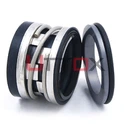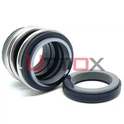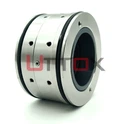


Installing cartridge mechanical seals can be a complex process that, when done incorrectly, leads to costly equipment failures, unplanned downtime, and potential safety hazards in industrial operations. Many technicians struggle with proper installation procedures, resulting in premature seal failure and expensive maintenance issues. This comprehensive guide provides step-by-step instructions for proper cartridge mechanical seal installation, ensuring maximum equipment reliability and operational efficiency for your industrial applications.
Understanding Cartridge Mechanical Seals Fundamentals
Cartridge mechanical seals represent a significant advancement in sealing technology, offering pre-assembled, self-contained units that simplify installation compared to traditional component seals. These sophisticated sealing systems consist of primary and secondary sealing elements, spring mechanisms, and housing components all factory-assembled into a single cartridge unit. The cartridge design eliminates the need for complex field measurements and reduces installation time while minimizing human error during setup procedures. The fundamental advantage of cartridge mechanical seals lies in their ability to maintain precise tolerances and alignment during manufacturing, ensuring optimal performance from the moment of installation. Unlike component seals that require careful measurement and assembly in the field, cartridge seals arrive ready for installation with all components properly positioned and secured. This pre-assembly approach significantly reduces the risk of installation errors that commonly lead to seal failures in industrial applications. Modern cartridge mechanical seals incorporate advanced materials and engineering designs to handle demanding industrial conditions including high pressures, extreme temperatures, and aggressive chemical environments. The integrated design allows for better heat dissipation, improved lubrication distribution, and enhanced mechanical stability compared to traditional sealing methods. Understanding these fundamental principles is essential for successful installation and long-term reliable operation.
Critical Components of Cartridge Seal Systems
The primary sealing interface in cartridge mechanical seals consists of two precision-machined faces that create a dynamic seal between rotating and stationary components. These faces are typically manufactured from advanced materials such as silicon carbide, tungsten carbide, or ceramic compositions selected for their wear resistance and chemical compatibility. The sealing faces must maintain perfect flatness and surface finish to achieve effective sealing performance. Secondary sealing elements, including O-rings and gaskets, provide static seals between various components within the cartridge assembly. These elastomeric seals must be compatible with the process fluid and operating temperature range to prevent leakage and ensure long service life. The selection of appropriate secondary seal materials is crucial for overall system performance and reliability in specific industrial applications. Spring mechanisms within cartridge mechanical seals provide the necessary closing force to maintain contact between sealing faces while accommodating thermal expansion, shaft deflection, and normal wear patterns. Various spring configurations including coil springs, wave springs, and bellows designs are employed depending on specific application requirements and space constraints within the pump design.

Installation Environment Preparation
Proper preparation of the installation environment is fundamental to successful cartridge mechanical seal installation and long-term performance. The work area must be clean, well-lit, and free from contaminants that could compromise seal integrity during installation procedures. All tools and equipment should be inspected and verified to be in proper working condition before beginning the installation process. The pump and seal chamber must be thoroughly cleaned to remove any debris, corrosion products, or previous seal residue that could interfere with proper cartridge seal positioning. Special attention should be paid to the shaft surface condition, ensuring it meets manufacturer specifications for roughness, runout, and dimensional accuracy. Any damage to critical sealing surfaces must be addressed before attempting seal installation. Environmental conditions during installation should be controlled to prevent contamination and ensure optimal working conditions. Temperature extremes, excessive humidity, or dusty conditions can adversely affect seal performance and should be avoided during installation procedures. Adequate ventilation and lighting are essential for maintaining safe working conditions and enabling precise installation work.
Pre-Installation Inspection and Preparation
Thorough pre-installation inspection of cartridge mechanical seals is essential for identifying potential issues that could compromise performance or lead to premature failure. The cartridge seal should be carefully removed from its protective packaging and visually inspected for any signs of damage, contamination, or defects that may have occurred during shipping or storage. All sealing surfaces must be pristine and free from scratches, chips, or other imperfections. The shaft and seal chamber dimensions must be verified against manufacturer specifications to ensure proper fit and clearances. Critical measurements include shaft diameter, seal chamber bore, and axial positioning requirements that directly affect seal performance. Any deviations from specified tolerances must be corrected before attempting installation to prevent seal failure and equipment damage. All installation hardware including bolts, gaskets, and mounting components should be inspected for proper condition and compatibility with the specific cartridge seal design. Hardware that shows signs of wear, corrosion, or damage must be replaced with manufacturer-approved components to ensure reliable installation and operation. Using substandard or incompatible hardware can lead to seal failure and costly equipment damage.
Documentation Review and Compliance
Manufacturer installation instructions and technical documentation must be thoroughly reviewed before beginning any installation work. These documents contain critical information regarding proper installation procedures, torque specifications, and safety requirements specific to the cartridge mechanical seal design. Failure to follow manufacturer guidelines can void warranty coverage and lead to premature seal failure. Safety data sheets and material compatibility information should be reviewed to ensure all personnel are aware of potential hazards and appropriate safety measures. Personal protective equipment requirements must be understood and properly implemented throughout the installation process. Chemical compatibility between seal materials and process fluids must be verified to prevent degradation or failure of sealing components. Quality control procedures and inspection requirements should be established before beginning installation to ensure all critical steps are properly documented and verified. This documentation serves as a record of proper installation and provides valuable information for future maintenance and troubleshooting activities.
Tool and Equipment Verification
Specialized tools and equipment required for cartridge mechanical seal installation must be identified and verified for proper operation before beginning work. Standard tools may include torque wrenches, alignment equipment, measuring devices, and lifting equipment appropriate for the specific seal size and weight. All tools should be calibrated and in good working condition to ensure accurate installation. Safety equipment including personal protective equipment, fall protection, and emergency response equipment must be available and properly maintained. All personnel involved in the installation should be trained in proper tool usage and safety procedures to prevent accidents and ensure successful installation outcomes. Installation fixtures and handling equipment should be inspected to ensure they are appropriate for the specific cartridge seal design and weight. Improper handling can damage delicate sealing components and compromise seal performance, making proper equipment selection and usage critical for successful installation.
Step-by-Step Installation Procedure
The installation process for cartridge mechanical seals begins with careful positioning of the cartridge assembly onto the pump shaft while ensuring proper orientation and alignment. The seal must be positioned according to manufacturer specifications, typically at a predetermined distance from a reference surface such as the impeller or shaft shoulder. This positioning is critical for maintaining proper compression of sealing elements and ensuring optimal performance. Component seal faces must be cleaned with clean cloth and rubbing alcohol (or alcohol wipe) just before installation to ensure contamination-free assembly. The shaft surface should be lubricated with a compatible lubricant to facilitate smooth installation and prevent damage to sealing surfaces during assembly. Care must be taken to avoid over-lubrication which can attract contaminants and affect seal performance. Carefully slide the cartridge mechanical seal onto the shaft, ensuring that it is facing the correct direction. The seal face should be pointing towards the fluid that needs to be sealed. The installation process requires steady, controlled movement to prevent binding or damage to sealing components. Any resistance during installation should be investigated and resolved before continuing.
Alignment and Positioning Verification
Proper alignment of cartridge mechanical seals is crucial for preventing premature wear and ensuring long service life in industrial applications. The cartridge seal should be carefully placed into the seal chamber, ensuring that the rotating and stationary faces are properly aligned. Misalignment can cause uneven wear patterns, increased heat generation, and rapid seal failure. Axial positioning must be verified using appropriate measuring tools to ensure the seal is located at the correct distance from reference surfaces. This positioning affects the compression of sealing elements and the operational characteristics of the mechanical seal. Manufacturer specifications provide exact positioning requirements that must be followed for optimal performance. Radial alignment should be checked to ensure the seal assembly is concentric with the shaft centerline and seal chamber bore. Excessive runout or eccentricity can cause uneven loading of sealing faces and premature failure. Alignment tools and measuring equipment should be used to verify proper positioning before final assembly.
Hardware Installation and Torquing
All mounting hardware must be installed according to manufacturer specifications with particular attention to torque requirements and tightening sequences. Essential tips such as avoiding over-tightening bolts as it could lead to distortion of sealing elements and maintaining cleanliness throughout procedure cannot be stressed enough. Proper torquing ensures adequate clamping force without damaging sealing components. Bolts should be tightened in a cross-pattern sequence to ensure even loading and prevent distortion of the seal chamber or cartridge assembly. The specified torque values must be achieved using calibrated torque wrenches to ensure accurate and consistent results. Under-torquing can result in leakage while over-torquing can damage sealing components. Thread locker or anti-seize compounds may be required on mounting hardware depending on material compatibility and operating conditions. These compounds should be applied sparingly and only as specified by manufacturer recommendations to prevent contamination of sealing surfaces or interference with proper assembly.
Common Installation Challenges and Solutions
Installation of cartridge mechanical seals can present various challenges that require careful attention and proper troubleshooting techniques. One of the most common issues encountered is contamination of sealing surfaces during installation, which can lead to immediate leakage or premature seal failure. Maintaining absolute cleanliness throughout the installation process is essential for successful outcomes and long-term reliability. Shaft surface conditions frequently cause installation difficulties, particularly when dealing with worn or damaged shafts that may have scoring, corrosion, or dimensional variations. These conditions can prevent proper seal installation or cause damage to sealing components during assembly. Shaft restoration or replacement may be necessary to achieve successful installation and optimal seal performance. Temperature extremes during installation can affect seal component dimensions and properties, making proper installation difficult or impossible. Cartridge mechanical seals should be allowed to reach ambient temperature before installation to ensure proper fit and avoid thermal shock to sealing materials. Cold seals may be difficult to install while hot seals may have altered dimensions that affect proper positioning.
Troubleshooting Installation Problems
When installation problems occur, systematic troubleshooting approaches help identify root causes and develop effective solutions. Dimensional verification should be the first step when fit problems are encountered, ensuring all components meet manufacturer specifications and tolerances. Measurement data should be compared against published specifications to identify discrepancies. Surface finish and condition issues often manifest as installation resistance or binding during assembly. Careful inspection of shaft and seal chamber surfaces can reveal problems that require attention before successful installation can be achieved. Surface restoration techniques may be necessary to correct problems and enable proper seal installation. Assembly sequence errors can cause installation difficulties and may require partial disassembly to correct. Following manufacturer installation procedures in the proper sequence ensures all components are positioned correctly and prevents interference problems during assembly. Documentation of the installation process helps identify sequence errors when problems occur.
Quality Control Verification
Post-installation quality control procedures ensure all installation requirements have been met and the seal is ready for service. Visual inspection should verify proper positioning, alignment, and hardware installation according to manufacturer specifications. Any deviations from specified requirements must be corrected before putting the equipment into service. Functional testing may include rotation checks, pressure tests, or other verification procedures specified by the seal manufacturer. These tests help identify installation problems before equipment startup and prevent costly failures or safety incidents. Test results should be documented for future reference and warranty purposes. Final documentation should include installation date, personnel involved, test results, and any special conditions or modifications made during installation. This information provides valuable data for maintenance planning, troubleshooting, and warranty administration throughout the seal service life.
Maintenance and Long-term Performance Optimization
Proper maintenance practices are essential for maximizing the performance and service life of cartridge mechanical seals in industrial applications. Regular inspection schedules should be established to monitor seal condition, detect early signs of wear or degradation, and plan maintenance activities before failures occur. These proactive approaches minimize unplanned downtime and reduce overall maintenance costs. Operating parameter monitoring provides valuable insights into seal performance and can identify developing problems before they become critical. Parameters such as temperature, pressure, vibration, and leakage rates should be tracked and compared against established baselines to detect performance trends and plan maintenance interventions. Environmental conditions around the seal should be maintained within manufacturer specifications to ensure optimal performance and service life. Factors such as temperature control, contamination prevention, and proper lubrication are critical for long-term seal reliability in demanding industrial applications.
Performance Monitoring Systems
Advanced monitoring systems can provide real-time data about seal performance and operating conditions, enabling predictive maintenance approaches that optimize reliability and reduce costs. Temperature sensors, pressure monitors, and vibration detectors can provide early warning of developing problems before they result in seal failure or equipment damage. Data logging systems allow for trend analysis and performance comparison over time, helping identify patterns that indicate normal wear or developing problems. This information supports maintenance planning and helps optimize seal replacement intervals based on actual performance data rather than arbitrary time schedules. Alarm systems can alert operators to abnormal conditions that require immediate attention, preventing minor problems from developing into major failures. Properly configured alarm systems provide appropriate response time while minimizing false alarms that can reduce operator confidence and response effectiveness.
Conclusion
Proper installation of cartridge mechanical seals requires careful attention to detail, thorough preparation, and strict adherence to manufacturer specifications. Success depends on maintaining cleanliness, ensuring proper alignment, and following established procedures throughout the installation process.
Cooperate with Zhejiang Uttox Fluid Technology Co.,Ltd.
As a leading China Cartridge mechanical seals manufacturer with over 30 years of industry experience, Zhejiang Uttox Fluid Technology Co.,Ltd. offers comprehensive solutions for industrial sealing applications. Our experienced R&D team provides technical guidance and customization options for diverse working conditions across petroleum refining, water treatment, pharmaceutical, and power plant industries. With sufficient inventory ensuring fast delivery and professional technical support, we serve as your reliable China Cartridge mechanical seals supplier. Our High Quality Cartridge mechanical seals match international standards at competitive Cartridge mechanical seals prices. Whether you need China Cartridge mechanical seals wholesale or have Cartridge mechanical seals for sale requirements, contact our technical team at info@uttox.com for customized solutions and free technical consultation.
FAQ
Q: What is the most critical step in cartridge mechanical seal installation?
A: Proper alignment and positioning are most critical, as misalignment causes uneven wear and premature failure.
Q: How do I prevent contamination during installation?
A: Maintain clean work environment, use alcohol wipes on sealing faces, and handle components with clean gloves throughout installation.
Q: What torque specifications should I follow for mounting bolts?
A: Always follow manufacturer specifications exactly, using calibrated torque wrenches and proper tightening sequences to prevent distortion.
Q: Can I reuse hardware from previous seal installations?
A: Only if hardware meets manufacturer specifications and shows no signs of wear, corrosion, or damage upon inspection.
References
1. "Installation Procedures for Component and Cartridge Mechanical Seals" by Turbomachinery International Editorial Team, April 2021
2. "Mechanical Seal Installation and Maintenance Manual" by Flexaseal Engineering Department, Industrial Sealing Solutions Division
3. "Step-by-Step Mechanical Seal Installation: A Practical Guide" by SEPCO Technical Team, July 2024
4. "Cartridge Mechanical Seals: A Comprehensive Guide" by Zhang Mingdong, Industrial Engineering Applications Review, January 2024