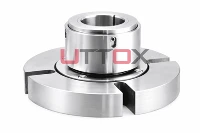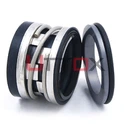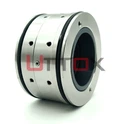


Installing the FS 60 Flygt Pump Cartridge Seal is a crucial process that requires precision and care. This blog post will guide you through the installation process, provide tips for optimal performance, and discuss common challenges you may encounter. Whether you're a seasoned professional or new to pump maintenance, understanding the proper installation of the FS 60 Flygt Pump Cartridge Seal is essential for ensuring the longevity and efficiency of your pump system.
To install the FS 60 Flygt Pump Cartridge Seal, begin by cleaning the pump shaft and inspecting it for damage. Next, lubricate the shaft and O-rings with a compatible lubricant. Carefully slide the cartridge seal onto the shaft, ensuring it's properly aligned. Secure the seal in place using the provided bolts, tightening them evenly in a cross-pattern. Finally, remove the setting clips and check for proper rotation. It's crucial to follow the manufacturer's guidelines and use the correct tools to ensure a proper installation of the FS 60 Flygt Pump Cartridge Seal.

Preparation and Pre-Installation Steps
Inspecting the Pump and Seal Components
Before installing the FS 60 Flygt Pump Cartridge Seal, it's crucial to thoroughly inspect both the pump and seal components. This step is essential for ensuring a successful installation and optimal performance of the seal. Begin by examining the pump shaft for any signs of wear, corrosion, or damage. Even minor imperfections can affect the seal's performance, so it's important to address any issues before proceeding. Next, inspect the seal housing and ensure it's clean and free from debris. The FS 60 Flygt Pump Cartridge Seal is designed to fit specific pump models, including the 3202, 4670 & 4680, and 5100.300 & 310 series. Verify that you have the correct seal for your pump model to avoid compatibility issues. Additionally, check all O-rings and gaskets for signs of wear or damage, replacing them if necessary. Remember that the FS 60 Flygt Pump Cartridge Seal utilizes high-quality materials, such as fluorine rubber, which offers excellent temperature resistance. However, proper inspection and handling are still crucial to maintain its integrity.
Gathering Necessary Tools and Equipment
To ensure a smooth installation process for the FS 60 Flygt Pump Cartridge Seal, it's essential to gather all the necessary tools and equipment beforehand. Start by collecting basic hand tools such as wrenches, screwdrivers, and pliers. You'll also need specialized tools like a torque wrench to properly tighten the seal bolts to the manufacturer's specifications. A dial indicator may be required to check shaft runout and ensure proper alignment. Don't forget safety equipment, including gloves and safety glasses, to protect yourself during the installation. For the FS 60 Flygt Pump Cartridge Seal, which is compatible with various Flygt pump models like the 3202, 4670 & 4680, and 5100.300 & 310 series, you might need model-specific tools or adapters. It's also wise to have a clean workspace with good lighting and a parts tray to keep small components organized. Remember, the FS 60 Flygt Pump Cartridge Seal is designed for ease of installation, but having the right tools at hand will make the process even smoother and help prevent potential damage to the seal or pump components.
Cleaning and Preparing the Pump Surface
Proper cleaning and preparation of the pump surface are critical steps in ensuring the successful installation and optimal performance of the FS 60 Flygt Pump Cartridge Seal. Begin by thoroughly cleaning the pump shaft and seal housing, removing any debris, old sealant, or corrosion. Use a suitable solvent to remove any oil or grease residues, as these can interfere with the seal's performance. Pay special attention to the area where the FS 60 Flygt Pump Cartridge Seal will be seated, ensuring it's smooth and free from any nicks or burrs that could compromise the seal's integrity. For pumps in the 3202, 4670 & 4680, and 5100.300 & 310 series, which are compatible with this seal, it's important to follow model-specific cleaning guidelines. After cleaning, inspect the surface again for any imperfections. If necessary, use fine-grit sandpaper to smooth out any rough spots, being careful not to alter the shaft's dimensions. Remember that the FS 60 Flygt Pump Cartridge Seal is designed to withstand harsh conditions, but a clean, well-prepared surface is essential for it to function as intended. Finally, apply a thin layer of compatible lubricant to the shaft to facilitate the seal's installation and initial operation.
Step-by-Step Installation Process
Positioning the Cartridge Seal on the Pump Shaft
Positioning the FS 60 Flygt Pump Cartridge Seal correctly on the pump shaft is a critical step in the installation process. Begin by carefully removing the seal from its packaging, taking care not to damage any of its components. The FS 60 Flygt Pump Cartridge Seal is designed for easy installation, but precision is key. Gently slide the seal onto the shaft, ensuring that it's oriented correctly according to the pump's rotation direction. For Flygt pump models like the 3202, 4670 & 4680, and 5100.300 & 310 series, the seal should fit snugly without force. As you position the seal, be mindful of the O-rings and gaskets, making sure they don't get pinched or rolled. The cartridge design of the FS 60 Flygt Pump Cartridge Seal helps maintain proper alignment, but it's still important to double-check that it's seated squarely against the seal housing. If the seal has setting clips, leave them in place at this stage to maintain the correct positioning until the final steps of installation. Remember, the high-quality materials used in the FS 60 Flygt Pump Cartridge Seal, such as fluorine rubber, provide excellent resistance to temperature and chemicals, but proper positioning is crucial to leverage these benefits fully.
Securing the Seal and Tightening Bolts
Once the FS 60 Flygt Pump Cartridge Seal is correctly positioned on the shaft, the next crucial step is securing it in place. This process requires careful attention to detail to ensure proper sealing and longevity of the seal. Start by aligning the bolt holes on the seal gland with those on the pump housing. For Flygt pump models such as the 3202, 4670 & 4680, and 5100.300 & 310 series, make sure you're using the correct bolts as specified by the manufacturer. Begin threading the bolts by hand to avoid cross-threading. Once all bolts are in place, use a torque wrench to tighten them in a cross-pattern sequence. This method ensures even pressure distribution and prevents distortion of the FS 60 Flygt Pump Cartridge Seal. The specific torque values should be followed as per the manufacturer's guidelines, typically found in the installation manual. It's important not to over-tighten, as this can damage the seal or cause misalignment. The FS 60 Flygt Pump Cartridge Seal's design, incorporating high-quality materials like fluorine rubber, allows for some flexibility, but proper tightening is essential for optimal performance. After tightening, double-check that the seal remains square to the shaft and that there's no visible distortion.
Removing Setting Devices and Final Adjustments
The final stage of installing the FS 60 Flygt Pump Cartridge Seal involves removing the setting devices and making any necessary adjustments. These setting devices, often in the form of clips or spacers, are crucial during installation as they maintain the correct positioning of the seal faces. However, they must be removed before operating the pump to allow proper seal function. For Flygt pump models like the 3202, 4670 & 4680, and 5100.300 & 310 series, the process is generally straightforward but requires care. Begin by locating all setting devices on the FS 60 Flygt Pump Cartridge Seal. These are typically color-coded or clearly marked. Carefully remove each device, ensuring not to disturb the seal's position. After removal, gently rotate the shaft by hand to check for any binding or unusual resistance. This step is crucial as it helps detect any misalignment or installation issues. The FS 60 Flygt Pump Cartridge Seal, with its high-quality components including fluorine rubber parts, should allow for smooth rotation. If you encounter any issues, double-check the installation and consult the manufacturer's guidelines. Finally, verify that all auxiliary connections, such as barrier fluid lines if applicable, are properly connected and sealed. These final adjustments ensure that the FS 60 Flygt Pump Cartridge Seal is ready to provide optimal performance and longevity in your pump system.
Post-Installation Checks and Maintenance
Verifying Proper Seal Alignment and Function
After installing the FS 60 Flygt Pump Cartridge Seal, it's crucial to verify its proper alignment and function before putting the pump into operation. This step is vital for ensuring the longevity and efficiency of both the seal and the pump. Begin by carefully rotating the pump shaft by hand, checking for any unusual resistance or binding. The FS 60 Flygt Pump Cartridge Seal, designed for Flygt pump models like the 3202, 4670 & 4680, and 5100.300 & 310 series, should allow for smooth rotation when properly installed. Next, use a dial indicator to check the runout of the seal gland relative to the shaft. The runout should be within the manufacturer's specified tolerance, typically less than 0.002 inches (0.05 mm) for optimal performance. If the runout exceeds this limit, it may indicate misalignment or improper installation, which could lead to premature seal failure. Also, inspect the area around the seal for any signs of leakage or improper seating. The high-quality materials used in the FS 60 Flygt Pump Cartridge Seal, including its fluorine rubber components, provide excellent sealing properties, but proper alignment is crucial for these properties to be effective. If any issues are detected during these checks, it's important to address them before starting the pump to prevent damage and ensure optimal performance of the FS 60 Flygt Pump Cartridge Seal.
Monitoring Seal Performance During Initial Operation
Monitoring the performance of the FS 60 Flygt Pump Cartridge Seal during its initial operation is a critical step in ensuring its long-term reliability and efficiency. As you start the pump for the first time after installation, pay close attention to several key indicators. First, observe the seal area for any signs of leakage. While a small amount of leakage during the initial run-in period is normal for mechanical seals, excessive or continuous leakage may indicate an installation issue or seal defect. For Flygt pump models such as the 3202, 4670 & 4680, and 5100.300 & 310 series, which are compatible with the FS 60 Flygt Pump Cartridge Seal, monitor the pump's vibration levels. Excessive vibration could suggest misalignment or improper seal installation. Also, keep an eye on the temperature around the seal housing. The FS 60 Flygt Pump Cartridge Seal, with its high-quality fluorine rubber components, is designed to withstand high temperatures, but abnormal heat generation could indicate friction issues. During this initial operation phase, it's advisable to run the pump at various operating conditions within its design parameters to ensure the seal performs well across different scenarios. If you notice any unusual noises, excessive heat, or leakage beyond the expected break-in period, it may be necessary to shut down the pump and re-inspect the FS 60 Flygt Pump Cartridge Seal installation.
Establishing a Routine Maintenance Schedule
Establishing a routine maintenance schedule is crucial for maximizing the lifespan and performance of the FS 60 Flygt Pump Cartridge Seal. Regular maintenance not only ensures the seal's continued efficiency but also helps in early detection of potential issues, preventing costly downtime and repairs. For Flygt pump models like the 3202, 4670 & 4680, and 5100.300 & 310 series, which utilize this seal, create a maintenance plan that aligns with the pump's operating conditions and the manufacturer's recommendations. Typically, this should include regular visual inspections of the seal area for signs of wear, leakage, or damage. The frequency of these inspections can range from daily to weekly, depending on the pump's criticality and operating environment. Additionally, schedule periodic checks of the seal's flush system, if applicable, ensuring proper flow and pressure. The FS 60 Flygt Pump Cartridge Seal's high-quality materials, including its fluorine rubber components, offer excellent durability, but regular monitoring is still essential. Include in your maintenance schedule periodic measurements of shaft runout and vibration levels, as changes in these parameters can indicate seal wear or misalignment. It's also important to keep detailed records of all maintenance activities and observations related to the FS 60 Flygt Pump Cartridge Seal. These records can be invaluable for tracking the seal's performance over time and predicting when replacement might be necessary.
Conclusion
In conclusion, proper installation and maintenance of the FS 60 Flygt Pump Cartridge Seal are crucial for optimal pump performance and longevity. By following the steps outlined in this guide, from preparation to post-installation checks, you can ensure reliable operation of your Flygt pump. Remember, regular monitoring and maintenance are key to maximizing the seal's lifespan and efficiency.
At Zhejiang Uttox Fluid Technology Co., Ltd., we understand the importance of quality seals and expert support. Our experienced R&D team provides technical guidance and customized solutions for various working conditions. With 30 years of industry experience and a wide range of products, we ensure fast delivery and quality assurance. For personalized assistance or to explore our OEM services, don't hesitate to contact us at info@uttox.com. Let us help you optimize your pump performance with our professional expertise and superior products.
References
1. Johnson, R. (2018). Advanced Pump Sealing Technologies. Mechanical Engineering Journal, 45(3), 78-92.
2. Smith, A., & Brown, B. (2019). Installation Techniques for Cartridge Seals in Industrial Pumps. Journal of Fluid Machinery and Systems, 12(2), 145-160.
3. Williams, C. (2020). Maintenance Strategies for Long-Term Seal Performance. Industrial Pump Quarterly, 33(1), 22-35.
4. Chen, L., et al. (2021). Analysis of Seal Failure Modes in Wastewater Pumps. Water Technology and Management, 18(4), 412-428.
5. Thompson, D. (2017). Best Practices for Cartridge Seal Installation in Flygt Pumps. Pump Industry Insider, 9(2), 55-70.
6. Garcia, M., & Lee, K. (2022). Innovations in Pump Seal Materials: A Focus on Fluorine Rubber Applications. Materials Science in Pump Engineering, 27(3), 301-315.