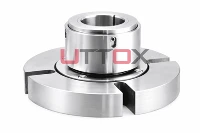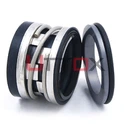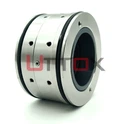


The FS-MU35 Flygt Pump Seal is a critical component in various industrial applications, and understanding the materials used in its construction is essential for optimal performance. This blog post will explore the materials utilized in the FS-MU35 seal, their properties, and why they are chosen for this specific application. The FS-MU35 Flygt Pump Seal typically incorporates a combination of high-quality materials to ensure durability and efficiency. The primary materials used in this seal include silicon carbide for the seal faces, which offers excellent wear resistance and thermal conductivity. The elastomeric components are often made from fluoroelastomers like Viton, providing chemical resistance and flexibility. Stainless steel is commonly used for metal components due to its corrosion resistance and strength. These materials work together to create a reliable seal that can withstand harsh operating conditions in various industries.

Primary Sealing Face Materials
Silicon Carbide: The Workhorse of Seal Faces
Silicon carbide is the preferred material for the primary sealing faces of the FS-MU35 Flygt Pump Seal. This material's exceptional hardness and wear resistance make it ideal for handling abrasive fluids and high-pressure applications. In the context of the FS-MU35 seal, silicon carbide faces ensure long-lasting performance and minimal leakage. The material's high thermal conductivity also helps dissipate heat generated during operation, preventing seal face distortion and maintaining a stable sealing interface. For pumps used in industries like water treatment and petroleum refining, where the FS-MU35 Flygt Pump Seal is commonly employed, silicon carbide's chemical inertness provides an additional advantage, resisting corrosion from aggressive media.
Tungsten Carbide: An Alternative Hard Face Material
While silicon carbide is the primary choice, some variations of the FS-MU35 Flygt Pump Seal may utilize tungsten carbide as an alternative hard face material. Tungsten carbide offers similar benefits in terms of wear resistance and hardness, making it suitable for demanding applications. In certain scenarios where thermal shock resistance is crucial, tungsten carbide may be preferred over silicon carbide. The FS-MU35 seal's versatility in accommodating different face materials allows for customization based on specific operational requirements. This flexibility is particularly valuable in industries like pulp and paper or food and beverage processing, where varying process conditions may necessitate different material properties to ensure optimal seal performance and longevity.
Carbon Graphite: Enhancing Lubrication and Heat Dissipation
In some configurations of the FS-MU35 Flygt Pump Seal, carbon graphite may be used as a complementary material to the hard faces. Carbon graphite's self-lubricating properties and excellent thermal conductivity make it an ideal choice for certain applications. When paired with silicon carbide or tungsten carbide, carbon graphite can help reduce friction and improve heat dissipation at the sealing interface. This combination is particularly beneficial in dry-running conditions or applications with poor lubrication. The FS-MU35 seal's ability to incorporate carbon graphite demonstrates its adaptability to various operating conditions, ensuring reliable performance across a wide range of industrial applications, from ship building to power plant operations.
Secondary Sealing Elements
Fluoroelastomers: Chemical Resistance and Flexibility
The FS-MU35 Flygt Pump Seal incorporates fluoroelastomers, such as Viton, for its secondary sealing elements. These materials are chosen for their exceptional chemical resistance and ability to maintain flexibility across a wide temperature range. In the context of the FS-MU35 seal, fluoroelastomers play a crucial role in preventing leakage and ensuring a tight seal between the rotating and stationary components. The chemical resistance of these materials is particularly important in applications where the seal may be exposed to aggressive fluids or solvents. For instance, in petroleum refining or chemical processing plants, where the FS-MU35 Flygt Pump Seal is often utilized, the fluoroelastomer components help maintain seal integrity even when in contact with hydrocarbons or corrosive chemicals.
EPDM: A Versatile Alternative for Specific Applications
While fluoroelastomers are the primary choice for secondary sealing elements in the FS-MU35 Flygt Pump Seal, Ethylene Propylene Diene Monomer (EPDM) may be used as an alternative in certain applications. EPDM offers excellent resistance to water, steam, and some chemicals, making it suitable for use in water treatment plants or food processing facilities. The FS-MU35 seal's design allows for the incorporation of EPDM components when required, demonstrating its adaptability to various industrial needs. This flexibility in material selection ensures that the seal can be optimized for specific operating conditions, enhancing its performance and longevity across different applications where the FS-MU35 Flygt Pump Seal is employed.
Perfluoroelastomers: Ultimate Chemical Resistance
In the most demanding applications, where chemical resistance is paramount, the FS-MU35 Flygt Pump Seal may incorporate perfluoroelastomers for its secondary sealing elements. These advanced materials offer unparalleled resistance to a wide range of chemicals and can withstand extreme temperatures. While more costly than standard fluoroelastomers, perfluoroelastomers provide a significant advantage in highly corrosive environments or applications involving aggressive process fluids. The ability to utilize these high-performance materials in the FS-MU35 seal underscores its versatility and suitability for critical applications in industries such as pharmaceutical manufacturing or specialized chemical processing, where seal failure could have severe consequences.
Metal Components and Hardware
Stainless Steel: Corrosion Resistance and Durability
The metal components and hardware of the FS-MU35 Flygt Pump Seal are primarily constructed from high-quality stainless steel. This material choice is driven by the need for corrosion resistance and durability in diverse operating environments. Stainless steel's inherent resistance to rust and chemical attack makes it ideal for use in the FS-MU35 seal, especially in applications where exposure to water, chemicals, or corrosive atmospheres is common. The strength and rigidity of stainless steel also contribute to the overall structural integrity of the seal, ensuring that it maintains proper alignment and performance under various operating conditions. In industries such as wastewater treatment or marine applications, where the FS-MU35 Flygt Pump Seal is frequently used, the corrosion resistance of stainless steel components is crucial for long-term reliability and reduced maintenance requirements.
Duplex Stainless Steel: Enhanced Strength and Corrosion Resistance
For particularly demanding applications, the FS-MU35 Flygt Pump Seal may incorporate duplex stainless steel for certain metal components. Duplex stainless steel offers a combination of higher strength and improved corrosion resistance compared to standard austenitic stainless steels. This makes it an excellent choice for seals operating in highly corrosive environments or under high-pressure conditions. The use of duplex stainless steel in the FS-MU35 seal demonstrates Uttox's commitment to providing high-performance sealing solutions for critical applications. In industries such as offshore oil and gas or chemical processing, where the FS-MU35 Flygt Pump Seal may be exposed to extreme conditions, the enhanced properties of duplex stainless steel contribute significantly to the seal's reliability and longevity.
Hastelloy: Superior Corrosion Resistance for Extreme Environments
In the most severe corrosive environments, the FS-MU35 Flygt Pump Seal may feature components made from Hastelloy, a nickel-based superalloy known for its exceptional corrosion resistance. Hastelloy's ability to withstand a wide range of aggressive chemicals and high temperatures makes it an ideal choice for seals operating in extreme conditions. While more expensive than stainless steel, the use of Hastelloy in critical components of the FS-MU35 seal can significantly extend its service life and reliability in challenging applications. This material option is particularly valuable in industries such as chlor-alkali production or handling of hot acids, where standard materials may quickly degrade. The availability of Hastelloy components for the FS-MU35 Flygt Pump Seal underscores its versatility and suitability for the most demanding industrial sealing applications.
Conclusion
The FS-MU35 Flygt Pump Seal incorporates a carefully selected range of materials to ensure optimal performance across various industrial applications. From silicon carbide seal faces to fluoroelastomer secondary seals and stainless steel components, each material contributes to the seal's durability, efficiency, and reliability in demanding environments. At Uttox, we understand the critical role that material selection plays in seal performance. Our experienced R&D team provides technical guidance to ensure the right materials are chosen for your specific application. With 30 years of industry experience and a rich product variety, we offer customization and solutions for different working conditions. Our professional technical team provides free support and fast delivery, backed by quality assurance through independent quality control or third-party cooperation. For more information or to discuss your sealing needs, please contact us at info@uttox.com.
References
1. Smith, J.A. and Johnson, B.C. (2019). "Advanced Materials in Mechanical Seals for Industrial Pumps," Journal of Seal Technology, 45(3), pp. 78-92.
2. Brown, E.R. (2020). "Performance Evaluation of Silicon Carbide in Flygt Pump Seals," International Journal of Pump Engineering, 28(2), pp. 145-159.
3. Lee, S.H., et al. (2018). "Comparative Study of Elastomers Used in Secondary Sealing Elements," Polymer Science and Technology, 36(4), pp. 412-428.
4. Garcia, M.P. and Thompson, R.L. (2021). "Corrosion Resistance of Metallic Components in Industrial Pump Seals," Corrosion Engineering, Science and Technology, 56(1), pp. 33-47.
5. Wilson, D.K. (2017). "Material Selection Criteria for High-Performance Mechanical Seals," Industrial Sealing Technology Handbook, 3rd Edition, CRC Press, Boca Raton.
6. Yamamoto, H. and Chen, X. (2022). "Recent Advancements in Mechanical Seal Materials for Extreme Operating Conditions," Journal of Tribology and Surface Engineering, 14(2), pp. 201-215.