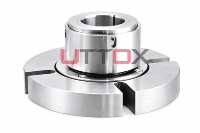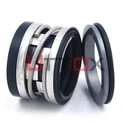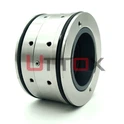


If your pump is leaking, running rough, or losing pressure, your John Crane Type 2 mechanical seal may be signaling that it needs attention. This seal is one of the most widely used single-spring elastomer bellows seals in industrial pumping systems across North America. Knowing when to replace it - and where to source a reliable alternative - can mean the difference between a quick fix and an expensive shutdown. This guide walks you through the key signs, smart comparisons, and procurement decisions that keep your operation running.
Understanding the John Crane Type 2 Mechanical Seal
Design and Construction
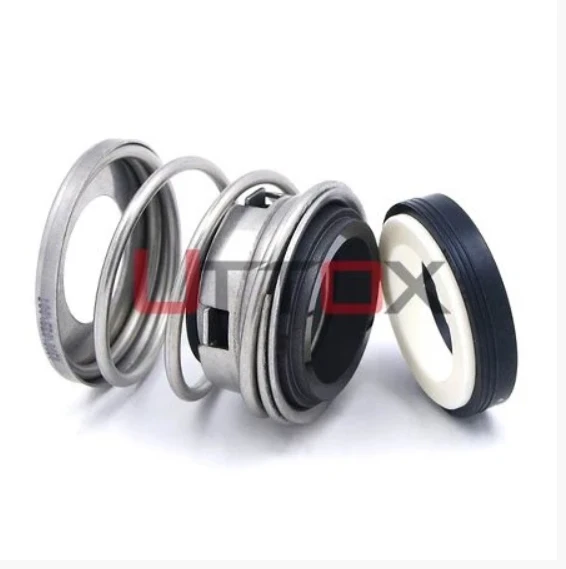
A single-spring, rubber bellows seal, the John Crane Type 2 mechanical seal does not push. Its main binding faces are made of carbon, clay, silicon carbide, and tungsten carbide, with each material chosen to work with a certain type of fluid and pressure. The bellows element stops shaft stressing by stopping the seal and the shaft from moving relative to each other. This is a problem that keeps happening in traditional pusher-type designs.
John Crane's published technical data says that the Type 2 seal can work with pressures up to 425 psi (29 bar) and temperatures from -40°F to 400°F (-40°C to 205°C), depending on which elastomer is chosen.
Operating Principle and Common Failure Modes
A perfectly balanced mechanical contact keeps a microscopic film of fluid between the spinning and fixed faces so that the seal works. This film stops bulk loss and reduces face wear.
Some common types of failure seen in the field are:
Face corrosion happens because the seal material and process fluid don't react chemically well with each other, causing the sealing surface to get worse over time.
Abrasive wear comes from fluids that contain particles, like slurries or grit-filled wastewater, which speeds up face erosion and shortens the life of the seal.
Misalignment-induced fatigue occurs when the shaft isn't lined up right or the installation isn't done right, putting uneven stress on the bellows and causing them to crack or deform too soon.
Elastomer hardening or swelling is usually because they were used outside of their suggested temperature range or were exposed to chemicals that don't work well with them.
When maintenance teams see these patterns early on, they can fix a small problem with a seal before it turns into a full pump overhaul.
Is It Time to Replace Your John Crane Type 2 Mechanical Seal?
Key Warning Signs to Watch
Seal weakening doesn't usually happen without any sign. If you pay attention to early warning signs, you can plan for replacements to happen during planned downtime instead of having to act quickly in an emergency. These are the most reliable signs that your John Crane Type 2 mechanical seal needs to be inspected or replaced right away:
Visible fluid weeping around the gland area, even in small amounts, is a sign of face split or elastomer breakdown that is not likely to heal itself.
Unusual noise during operation - like grinding, squealing, or tapping that don't make sense - are often signs of dry running, face damage, or foreign particles getting between the sealing surfaces.
Vibration anomalies found by regular condition monitoring could be caused by worn-out bellows, misaligned shafts, or problems with the bearings that put stress on the seal.
Inconsistent discharge pressure on a pump that is going at a steady speed changes, it could mean that there is an internal bypass due to seal face leaking, which lowers the hydraulic efficiency.
Taking care of these signals right away protects both the seal and the equipment around it. If you don't fix a failed seal right away, it can hurt shaft sleeves, bearing housings, and impellers, which will make the repair costs much higher.
Practical Inspection Checklist
At regular maintenance times, your tech should check the shaft's runout (ideally within 0.002 inches TIR), look for stains or salt deposits on the gland plate, make sure the bellows can bend without cracking, and compare the working temperature to the seal's recommended limit. Keep track of each check point to help with insurance claims and maintenance records.
Comparing John Crane Type 2 Seal with Alternatives
Type 2 vs. Type 1 and Type 3
The John Crane Type 1 mechanical seal has a single-coil spring design and is often used in wastewater and food processing areas that need to be able to handle shaft vibrations. The John Crane Type 2 mechanical seal is more mechanically stable, which makes it better for medium-duty centrifugal pumps that need to work consistently and in limited room.
The Type 3, on the other hand, is made for more complicated applications that need to handle high pressure or temperature. The Type 2 is still the best choice for most HVAC, general industrial, and building services jobs because it offers the best mix of speed and cost.
Why the UTTOX Type 2 Stands Out as a Replacement
Instead of looking for a John Crane Type 2 seal replacement, many service shops and maintenance companies now use high-quality compatible options that work just as well or better and cost less. This is exactly what the UTTOX Type 2 mechanical seal is made to do.
These are the main reasons why UTTOX is a great choice for buying teams:
Multi-spring configuration replaces the original single-spring design and spreads the load of the springs more widely across the seal face, which stops wear in specific areas and increases the time between service intervals.
Elastomer bellows construction stays flexible even when the temperature changes and the shaft moves, so the sealing stays the same even when the process conditions change.
Dimensional interchangeability with John Crane Type 2 specifications means that the parts can be dropped in and work without having to change the shaft or the glands.
Material integrity - UTTOX seals use carbon, ceramic, and silicon carbide face grades that are backed up by paperwork that can be used to find the original materials, in line with ASTM standards.
Stable inventory enables air freight shipping within 7–10 working days to the US, Canada, and the UK, which cuts down on customer equipment downtime by a large amount.
Responsive English-language technical support includes startup help, cross-referencing for compatibility, and follow-up after the sale.
Because of these benefits, UTTOX is a good choice for pump repair shops and industrial maintenance contractors who need to replace Type 2 seals in a way that is reliable and doesn't put the job's margin at risk. You can look at the full technical specs and connectivity info at www.uttox.com.
Procuring Your John Crane Type 2 Mechanical Seal
Sourcing Considerations for Repair Shops
Quality of procurement has a direct effect on how long a seal lasts and how valid the warranty is. When sourcing a john crane type 2 seal, it is best to choose a supplier that gives you optical flatness test data for the seal faces (flatness within 2 helium light bands is the standard in the industry), elastomer Shore hardness certificates, and full material traceability documentation.
It is common for fake or low-quality seals that come from sources that haven't been checked to use lower-quality resin-impregnated carbon faces. This causes the faces to wear out faster and leaking rates that are higher than OEM requirements. Before making a deal with a provider, you should always ask for a material compliance statement.
UTTOX offers flexible MOQ plans that work for small and medium-sized repair shops. They also accept PayPal and credit card payments and send English-language datasheets and installation guides with every package.
Best Practices for Installation and Replacement
Pre-Installation Preparation
Before fitting, make sure the seal chamber and shaft are very clean. Check the shaft cover for any surface irregularities bigger than 0.0005 inches, like scoring or rust. The secondary seal can be broken by a Ra finish. Make sure that the bolt design on the gland plate fits the exact dimensions of the new seal.
Installation and Post-Install Verification
Before putting the rotating part in, make sure the fixed face is squarely in the gland. Do not put direct force on the seal faces. Do a static pressure test at 1.5 times the operating pressure after installation to make sure there are no leaks at the gland for at least 15 minutes before starting the pump back up. Keep track of the date of installation, the model of the seal, and the test results.
Conclusion
If you know what the right signals are and act on them quickly, you can keep the seal from failing. The John Crane Type 2 mechanical seal has been used for a long time in industrial pumping systems. Knowing how to tell when it's wearing down helps maintenance teams avoid costly breakdowns. The UTTOX Type 2 mechanical seal is a reliable option for shops that need a cheap, dimensionally compatible, and technically supported choice. It comes with stable stock, fast shipping, and hands-on technical support.
FAQ
1.How often should a Type 2 mechanical seal be replaced?
Replacement times depend on how the machine is being used. If the fluid is clean, the temperature stays stable, and the seal is in the right place, a good Type 2 seal should last between 12 and 24 months. In places that are rough or very hot, it's best to check on things every six months. Keeping track of the MTBF data for all of your pumps helps you set reasonable times for your application.
2.Can the UTTOX Type 2 seal handle high-temperature or corrosive media?
Yes. UTTOX Type 2 seals can work in temperatures ranging from -40°F to 400°F (-40°C to 205°C), based on the type of rubber used. NBR works well with most fluids that are made from gasoline, EPDM is good for water-based or light chemicals, and FKM is good for harsh chemicals and high temperatures. Always make sure that the oil will work before you order it.
3.What is the minimum order quantity for UTTOX Type 2 seals?
UTTOX can handle orders of a low number that work well for repair shops. MOQ is flexible, and orders of different sizes are welcome. Send an email to info@uttox.com with the size of your shaft and gland for a custom price.
4.Does UTTOX provide installation documentation?
Every UTTOX package comes with English-language startup directions and a chart that shows how different products work with each other. Technical help can be reached by email before and after installation.
Get a Quote for UTTOX John Crane Type 2 Mechanical Seal Replacements
Your next pump repair doesn't have to wait for slow supply chains or high OEM prices before you can get your next pump fixed. Uttox has been making trusted John Crane Type 2 mechanical seals for more than 30 years. They offer fast shipping around the world, a flexible minimum order quantity, and dedicated English technical support. You can look through the whole catalog of products at www.uttox.com, or you can email info@uttox.com with your shaft size and application information to get a reasonable price and proof of compatibility the same day.
References
1. John Crane Inc. (2022). Type 2 Mechanical Seal Product Specification Sheet.
2. Fluid Sealing Association (FSA). (2021). Mechanical Seal Handbook: Selection, Installation and Maintenance Guidelines.
3. Hydraulic Institute. (2020). ANSI/HI 9.6.4 – Rotodynamic Pumps for Vibration Measurement and Allowable Values.
4. European Sealing Association (ESA). (2022). Best Practices for Mechanical Seal Installation in Centrifugal Pumps.
5. Pumps & Systems Magazine. (2023). Diagnosing Mechanical Seal Failures: A Field Guide for Maintenance Engineers.
6. STLE (Society of Tribologists and Lubrication Engineers). (2021). Tribological Performance of Carbon-Ceramic Seal Face Pairs Under Industrial Operating Conditions.