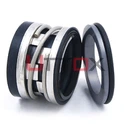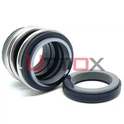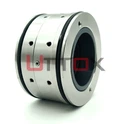


When selecting a replacement for the John Crane 1648 cartridge seal, understanding the balance between performance, cost-efficiency, and supplier reliability becomes critical. This edge-welded metal bellows seal has set industry standards for handling hazardous and high-temperature fluids in petrochemical and refinery applications. However, lead times, pricing pressures, and supply chain unpredictability often drive procurement managers to explore reliable alternatives that maintain operational integrity without compromising safety or uptime. The UTTOX 1648 mechanical seal offers a pre-assembled cartridge solution designed as a direct replacement, combining interchangeability with proven sealing performance for process pumps across chemical and industrial environments.
Understanding the John Crane 1648 Cartridge Seal
The John Crane 1648 cartridge seal is a high-tech way to seal industrial tools. It was made to work in places where regular pusher seals wouldn't work. Its image comes from fixing problems that keep happening in chemical plants and factories.
Core Design and Technical Specifications
This seal is made of edge-welded Inconel 718 metal bellows. It doesn't have any dynamic O-rings, which can cause the shaft to fret and the seal to hang up when it comes in contact with coking fluids or crystallising media. The design can handle pressures up to 31 bar g and temperatures ranging from -75°C to 425°C. It can also handle shaft speeds of up to 25 m/s. The balanced face shape keeps heat production to a minimum, and seal faces made of Silicon Carbide or Carbon-Graphite are very resistant to wear. Meeting the needs of API 682 Category 2 and 3, Type B makes sure that it works with standard flush plans and gland connections, which makes it easier to integrate into current pump systems.
The fixed bellows system has built-in axial compliance that handles thermal expansion and shaft deflection without losing touch with the face. This mechanical flexibility is very useful in situations where the temperature changes or where movement is caused by vibrations.
Material Composition and Chemical Resistance
The choice of material is what makes high-performance seals different from regular industrial seals. Chemicals that are harsh, like organic acids, aromatic oils, and halogenated solvents, can't damage the Inconel 718 metal bellows. Most secondary seal materials are made of fluorocarbon or PTFE, which are better at resisting chemical and thermal damage than regular elastomers. Positive Material Identification (PMI) testing is done on metal parts to make sure they are made of the right alloy and to stop galvanic corrosion in assemblies made of more than one metal.
Precision lapping is used on face materials to make them flat within 1-2 helium light bands. This makes sure that the tiny surface uniformity that makes an effective seal barrier. This level of accuracy in making has a direct effect on how long the seal lasts and how well it works in tough circumstances without leaking.
Typical Industrial Applications
These seals like john crane 1648 mechanical seal are used in refineries in hot oil circulation pumps and atmospheric tower bottoms pumps, where temperatures change a lot and the thickness of the media changes as the pumps work. Light hydrocarbon transfer pumps used in petrochemical plants move benzene, toluene, and xylene. They are used in places where strict environmental rules require runaway emission control. This seal design is used in chemical processing plants for batch reactor transfer pumps and continuous process systems that use acids or reactive compounds that can damage things.
The bellows design works great in situations where solid particles or fluids that polymerise would clog up regular spring-loaded seals. It keeps the face loading constant even when the seal is contaminated.

Challenges in Replacing John Crane 1648 Seals
Even though these seals have been shown to work well, replacing them is hard to do because it affects maintenance plans and business funds. Knowing about these problems helps teams come up with good ways to deal with them.
Installation Complexity and Common Errors
Even though cartridge seals are easier to install than component seals, they can still fail early if they are not handled properly. If the sleeve isn't lined up right during installation, the face will get distorted, which will cause leakage right away. When gland nuts are over-tightened, they put mechanical stress on the bellows system, which shortens its fatigue life. If you don't check the shaft runout and end-play tolerances before installation, the sealing won't work as well, no matter what kind of seal you use.
A lot of early failures are caused by contamination during installation, like foreign particles on the seal faces or broken static O-rings. Maintenance teams need to come up with clean ways to fix things and make sure that all moving surfaces are properly oiled.
Troubleshooting Failure Modes
Failures of seals show up in clear patterns. When there is a sudden, fatal leak, it's usually because the bellows broke from mechanical shock or too much pressure. Weeping at the seal faces over time could mean that wear is progressing or that heat is distorting the faces, which affects their flatness. Leaks that happen sometimes during starting cycles mean that there isn't enough face contact when it's cold outside or that the flush plan isn't working right.
Shaft fretting marks, which are less common with bellows designs, show that the sleeve doesn't fit right or there is too much vibration. When chemicals attack static seals, they either swell or harden, which leads to bypass leakage around the cartridge assembly.
Maintenance Best Practices for Extended Service Life
Using preventative repair plans can greatly increase the life of seals. Monitoring the flush system's pressure and temperature on a regular basis makes sure that the seal faces are properly cooled and oiled. Vibration analysis finds worn-out bearings before mechanical problems hurt the seals. Heat exchangers, filter units, and pressure controllers should be checked on a regular basis to keep them clean and free of contamination or temperature changes that could affect how well the sealing works.
Keeping good service records lets you plan replacements based on actual operating hours and the severity of the media, not just random dates on the calendar. This method, which is based on data, makes the best use of maintenance funds and cuts down on unplanned downtime.
Comparing John Crane 1648 with Alternative Cartridge Seals
When looking at replacement choices, you need to compare technical skills, total cost of ownership, and the infrastructure for supplier support in a planned way. Aside from the original buy price, there are other factors that affect the best seal choice.
Technical Performance Parameters
The temperature range, pressure rating, and shaft speed capabilities of the replacement seals must be the same as or greater than those of the original equipment for john crane 1648 cartridge seal. The UTTOX 1648 mechanical seal has similar performance specs within normal industrial working windows. It does this by using proven metal bellows technology that gets rid of the need for dynamic seal components. Face material choices like Silicon Carbide, Tungsten Carbide, or Carbon-Graphite give you options for different media compatibility needs.
Spring-loaded pusher seals are cheaper at first, but they need to be maintained with dynamic O-rings in harsh environments. Dual pressurised seals offer better safety for media that is poisonous or explosive, but they need more complicated systems and cost more to run.
Material Quality and Durability Analysis
How well something is made has a direct effect on how long it lasts and how reliable it is. Bellows systems need uniform weld quality, which can be checked by testing for helium leaks at a vacuum level. The quality of the face lapping determines how fast leaks start and how wear patterns change over time. The composition of an alloy affects its resistance to corrosion and its thermal stability, both of which are very important in chemically aggressive environments.
Component mechanical seals let different mixtures of materials be put together in the field. This gives you more options for customisation, but it also increases the chance of assembly errors. The designs of cartridges make sure that the quality of assembly is controlled in the factory, which makes installation more consistent across multiple units.
Lifecycle Cost Evaluation
A total cost study looks at the price of the item, the labour needed to install it, how much energy it uses, how often it needs upkeep, and the costs of unplanned downtime. While higher-quality replacements may cost more, they last longer and have lower overall ownership costs because of their longer MTBF. Designs for seals that need special tools or a lot of training raise indirect costs above the price of the parts.
When you make bulk purchases with qualified sellers, you can save money on each item while still making sure you have enough on hand for quick repairs. Long-term supply partnerships give you access to technical support and application engineering help that makes choosing the right seals and installing them better.
How to Choose a Reliable Replacement for John Crane 1648
To choose the right option, you need to carefully look at the technical needs, the supplier's reputation, and the level of after-sales help they offer. This organised method lowers the risks of buying while maintaining working continuity.
Matching Technical Specifications to Application Requirements
Make a list of all the working factors, such as the pump type, shaft diameter, sleeve dimensions, operating temperature range, maximum pressure, shaft speed, and media properties. Compare replacement seal datasheets to these parameters to make sure they are compatible with each specification instead of assuming they are all the same.
Paying close attention to the differences in sizes helps keep installation issues and poor compression of static seals to a minimum. Check if the face material is compatible with the process media by using chemical resistance charts from the seal maker. Keep in mind that weather can change the properties of the material.
Evaluating Supplier Credentials and Certifications
Suppliers you can trust have quality management systems that are certified to ISO 9001 standards for 1648 cartridge mechanical seal. This makes sure that the manufacturing process is consistent and that you can track the goods you buy. Material approvals list the alloy's makeup and mechanical qualities, which are very important for parts that don't rust. Pressure testing documents show that completed cartridges are structurally sound at certain pressures.
Manufacturing experience in mechanical sealing technology-ideally spanning decades-shows that you know how to improve designs and figure out why they fail. Suppliers that offer technical support services can help you choose the right seals, fix problems, and get the best performance.
Warranty Terms and After-Sales Support
A full guarantee shows that the company that made the product is confident in its quality and protects you financially in case it breaks down early. Make it clear what the warranty covers: does it cover mistakes made during installation? Are parts that need to be replaced, like O-rings, included? What kind of proof do I need to make an insurance claim?
Access to technical support, such as responsive contact channels, application building help, and troubleshooting advice, adds a lot of value on top of providing components. When suppliers keep enough spare parts on hand, they can be quickly replaced in case of an emergency, which keeps production from stopping too much.
Verifying Interchangeability and Drop-In Fit
For genuine drop-in replacements to work, they need to be able to fit over current gland plates, shaft sleeves, and pump filling boxes. Ask suppliers to verify the measurements by comparing the important dimensions to the original equipment specs. Small changes in dimensions might mean that adapter hardware or glands need to be changed, which makes repair projects more difficult and expensive.
Pre-assembled cartridge seals don't need to be measured or put together in the field, so they take less time to install and are less likely to make mistakes than component seals, which need to be precisely gap-set.
Purchasing and Sourcing John Crane 1648 Replacements
To set up reliable supply routes for important sealing parts, you need to carefully evaluate suppliers and use smart buying methods that balance cost, quality, and delivery reliability.
Identifying Qualified Mechanical Seal Suppliers
Manufacturers with a good reputation show clear working records, established client references, and written quality control procedures. The UTTOX team has been making mechanical seals for more than 30 years and has helped customers in more than 50 countries with consistent product quality and quick technical support. This long history gives customers confidence in the reliability of the product and the continuity of the supply.
Check the supplier's skills by doing facility audits, getting quality certifications, and getting performance examples from similar industry uses. Manufacturers that offer customisation services can meet the specific needs of each application in a way that goes beyond what is available in their catalogues.
Avoiding Counterfeit Products
Fake seals like john crane 1648 mechanical seal are very dangerous to your safety and performance because they look exactly like real ones, but they are often made from cheap materials without proper quality controls. To be sure the product is real, only buy it from authorised distributors or directly from the manufacturer. Ask for certificates of the materials and production records that show that the parts can be tracked.
When a product's price is much lower than its market value, it's probably not of high quality or is a fake. Effective cost management is still important, but prices that are too low should lead to more research instead of quick purchases.
Optimizing Procurement Strategies
Bulk buying deals lower the cost per unit while making sure that there is enough inventory for planned maintenance and replacements in case of an emergency. Set up relationships with preferred suppliers that give you priority access to technical support, faster delivery options, and custom programs for managing your inventory.
When it is technically possible, using the same seal designs on all pump types makes inventory simpler and upkeep easier. Talk to seal manufacturers during the equipment specification stages to make sure that the seals you choose meet operational needs and improve the efficiency of the supply chain.
Lead Time Management and Inventory Planning
Standard cartridge covers usually ship within days from well-known companies that keep enough in stock. Custom configurations need longer lead times for engineering, getting materials, and making the product-often weeks or months, depending on how complicated it is. Plan repair plans that take into account realistic procurement timelines. This will help you avoid making hasty decisions that lower quality or raise costs.
Keeping a smart stockpile of spare parts on hand for important uses combines the costs of carrying them with the risks of downtime. Talk to your suppliers about the best amount of inventory to keep on hand based on how important the equipment is, how often it fails in the past, and how quickly they can deliver it.
Conclusion
In conclusion, when looking for a solid replacement for rotating machine seals, you have to balance expert performance needs with practical buying issues. For heavy-duty uses, the John Crane 1648 cartridge seal set the standard. However, other options, such as the UTTOX 1648 mechanical seal, offer similar performance while being easier to get and less expensive. Procurement managers and maintenance teams can easily choose replacements that keep operations running smoothly and stay within budgets by carefully checking technical specs, seller credentials, and total ownership costs. Strategic relationships with suppliers, careful upkeep, and well-informed decision-making all work together to make sure that sealing works safely and reliably in a wide range of challenging industrial settings.
FAQ
1.What makes a cartridge seal replacement reliable for critical applications?
Making sure the right size and shape, using high-quality materials that don't react badly with heat or chemicals, and making sure the same thing over and over again leads to reliability. Replacement seals are reliable because the supplier's qualifications have been checked, they offer full expert support, and quality control methods have been written down.
2.Can I use alternative seals in API 682 compliant systems?
Alternative seals must meet or go beyond the standards set out in API 682 for compatibility with dimensions, material needs, and performance factors. Before specifying replacements in regulated applications, make sure to check compliance paperwork from makers and make sure they will work with current backup systems.
3.How do I verify genuine seal quality before purchasing?
Ask for material certifications, reports on dimensional inspections, and proof of pressure tests. Buy only through authorised methods, and check the credentials of the supplier with references from people in the same field. Well-known companies offer clear quality records and the ability to track down parts and kits.
Partner with Uttox for Reliable Mechanical Seal Solutions
In chemical, petroleum, and general industrial settings, Uttox offers reliable single cartridge seal options that are made for tough process pump uses. As a maker of mechanical seals with more than 30 years of experience, we offer pre-assembled cartridge options that make installation easier and guarantee regular sealing performance. Our UTTOX 1648 cartridge mechanical seal is fully compatible with well-known models. It comes with quick technical help and a steady supply of stock for quick shipping. Our team is ready to help you improve the performance of your sealing system and the efficiency of your supply chain, whether you need OEM customisation, bulk purchasing options, or help with application engineering. Please email us at info@uttox.com to talk about your specific needs and find out how our cost-effective solutions can make maintenance easier while keeping all of your industrial equipment operationally reliable.
References
1. Heinze, R. (2018). Mechanical Seals: Design and Application in Rotating Equipment. Industrial Press, New York.
2. American Petroleum Institute. (2014). API Standard 682: Pumps-Shaft Sealing Systems for Centrifugal and Rotary Pumps (Fourth Edition). Washington, DC.
3. Flitney, R. (2014). Seals and Sealing Handbook (Sixth Edition). Butterworth-Heinemann, Oxford.
4. Summers-Smith, D. (2016). Mechanical Seal Practice for Improved Performance. Professional Engineering Publishing, London.
5. Karassik, I. J., Messina, J. P., Cooper, P., & Heald, C. C. (2008). Pump Handbook (Fourth Edition). McGraw-Hill Professional, New York.
6. Lebeck, A. O. (1991). Principles and Design of Mechanical Face Seals. John Wiley & Sons, New York.