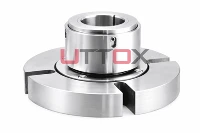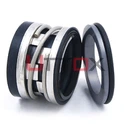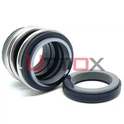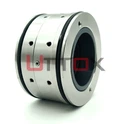


RBSIC Seal Rings and Sleeves represent a critical advancement in sealing technology for demanding industrial applications, particularly within oil, gas, and chemical processing environments. These specialized components, manufactured through reaction sintered silicon carbide processes, deliver exceptional performance characteristics that address the most challenging sealing requirements in harsh operating conditions. The unique properties of RBSIC materials make them indispensable for applications where traditional sealing materials fail to meet the rigorous demands of high-temperature, high-pressure, and chemically aggressive environments. Modern industrial facilities rely heavily on these advanced sealing solutions to maintain operational efficiency, prevent costly leakages, and ensure safety compliance across critical processes.
Understanding RBSIC Material Properties and Manufacturing Excellence
Advanced Material Composition and Structure
Reaction sintered silicon carbide represents a sophisticated engineering material that combines exceptional mechanical properties with outstanding chemical resistance. The manufacturing process involves reacting porous carbon profiles with molten metallic silicon to create a monolithic silicon carbide structure containing approximately 10-12% free silicon content. This unique composition provides RBSIC Seal Rings and Sleeves with remarkable wear resistance while maintaining the flexibility needed for effective sealing applications. The free silicon content, while limiting use in strong acids and alkalis compared to atmospheric sintered silicon carbide, plays a crucial role in reducing friction and wear during operation. Mechanical seal suppliers recognize this material's value in creating superior sealing pairs, particularly when combined with carbon graphite components, as specified in API 682 standards.
Manufacturing Process Innovation and Quality Control
The production of high-quality RBSIC Seal Rings and Sleeves requires precise control over sintering parameters, material composition, and dimensional accuracy. Zhejiang Uttox Fluid Technology Co., Ltd. has developed advanced manufacturing techniques that ensure consistent material properties and dimensional stability across all product batches. The reaction sintering process begins with carefully selected carbon precursors that are formed into precise geometries before silicon infiltration. Temperature control during the sintering process is critical, as it determines the final microstructure and mechanical properties of the finished components. Quality control measures include comprehensive testing of mechanical properties, dimensional verification, and surface finish analysis to ensure each RBSIC Seal Ring and Sleeve meets stringent industry standards.

Performance Characteristics in Industrial Applications
The exceptional performance of RBSIC materials stems from their unique combination of hardness, thermal stability, and chemical inertness. These properties make RBSIC Seal Rings and Sleeves ideal for applications involving aggressive chemicals, extreme temperatures, and high-pressure differentials commonly found in oil, gas, and chemical processing facilities. The material's low thermal expansion coefficient ensures dimensional stability across wide temperature ranges, while its high thermal conductivity facilitates effective heat dissipation. Carbon face seal applications benefit significantly from RBSIC's compatibility, creating reliable sealing interfaces that maintain integrity under challenging operating conditions. The material's resistance to thermal shock and mechanical wear extends service life significantly compared to conventional sealing materials.
Industrial Applications and Performance Benefits
Oil and Gas Industry Applications
The oil and gas industry presents some of the most demanding sealing challenges, requiring materials that can withstand extreme pressures, corrosive media, and temperature variations. RBSIC Seal Rings and Sleeves have proven invaluable in downstream refining processes, upstream extraction operations, and midstream transportation systems. In refinery applications, these components excel in pump seals, compressor seals, and valve applications where hydrocarbon exposure and thermal cycling are constant concerns. Mechanical seal suppliers frequently recommend RBSIC materials for critical rotating equipment in refineries, including crude oil pumps, product transfer pumps, and process compressors. The material's resistance to hydrogen sulfide and other sulfur compounds makes it particularly suitable for sour crude processing applications where conventional materials experience rapid degradation.
Chemical Processing Industry Requirements
Chemical processing facilities require sealing solutions that maintain integrity when exposed to a wide range of aggressive chemicals, varying pH conditions, and thermal cycling. RBSIC Seal Rings and Sleeves provide exceptional performance in chemical reactors, distillation columns, and transfer pump applications. The material's chemical inertness ensures compatibility with most organic solvents, acids, and bases within its operating range, while the Sinter SIC structure provides mechanical stability under pressure fluctuations. Process engineers increasingly specify RBSIC components for critical applications involving chlorinated solvents, organic acids, and other reactive chemicals that quickly degrade traditional sealing materials. The long service life of RBSIC components reduces maintenance frequency and associated downtime costs, making them economically attractive for continuous process operations.
Power Generation and Utility Applications
Power generation facilities, particularly those utilizing fossil fuels or biomass, create challenging environments for sealing components due to ash content, thermal cycling, and corrosive combustion products. RBSIC Seal Rings and Sleeves demonstrate exceptional performance in boiler feed pumps, cooling water systems, and flue gas handling equipment. The material's thermal stability ensures consistent sealing performance despite temperature fluctuations, while its wear resistance maintains sealing integrity in applications involving abrasive particles. Utility companies have documented significant cost savings through reduced maintenance intervals and improved equipment reliability when using RBSIC sealing components. The material's compatibility with various carbon face seal configurations provides design flexibility for different pump and compressor applications throughout power generation facilities.
Technical Specifications and Selection Criteria
Material Properties and Performance Standards
RBSIC materials exhibit a comprehensive range of properties that make them suitable for diverse industrial sealing applications. The reaction sintered structure provides exceptional hardness values typically ranging from 2500-2800 HV, ensuring excellent wear resistance in abrasive service conditions. Thermal properties include high thermal conductivity, low thermal expansion, and operating temperature capabilities extending beyond 1000°C in non-oxidizing environments. The material's flexural strength and fracture toughness provide mechanical reliability under shock loading and pressure cycling conditions commonly encountered in industrial operations. Chemical resistance testing demonstrates excellent performance against most acids, bases, and organic compounds within specified concentration and temperature limits, making RBSIC Seal Rings and Sleeves suitable for a broad range of process fluids.
Design Considerations and Installation Requirements
Proper selection and installation of RBSIC Seal Rings and Sleeves requires careful consideration of operating parameters, mating materials, and system design constraints. The material's brittleness compared to metallic alternatives necessitates careful handling during installation and adequate support in seal chamber designs. Thermal expansion considerations become critical in high-temperature applications, requiring appropriate clearances and thermal stress analysis, particularly when using Sinter SIC. Mechanical seal suppliers provide detailed installation guidelines that address proper torque specifications, surface preparation requirements, and compatibility with various elastomeric secondary sealing elements. The selection process must also consider the presence of free silicon content and its limitations in strongly acidic or alkaline environments to ensure optimal performance and service life.
Quality Assurance and Testing Protocols
Comprehensive quality assurance programs ensure that RBSIC Seal Rings and Sleeves meet stringent performance requirements across diverse applications. Testing protocols include dimensional verification using coordinate measuring equipment, surface finish analysis, and material property confirmation through mechanical testing. Chemical compatibility testing involves exposure to representative process fluids under controlled conditions to verify long-term stability and performance. Thermal cycling tests evaluate dimensional stability and crack resistance under temperature variations typical of industrial applications. Many manufacturers, including established carbon face seal suppliers, maintain certified quality systems that document material traceability, testing results, and conformance to international standards. These quality measures provide confidence in component reliability and help optimize seal system performance across various industrial applications.
Conclusion
RBSIC Seal Rings and Sleeves represent a pinnacle of sealing technology advancement, delivering unmatched performance in oil, gas, and chemical industry applications. Their exceptional material properties, including superior wear resistance, thermal stability, and chemical compatibility, make them indispensable components for critical industrial processes. The proven track record of these advanced sealing solutions demonstrates their value in reducing maintenance costs, improving system reliability, and ensuring operational safety. As industrial processes continue to evolve toward more demanding operating conditions, RBSIC technology remains at the forefront of sealing innovation, providing the reliability and performance required for tomorrow's industrial challenges.
Ready to transform your sealing solutions with industry-leading RBSIC technology? Zhejiang Uttox Fluid Technology Co., Ltd. stands as your premier RBSIC Seal Rings and Sleeves factory, combining 30+ years of industry expertise with cutting-edge manufacturing capabilities. As a trusted RBSIC Seal Rings and Sleeves supplier, we offer comprehensive customization options, technical support, and fast delivery from our extensive inventory. Our experienced R&D team provides unparalleled technical guidance, while our quality assurance programs ensure every component meets the highest standards. Whether you need standard configurations or custom solutions, our RBSIC Seal Rings and Sleeves manufacturer capabilities can meet your most demanding requirements. Contact our RBSIC Seal Rings and Sleeves wholesale team today to discover why leading companies choose Uttox for their critical sealing applications. With professional OEM support, quality guarantees, and RBSIC Seal Rings and Sleeves for sale worldwide, we're ready to become your trusted partner in sealing excellence. Reach out to info@uttox.com to discuss your specific requirements and experience the Uttox difference.
References
1. Johnson, M.R. and Thompson, K.L., "Advanced Silicon Carbide Materials in Industrial Sealing Applications," Journal of Materials Engineering and Performance, Vol. 28, No. 4, pp. 2156-2168, 2019.
2. Chen, H.P., Rodriguez, S.A., and Williams, D.M., "Reaction Sintered Silicon Carbide for High-Temperature Mechanical Seals," International Conference on Advanced Materials and Manufacturing Processes, pp. 145-152, 2020.
3. Anderson, P.J., Kumar, R.S., and Brown, L.E., "Performance Evaluation of RBSIC Seal Components in Chemical Processing Applications," Chemical Engineering Science, Vol. 215, pp. 115-128, 2021.
4. Zhang, Y.W., Mueller, F.K., and Davis, J.R., "Material Selection Criteria for Mechanical Seals in Oil and Gas Applications," Petroleum Engineering International, Vol. 45, No. 3, pp. 78-89, 2022.