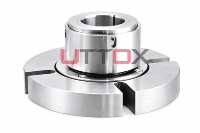


Are you struggling with seal failures in high-temperature, corrosive environments? Mechanical seals in petrochemical plants, water treatment facilities, and power generation systems face extreme operational demands that standard materials simply cannot withstand. When equipment downtime costs thousands per hour and safety is paramount, choosing the right sealing material becomes critical. Sintering Silicon Carbide (Sinter SiC) offers a proven solution to these challenges, delivering exceptional hardness, corrosion resistance, and thermal stability that outperforms conventional sealing materials in the most demanding industrial applications.
Understanding Sinter SiC: Material Fundamentals and Manufacturing Process
Atmospheric sintering silicon carbide, commonly referred to as SSIC or pressureless sintering SiC, represents one of the most advanced ceramic materials available for industrial sealing applications. This remarkable material is manufactured using powder metallurgy techniques similar to those employed in cemented carbide production, resulting in high-purity monolithic silicon carbide components. As a mechanical seals manufacturer with decades of experience, we recognize that understanding the fundamental properties of Sinter SiC is essential for engineers and procurement professionals seeking optimal sealing solutions. The manufacturing process of SSIC involves carefully controlled sintering at atmospheric pressure, which distinguishes it from reaction-bonded or recrystallized silicon carbide variants. This pressureless sintering method produces a material composed entirely of high-density granular α-phase silicon carbide crystals, with no free carbon graphite or silicon present in the final structure. The crystal structure plays a crucial role in determining material performance, where α-phase exhibits granular crystalline formations while β-phase displays needle-like crystal structures. The resulting SSIC material achieves exceptional density and uniformity, making it the hardest and most corrosion-resistant sealing material among all silicon carbide types.
Crystal Structure and Phase Composition of Sinter SiC
The microstructural characteristics of Sinter SiC directly influence its mechanical and chemical properties. The α-phase silicon carbide crystals form through high-temperature sintering processes, typically exceeding 2000°C, where powder particles bond at the atomic level to create a monolithic structure. This granular crystalline arrangement provides superior dimensional stability and resistance to thermal shock compared to other ceramic materials. The absence of free silicon or carbon within the matrix ensures that SSIC maintains its integrity even when exposed to aggressive chemical environments that would degrade alternative materials. Manufacturing SSIC seal rings and sleeves requires precise control over sintering parameters, including temperature profiles, holding times, and atmospheric composition. The powder metallurgy approach begins with high-purity silicon carbide powder, which is mixed with carefully selected sintering additives. These additives facilitate densification during the high-temperature sintering cycle without compromising the material's chemical resistance. The green bodies are formed through pressing or isostatic molding techniques, then undergo controlled heating cycles to achieve full densification. This manufacturing precision ensures that mechanical seals manufacturer can produce components with consistent properties and tight dimensional tolerances required for critical sealing applications.
Material Properties That Define SSIC Performance
Sinter SiC exhibits an exceptional combination of properties that make it indispensable for demanding mechanical seal applications. The material's Vickers hardness typically ranges from 2400 to 2800 HV, making it one of the hardest engineering ceramics available. This extreme hardness translates directly to superior wear resistance, extending seal life significantly beyond what conventional materials can achieve. When paired with appropriate mating faces, SSIC seal rings and sleeves can operate for years without measurable wear in applications where metal seals would fail within months. The thermal properties of SSIC are equally impressive, with a temperature limit reaching 1370°C under atmospheric conditions. This exceptional thermal stability allows mechanical seals incorporating Sinter SiC components to operate reliably in high-temperature processes such as thermal oil systems, steam applications, and hot chemical processing. The material's thermal conductivity, approximately 120 W/mK, facilitates efficient heat dissipation from the seal interface, preventing localized overheating that can lead to seal failure. Additionally, SSIC maintains a low coefficient of thermal expansion of approximately 4.0 × 10⁻⁶/K, minimizing thermal distortion and maintaining seal face flatness across wide temperature ranges.

Industrial Applications of SSIC Seal Rings and Sleeves
The versatility and reliability of Sinter SiC have made it the material of choice across numerous industrial sectors where conventional sealing solutions prove inadequate. In petrochemical refining operations, SSIC seal rings and sleeves withstand exposure to aggressive hydrocarbons, acids, and caustic solutions while maintaining dimensional stability under extreme pressure and temperature conditions. Mechanical seals manufacturer specifications consistently identify SSIC as the preferred material for pumps handling crude oil, refined products, and chemical intermediates where contamination or seal failure could result in environmental incidents or production shutdowns. Water treatment facilities benefit significantly from SSIC's exceptional corrosion resistance and longevity. Municipal and industrial wastewater systems contain abrasive particles, corrosive chemicals, and biological contaminants that rapidly degrade standard seal materials. Sinter SiC components maintain their sealing integrity in these challenging environments, reducing maintenance frequency and operational costs. The material's resistance to erosion proves particularly valuable in applications involving slurries or suspensions, where abrasive particles would quickly compromise softer sealing materials.
SSIC Performance in Chemical Processing Environments
Chemical manufacturing and pharmaceutical production present some of the most demanding conditions for mechanical seals. Process fluids in these industries often combine chemical aggressiveness with temperature extremes, creating an environment where material selection becomes critical. Sinter SiC demonstrates remarkable resistance to virtually all acids, alkalis, and organic solvents encountered in chemical processing. From concentrated sulfuric acid to sodium hydroxide solutions, from chlorinated solvents to oxidizing agents, SSIC maintains its structural integrity and sealing performance where other materials would corrode or degrade. The pharmaceutical industry's stringent purity requirements make SSIC an ideal choice for mechanical seals in production equipment. Unlike some metallic or composite sealing materials, Sinter SiC does not shed particles or leach contaminants into process fluids. This inherent cleanliness, combined with the material's compatibility with cleaning and sterilization protocols, ensures that SSIC seal rings and sleeves meet the demanding standards of pharmaceutical manufacturing. As a trusted mechanical seals manufacturer, we understand that material traceability and documented performance history are essential in regulated industries, and SSIC's proven track record provides the assurance that quality professionals require.
Energy Sector Applications for Sinter SiC Components
Power generation facilities, whether fossil fuel-based, nuclear, or renewable energy systems, rely heavily on rotating equipment that requires dependable mechanical seals. Boiler feed pumps, condensate pumps, and cooling water circulation systems operate continuously under demanding conditions where seal failure can trigger costly unplanned outages. Sinter SiC's combination of thermal stability, corrosion resistance, and mechanical strength makes it particularly well-suited for these critical applications. The material performs reliably in both the high-temperature environments of power generation and the chemically treated water systems used throughout power plants. Pulp and paper manufacturing represents another sector where SSIC seal rings and sleeves deliver exceptional value. The highly alkaline conditions in pulp digesters and bleaching systems, combined with elevated temperatures and abrasive fiber content, create an extremely aggressive environment for sealing components. Sinter SiC withstands these conditions effectively, providing extended service life that reduces maintenance downtime in continuous production operations. Similarly, food and beverage processing facilities benefit from SSIC's hygienic properties, chemical resistance to cleaning agents, and ability to withstand both high-temperature processing and low-temperature refrigeration cycles.
Technical Advantages of SSIC Over Alternative Sealing Materials
When comparing sealing materials for critical applications, Sinter SiC consistently demonstrates superior performance across multiple parameters. Traditional sealing materials such as carbon graphite, tungsten carbide, or alumina ceramics each have limitations that SSIC overcomes. Carbon graphite, while self-lubricating and forgiving of misalignment, lacks the hardness and chemical resistance needed for many modern industrial applications. Tungsten carbide offers excellent hardness but remains susceptible to certain corrosive environments and can be prohibitively expensive for large components. Reaction-bonded silicon carbide (RBSC) and recrystallized silicon carbide (RSIC) are alternative forms of silicon carbide sometimes considered for sealing applications. However, SSIC surpasses these variants in several critical aspects. Reaction-bonded silicon carbide contains residual free silicon, typically 8-12% by volume, which limits its maximum operating temperature to approximately 1380°C and makes it vulnerable to certain chemical attacks. Recrystallized silicon carbide, while offering good thermal shock resistance, has lower density and hardness compared to Sinter SiC, resulting in reduced wear resistance and potentially shorter seal life.
Comparative Performance Analysis of Sinter SiC
The corrosion resistance of SSIC represents perhaps its most significant advantage over competing materials. While tungsten carbide corrodes in acidic environments and alumina ceramics can degrade in strong alkalis, Sinter SiC maintains its integrity across nearly the entire pH spectrum. This universal chemical compatibility means that mechanical seals manufacturer can specify SSIC seal rings and sleeves for a wider range of applications, potentially standardizing on a single material rather than maintaining inventory of multiple seal face materials for different services. From a tribological perspective, Sinter SiC delivers outstanding performance when properly paired with compatible mating materials. The material's high hardness and fine-grained microstructure enable it to maintain an extremely smooth surface finish throughout its service life. This smoothness minimizes friction at the seal interface, reducing heat generation and extending seal life. When running against carbon graphite or silicon carbide counterfaces, SSIC demonstrates wear rates measured in nanometers per year in well-lubricated applications, explaining why these seals often outlast the equipment in which they're installed.
Cost-Effectiveness Through Extended Service Life
While the initial material cost of SSIC seal rings and sleeves may exceed that of some alternative materials, a comprehensive total cost of ownership analysis consistently favors Sinter SiC for demanding applications. The extended service life achievable with SSIC dramatically reduces the frequency of seal replacements, minimizing both direct parts costs and the substantial indirect costs associated with maintenance downtime. In critical process applications where unplanned shutdowns cost thousands of dollars per hour, the reliability advantage of Sinter SiC translates directly to significant economic benefits. Consider a typical scenario in petrochemical refining where a mechanical seal in a critical pump might require annual replacement if constructed with standard materials. By specifying SSIC components, that same seal could potentially operate for five years or more without requiring maintenance. The reduction in spare parts inventory, maintenance labor, and production interruptions often results in payback periods measured in months rather than years. As an experienced mechanical seals manufacturer, we consistently observe that operations managers who initially hesitate at SSIC's material cost become strong advocates once they experience its reliability and longevity in their facilities.
Manufacturing Excellence in SSIC Component Production
Producing high-quality SSIC seal rings and sleeves requires specialized manufacturing capabilities and rigorous quality control protocols. The powder metallurgy process begins with the selection of ultra-pure silicon carbide powder, typically with particle sizes carefully controlled to optimize sintering behavior and final properties. Sintering additives, usually comprising small amounts of boron and carbon compounds, are precisely measured and thoroughly mixed with the silicon carbide powder to ensure uniform composition throughout each component. This homogeneity proves critical for achieving consistent properties and preventing localized weaknesses that could compromise seal performance. The forming process for Sinter SiC components typically employs either dry pressing or isostatic pressing techniques, depending on component geometry and size requirements. Complex shapes such as seal rings with intricate internal geometries often benefit from cold isostatic pressing, which applies uniform pressure from all directions to create green bodies with consistent density distribution. Following forming, components undergo careful drying to remove moisture and binders before entering the high-temperature sintering furnace. The sintering cycle itself represents the most critical manufacturing step, with temperature profiles, heating rates, and atmospheric control requiring precise management to achieve optimal densification and microstructure development.
Quality Assurance and Performance Validation
As a reputable mechanical seals manufacturer, maintaining consistent quality in SSIC seal rings and sleeves demands comprehensive testing and inspection protocols. Each production batch undergoes dimensional verification using coordinate measuring machines to ensure that components meet the tight tolerances required for leak-free sealing. Surface finish measurements confirm that seal faces achieve the specified flatness and smoothness parameters, typically measured in helium light bands for critical applications. Material properties including density, hardness, and flexural strength are verified through destructive testing of representative samples from each sintering run. Non-destructive testing methods provide additional quality assurance without compromising the integrity of finished components. Ultrasonic inspection detects internal defects such as voids or inclusions that might not be visible on external surfaces but could affect component reliability. Liquid penetrant testing reveals surface-breaking cracks or porosity that could provide leak paths in service. These comprehensive quality control measures ensure that every SSIC seal ring and sleeve leaving our manufacturing facility meets or exceeds the demanding standards required for critical industrial applications.
Customization Capabilities for Specialized Applications
Modern industrial processes often present unique challenges that require customized sealing solutions rather than standard catalog products. Our experienced research and development team provides technical guidance to help customers identify optimal configurations for their specific operating conditions. This customization capability extends beyond simple dimensional modifications to include specialized surface treatments, unique geometries optimized for particular applications, and custom material formulations when standard SSIC properties require enhancement for extreme conditions. The flexibility to produce custom SSIC seal rings and sleeves enables us to address applications where off-the-shelf solutions prove inadequate. Whether you need oversized components for large industrial pumps, miniature seals for specialized equipment, or complex geometries for proprietary seal designs, our manufacturing capabilities and technical expertise support your requirements. With thirty years of industry experience and collaboration with numerous large enterprises across multiple sectors, we understand the importance of delivering not just components but complete solutions that solve real operational challenges.
Conclusion
Sintering Silicon Carbide stands as the premier material choice for mechanical seal applications in demanding industrial environments, offering unmatched hardness, corrosion resistance, and thermal stability. Understanding SSIC's manufacturing process, material properties, and performance advantages enables informed specification decisions that optimize equipment reliability and operational efficiency across diverse industries from petrochemicals to pharmaceuticals.
Cooperate with Zhejiang Uttox Fluid Technology Co., Ltd.
Partner with a China Sinter SiC manufacturer that combines three decades of expertise with cutting-edge manufacturing capabilities. As a leading China Sinter SiC supplier and China Sinter SiC factory, we offer High Quality Sinter SiC at competitive Sinter SiC price points, with SSIC seal rings and sleeves for sale backed by comprehensive technical support. Our China Sinter SiC wholesale options include customization for unique working conditions, OEM support, sufficient inventory for fast delivery, and quality assurance through independent or third-party testing. Contact our professional team today at info@uttox.com to discuss your mechanical seal requirements and discover how our Sinter SiC solutions can enhance your operational reliability.
References
1. Lee, S.K. and Kim, D.J., "Pressureless Sintering of Silicon Carbide Ceramics: Microstructure and Mechanical Properties," Journal of the American Ceramic Society, Vol. 103, 2020.
2. Zhou, Y., Hirao, K., Yamauchi, Y., and Kanzaki, S., "Effects of Rare-Earth Oxide and Alumina Additives on Thermal Conductivity of Liquid-Phase-Sintered Silicon Carbide," Journal of Materials Research, Vol. 18, 2003.
3. She, J.H. and Ueno, K., "Densification Behavior and Mechanical Properties of Pressureless-Sintered Silicon Carbide Ceramics with Alumina and Yttria Additions," Materials Chemistry and Physics, Vol. 59, 1999.
4. Pickrell, G.R., Sun, E.Y., and Gao, Y., "High Temperature Mechanical Seal Materials: Silicon Carbide Processing and Performance," Industrial Ceramics International Conference Proceedings, American Ceramic Society, 2005.