

Picture this: your critical pump system suddenly starts leaking, halting production and costing thousands in downtime. This nightmare scenario affects countless industrial facilities worldwide, and at the heart of most pump failures lies mechanical seal breakdown. The most common reasons for mechanical seal failures include: Improper Installation: Incorrect installation is one of the leading causes of seal failure. Poor installation practices, causing misalignment, can lead to premature wear and leakage. Contamination: The presence of abrasive or foreign particles significantly contributes to pump mechanical seal deterioration. Understanding these failure mechanisms is crucial for maintaining reliable operations across petroleum refining, water treatment, and chemical processing industries.


Understanding Pump Mechanical Seal Fundamentals
Basic Operating Principles of Mechanical Seals
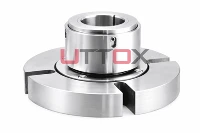
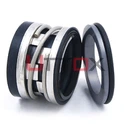
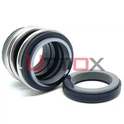
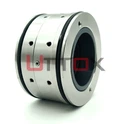
Pump mechanical seals serve as the critical barrier between the pumped medium and the atmosphere, preventing leakage while accommodating shaft rotation. These precision-engineered components consist of stationary and rotating elements that maintain contact through spring pressure and hydraulic forces. The seal faces, typically made from materials like carbon, ceramic, or tungsten carbide, must maintain perfect alignment to function effectively. When properly installed and maintained, pump mechanical seal systems can operate for years without failure, but any deviation from optimal conditions can trigger rapid deterioration. The fundamental challenge facing any pump mechanical seal lies in balancing competing requirements: maintaining sufficient contact pressure to prevent leakage while minimizing friction and heat generation. This delicate balance depends on proper lubrication, correct installation, and suitable material selection for the specific application. Understanding these principles helps operators recognize when conditions may compromise seal integrity and take preventive action before catastrophic failure occurs.
Primary Causes of Pump Mechanical Seal Failure
Improper Installation and Alignment Issues
Several problems can lead to mechanical seal failure, including dry running, improper installation, and chemical degradation, with installation errors being among the most preventable yet common causes. Misalignment between the pump shaft and seal components creates uneven wear patterns, excessive heat generation, and premature failure. When pump mechanical seal faces are not perfectly perpendicular to the shaft centerline, contact pressure becomes inconsistent, leading to hot spots and rapid deterioration of sealing surfaces. Installation errors often stem from insufficient training, inadequate tools, or rushed maintenance schedules. Common mistakes include incorrect torque specifications, damaged seal faces during handling, contamination introduction during assembly, and failure to verify proper clearances. Each of these errors can dramatically reduce pump mechanical seal service life from years to days or even hours. Proper installation requires specialized knowledge, precision tools, and adherence to manufacturer specifications, making it essential to invest in qualified personnel and appropriate equipment.
Contamination and Foreign Particle Intrusion
Contamination represents one of the most destructive forces affecting pump mechanical seal performance, capable of causing immediate and catastrophic failure. Abrasive particles suspended in the pumped medium act like grinding compound between seal faces, rapidly wearing away the precision-machined surfaces that maintain the seal's integrity. Even microscopic contaminants can initiate wear patterns that accelerate as operating time accumulates, eventually leading to complete seal breakdown and significant leakage. The sources of contamination are numerous and often difficult to control completely. External contamination may enter through inadequate filtration systems, damaged suction piping, or poor storage practices for the pumped medium. Internal contamination can result from corrosion products within the system, degraded gasket materials, or chemical reactions between incompatible substances. Pump mechanical seal manufacturers typically specify cleanliness requirements for their products, but maintaining these standards requires ongoing vigilance and appropriate system design considerations.
Environmental Factors Affecting Pump Mechanical Seal Performance
Temperature Extremes and Thermal Cycling
Temperature fluctuations pose significant challenges for pump mechanical seal reliability, as different materials expand and contract at varying rates, potentially disrupting the precise clearances required for proper operation. High-temperature applications cause thermal expansion that can lead to binding, excessive friction, and rapid wear of seal components. Conversely, low-temperature conditions may cause materials to become brittle, reducing their ability to accommodate normal operating movements and increasing the risk of cracking or fracturing. Thermal cycling, where temperatures vary repeatedly during operation, creates particularly challenging conditions for pump mechanical seal systems. Each heating and cooling cycle induces stress in seal materials, gradually weakening their structure and reducing service life. The pumped medium temperature directly affects the seal faces, while ambient conditions influence the stationary components, creating complex thermal gradients that must be considered during seal selection and system design.
Chemical Compatibility and Corrosion Effects
Chemical attack represents a insidious threat to pump mechanical seal integrity, often progressing slowly until sudden catastrophic failure occurs. Incompatible chemicals can degrade seal face materials, elastomers, and metal components, compromising their ability to maintain effective sealing. The complexity of modern industrial processes means that pump mechanical seal systems may encounter unexpected chemical combinations, pH variations, or contamination that wasn't considered during initial design phases. Corrosion effects extend beyond simple material degradation to include changes in surface finish, dimensional stability, and mechanical properties. What begins as minor surface roughening can progress to pitting, cracking, and eventual structural failure. Understanding chemical compatibility requires comprehensive knowledge of all substances that may contact the seal, including cleaning agents, process additives, and potential contamination sources that could alter the chemical environment unexpectedly.
Operational Issues Leading to Mechanical Seal Breakdown
Dry Running and Lubrication Problems
A mechanical seal might fail due to poor lubrication, or no lubrication at all. When there is no liquid around the seal it will be subjected to extreme conditions that can cause immediate and irreversible damage. Dry running occurs when the pump operates without adequate fluid at the seal faces, eliminating the thin lubricating film that normally separates the sealing surfaces. Without this lubrication, friction increases dramatically, generating excessive heat that can cause thermal shock, face cracking, and complete seal destruction within minutes. Lubrication problems in pump mechanical seal applications often result from cavitation, insufficient NPSH (Net Positive Suction Head), or air entrainment in the pumped medium. These conditions prevent the formation of stable lubricating films at the seal interface, leading to direct metal-to-metal contact and rapid wear. Prevention requires careful attention to pump operating parameters, proper system design to ensure adequate suction conditions, and monitoring systems that can detect problematic conditions before severe damage occurs.
Excessive Pressure and Hydraulic Imbalances
Pressure-related failures in pump mechanical seal systems often result from operating conditions that exceed design parameters or from hydraulic imbalances that create unstable sealing conditions. When system pressures exceed the seal's design limits, the closing force between seal faces increases beyond optimal levels, leading to excessive friction, heat generation, and accelerated wear. Conversely, insufficient pressure can prevent proper seal face contact, allowing leakage that progresses until complete seal failure occurs. Hydraulic imbalances within the seal chamber can create fluctuating pressures that cause seal faces to separate and re-engage repeatedly, a phenomenon known as face lifting. This intermittent contact pattern prevents the establishment of stable lubricating films and creates thermal cycling that fatigues seal materials. Proper seal selection must consider not only maximum operating pressure but also pressure variations, transient conditions, and the dynamic behavior of the entire pumping system.
Advanced Diagnostic Techniques for Pump Mechanical Seal Analysis
Vibration Monitoring and Analysis
Modern diagnostic techniques enable early detection of developing pump mechanical seal problems before they progress to catastrophic failure. Vibration analysis provides valuable insights into seal condition by identifying characteristic frequencies associated with various failure modes. Misalignment, unbalance, and bearing wear all produce distinct vibration signatures that can be monitored continuously or during scheduled maintenance intervals to assess pump mechanical seal health. Advanced vibration monitoring systems can detect subtle changes in operating patterns that indicate developing problems, allowing maintenance teams to schedule repairs during planned downtime rather than responding to emergency failures. The integration of wireless sensors and data analytics enables continuous monitoring of critical pump mechanical seal applications, providing early warning of deteriorating conditions and supporting predictive maintenance strategies that minimize both planned and unplanned downtime.
Thermal Imaging and Temperature Monitoring
Thermal imaging technology offers non-intrusive methods for assessing pump mechanical seal condition by detecting temperature variations that indicate developing problems. Excessive heat generation at the seal faces appears as hot spots in thermal images, providing early warning of lubrication problems, misalignment, or excessive friction. Regular thermal imaging surveys can establish baseline conditions and track changes over time, supporting data-driven maintenance decisions. Temperature monitoring systems can be integrated into pump mechanical seal designs to provide continuous surveillance of critical parameters. These systems can trigger alarms when temperatures exceed predetermined limits, enabling operators to take corrective action before seal damage occurs. The combination of thermal imaging and embedded temperature monitoring provides comprehensive coverage for critical applications where pump mechanical seal failure could have serious consequences.
Prevention Strategies and Best Practices
Proper Selection and Installation Procedures
Preventing pump mechanical seal failures begins with proper selection based on accurate understanding of operating conditions, including temperature, pressure, chemical compatibility, and dynamic requirements. Selection criteria must consider not only normal operating parameters but also potential upset conditions, cleaning procedures, and maintenance requirements. Working with experienced seal manufacturers and following established selection guidelines helps ensure that chosen seals can meet application demands throughout their intended service life. Installation procedures critically influence pump mechanical seal performance and longevity. Proper installation requires trained personnel, appropriate tools, and adherence to manufacturer specifications. Key installation considerations include surface preparation, proper torque values, alignment verification, and contamination control. Documentation of installation procedures and periodic training updates help ensure consistent quality and reduce the likelihood of installation-related failures.
Maintenance Protocols and Monitoring Systems
Effective maintenance protocols for pump mechanical seal applications combine routine inspections, condition monitoring, and preventive replacement strategies. Regular visual inspections can identify early signs of leakage, while more sophisticated monitoring techniques provide insights into seal performance trends. Establishing baseline operating parameters enables maintenance teams to recognize when conditions deviate from normal patterns, supporting proactive intervention before failures occur. Monitoring systems for critical pump mechanical seal applications may include vibration sensors, temperature monitoring, pressure measurement, and leakage detection systems. These technologies enable continuous assessment of seal condition and can provide automated alarms when predetermined limits are exceeded. The integration of monitoring data with maintenance management systems supports optimized maintenance scheduling and helps extend seal service life while maintaining system reliability.
Conclusion
Understanding the main causes of mechanical seal failure is essential for maintaining reliable pump operations across industrial applications. The most common reasons for mechanical seal failures include improper installation, contamination, dry running, and chemical degradation, with each cause requiring specific prevention strategies. Successful pump mechanical seal management combines proper selection, installation expertise, ongoing monitoring, and proactive maintenance to achieve optimal performance and extended service life.
Cooperate with Zhejiang Uttox Fluid Technology Co.,Ltd.
Zhejiang Uttox Fluid Technology Co.,Ltd., established in 1990, brings over 30 years of mechanical seal expertise to solve your most challenging sealing applications. As a trusted China pump mechanical seal manufacturer and China pump mechanical seal supplier, we provide high-quality pump mechanical seal solutions with competitive pricing. Our experienced R&D team offers technical guidance and customization for different working conditions, while our rich product variety serves petroleum refining, water treatment, pulp & paper, shipbuilding, food & beverage, pharmacy, and power plant industries. With sufficient inventory for fast delivery and professional technical support, we're your reliable China pump mechanical seal factory for all pump mechanical seal wholesale needs. Contact us at info@uttox.com for high quality pump mechanical seal solutions and competitive pump mechanical seal prices.
FAQ
Q: What percentage of pump failures are caused by mechanical seal problems?
A: Mechanical seal failures account for approximately 60-70% of all centrifugal pump failures, making them the leading cause of pump downtime.
Q: How long should a properly installed pump mechanical seal last?
A: Under optimal conditions, quality pump mechanical seals can operate for 2-8 years, depending on application severity and maintenance practices.
Q: Can contaminated fluid immediately damage a mechanical seal?
A: Yes, abrasive particles in contaminated fluid can cause rapid seal face wear, potentially leading to failure within hours or days of exposure.
Q: What is the most cost-effective way to prevent mechanical seal failures?
A: Proper installation by trained personnel and regular condition monitoring provide the best return on investment for preventing costly seal failures.
References
1. "Mechanical Seals: Design and Application" by Heinz P. Bloch and Fred K. Geitner, Engineering Technology Press
2. "Pump Handbook" by Igor J. Karassik, Joseph P. Messina, Paul Cooper, and Charles C. Heald, McGraw-Hill Professional
3. "Centrifugal Pump Clinic" by Igor J. Karassik, Marcel Dekker Inc.
4. "Mechanical Seal Practice for Improved Performance" by Heinz P. Bloch, Fairmont Press