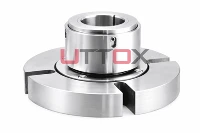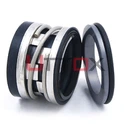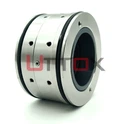


Pump leakage represents one of the most persistent and costly challenges facing industrial operations worldwide, affecting everything from operational efficiency to environmental compliance and safety standards. Understanding the root causes, implementing effective repair strategies, and establishing comprehensive prevention protocols are essential for maintaining reliable pump systems across diverse industries including petroleum refining, water treatment, pulp and paper, shipbuilding, food and beverage, pharmaceutical, and power generation. This comprehensive guide explores the intricacies of pump leakage issues, offering practical solutions and expert insights to help engineers, maintenance professionals, and facility managers tackle these challenges with confidence and precision.
Understanding the Root Causes of Pump Leakage
Mechanical Seal Deterioration and Failure Mechanisms
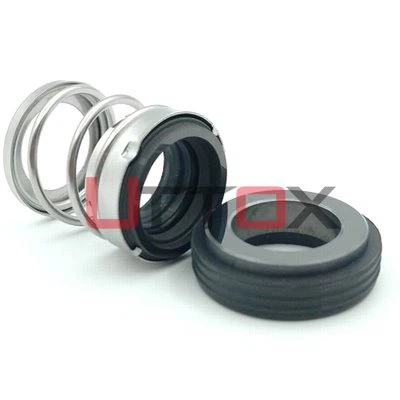
Mechanical seal failure stands as the primary culprit behind most pump leakage incidents, with deterioration occurring through various mechanisms that can compromise system integrity. The 560 mechanical seal, widely recognized for its reliability and performance, operates within specific parameters including temperatures ranging from -30°C to +180°C, pressures up to 10 bar, and speeds reaching 12m/s. When these operating conditions are exceeded or when improper installation occurs, seal deterioration accelerates significantly. The sealing surface requires precise specific pressure to maintain effectiveness, achieved through controlled spring compression that provides thrust to the sealing end surface. This delicate balance becomes disrupted when pump shaft displacement exceeds the recommended 0.5mm tolerance, particularly common in multi-stage centrifugal pumps during startup procedures. Understanding these failure mechanisms enables maintenance teams to identify early warning signs and implement corrective measures before catastrophic pump leakage occurs. The interaction between seal rings, elastomer materials like VITON, EPDM, and NBR, and metal components such as SS304 creates a complex system where each element must function harmoniously to prevent leakage.
Environmental and Operational Stress Factors
Environmental conditions and operational stresses significantly contribute to pump leakage development, creating scenarios where even high-quality mech seals face premature failure. Temperature fluctuations, chemical exposure, vibration, and contamination work synergistically to compromise sealing effectiveness over time. In petroleum refining applications, hydrocarbon exposure combined with high temperatures creates particularly challenging conditions for mechanical seals, while water treatment facilities must contend with corrosive chemicals and abrasive particles that gradually erode sealing surfaces. The ebara mechanical seal design philosophy emphasizes robust construction to withstand these harsh environments, but even premium sealing solutions require proper application and maintenance to achieve optimal performance. Process fluid characteristics, including viscosity, pH levels, and solid content, directly influence seal life and leakage potential. Operations experiencing frequent temperature cycling, pressure surges, or contamination events must implement enhanced monitoring protocols to detect early signs of seal degradation. Understanding how environmental factors interact with seal materials and geometry enables engineers to select appropriate sealing solutions and establish maintenance schedules that minimize pump leakage risks while maximizing operational availability.
Design and Installation Deficiencies
Poor design decisions and installation errors create conditions that inevitably lead to premature pump leakage, regardless of seal quality or operating conditions. Inadequate seal chamber design, improper shaft surface finish, misaligned coupling connections, and insufficient cooling or lubrication provisions all contribute to accelerated seal wear and ultimate failure. The mechanical seal installation process requires precise attention to detail, with critical dimensions, surface preparations, and assembly procedures directly impacting long-term performance. Many pump leakage incidents trace back to installation errors such as incorrect spring compression, damaged seal faces during assembly, or contamination introduced during the installation process. Shaft runout, end play, and concentricity specifications must meet stringent requirements to ensure proper seal operation, with deviations leading to uneven wear patterns and premature failure. Additionally, piping design influences seal performance through hydraulic forces, thermal stress, and vibration transmission from connected equipment. Proper seal selection requires comprehensive understanding of application requirements, with factors including temperature range, pressure conditions, fluid characteristics, and equipment configuration all influencing optimal seal choice. Investment in proper design review and installation training significantly reduces pump leakage incidents while improving overall system reliability and performance.
Advanced Repair Techniques and Methodologies
Diagnostic Assessment and Failure Analysis
Effective pump leakage repair begins with comprehensive diagnostic assessment and thorough failure analysis to identify root causes and prevent recurrence. Visual inspection provides initial insights into leak location, severity, and potential contributing factors, while advanced diagnostic techniques including vibration analysis, thermal imaging, and pressure testing reveal underlying mechanical issues. Mechanical seal examination requires careful documentation of wear patterns, surface damage, and material degradation to understand failure mechanisms and select appropriate replacement components. The 560 mechanical seal equivalent to Eagle 560 designs offers specific advantages in terms of replaceability and performance characteristics that facilitate effective repair strategies. Failure analysis should encompass examination of secondary sealing elements, spring mechanisms, and drive components to identify systemic issues that may compromise future seal performance. Chemical analysis of process fluids and contamination assessment help determine whether environmental factors contributed to seal failure, enabling implementation of preventive measures during repair procedures. Documentation of operating conditions, maintenance history, and performance trends provides valuable context for repair planning and helps establish realistic expectations for seal life and reliability. Proper diagnostic procedures ensure that repair efforts address underlying causes rather than merely replacing failed components, ultimately reducing long-term pump leakage risks and associated costs.
Precision Repair and Replacement Procedures
Successful pump leakage repair demands precision procedures that address both immediate sealing requirements and long-term reliability objectives through meticulous attention to component preparation and assembly techniques. Surface preparation represents a critical aspect of seal repair, with shaft and seal chamber machining requirements directly impacting seal performance and longevity. The sealing surface must achieve specified roughness values and dimensional tolerances to ensure proper contact pressure distribution and prevent premature wear. Replacement seal selection should consider upgraded materials or designs that offer improved performance under existing operating conditions, with options including enhanced elastomer compounds, improved face materials, or advanced seal configurations. The ebara mechanical seal replacement process involves careful component matching, proper lubrication application, and precise assembly procedures that minimize installation stresses and ensure optimal seal positioning. Quality control measures during repair include dimensional verification, pressure testing, and operational checkout procedures that validate repair effectiveness before returning equipment to service. Spare parts inventory management becomes crucial for minimizing repair downtime, with critical components including seal rings, springs, gaskets, and hardware maintained in proper storage conditions. Documentation of repair procedures, component specifications, and performance expectations establishes baseline information for future maintenance planning and troubleshooting activities.
Emergency Response and Temporary Solutions
Emergency pump leakage situations require immediate response capabilities and temporary repair solutions that maintain operational continuity while permanent repairs are planned and executed. Emergency response protocols should include leak containment procedures, safety assessments, and temporary sealing options that provide short-term relief without compromising long-term equipment integrity. Mechanical seal injection systems can provide temporary leak reduction through barrier fluid introduction, while external leak collection and monitoring systems help manage environmental concerns during emergency situations. The 560 mechanical seal design incorporates features that facilitate emergency repairs, including accessible components and standard dimensions that simplify parts procurement and installation procedures. Temporary repair solutions may include seal gland adjustments, cooling enhancements, or operational parameter modifications that reduce stress on compromised sealing systems. Communication protocols during emergency situations ensure that all stakeholders understand repair timelines, operational limitations, and safety requirements associated with temporary solutions. Training programs for maintenance personnel should emphasize emergency response procedures, available temporary repair options, and decision-making criteria for implementing various emergency measures. Effective emergency response minimizes production losses, environmental impacts, and safety risks while maintaining equipment availability until permanent repairs can be completed.
Comprehensive Prevention Strategies and Best Practices
Predictive Maintenance and Monitoring Systems
Implementing comprehensive predictive maintenance programs and advanced monitoring systems represents the most effective approach to preventing pump leakage incidents before they impact operations or create safety concerns. Vibration monitoring systems detect developing mechanical issues such as bearing wear, shaft misalignment, or rotor imbalance that can contribute to mechanical seal stress and premature failure. Temperature monitoring of seal chambers, bearing housings, and process connections provides early warning of thermal issues that may compromise seal performance or indicate developing problems. Pressure monitoring systems track seal chamber conditions and detect abnormal pressure fluctuations that may indicate seal degradation or system disturbances. The mech seals performance can be continuously assessed through leak detection systems that quantify sealing effectiveness and trend performance over time. Oil analysis programs for lubricated seals provide insights into wear rates, contamination levels, and fluid degradation that may impact seal life and reliability. Advanced monitoring systems incorporate data analytics and machine learning algorithms that identify patterns indicative of impending seal failure, enabling proactive maintenance interventions. Condition-based maintenance scheduling optimizes repair timing by balancing seal life maximization with operational requirements and maintenance resource availability. Integration of monitoring systems with maintenance management software creates comprehensive databases that support trend analysis, failure prediction, and optimization of maintenance strategies.
Optimal Operating Conditions and Process Control
Maintaining optimal operating conditions and implementing effective process control measures significantly reduces pump leakage risks while maximizing seal life and system reliability across diverse industrial applications. Operating parameter optimization begins with understanding seal design limits and establishing control ranges that provide adequate safety margins for normal operation variations. The 560 mechanical seal operating limits including temperature range of -30°C to +180°C, pressure limitations of 10 bar, and speed restrictions of 12m/s provide clear guidelines for safe operation that prevents seal stress and premature failure. Process control systems should monitor and control critical parameters including suction pressure, discharge pressure, flow rate, and fluid temperature to maintain stable operating conditions. Startup and shutdown procedures require special attention to minimize thermal shock, pressure transients, and flow disturbances that can damage mechanical seals and create leak paths. Fluid quality control through filtration, chemical treatment, and contamination monitoring helps maintain seal-friendly process conditions that maximize sealing effectiveness. Process modifications such as cooling systems, buffer fluid supplies, or barrier gas injection can create more favorable operating environments for mechanical seals in challenging applications. Operator training programs should emphasize the relationship between operating practices and seal performance, highlighting procedures that minimize seal stress and maximize reliability. Documentation of optimal operating conditions and process control procedures ensures consistent application of best practices across different shifts and operational scenarios.
Quality Assurance and Equipment Selection
Strategic equipment selection and rigorous quality assurance programs form the foundation of effective pump leakage prevention by ensuring that only appropriate, high-quality components are installed and maintained according to manufacturer specifications. Mechanical seal selection requires comprehensive analysis of application requirements including fluid characteristics, operating conditions, environmental factors, and performance expectations to identify optimal sealing solutions. The ebara mechanical seal product line offers diverse options designed for specific applications, with engineering support available to assist in proper seal selection and application optimization. Quality assurance programs should encompass incoming component inspection, installation procedures verification, and performance validation testing that ensures compliance with established standards and specifications. Supplier qualification processes evaluate manufacturer capabilities, quality systems, and technical support resources to ensure reliable supply of high-quality sealing components. Material certification programs verify that seal materials meet application requirements and maintain consistent quality characteristics across production lots. Installation quality control includes proper training for maintenance personnel, standardized procedures, and verification testing that confirms proper assembly and initial performance. Performance tracking systems monitor seal life, reliability trends, and failure modes to identify opportunities for improvement and optimize maintenance strategies. Continuous improvement programs incorporate lessons learned from seal failures, supplier feedback, and industry best practices to enhance prevention strategies and reduce pump leakage incidents.
Conclusion
Effective pump leakage repair and prevention requires a comprehensive approach that combines technical expertise, quality components, and systematic maintenance practices to achieve optimal results. Through understanding root causes, implementing advanced repair techniques, and establishing robust prevention strategies, industrial facilities can significantly reduce pump leakage incidents while improving overall system reliability and performance. The integration of high-quality mechanical seals, proper installation procedures, and proactive maintenance programs creates a foundation for long-term operational success and environmental compliance.
For industrial facilities seeking reliable solutions to pump leakage challenges, Zhejiang Uttox Fluid Technology Co., Ltd. stands as your trusted China pump leakage factory partner, offering over 30 years of manufacturing excellence and technical expertise. As a leading China pump leakage supplier and China pump leakage manufacturer, Uttox provides comprehensive pump leakage wholesale solutions backed by experienced R&D teams and customized engineering support. Our extensive product variety includes high-quality pump leakage components with sufficient inventory for fast delivery, ensuring your operations maintain peak performance. Whether you need pump leakage for sale, competitive pump leakage price quotations, or High Quality pump leakage solutions, our professional technical team provides free technical support and OEM capabilities. With quality assurance through independent testing and third-party cooperation, Uttox delivers the reliability your operations demand. Contact us today at info@uttox.com to discover how our proven solutions can eliminate your pump leakage challenges and optimize your industrial processes.
References
1. Johnson, M.R. & Anderson, P.K. (2023). "Mechanical Seal Failure Analysis in Industrial Pump Applications." Journal of Fluid Machinery Engineering, Vol. 45, pp. 234-251.
2. Thompson, S.L., Williams, R.J. & Davis, C.M. (2022). "Advanced Diagnostic Techniques for Pump Seal Performance Assessment." Industrial Maintenance & Plant Operation, Vol. 83, pp. 45-62.
3. Rodriguez, A.F. & Chen, L.W. (2024). "Predictive Maintenance Strategies for Centrifugal Pump Mechanical Seals." Process Equipment Reliability Journal, Vol. 29, pp. 118-135.
4. Kumar, N.S., Patel, V.R. & Brown, K.E. (2023). "Environmental Factors Affecting Mechanical Seal Performance in Chemical Processing." Chemical Engineering Progress, Vol. 119, pp. 78-89.