

One of the biggest threats to the functionality of 58U mechanical seal systems in industrial settings that is also one of the most underrated is thermal attack. When too much heat and sudden changes in temperature go beyond what the seal's thermal limit can handle, it can lead to catastrophic equipment failure, unexpected downtime, and major safety risks. Chemical processing, petrochemical refining, and other demanding industries use the 58U mechanical seal a lot. However, it is especially vulnerable to thermal damage because these systems are often put through hard conditions. Understanding how thermal attack hurts these precision-engineered parts and using tried-and-true ways to stop it can help procurement managers and plant engineers around the world protect continuous production, make seals last a lot longer, and lower the costs of upkeep.
Understanding Thermal Assault in 58U Mechanical Seals
When heat is generated or exposed to temperatures outside of the system, it's called thermal attack. This happens when the conditions make the seal materials and geometries less useful. For the 58U mechanical seal, this effect shows up in a number of ways that have a direct effect on how well it seals.
How Temperature Extremes Affect Seal Integrity?
When temperatures exceed 200°C (392°F), multiple degradation processes start simultaneously. Rubber O-rings lose flexibility, seal faces expand at different rates, and lubrication films break down, creating destructive friction and heat buildup. Sudden temperature changes during start-up or emergencies stress material interfaces. The O-ring pusher design can fail quickly when metal and elastomer expand at different rates under rapid thermal cycling.
Material Behavior Under Thermal Stress
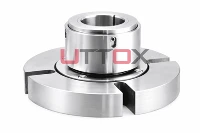
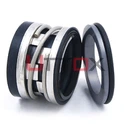
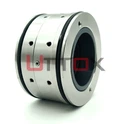
The UTTOX 58U seal combines stainless steel housing, ceramic or carbon faces, and rubber seals. Stainless steel transfers heat to temperature-sensitive elastomers. Ceramic faces resist wear but crack under thermal shock. Carbon faces dissipate heat well but oxidize faster at high temperatures. The multi-spring design spreads closing force widely, reducing localized pressure that worsens thermal damage during misalignment or distortion.
Common Thermal Failure Patterns
O-ring blistering indicates prolonged overheating beyond elastomer limits. Radial cracks from the seal face suggest thermal shock or dry running. Heat checking appears as fine cracks from repeated heating and cooling cycles. Face waviness or coning stops proper sealing contact. Maintenance teams spotting these patterns during regular checks can identify thermal assault before complete failure, preventing costly unplanned outages and safety incidents.
Root Causes and Mechanisms of Thermal Damage in 58U Mechanical Seals
Thermal decline isn't usually caused by just one thing. Instead, a number of operational and design factors work together to make conditions that are hotter than the closing parts can handle.
Operational Conditions That Generate Excessive Heat
Excessive shaft speed increases frictional heat. Speeds above 3,600 RPM raise face temperatures beyond safe limits, especially with poor cooling. Low-viscosity fluids lubricate poorly, increasing friction. High pressure near boiling point causes vapor flash at seal faces, removing lubricant film. Highly viscous fluids create drag and heat. Pressure changes can cause face separation, leading to intermittent dry running and cumulative thermal damage.
Installation Errors That Intensify Thermal Assault
Misalignment prevents parallel seal faces in an O-ring pusher mechanical seal, creating hot spots hundreds of degrees above bulk fluid temperature. Even minor misalignment within tolerance reduces thermal margin significantly. Incorrect bolt torque bends the seal chamber, causing uneven face loads on the O-ring pusher mechanical seal. Wrong shaft end play creates cyclic thermal stress. Installation damage like scratches or contamination disrupts the lubricating film, causing localized heat damage. Follow strict installation methods with proper tools for your O-ring pusher mechanical seal.
Maintenance Shortcomings and Material Selection Issues
Delayed seal replacement allows minor thermal degradation to become fatal failure. Elastomers degrade gradually from heat; skipping timely O-ring replacement leads to flexibility loss, face separation, and accelerated heat damage. Standard Buna-N handles only 120°C; Viton handles 200°C; FFKM handles 315°C. Wrong material choice causes early thermal failure. The 59U version with PTFE wedge offers better heat and chemical resistance than the 58U O-ring pusher design.
Effective Prevention Strategies to Mitigate Thermal Assault on 58U Seals
To keep thermal damage from happening, you need to pay close attention to the quality of the installation, the operating settings, the repair schedules, and the design optimization. These methods get to the root of the problem and improve heat resistance in a wide range of ways.
Installation Practices for Thermal Protection
Perfect alignment during installation prevents heat degradation. Using dial indicators to check shaft runout and seal face perpendicularity ensures even face contact, preventing heat buildup. Alignment within 0.002 inches TIR greatly reduces thermal stress compared to reasonable alignment. Clean and inspect before installation to avoid contamination. Verify seal faces have no scratches or embedded particles under magnification. Follow manufacturer torque recommendations to prevent distortion affecting alignment.
Proactive Maintenance and Monitoring Protocols
Condition-based maintenance detects thermal degradation early. Vibration monitoring reveals changes indicating thermal distortion. Temperature monitors near seal chambers provide evidence of excessive operating temperatures needing investigation. Regular visual inspections find elastomer hardening, discoloration, heat checking, or housing darkening from overheating. Document findings to track degradation trends. Ensure flush systems and cooling arrangements work properly. Regular flow rate and temperature checks maintain thermal margin.
Design Enhancements for High-Temperature Environments
Upgrading materials extends temperature range significantly. Replace standard elastomers with FFKM O-rings for high-temperature service. Replace ceramic faces with silicon carbide for better thermal shock resistance. Switch from 58U to 59U with PTFE wedge for superior chemical and heat resistance. API Plan 11 injects cool process fluid into seal chamber. Plan 23 circulates fluid through external cooler. Plan 32 uses external barrier fluid tank, isolating seal from process temperature changes.
Comparative Analysis: 58U Mechanical Seals vs Alternative Solutions Under Thermal Stress
When looking at sealing options for thermally demanding uses, equipment OEMs, plant engineers, and procurement specialists can benefit from knowing how the different technologies compare in terms of performance.
Performance Benchmarking Against Industry Standards
The 58U mechanical seal directly replaces John Crane Type 58U with similar performance at lower cost. Both use balanced sealing faces with spring-loaded dynamic sealing. Thermal performance depends on material choice and installation quality, not basic design differences. The 58U multi-spring design spreads closing force more evenly than single-spring designs, offering better thermal resistance during warping or misalignment. Component 58U needs more skill but allows individual part replacement.
Material Considerations for Thermal Resistance
Stainless steel body parts provide good thermal conductivity. Upgrading to Hastelloy or Alloy 20 improves corrosion resistance at high temperatures. Ceramic faces resist wear and maintain shape but crack under thermal shock. Silicon carbide conducts heat better than oxide ceramics. Carbon faces resist thermal shock with lower elastic stiffness but oxidize above 400°C. The 59U with PTFE wedge eliminates elastomer temperature limits for service above 250°C.
Cost-Effectiveness and Reliability Trade-offs
UTTOX 58U offers lower cost than high-end OEM designs with similar thermal performance when properly specified and installed. Maintenance savings from fewer failures often outweigh initial price differences. Component seal flexibility allows stocking separate faces, springs, and elastomers, optimizing inventory investment. Standardization across multiple pump applications simplifies spare parts availability. Supplier reliability ensures fast delivery during emergencies. Technical support prevents thermal failures and speeds recovery.
Procurement Insights for Buying 58U Mechanical Seals Suitable for Thermal-Intensive Applications
When looking for sealing options for harsh thermal conditions, B2B buyers should look at providers and goods based on long-term performance and value factors.
Critical Selection Criteria for Thermal Performance
For a 58U seal replacement, request material test reports confirming elastomer hardness, chemical compatibility, and temperature ratings. Seal face flatness certifications (helium light bands) show precision needed for high-temperature performance of the 58U seal replacement. DIN 24960 compliance ensures interchangeability for retrofits. API 682 compliant support systems provide confidence in secondary cooling. Warranty terms covering material flaws and workmanship show product commitment. Understand exclusions for installation errors or operation beyond limits for your 58U seal replacement.
Supplier Evaluation and Partnership Considerations
Suppliers with experience in chemical processing and power generation understand unique temperature challenges. Technical support including material selection assistance, installation training, and failure analysis adds value beyond product delivery. Suppliers with large stock fill urgent orders during unplanned outages, reducing costly downtime. Bulk buying programs lower costs and ensure order fulfillment during shortages. Long-term supply agreements stabilize pricing and improve service levels.
Return on Investment Analysis
When you figure out the total cost of ownership, you can see what quality closing options are really worth. When failure-related downtime, emergency repairs, and damage that follows are taken into account, the buying price of a 58U mechanical seal is only a small part of its lifetime costs. When assembly work and downtime are taken into account, a seal that costs 20% less but only lasts half as long actually raises the total cost by a large amount.
By increasing the mean time between failures (MTBF), lower failure rates save money that can be seen. If upgrading to better seals or materials increases service life from 18 months to 36 months, the facility essentially cuts in half the number of times seals need to be replaced. This saves money on repair work, spare parts, and production delays.
Maintenance costs go down over time because methods are made easier and fewer actions are needed. Seals that are made to be resistant to heat need to be checked and adjusted less often. Reliable performance cuts down on emergency calls and the high freight costs that come with needing to replace parts quickly.
In many businesses, the biggest part of ROI is making sure that production keeps going. If a seal fails without warning and the process stops for even a few hours, it can cost tens of thousands of dollars in missed production, off-spec product, and restart costs. Investing in thermally strong closing solutions that stop these problems pays off many times over in extra product cost.
Conclusion
Thermal attack is a big problem for the dependability of 58U mechanical seals in chemical processing, petroleum refining, and other tough industrial settings. By understanding how too much heat and sudden changes in temperature hurt seal parts by breaking down materials, distorting shapes, and speeding up wear, sourcing specialists and plant engineers can come up with effective ways to stop this from happening. Choosing the right materials, installing them correctly, keeping up with upkeep, and making sure the design is as good as it can be all improve thermal resilience. This makes things last longer and stops expensive fails. The UTTOX 58U and 59U mechanical seals are tried-and-true, low-cost options to high-end OEM designs. They offer similar thermal performance when properly defined for the application. B2B buyers can get sealing solutions that maximize lifetime value by lowering failure rates, improving operating reliability, and lowering maintenance costs by reviewing providers based on technical knowledge, product quality, and support capabilities rather than just price.

FAQ
1. How can we detect early signs of thermal damage in mechanical seals?
Changes in the elastomer that can be seen, like hardening, cracking, or turning from black to brown; unusual temperature rises in the seal chamber area that can be felt or seen with thermal imaging; more leakage or product that can be seen weeping past the seal; and higher vibrations or noise from the pump bearing area are all early signs of thermal damage. Keeping an eye on the temperature near the seal chambers and doing regular visual checks during maintenance breaks lets you find problems before they get really bad.
2. What maintenance schedule should we follow to prevent thermal failures?
Maintenance regularity depends on how hard the job is, but for thermally demanding situations, eye checks should be done every three months, elastomers should be replaced every year no matter how good they look, and problems should be looked into right away if the working conditions change or strange symptoms show up. Setting up condition-based tracking with temperature and vibration monitors lets maintenance choices be based on data, which stops problems and stops work that isn't needed. Keeping track of test results and trends in seal performance helps make the best schedules for each piece of equipment and its working conditions.
3. Should we choose ceramic or silicon carbide seal faces for high-temperature applications?
Silicon carbide usually works better than ceramics in uses that require a lot of heat. This is because it has better thermal conductivity, which means it gets rid of heat more quickly, and better resistance to thermal shock, which keeps it from cracking when temperatures change quickly. Ceramic faces are less expensive and work well in mild temperatures, but they are more likely to break when temperatures rise or change a lot. Buying silicon carbide sides is usually a good idea for uses that regularly reach temperatures above 150°C or go through fast temperature changes when starting up and stopping down.
Partner with Uttox for Thermal-Resilient 58U Mechanical Seal Solutions
We at Uttox have been designing and making mechanical seals for the world's toughest chemical and petroleum uses for more than 30 years. Our expert team knows a lot about how thermal attack works and can help you choose the right materials, make the best designs, and plan for regular maintenance to stop problems before they affect your operations. We keep a large stock of 58U mechanical seal setups and parts on hand to make sure you get them quickly when you need them, whether it's for routine maintenance or an emergency. Customers in more than 50 countries know that Uttox products are reliable and offer good value. They offer cheaper options to high-end OEM seals that don't lower performance or heat resistance. As a reliable 58U mechanical seal maker, we offer custom solutions that are perfect for your needs and are backed by quick expert support for the entire lifecycle of the product. Get in touch with our engineering team at info@uttox.com.
References
1. Lebeck, A.O. (1991). Principles and Design of Mechanical Face Seals. John Wiley & Sons, New York.
2. Mayer, E. (1977). Mechanical Seals: Design, Application, and Testing. Newnes-Butterworths, London.
3. Summers-Smith, J.D. (1992). Mechanical Seal Practice for Improved Performance. Mechanical Engineering Publications Limited, London.
4. American Petroleum Institute (2014). API Standard 682: Pumps-Shaft Sealing Systems for Centrifugal and Rotary Pumps, Fourth Edition. API Publishing Services, Washington DC.
5. Flitney, R.K. (2007). Seals and Sealing Handbook, Fifth Edition. Elsevier Advanced Technology, Oxford.
6. Nau, B.S. (1997). "Mechanical Seal Face Materials" Proceedings of the Institution of Mechanical Engineers, Part J: Journal of Engineering Tribology, 211(3), 165-183.