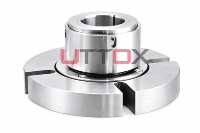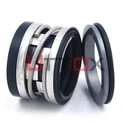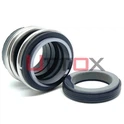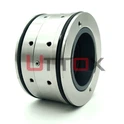


Selecting a dependable equivalent to the burgmann hj92n mechanical seal can significantly impact your operational efficiency and maintenance budget. The HJ92N design from EagleBurgmann has long served as a benchmark for balanced, wave-spring seals used in demanding chemical and petrochemical environments. When evaluating alternatives, procurement managers and engineers must consider technical specifications, material compatibility, supplier reliability, and long-term support. The UTTOX HJ92N mechanical seal emerges as a high-performance, cost-effective alternative that maintains full interchangeability with the original design while delivering stable sealing performance under high pressure and elevated temperatures.

Understanding the Burgmann HJ92N Mechanical Seal
For industrial pumping systems handling difficult media, the Burgmann HJ92N mechanical seal offers a specialised option. Its name comes from a strong engineering method that deals with common failure modes in tough working conditions.
Core Specifications and Design Features
The HJ92N works well at temperatures between -20°C and +220°C (-4°F to 428°F) and pressures up to 25 bar (363 PSI). When compared to unbalanced setups, the balanced multi-spring design lowers face load. This directly leads to longer seal life and higher durability. This seal can handle sliding speeds of up to 20 m/s (66 ft/s), which means it can be used with high-speed centrifugal pumps that are popular in chemical processing plants.
High-quality Silicon Carbide (SiC) or Tungsten Carbide faces are often mixed with FKM (Viton), EPDM, or FFKM elastomers to make material designs. These pairings are very good at resisting harmful, aggressive, and damaging media. When working with thick fluids or media that contains solids, the wave spring design gets rid of the clogging problems that come up with regular multi-spring seals.
Operational Principles and Performance Benchmarks
The HJ92N keeps fluid inside by having a carefully designed seal face contact that makes a stable liquid film even in dirty media. Its design meets DIN 24960 and EN 12756 standards, which means that it will work with products from different makers. The covered spring design keeps the media from touching it, which is especially helpful when fluids are crystallising or polymerising.
Under normal circumstances, there is almost no leakage (less than 3 drops per hour), which is in line with strict environmental rules. Because the seal doesn't depend on the direction of spin, it can be installed in a variety of ways and guards against reverse flow situations that can happen when the pump starts up or stops running.
Typical Industrial Applications
The type HJ92N mechanical seal works great in wastewater treatment plants where there is a lot of solids in the sludge. This design is used in chemical processing plants to handle toxic chemicals that would quickly break down other seals. The HJ92N is used in petrochemical refineries for tasks that involve hot hydrocarbons and changing temperatures. Food and beverage companies like how clean it is because it can be used to process thick products like dairy and syrups, where bacteria can't grow in empty spaces.
Maintenance Insights and Lifespan Expectations
In most chemical applications, the seal can last longer than 24 months if it is installed correctly and kept an eye on. Important upkeep tasks include checking the correct fitting length (L1k) against EN 12756 standards and making sure the stuffing box is the right size. Keeping an eye on changes in the pressure and temperature inside the seal chamber can help find wear patterns before they cause the whole thing to fail. Regular checks of supporting systems like flush plans, quench systems, and cooling arrangements have a direct effect on how long seals last.
Evaluating Burgmann HJ92N Equivalents: Key Criteria for Selection
To pick a trustworthy option, you need to carefully look at it from many angles. The goal is to match or beat the performance of the original tools while lowering the total cost of ownership.
Operating Conditions and Technical Requirements
First, write down your pump's working envelope, which includes its highest pressure, temperature range, media makeup, pH levels, and the presence of solids or abrasives. These situations must be handled flawlessly by the Burgmann HJ92N mechanical seal substitute. Chemical compatibility tests should show that the materials and elastomers used on the seal face won't break down when exposed to your media.
Limits for pressure and velocity (PV) show if a balanced or unbalanced design is right. The balanced design of the HJ92N works well in high-pressure situations where an unbalanced seal would cause too much face load and heat. Extreme temperatures require careful choice of rubber. FKM works well from -20°C to +200°C, while FFKM costs more but can handle temperatures up to +220°C.
Material Durability and Compliance Standards
The choice of face material has a direct effect on the life of the seal in settings that are rough or harsh. In most situations, Silicon Carbide (SiC) is very resistant to wear and doesn't react badly with chemicals. It costs more, but tungsten carbide is harder than other materials used in highly sharp slurries. When combined with SiC or Tungsten Carbide rotating rings, carbon faces are better for less demanding tasks and cost less.
Making sure that manufacturing is consistent means following ISO 9001 quality standards and API 682 rules. Checking that the dimensions meet EN 12756 standards makes sure that they will fit correctly in current pump stuffing boxes. Tests called Positive Material Identification (PMI) confirm that grades of stainless steel and carbide meet the requirements.
Cost-Effectiveness and Supply Chain Factors
The heavy duty seal for chemical pump HJ92N alternative should provide value that can be measured beyond the cost of purchase. Part of a total cost analysis is the expected life of the seal, the cost of maintenance labour, the cost of downtime, and the cost of keeping inventory. It is not a good deal for a seal that costs 30% less but needs to be replaced twice as often.
Response time for emergency substitutes is based on how deep the supplier's collection is. Long outages are avoided by lead times of less than 7 days for standard configurations. Discounts for buying in bulk and vendor-managed stocking programs can lower the cost of getting parts while still making sure they are available. Warranty terms of 12 to 24 months protect against risk during the first launch.
Burgmann HJ92N vs. Equivalent Mechanical Seals on the Market
Learning about the different options that are available helps hiring teams make smart choices. Several products on the market say they are compatible with the original HJ92N design.
UTTOX HJ92N: A Balanced Multi-Spring Alternative
The UTTOX HJ92N mechanical seal is a straight replacement for the EagleBurgmann original. It was designed to match all the important performance and size factors. The multi-spring structure is balanced, so it works well even in harsh environments like chemical and petroleum plants, where pressure is high and conditions are tough.
One of the main things that sets them apart is their stable stock supply, which lets them serve quickly and lowers the risk of downtime. Technical support that responds quickly helps with complicated setups. Even though they are cheaper than the original brands, they don't skimp on performance. The quality of the materials, the flatness of the faces, and the accuracy of the measurements all meet or exceed EN 12756 standards.
This HJ92N balanced mechanical seal works great when working rough media, because the reliability of the seal has a direct effect on plant safety and production consistency. The design allows for long-term, nonstop operation in places where a broken seal would cause expensive emergency shutdowns.
Cross-Brand Performance Comparisons
The John Crane Type 2100 is another wave-spring option that has the same pressure and temperature ratings. Design changes in the shape of the springs and how they load on the face can affect how often they need to be maintained and how they break. From what we've seen in the field, the HJ92N design works a little better in high-viscosity situations because the face geometry is better.
Flowserve RO cartridge covers make fitting easier because the cartridges are already put together. This method cuts down on mistakes during installation, but it costs 40–60% more than component seals most of the time. Cartridge designs may be worth the extra cost for high-stakes situations where fitting labour costs are high.
Because metal bellows seals don't use elastomers in the dynamic sealing area, they can handle temperatures up to +300°C. But bellows designs are more likely to be damaged by solids and wear, which means they aren't as good for handling the dirty media that the HJ92N does all the time.
Technology and Maintenance Trade-Offs
Maintenance is easier for wave spring designs like the HJ92N than for multi-spring designs. When springs need to be replaced, it only takes minutes instead of hours. The protected spring location keeps media from touching it, which eliminates clogging problems that require frequent disassembly in solids-handling applications.
Elastomeric secondary sealing needs to be checked on a regular basis but is very flexible and can handle changes in temperature and vibrations well. Changing the O-rings as part of regular maintenance keeps the system working well. Face flatness within two light bands (0.6 microns) makes sure that the seal works well across the whole working range.
Procurement Strategies for Burgmann HJ92N Equivalents
To get quality seals at reasonable prices, effective buying blends technical checking with business negotiations.
Supplier Authentication and Verification
Work with well-known networks of Burgmann HJ92N mechanical seal equivalent suppliers that keep their quality systems up to date. Ask for audit reports on your manufacturing facility and ISO 9001 certification. Checking for laser-etched batch numbers and material codes on metal parts is one way to make sure they are real.
Face flatness testing with optical flats and monochromatic light proves the accuracy of the production process. Before shipping, the seal's integrity is checked by subjecting it to static pressure at 1.5 times the maximum rated pressure. Testing the elastomer's Shore hardness makes sure that the O-rings meet the chemical resistance requirements for your use.
The right stuffing box fit is guaranteed by measuring the fitting length accurately against EN 12756 standards. Testing by PMI shows that the types of stainless steel and carbide meet the requirements. These quality control steps keep expensive field failures from happening because of parts that aren't up to par.
Negotiation and Ordering Optimization
Price cuts of 10 to 25 percent are possible with volume agreements, based on how much you use each year. Blanket purchase orders with planned releases keep the costs of keeping inventory in check and bulk discounts in mind. Vendor-managed inventory programs give sellers control over stock while making sure parts are always available.
It should be clear what kind of lead time is expected: 7 days for basic configurations and 21 days for unique material combinations. Surcharges for rush orders are usually between 15% and 30%, which may be worth it if it means keeping production going. Net 30 or Net 60 payment terms are better for cash flow than rules for early payment.
Technical Support and Warranty Management
Support after the sale is what sets trusted sellers apart from commodity vendors. Having access to application engineers can help you fix problems with installations and get the best flush plan setups. Maintenance staff training programs cut down on installation mistakes that cause 60% of seals to fail too soon.
Warranty terms of 12 to 24 months cover problems with the way the product was made. When problems happen, clear failure analysis methods find the root cause. This helps tell the difference between manufacturing problems and application mismatches or installation mistakes. This paperwork is necessary for warranty claims and efforts to keep getting better.
How to Ensure Long-Term Reliability with Burgmann HJ92N Equivalent Seals
Paying attention during installation, operation, and upkeep is necessary to get the most out of a seal's performance.
Installation Best Practices
Before installing the pump correctly, the stuffing box and shaft sleeve must be cleaned thoroughly. Rust, burrs, or dust on the seal faces can damage them during fitting. To keep the face from distorting and the bearings from wearing out too quickly, make sure the shaft runout stays within 0.002 inches TIR.
For high-pressure uses, the HJ92N seal needs to be precisely positioned along its axis. Carefully use depth gauges to measure the fitting length (L1k) to make sure the springs are compressed properly. When you don't squeeze something enough, it leaks, and when you do, it speeds up the wear. During installation, use clean seal flush fluid to keep the system from running dry during startup.
Authorised expert support from your provider can help you with complicated installations that have unusual layouts or difficult working conditions. Site visits by skilled techs keep mistakes from happening during the original deployment that cost a lot of money.
Proactive Maintenance and Monitoring
Scheduled repair times rely on how hard the equipment is used, but they are usually anywhere from every three months to once a year. Trends in vibration, seal chamber pressure, and bearing temperature should be tracked by monitoring programs. Sudden changes in these parameters show that problems are starting to form before a catastrophic failure happens.
Advanced tracking methods include pressure monitors in the seal chamber that can tell when the face is wearing down by noticing more leakage. Temperature monitors on the seal gland let you know if there are problems with the cooling system or if the face heat generation is too high. Vibration analysis can find problems with shaft alignment or worn bearings that can damage seals.
As part of regular maintenance, clean pipes, cyclone separators, heat exchangers, and quench systems are all checked. These support systems have a direct effect on the life of the seal. Abrasive particles can't get into seal faces when the filter is flushed. Cleaning the heat exchanger keeps the temperature control in the seal chamber working right.
Case Studies and Operational Benefits
A plant on the Gulf Coast switched 45 process pumps that handle hot crude oil from original equipment seals to UTTOX HJ92N replacements. In 18 months, the average time between fails went up by 22%, while the cost of buying things went down by 28%. When reliability went up and costs went down, the repair fund was freed up to work on other important projects.
A chemical plant that works with acids that break down metals found that UTTOX versions had 15% longer seal life than other third-party options. Face wear rates were lowered by consistent material quality and tight production limits. Performance got better with the help of technical support during installation optimisation.
Conclusion
Technical specifications, material compatibility, and supplier capabilities must all be carefully considered when choosing a dependable Burgmann HJ92N mechanical seal equivalent. The UTTOX HJ92N is a tried-and-true alternative that keeps all interchangeability while saving money and making sure there is a steady supply. The success of procurement relies on carefully screening suppliers, being clear about the terms of use, and following the right steps for installation and maintenance. When companies take the time to qualify their suppliers and make sure their products work properly, they get big benefits like less downtime, lower servicing costs, and safer operations. Quality alternatives are a smart choice for industrial facilities that want to improve the performance of their sealing systems because they are both technically excellent and cost-effective.
FAQ
1.Can UTTOX HJ92N seals be used instead of the original EagleBurgmann HJ92N units?
Yes, UTTOX HJ92N mechanical seals meet the dimensions required by EN 12756. This means they can be directly replaced with original equipment. All important measurements-installation length, seal face width, and spring geometry-are the same as they were in the original design. Material choices are similar to standard configurations, so a drop-in replacement can be made without changing the pump.
2.How can I be sure that similar marks are real?
Real quality seals have batch numbers and material codes laser-etched into metal parts. Ask for material test papers that show measures of the face hardness, flatness, and elastomer Shore hardness. Suppliers with a good reputation give these as standard. When looked at closely, precision cutting should show up as clean edges and even ends.
3.What lead times should I expect for standard and custom configurations?
Standard combinations of materials usually ship within 5 to 7 business days from reputable suppliers who have enough stock. Custom configurations that need non-standard elastomers or unusual face materials may take 3–4 weeks to make. When you plan ahead for regular repair, you can avoid rush fees and make sure that parts are available.
Partner with Uttox for Reliable Burgmann HJ92N Mechanical Seal Solutions
Uttox has been making mechanical seals for more than 30 years and can help you with your important pumping applications. Our engineering team gives full technical advice to make sure that the right seal is chosen and installed correctly. The UTTOX HJ92N mechanical valve has been shown to work well as a cheaper option that doesn't lower safety or reliability standards.
As a well-known supplier of Burgmann HJ92N mechanical seals, we keep a large inventory to meet your fast delivery needs and reduce the risk of downtime. Every seal we make meets the requirements set by EN 12756 through our quality control methods, which include checking the face flatness, verifying the material, and inspecting the dimensions. Custom configurations are used to deal with the specific working conditions in chemical, petrochemical, and industrial processing settings.
We encourage procurement managers, plant engineers, and support staff to get in touch with our technical team for advice that is tailored to their unique needs. Send an email to info@uttox.com to talk about your sealing problems and get detailed technical proposals. You can see all of our products and get detailed information by going to www.uttox.com. Our helpful after-sales service makes sure you're successful throughout the lifecycle of the seal.
References
1. Smith, J.R. (2021). Mechanical Seal Technology and Selection for Chemical Processing. Industrial Press Publishing.
2. European Committee for Standardization (2018). EN 12756: Mechanical Seals - Principal Dimensions, Designation and Material Codes. CEN Publications.
3. Anderson, K.L. & Martinez, P.D. (2020). "Comparative Performance Analysis of Wave Spring and Multi-Spring Mechanical Seals in Abrasive Service." Journal of Industrial Sealing Technology, 45(3), 127-145.
4. Technical Committee ISO/TC 115 (2019). ISO 21049: Pumps - Shaft Sealing Systems for Centrifugal and Rotary Pumps. International Organization for Standardization.
5. Williams, R.T. (2022). Reliability-Centered Maintenance for Rotating Equipment: A Practical Guide for Engineers. McGraw-Hill Professional.
6. Burgmann Industries (2020). Application Guidelines for Type HJ92N Mechanical Seals in Chemical Process Pumps. Technical Manual Series, Volume 8.