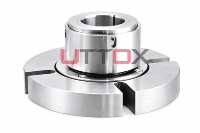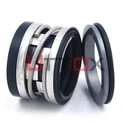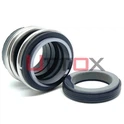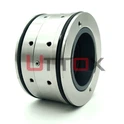


The answer always comes from the same design category whenever equipment engineers seek the optimum sealing option for agitators without flush systems. The seccomix dry running agitator mechanical seal handles vacuum conditions as low as full vacuum and pressures up to 6 bar(g). It works throughout a temperature range of -20°C to 200°C without any barrier fluid and fits directly onto existing shaft interfaces. This kind of seal has become a typical reference point for engineers requiring contamination-free, flush-free agitator sealing in batch process industries, from pharmaceutical reactors to food-grade mixing containers and skid-mounted chemical units.
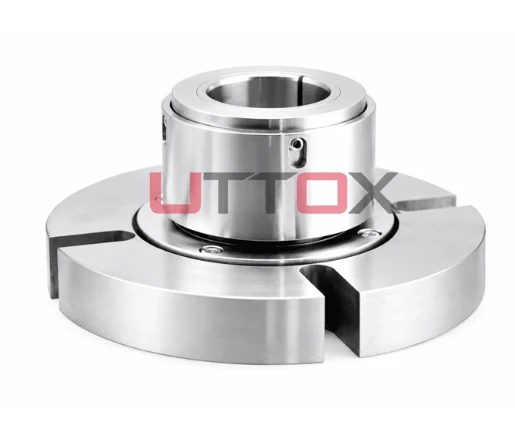
Understanding SeccoMix Dry Running Agitator Mechanical Seals
Before looking at where these seals are used, it helps to understand what makes a dry-running agitator seal different from a standard pump seal-and why the distinction matters in procurement decisions.
What "Dry Running" Actually Means for Agitator Seals
A dry-running seal operates without liquid lubrication between the seal faces. Instead of relying on a barrier fluid or process liquid film, the faces-typically FDA-approved carbon graphite against silicon carbide (SiC)-generate minimal heat through controlled contact geometry and passive air circulation. The Uttox SeccoMix dry-running agitator mechanical seal uses an internal air cooling path to dissipate frictional heat, preventing face overheating and the squealing noise that technicians associate with dry-running failures on conventional seals.
Design Architecture: Balanced Outboard Semi-Cartridge
The seal is classified as a balanced outboard semi-cartridge type. "Balanced" means the hydraulic closing force across the seal face is engineered to stay within a controlled ratio, which reduces face loading and wear rate. "Outboard" means all springs sit on the atmosphere side, isolated from process media-so viscous, crystallizing, or sticky batch materials never contact the spring mechanism. The semi-cartridge format allows plug-and-play installation, which cuts replacement time significantly compared to component-style seals.
Material Selection and Compliance Credentials
The standard wetted materials are FDA-approved carbon graphite for the main seal face, SiC for the mating seat, and 316L stainless steel for the housing. Secondary seals are offered in FKM, EPDM, or PTFE to meet chemical compatibility requirements. The seal has FDA food contact compliance, ATEX Zone 0 explosion-proof certification, and TA-Luft low-emission compliance – sets of documentation that procurement teams in the pharmaceutical, food and chemical sectors frequently seek before signing off on a new seal provider.
Top Industrial Applications of SeccoMix Dry Running Agitator Mechanical Seals
The operating parameters-vacuum to 6 bar(g), -20°C to 200°C (250°C with optional cooling flange), shaft diameters from 25 to 160 mm, and sliding speed up to 2 m/s-map directly onto the equipment types most commonly found in batch processing plants.
Pharmaceutical Reactors and Vacuum Dryers
Pharmaceutical drug synthesis, vaccine manufacture, and high-purity API processing have one thing in common: the complete absence of any sealing fluid contamination. Many cGMP facilities choose to avoid the pipe complexity and possible contamination route introduced by Plan 52/53 barrier fluid systems. The dry running agitator seal eliminates the barrier fluid altogether. The design has a visible wear indicator, allowing maintenance crews to monitor seal life without opening the vessel and allowing predictive maintenance records in compliance with GMP. For mobile reactor skids that will be transported between clean rooms, the lack of auxiliary plumbing is not only a desirable feature, but a practical need.
Food and Beverage Mixing Equipment
Food-grade mixing tanks, vacuum cookers, and blending vessels operate under similar logic: any seal fluid that contacts the product batch creates a contamination event and a potential recall. FDA-compliant carbon graphite and SiC faces mean every wetted surface meets food contact material standards. The SeccoMix 1 model, designed for top-entry agitators, fits the most common tank geometry in food production. Batch processors handling viscous products-chocolate, dairy concentrates, sugar syrups-benefit from the atmosphere-side multi-spring structure, which prevents product ingress into the spring cavity even when thick media climbs the shaft.
Chemical and Fine Chemical Batch Production
Batch reactors in fine chemical and specialty chemical plants frequently handle slightly abrasive slurries, crystallizing solutions, or solvents that attack conventional seal materials. Here are the core operating characteristics that make dry running seals a sound choice in these environments:
The SiC seat resists abrasive wear significantly better than softer face materials, maintaining face flatness over extended batch cycles.
The friction-locked shaft drive tolerates the radial runout and axial displacement typical of long-shaft agitators in tall reactors, without transferring bending loads to the seal faces.
ATEX Zone 0 certification covers the most demanding explosive atmosphere classification, allowing the seal to be specified for solvent reactors without requiring a separate hazardous area assessment.
These three characteristics together reduce the risk of unplanned seal failure during a batch run-an event that typically means scrapping the entire batch and losing hours of production time.
Skid-Mounted and Mobile Process Vessels
Skid-mounted units and mobile process tanks present a specific piping constraint: there is no fixed utility connection available for Plan 52 or Plan 53 flush systems. Any seal requiring a pressurized barrier fluid reservoir becomes impractical the moment the skid moves to a different bay or a mobile tank is dispatched to a different facility. The dry running agitator mechanical seal is self-contained by design. No external fluid supply, no reservoir pressure monitoring, no flush line connections-the seal is ready to run as soon as the shaft coupling is installed.
Horizontal Vacuum Dryers
The SeccoMix R model addresses a different geometry: side-entry and bottom-entry shaft positions found in paddle dryers, ploughshare dryers, and horizontal kneaders. These machines dry solvent-wet or water-wet powder in a rotating horizontal shell under vacuum. The SeccoMix R operates as a dual-end seal with nitrogen pressurization capability, providing a positive pressure barrier between the process space and atmosphere. This prevents solvent vapor migration outward and atmospheric moisture ingress inward-both of which compromise product quality in pharmaceutical drying operations.
Comparing SeccoMix Seals with Alternative Solutions
Engineers evaluating dry running agitator seals typically compare three categories: conventional wet seals, original equipment manufacturer (OEM) seals, and independently manufactured equivalents.
Dry Running vs. Conventional Wet Seals
Conventional liquid-lubricated mechanical seals require a continuous supply of clean barrier or flush fluid. In batch processes with frequent product changeovers, cleaning the barrier fluid system between batches adds time and operating cost. Dry running seals eliminate this step entirely. The trade-off is that dry running seals are more sensitive to face material selection and thermal balance-a standard wet seal design cannot simply be run dry. Purpose-built dry running designs, with their specific carbon-SiC face combinations and passive cooling geometry, are engineered specifically for this operating mode.
OEM Seals vs. Independently Manufactured Equivalents
The standard reference for this seal category is the EagleBurgmann SeccoMix series. OEM parts usually cost 30-50% more than independently produced alternatives and, from European stock, sometimes have wait times of several weeks. Uttox offers a 100% dimensional drop-in equivalent – same shaft diameter range (25- 160 mm, including inch sizes from 1.000 to 6.250 inches), same installation environment and identical operating conditions – at a much reduced unit cost and with faster delivery cycles. The BOM cost reduction is significant for OEM equipment makers manufacturing 100- 2,000 seal sets per year. The precondition is that the alternative provider produces genuine certification documentation, not simply assertions on the Internet. Before completing any specification, buyers should ask for the ATEX certificate number and the name of the Notified Body.
Procurement Factors: What to Verify Before Ordering
Selecting between suppliers goes beyond comparing data sheets. The following factors consistently appear in technical qualification processes for dry running agitator seals:
Dimensional verification: Request a certified drawing showing shaft bore tolerance, gland flange bolt circle, and face-to-face dimension against the original seal drawing.
Certification traceability for Dry Running Agitator Mechanical Seal: For ATEX Zone 0 and TA-Luft, ask for the certificate number and issuing body-not a general compliance statement. Material traceability: FDA compliance for carbon graphite and SiC should be supported by material declarations with batch traceability, not a generic datasheet reference.
Sample and lead time commitment: A supplier capable of delivering prototype samples within two to three weeks and production units within four to six weeks demonstrates the supply chain depth needed for ongoing OEM programs.
These points reflect standard due diligence that engineering and procurement teams apply when qualifying a new seal source for multi-year equipment programs.
Maintenance, Troubleshooting, and Installation Guide
Dry running agitator seals are mechanically simpler than dual wet seals, but they still require correct installation and periodic inspection to deliver their rated service life.
Installation Checklist
Before fitting, verify shaft runout at the seal location is within the tolerance stated on the seal drawing-typically 0.05–0.10 mm total indicator reading for this seal class. Clean the shaft carefully in the seal contact zone; scoring or corrosion pits at this location cause secondary seal leakage from the first start. Torque gland bolts evenly in a cross pattern to the specified value. Do not use the gland bolts to draw the seal into position against resistance-investigate the cause of any binding before proceeding.
Reading the Wear Indicator
The built-in visual wear indicator shows remaining face travel as a reference mark on the seal body. Check this mark at each scheduled inspection interval. When the mark reaches the wear limit, plan the seal replacement during the next scheduled maintenance window-do not wait for a failure. This approach converts an unpredictable failure event into a planned maintenance task, which is the practical definition of predictive maintenance in a production environment.
Common Fault Diagnosis
Audible noise during initial startup often indicates contamination on the seal faces from installation. In most cases, running the agitator at low speed for several minutes clears the faces. Persistent noise after the break-in period points to thermal distress, which typically means the passive air cooling path is obstructed. Visible leakage at the gland face indicates a secondary seal issue-check the O-ring or PTFE wedge condition and verify that the gland is correctly aligned with the shaft centerline.
Conclusion
The SeccoMix dry running agitator mechanical seal addresses a specific and common problem in batch process industries: how to seal a rotating agitator shaft reliably when flush fluid is either prohibited by process requirements or physically impossible to connect. The combination of FDA-compliant materials, ATEX Zone 0 certification, passive air cooling, and a dimensional footprint that matches the established OEM reference makes this seal a practical specification choice for pharmaceutical, food, chemical, and skid-mounted applications. For equipment manufacturers and plant engineering teams evaluating seal options, the decision criteria are clear-verify dimensions, verify certifications, and confirm supply continuity.
FAQ
1. Can a SeccoMix dry running agitator mechanical seal replace an existing wet seal on the same agitator?
Not directly. Dry running seals require a different gland geometry and face material combination. If the original installation used a wet seal, consult with the seal supplier to confirm whether the gland flange dimensions are compatible before ordering.
2. What shaft diameter range does the Uttox SeccoMix equivalent cover?
The Uttox equivalent covers shaft diameters from 25 mm to 160 mm, including inch sizes from 1.000 to 6.250 inches, matching the installation dimensions of the original EagleBurgmann SeccoMix series.
3. Is the SeccoMix dry-running agitator mechanical seal suitable for vacuum applications?
Yes. The operating range extends from full vacuum to 6 bar(g), which covers the pressure conditions found in vacuum dryers, vacuum reactors, and vacuum kneaders.
4. What certifications should I request from the supplier before approving a new source?
Request the ATEX Zone 0 certificate with the certificate number and Notified Body name, the FDA material declaration with batch traceability, and the TA-Luft test report. A website statement alone is not sufficient for GMP or ATEX audits.
5. How does the visual wear indicator support maintenance planning?
The indicator mark on the seal body shows remaining face travel at a glance. Maintenance teams can read the wear status during routine inspections without disassembling the seal, allowing replacement to be scheduled during planned downtime rather than after an unplanned failure.
Get a Direct Quote from Uttox - SeccoMix Dry Running Agitator Mechanical Seal Supplier
Uttox has manufactured mechanical seals since 1990 and currently supplies customers in over 50 countries. Our engineering team responds to technical inquiries with dimensional drawings and material declarations within one business day. Whether you need a drop-in SeccoMix dry running agitator mechanical seal for a single qualification test or a standing order program for annual volumes of 100–2,000 units, contact us at info@uttox.com to submit your shaft diameter, working pressure, temperature, and media details. We will match your specification and provide a documented quotation.
References
1. European Sealing Association. Sealing Technology for Rotating Equipment: Best Practices and Material Selection. ESA Publications, 2021.
2. Müller, N., & Schmidt, R. Mechanical Seals for Agitators and Mixers: Design Principles and Industrial Applications. Chemical Engineering Progress, 2019.
3. American Institute of Chemical Engineers. Process Equipment Reliability and Maintenance Handbook. AIChE Press, 2020.
4. ASTM International. ASTM F2132: Standard Specification for Carbon and Graphite Mechanical Seal Faces. ASTM International, 2022.
5. ATEX Manufacturers Group. Guide to ATEX Certification for Rotating Shaft Sealing Equipment. AMG Technical Series, 2020.
6. Food and Drug Administration. Guidance for Industry: Equipment Used in the Production of FDA-Regulated Products - Material Compliance Requirements. FDA Center for Drug Evaluation and Research, 2021.