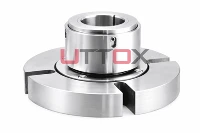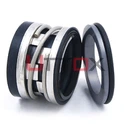


Engineers and procurement managers often have to choose between a Type 1 mechanical seal and a Type 21 seal when equipment is leaking or seals need to be replaced. Which one they choose can often make the difference between operations running smoothly or having to deal with costly downtime. The Type 1 mechanical seal has a single-spring rubber bellows design that makes it easy to use and reliable for water and general industrial pumps. Type 21 seals, on the other hand, have balanced dual-spring designs that can handle stronger fluids and higher pressures. By knowing about these changes in design, you can match seal technology to your facility's working conditions, equipment needs, and budget, making sure that all of the seals work perfectly.

Understanding Type 1 and Type 21 Mechanical Seals: Core Design Features
The main difference between these types of seals is how they are built and where they are meant to be used. By knowing these basic traits, buying teams can figure out which seal design works best for their pumps and the needs of their operations.
What Makes a Type 1 Mechanical Seal Unique?
A Type 1 mechanical seal uses a single coil spring and rubber bellows providing both strength and axial flexibility. The simple design creates a reliable barrier between rotating and stationary parts in centrifugal pumps, mixers, and fans. The rubber bellows handles shaft misalignment and axial movement up to ±0.5mm runout. Seal faces combine carbon versus ceramic or silicon carbide, working reliably from -20°C to 120°C in water, light chemicals, and oil applications.
Type 21 Seal Architecture and Engineering Advantages
Type 21 seals feature balanced designs that reduce hydraulic closing forces, enabling higher speeds and pressures. Dual springs distribute load evenly around the seal circumference, preventing face distortion. Advanced materials like tungsten carbide and silicon carbide handle abrasive slurries and aggressive chemicals. Balanced construction lowers heat generation at seal faces, allowing continuous operation in chemical plants and refineries. These seals handle pressures up to 20 bar and shaft speeds exceeding 3,600 RPM.
Comparative Material and Construction Analysis
John Crane type 1 seals use nitrile or EPDM rubber bellows with 316 stainless steel springs, suitable for most industrial settings but vulnerable to salt corrosion. Type 21 seals employ Hastelloy or Inconel springs with ceramic or tungsten carbide faces for abrasive particles. Secondary sealing elements of a John Crane type 1 seal use PTFE or graphite instead of elastomers, maintaining integrity across wider temperatures. Type 21 seals suit critical applications where failure could cause emergency shutdowns or environmental releases.
Selection Criteria for Type 1 vs Type 21 Mechanical Seals
To pick the right seal type, you need to carefully look at your facility's working conditions, fluid properties, and repair options. The following factors help procurement choices find the best deal at the lowest cost.
Operating Conditions and Fluid Characteristics
Type 1 seals handle -20°C to 120°C and pressures up to 10 bar for water pumps, HVAC, and light chemical transfer. When temperatures approach 200°C or pressures exceed 12 bar, Type 21 seals maintain seal face integrity. Clean water, glycol, and light oils suit Type 1 rubber bellows. Fluids with solid particles or abrasive slurries need Type 21 construction. pH outside 4–10 requires Type 21 seals with chemically resistant materials.
Performance Metrics and Reliability Expectations
Type 1 seals achieve leakage below 10 ml/hour, sufficient for most chemical and water services where small seepage poses no safety risk. Type 21 seals achieve near-zero emissions, essential for refineries and pharmaceutical labs with strict regulatory controls. Balanced design reduces face wear; properly maintained Type 21 installations last 36–48 months versus 18–24 months for Type 1. Reliability justifies higher initial cost where unplanned downtime costs thousands per hour.
Cost Analysis and Total Ownership Considerations
Type 1 seals cost $50–$200, suitable for non-critical equipment with easy installation and replacements in 30–45 minutes. Multiple sourcing keeps stocking costs low. Type 21 seals cost $300–$800 reflecting premium materials and precision. Longer service life and less frequent maintenance yield lower total ownership over five years. Service intervals double or triple compared to Type 1, reducing labor and production stops. Evaluate purchase price, downtime, inventory, and labor rates for each application.
Installation, Maintenance, and Common Issues
The best seal performance and machine dependability come from following the right installation steps and preventative maintenance schedules. Knowing the most common ways that things go wrong helps support teams find problems quickly and fix them.
Type 1 Seal Installation Best Practices
Thoroughly clean shaft and seal chamber before installing a type 1 seal equivalent. Verify shaft surface finish meets 0.8 μm Ra requirement. Lubricate seal faces and rubber components of the type 1 seal equivalent with compatible fluid; never use petroleum jelly on EPDM bellows. Position rotating element on shaft without overtightening set screws. Install stationary seat into gland plate ensuring proper O-ring compression for the type 1 seal equivalent. Carefully align pump coupling; misalignment causes premature wear. Follow Uttox technical documentation for torque and clearance requirements.
Maintenance Protocols and Troubleshooting Techniques
Weekly visual checks catch seepage before environmental release. Quarterly shaft runout measurements identify worn bearings causing misalignment beyond acceptable limits. Common issues include dry running, face contamination, or excessive shaft movement. Verify cooling systems and protected fluid levels when leaks occur. Contamination often results from poor filters or broken secondary seals. Replace damaged parts with high-quality alternatives meeting original specifications before seal installation.
Type 21 Seal Handling and Special Considerations
Handle Type 21 seals with extra care due to precision components. Never drop or strike seal faces; invisible chips cause immediate leakage. Store seals in protective packaging away from sunlight and temperature extremes. Follow manufacturer torque specifications exactly; over-torquing distorts housing while under-torquing allows movement. Balanced seals require axial positioning within 0.5 mm. Establish proper flush systems before equipment startup to remove heat and abrasive particles.
Market Comparison and Trusted Brands: Choosing Your Supplier
The choice of supplier has a big effect on how efficiently purchases are made, the level of technical help, and the long-term costs of running a business. When you look at both well-known names and new ones, you can find the best balance between performance needs and price limits.
Leading Original Equipment Manufacturers
John Crane holds largest market share with Type 1 seals across industrial equipment. EagleBurgmann offers similar technology with strong European presence. Flowserve provides integrated pump and seal solutions for large projects. KSB specializes in pump-seal kits optimizing equipment and sealing technology. Premium OEMs offer full warranties, extensive testing data, and certified material documentation. Type 1 seals cost 30–50% more than aftermarket options. Procurement teams often specify OEM for critical applications.
Aftermarket and Alternative Suppliers
Aftermarket providers like Uttox offer direct OEM replacements at affordable prices without compromising quality. With over 30 years of manufacturing experience, Uttox seals meet identical performance and dimensional requirements. The Type 1 mechanical seal serves as a cost-effective alternative in water pumps and chemical transfer applications. Benefits include faster lead times, rapid customization, and responsive technical support. Bulk purchasing agreements deliver significant savings for repair teams managing large pump fleets.
Evaluating Supplier Reliability and Support
Supplier evaluation extends beyond part pricing to include technical expertise, quality consistency, and responsive service. Request material certificates, dimensional inspection records, and performance test data. Ask for customer references from similar industries to verify field performance. Standard seals ship within 24–48 hours from suppliers with substantial inventory; custom seals may require 2–4 weeks. Uttox maintains strategic stock levels of popular Type 1 seal sizes for rapid emergency replacement across North America.
Making the Right Choice: Practical Decision Framework
Structured decision-making processes help the buying and engineering teams choose the right seal technology while keeping technical needs and budgetary limits in mind. This system turns complicated evaluations into selection factors that can be used.
Application-Based Selection Matrix
Type 1 mechanical seals work well in most water service uses, such as city pumps, cooling systems, and HVAC equipment. Elastomer bellows work best when the fluid is clean, the pressure is below 10 bar, and the temperature is below 100°C. Chemical compatibility with water, glycol, and light oils takes away any worries about breakdown.
Before choosing a cover for a chemical handling application, the fluid must be carefully analyzed. Chemicals that are mildly acidic at low to moderate temperatures might work with Type 1 mechanical seal models made of better materials like EPDM or Viton bellows. Type 21 seals with ceramic sides and PTFE secondary seals are needed for highly acidic or basic fluids, processes that go above 150°C, or gritty slurries that contain solid particles. Because the fluids they use are dangerous and the government requires them to be, all petrochemical plants and oil production sites must use Type 21 or higher seal technologies.
No matter what the working conditions are, the criticality of the equipment affects the choice of seal. Pumps that aren't very important and where a small leak doesn't pose a safety risk or affect production might use cheap Type 1 mechanical seal covers even though Type 21 technology could make them last longer. On the other hand, special seals are needed for important equipment in safety-instrumented systems or processes where failure would cause the whole plant to shut down, even if the conditions are light. Risk assessment weighs the costs of each part against the effects of failing.
Scorecard Approach for Systematic Evaluation
Create a weighted score system that uses numbers to measure choosing factors that are important to your business. Give each of the following factors an important value: starting cost, projected service life, maintenance complexity, parts availability, and environmental compliance. On a range of 1 to 10, rate each seal type based on these factors. Then, multiply the scores by the important weights to get the final results.
For example, the starting cost might be given 20% of the score, and Type 1 mechanical seal units would get 9/10 and Type 21 seals would get 5/10. If service life were weighted at 25%, Type 1 would get a 6/10 and Type 21 would get a 9/10. Type 1 mechanical seal units get 8/10 for maintenance difficulty, while Type 21 seals only get 6/10. When all factors are scored, objective comparisons are made that help parties with different goals come to an agreement.
Apply the scorecard to representative applications across your facility, documenting selections and rationale. This creates institutional knowledge that guides future procurement decisions and trains new engineers in seal selection methodology. Review scorecard results periodically against actual field performance, adjusting weights and ratings to improve prediction accuracy based on operational experience.
Future-Proofing and Technology Evolution
Sealing technology keeps getting better with new materials, tracking systems, and design changes that make machines last longer and put out less pollution. When choosing seals for new installations or major repairs, you should think about whether the ones you have now can handle changes in regulations or better operations that are expected in the next ten years.
Emissions rules are getting stricter across all industries, which could mean that lower-performance seals need to be replaced or fixed. If you choose Type 21 seals now for uses that meet standards with Type 1 mechanical seal technology, you may save money in the long run by not having to improve to meet new standards. In the same way, buildings that use predictive maintenance plans benefit from seal designs that include vibration sensors or temperature monitors that find wear and tear before it happens.
Check to see what your suppliers can do to meet your changing needs and make sure your partners can support new technologies and follow the rules. Uttox is always putting money into researching new materials and improving its production skills. It does this by coming up with seal solutions that solve problems in the industry, such as lowering emissions, making upkeep intervals longer, and making sure the seals work with alternative fuels. Our dedication to new ideas means that our customers can always get access to cutting-edge sealing technology, backed by the technical know-how we've gained over thirty years of working in the field.
Conclusion
Choosing between Type 1 and Type 21 mechanical seals relies on how well the design fits your working conditions, how important the equipment is, and your budget. When used in general industrial settings with clean fluids, normal pressures, and standard temperatures, Type 1 mechanical seal units work well and don't cost too much. Type 21 seals are good for harsh settings with harsh chemicals, high pressures, or important dependability needs, where better materials and well-balanced designs are worth the extra cost. The framework provided here helps procurement teams make the best choices by balancing starting costs with lifecycle performance, minimizing both direct expenses and operational risks throughout equipment service life.
FAQ
1. What are the main advantages of using a Type 1 mechanical seal in water pumps?
Type 1 seals are solid and don't cost much because they are made of a simple single-spring rubber bellows. The design works even if the shaft isn't lined up right, needs little upkeep, and doesn't leak in clean water uses at up to 10 bar pressure. These seals are great for city water systems, HVAC equipment, and general industrial water transfer uses where working conditions stay moderate because they are easy to install and there are a lot of them on the aftermarket.
2. Can Type 1 seals be customized for specific pump models and applications?
Type 1 mechanical seals can be customized by changing their sizes to fit non-standard seal chambers, using different rubber materials that are compatible with certain chemicals, or using better face materials like silicon carbide that are more resistant to wear. Manufacturers like Uttox offer technical help to find the best seal specs for your needs based on your fluid properties, working conditions, and shaft dimensions. Custom seals usually need two to four weeks to make, but this depends on how hard they are to make and how quickly the materials can be found.
3. How do Type 21 seals handle abrasive fluids compared to Type 1 designs?
Type 21 seals work much better than Type 1 mechanical seal designs in rough conditions because they have hard face materials like tungsten carbide or silicon carbide that stop particles from wearing them away. The balanced design lowers the pressure on the seal face, which keeps particles from getting stuck and increases the life of the component. External flushing systems, which are suggested for Type 21 installs, move clean fluid over the seal faces and wash away rough particles before they do any harm. This mixture lasts three to five times longer than regular Type 1 seals in situations with slurry or dirty fluid.
Partner with Uttox for Reliable Type 1 Mechanical Seal Solutions
Uttox has been making products for 30 years and is dedicated to making sure their customers are happy. This helps maintenance managers and buying workers find reliable sealing solutions. As a Type 1 mechanical seal provider with a lot of experience, we can offer cheaper options to name brands that don't skimp on quality or performance. Our single-spring elastomer bellows seals can be used as straight replacements in water pumps, chemical transfer equipment, and other industrial machinery. This helps you keep your machinery running reliably while keeping your repair costs low.
Uttox offers reasonable prices, helpful technical support, a steady supply of products, and quick shipping all over North America. When operating problems happen, our engineering team helps choose the right seals, makes changes to fit specific needs, and troubleshoots the problem. Get in touch with our experts at info@uttox.com to talk about your sealing needs, get full specs, or get quotes for your next purchase. We're ready to show you why businesses in more than 50 countries trust Uttox to make mechanical locks that work well and last a long time.
References
1. Lebeck, A.O. (1991). Principles and Design of Mechanical Face Seals. John Wiley & Sons, New York.
2. Mayer, E. (1977). Mechanical Seals, 3rd Edition. Newnes-Butterworths, London.
3. American Petroleum Institute (2014). API Standard 682: Pumps-Shaft Sealing Systems for Centrifugal and Rotary Pumps, 4th Edition. API Publishing, Washington DC.
4. Summers-Smith, J.D. (1992). Mechanical Seal Practice for Improved Performance. John Wiley & Sons, Chichester.
5. Flitney, R.K. (2007). Seals and Sealing Handbook, 5th Edition. Elsevier Advanced Technology, Oxford.
6. European Sealing Association (2010). Guidelines for Safe Sealing Practice: Mechanical Seals. ESA Technical Document 009.2, Brussels.