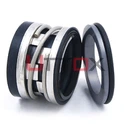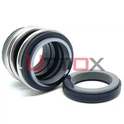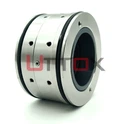


Vertical multi-stage pump mechanical seals are critical components that prevent fluid leakage and maintain system integrity in industrial applications. Understanding the root causes of seal failure is essential for maintaining operational efficiency and preventing costly downtime. Pump mechanical seals in vertical multi-stage configurations face unique challenges due to their positioning, multi-stage design, and operational demands. These seals must withstand significant hydraulic pressures, temperature variations, and mechanical stresses while maintaining perfect sealing performance. Failure of these components can result in catastrophic system breakdowns, environmental contamination, and substantial financial losses. This comprehensive analysis explores the primary factors contributing to mechanical seal failure in vertical multi-stage pumps, providing insights into prevention strategies and maintenance best practices.
Mechanical and Operational Factors Contributing to Seal Failure
Excessive Shaft Deflection and Misalignment
Vertical multi-stage pumps are particularly susceptible to shaft deflection and misalignment issues that directly impact pump mechanical seals performance. The vertical orientation creates unique mechanical stresses that can cause the shaft to bend or deflect beyond acceptable tolerances. This deflection occurs when the pump shaft experiences uneven loading, inadequate support, or excessive hydraulic forces from the impeller stages. When shaft deflection exceeds the design limits, it creates uneven contact pressure between the seal faces, leading to accelerated wear and premature failure. The consequences of shaft deflection on pump mechanical seals are multifaceted. Uneven face contact results in localized hot spots where friction generates excessive heat, causing thermal distortion of the seal faces. This thermal distortion creates a cascading effect where the seal faces lose their flatness and proper contact geometry, leading to increased leakage and further heat generation. Additionally, deflection causes the seal faces to track improperly, creating spiral grooves and surface irregularities that compromise the sealing interface. The dynamic nature of vertical multi-stage pumps means that shaft deflection can vary with operating conditions, making it particularly challenging to predict and control. Misalignment between the pump shaft and the seal assembly represents another critical factor in mechanical seal failure. Even minor misalignment can cause the seal faces to operate at angles that were not designed for optimal performance. This angular misalignment creates edge loading conditions where contact pressure concentrates on small areas of the seal face, resulting in rapid wear and failure. The multi-stage design of these pumps can compound alignment issues, as each stage must be properly aligned not only with the shaft but also with adjacent stages to ensure smooth operation.
Inadequate Lubrication and Dry Running Conditions
Proper lubrication is fundamental to the successful operation of pump mechanical seals in vertical multi-stage applications. The sealing interface between the rotating and stationary faces requires a thin fluid film to minimize friction and prevent direct contact between the surfaces. When lubrication becomes inadequate or completely absent, the seal faces experience direct metal-to-metal contact, resulting in rapid wear, scoring, and catastrophic failure. Dry running conditions are particularly devastating to mechanical seals, as the lack of fluid film causes immediate friction welding and face destruction. The lubrication challenges in vertical multi-stage pumps are compounded by several factors. The vertical orientation can create air pockets or vapor lock conditions that interrupt the flow of lubricating fluid to the seal faces. This is especially problematic during startup sequences when the pump may not be fully primed, leaving the seals vulnerable to dry running conditions. Additionally, the multi-stage design creates varying pressure conditions throughout the pump, which can affect the distribution and quality of lubricating fluid reaching the seals. Inadequate lubrication can also result from improper seal flush systems, where the flush fluid flow rate or pressure is insufficient to maintain proper lubrication of the seal faces. Temperature management becomes critical when dealing with lubrication issues in pump mechanical seals. Insufficient lubrication leads to increased friction and heat generation, which can cause the lubricating fluid to vaporize or break down chemically. This creates a vicious cycle where poor lubrication leads to higher temperatures, which further degrades the lubricating properties of the fluid. In vertical multi-stage pumps, heat dissipation can be challenging due to the compact design and limited surface area for heat transfer, making temperature control even more critical for seal longevity.
Vibration and Dynamic Loading Effects
Vibration represents a significant threat to the integrity of pump mechanical seals in vertical multi-stage configurations. The multi-stage design inherently creates complex dynamic forces that can induce vibration throughout the pump assembly. These vibrations can originate from various sources, including impeller imbalance, hydraulic instabilities, bearing wear, or structural resonance. When vibration levels exceed acceptable limits, they cause the seal faces to separate intermittently, disrupting the sealing interface and allowing leakage to occur. The impact of vibration on pump mechanical seals extends beyond simple face separation. Continuous vibration creates fatigue stress in the seal components, particularly in the secondary sealing elements such as O-rings and bellows. These components are designed to accommodate normal thermal expansion and minor movements, but excessive vibration can cause them to crack, tear, or lose their sealing properties. The vertical orientation of multi-stage pumps can amplify certain vibration modes, particularly those that cause axial movement of the rotor assembly, which directly affects the seal face contact pressure and stability. Dynamic loading effects in vertical multi-stage pumps create additional challenges for mechanical seal performance. The combination of hydraulic forces from multiple impeller stages, varying flow conditions, and pressure fluctuations can create complex loading patterns that stress the seal assembly. These dynamic loads can cause the seal faces to deflect or distort, compromising the sealing interface geometry. Furthermore, sudden pressure changes or flow variations can create shock loads that exceed the design limits of the seal components, leading to immediate failure or accelerated wear that manifests as premature failure later in the operating cycle.

Environmental and Chemical Factors Affecting Seal Performance
Corrosive Media and Chemical Compatibility
The chemical compatibility between pump mechanical seals and the process fluid represents a critical factor in determining seal longevity and performance. Vertical multi-stage pumps often handle aggressive chemicals, corrosive solutions, or abrasive media that can attack seal materials directly. When seal materials are not properly selected for the specific chemical environment, they can experience rapid degradation through chemical attack, swelling, or embrittlement. This chemical incompatibility can manifest as seal face cracking, secondary seal deterioration, or complete material failure. Corrosive media present unique challenges for pump mechanical seals in vertical multi-stage applications. The extended residence time of corrosive fluids in contact with seal components, combined with the elevated pressures and temperatures typical of multi-stage operations, can accelerate chemical attack. Corrosion can affect not only the seal faces but also the metallic components of the seal assembly, including springs, retainers, and hardware. When metallic components corrode, they can release particles that contaminate the sealing interface, creating abrasive conditions that accelerate wear and failure. The selection of appropriate seal materials for chemical compatibility requires careful consideration of multiple factors beyond simple chemical resistance. Temperature effects can significantly alter the chemical resistance of materials, with some materials showing excellent resistance at ambient temperatures but failing rapidly at elevated temperatures. Additionally, the concentration of corrosive species, pH levels, and the presence of oxidizing or reducing agents can all influence material selection. The multi-stage design of these pumps can create varying chemical conditions throughout the assembly, requiring seal materials that can withstand the most aggressive conditions encountered anywhere in the system.
Temperature Extremes and Thermal Cycling
Temperature management represents one of the most challenging aspects of maintaining pump mechanical seals in vertical multi-stage applications. Extreme temperatures, whether high or low, can cause seal materials to exceed their design limits and fail prematurely. High temperatures can cause seal faces to warp, crack, or lose their surface finish, while also degrading secondary sealing elements and lubricating fluids. Low temperatures can make seal materials brittle and prone to cracking, while also affecting the dimensional stability of the seal assembly. Thermal cycling creates additional stress on pump mechanical seals by causing repeated expansion and contraction of seal components. The differential thermal expansion between different materials in the seal assembly can create stress concentrations that lead to cracking or separation of components. In vertical multi-stage pumps, thermal cycling can be particularly severe due to the varying operating conditions and the potential for uneven heat distribution throughout the assembly. The vertical orientation can create thermal gradients that cause different parts of the seal assembly to expand at different rates, creating additional stress and potential failure modes. The effects of temperature on seal performance extend beyond simple material properties to include changes in fluid characteristics and seal face geometry. Elevated temperatures can cause process fluids to become more aggressive chemically, while also reducing their lubricating properties. Temperature changes can also affect the flatness and surface finish of seal faces, with thermal distortion creating leak paths that compromise sealing performance. Managing temperature effects requires careful attention to seal cooling systems, material selection, and operating procedures to minimize thermal stress and maintain optimal sealing conditions.
Contamination and Particle Ingress
Contamination represents a pervasive threat to pump mechanical seals in vertical multi-stage applications. Foreign particles, whether from external sources or generated internally through wear processes, can enter the sealing interface and cause rapid degradation of seal faces. These particles act as abrasives that score and wear the seal faces, creating leak paths and reducing sealing effectiveness. The vertical orientation of multi-stage pumps can make them particularly susceptible to contamination, as particles can settle in seal chambers or be drawn into the sealing interface by hydraulic forces. The sources of contamination in pump mechanical seals are diverse and can include process-related particles, wear debris from pump components, external contaminants introduced during maintenance, or precipitation from chemical reactions within the process fluid. In vertical multi-stage pumps, contamination can accumulate in seal chambers due to the gravitational effects and limited flushing action. This accumulation can create localized abrasive conditions that accelerate seal wear and failure. Additionally, the multi-stage design can create multiple points where contamination can enter the system, requiring comprehensive contamination control strategies. Particle ingress into the sealing interface can cause immediate damage or contribute to long-term degradation of pump mechanical seals. Hard particles can cause instantaneous scoring of seal faces, creating permanent damage that compromises sealing performance. Softer particles may embed in seal faces, creating localized stress concentrations that can lead to cracking or pitting. The dynamic nature of the sealing interface means that particles can be continuously circulated through the contact zone, causing progressive wear and deterioration. Effective contamination control requires attention to seal design, filtration systems, and maintenance procedures to minimize particle ingress and its effects on seal performance.
Installation and Maintenance Related Failures
Improper Installation Techniques
Proper installation of pump mechanical seals is crucial for achieving optimal performance and longevity in vertical multi-stage applications. Improper installation techniques represent a significant cause of premature seal failure, often manifesting as immediate leakage or accelerated wear that leads to early failure. The complexity of vertical multi-stage pumps requires precise installation procedures that account for the unique challenges of the vertical orientation and multi-stage design. Common installation errors include incorrect torque specifications, improper alignment, inadequate cleaning of seal chambers, and failure to follow manufacturer-specific procedures. The installation of pump mechanical seals in vertical multi-stage pumps requires specialized knowledge and techniques that differ from horizontal pump installations. The vertical orientation creates unique challenges in handling and positioning seal components, particularly during the assembly of multiple stages. Improper handling during installation can damage seal faces, distort secondary sealing elements, or introduce contamination that compromises seal performance. Additionally, the weight of the rotor assembly in vertical pumps can create installation challenges that require special lifting equipment and techniques to prevent damage to seal components. Alignment and positioning errors during installation can have severe consequences for mechanical seal performance. Even minor misalignment can create uneven loading conditions that cause rapid wear and failure. The multi-stage design requires precise alignment not only of individual seal components but also between stages to ensure proper operation. Installation errors can also include improper setting of seal face gaps, incorrect spring compression, or failure to properly position secondary sealing elements. These errors can cause immediate failure or create conditions that lead to accelerated wear and premature failure during operation.
Inadequate Maintenance Practices
Maintenance practices play a critical role in the longevity and performance of pump mechanical seals in vertical multi-stage applications. Inadequate maintenance can lead to gradual degradation of seal performance, increased leakage, and ultimately catastrophic failure. Poor maintenance practices include infrequent inspection, failure to monitor seal performance parameters, inadequate cleaning procedures, and delayed replacement of worn components. The vertical orientation and multi-stage design of these pumps can make maintenance more challenging, requiring specialized procedures and equipment to access seal components safely and effectively. Preventive maintenance programs for pump mechanical seals must address the unique requirements of vertical multi-stage applications. This includes regular monitoring of seal performance indicators such as leakage rates, temperature, vibration, and operating pressures. Failure to monitor these parameters can allow developing problems to progress to catastrophic failure before corrective action can be taken. Additionally, maintenance procedures must account for the accessibility challenges created by the vertical orientation, which may require specialized tools or equipment to perform routine maintenance tasks safely and effectively. The complexity of vertical multi-stage pumps requires maintenance personnel to have specialized knowledge and training to perform seal maintenance properly. Inadequate training can lead to improper maintenance procedures that damage seal components or compromise performance. This includes improper disassembly techniques, inadequate cleaning procedures, incorrect reassembly procedures, or failure to follow manufacturer-specific maintenance recommendations. The multi-stage design also requires understanding of the interactions between different stages and how maintenance activities on one stage can affect the performance of adjacent stages.
Component Wear and Replacement Timing
The timing of component replacement in pump mechanical seals is critical for maintaining optimal performance and preventing catastrophic failure. Premature replacement results in unnecessary costs and downtime, while delayed replacement can lead to catastrophic failure that causes extensive damage to the pump and associated systems. The challenge in vertical multi-stage applications is determining the optimal replacement timing given the complex interactions between multiple stages and the difficulty of accessing seal components for inspection. Component wear in pump mechanical seals follows predictable patterns that can be monitored to determine optimal replacement timing. Seal faces experience gradual wear that reduces their sealing effectiveness over time, while secondary sealing elements may experience cracking, hardening, or loss of elasticity. The multi-stage design can create varying wear rates between stages due to different operating conditions, making it necessary to evaluate each stage individually. Additionally, the vertical orientation can create unique wear patterns due to gravitational effects and the settling of wear debris in seal chambers. The replacement of seal components in vertical multi-stage pumps requires careful planning and execution to minimize downtime and ensure proper performance. This includes scheduling replacement activities during planned maintenance windows, ensuring availability of replacement parts, and having trained personnel available to perform the work. The complexity of these systems often requires complete disassembly of multiple stages to access seal components, making replacement timing decisions even more critical. Predictive maintenance techniques, including vibration monitoring, temperature monitoring, and oil analysis, can help optimize replacement timing and prevent unexpected failures.
Conclusion
Understanding the multifaceted causes of vertical multi-stage pump mechanical seals failure is essential for maintaining operational reliability and preventing costly downtime. The primary failure modes stem from mechanical factors such as shaft deflection and vibration, environmental challenges including chemical compatibility and temperature extremes, and maintenance-related issues encompassing improper installation and inadequate maintenance practices. Each of these factors can independently cause seal failure, but their combined effects often accelerate the degradation process. By implementing comprehensive failure prevention strategies that address these root causes, operators can significantly extend seal life and improve overall system reliability. Regular monitoring, proper material selection, and adherence to best practices in installation and maintenance are crucial for optimizing pump mechanical seals performance in demanding vertical multi-stage applications.
Ready to solve your vertical multi-stage pump sealing challenges? At Uttox Fluid Technology, we bring over 30 years of specialized expertise in pump mechanical seals to help you achieve optimal performance and reliability. Our experienced R&D team provides customized solutions tailored to your specific working conditions, while our comprehensive product range ensures we have the right sealing solution for your application. With sufficient inventory for fast delivery and professional technical support including OEM services, we're committed to minimizing your downtime and maximizing your operational efficiency. Our quality assurance program, backed by independent quality control and third-party cooperation, guarantees the reliability you need for critical applications. Don't let seal failures disrupt your operations – partner with Uttox for proven solutions that deliver results. Contact our technical experts today at info@uttox.com to discuss your specific requirements and discover how our industry-leading pump mechanical seals can enhance your vertical multi-stage pump performance.
References
1. Mechanical Seals: Design, Application, and Testing. Smith, J.R., Industrial Press, 2019.
2. Pump Handbook: Fourth Edition. Karassik, I.J., Messina, J.P., Cooper, P., Heald, C.C., McGraw-Hill Education, 2020.
3. Centrifugal Pump Clinic: Second Edition. Bloch, H.P., Budris, A.R., Gulf Professional Publishing, 2018.
4. Mechanical Seal Practice for Improved Performance. Netzel, J.P., Mechanical Engineering Publications, 2017.
5. Tribology of Mechanical Seals. Lebeck, A.O., Marcel Dekker Inc., 2019.
6. Vertical Pump Design and Applications. Thompson, R.K., Pump Industry Publications, 2021.