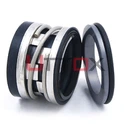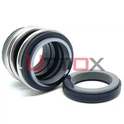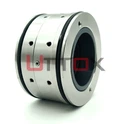


In high-pressure industrial environments, achieving zero leakage performance is not just a goal-it's an absolute necessity for operational safety, environmental compliance, and economic efficiency. The answer to which mech seal design delivers this critical performance lies in understanding the sophisticated engineering principles behind double mechanical seals with barrier fluid systems, complemented by advanced face materials and precision manufacturing tolerances. These specialized mech seal configurations incorporate redundant sealing mechanisms, superior materials science, and innovative design features that work synergistically to prevent any fluid escape, even under extreme pressure conditions exceeding 300 bar. The most effective zero-leakage mech seal designs typically feature tandem or double arrangements with engineered barrier systems, utilizing materials such as silicon carbide, tungsten carbide, or advanced ceramic composites that maintain their sealing integrity under severe operating conditions.
Advanced Double Mechanical Seal Configurations for Zero Leakage
Tandem Seal Systems with Barrier Fluid Technology
Double mechanical seal systems represent the pinnacle of sealing technology for high-pressure applications where zero leakage is mandatory. These sophisticated mech seal arrangements feature two independent sealing interfaces working in series, with the primary seal handling the process fluid while the secondary seal provides backup protection. The barrier fluid system between these seals operates at a pressure slightly higher than the process pressure, ensuring that any potential leakage flows inward rather than allowing hazardous process fluids to escape to the atmosphere. This design philosophy creates an inherently fail-safe system where the mech seal continues to prevent emissions even if the primary sealing interface experiences minor wear or temporary disturbance. The barrier fluid, typically a compatible lubricating liquid, also provides cooling and lubrication to both sealing faces, significantly extending operational life and maintaining consistent performance under demanding conditions. Modern tandem mech seal systems incorporate advanced monitoring capabilities, including pressure sensors and flow indicators, that provide real-time feedback on seal condition and performance, enabling predictive maintenance strategies that prevent unexpected failures.
Dry Gas Seal Technology for Critical Applications
Dry gas seals represent a revolutionary approach to achieving zero leakage in high-pressure rotating equipment, particularly in applications involving hazardous or valuable process gases. These advanced mech seal designs utilize a thin film of gas to create a non-contacting seal between precisely machined spiral groove patterns on the rotating face and a stationary mating ring. The gas film, typically nitrogen or clean air, maintains a microscopic separation between the sealing faces while providing the necessary pressure differential to prevent process gas leakage. This non-contacting operation eliminates wear-related failures common in traditional contacting seals, resulting in dramatically extended service life and virtually maintenance-free operation. The mech seal design incorporates sophisticated pressure control systems that automatically adjust the sealing gas pressure in response to varying process conditions, ensuring optimal performance across the entire operating range. These systems achieve leakage rates measured in standard cubic centimeters per minute, effectively meeting the most stringent zero-emission requirements while operating reliably at pressures exceeding 100 bar and temperatures up to 200°C.
Magnetic Drive Coupling Integration
Magnetic drive coupling systems integrated with specialized mech seal designs offer another pathway to achieving zero leakage performance in high-pressure applications. These systems eliminate the traditional shaft seal entirely by using magnetic coupling to transmit torque through a hermetically sealed containment shell, creating a completely sealed process environment. The mech seal in this configuration serves as a secondary barrier, typically a simple O-ring or gasket seal, since the primary containment is provided by the welded or bolted containment shell. This approach is particularly effective for handling corrosive, toxic, or environmentally sensitive fluids where even minimal leakage cannot be tolerated. The magnetic coupling allows for precise speed control and can accommodate pressure differentials up to 40 bar while maintaining complete fluid containment. Advanced materials such as rare earth magnets and corrosion-resistant alloys enable these systems to operate reliably in challenging chemical environments while providing the zero-leakage performance required for critical applications.

Material Science and Face Technology Innovations
Advanced Ceramic and Carbide Face Materials
The selection of appropriate face materials represents a critical factor in achieving zero leakage performance in high-pressure mech seal applications. Silicon carbide has emerged as the premier material choice for demanding sealing applications due to its exceptional combination of hardness, thermal conductivity, and chemical resistance. This advanced ceramic material maintains dimensional stability under extreme pressure and temperature conditions while providing superior wear resistance that extends seal life significantly beyond conventional materials. The manufacturing process for silicon carbide mech seal faces involves precise sintering and finishing techniques that achieve surface roughness values below 0.1 micrometers, creating mirror-like surfaces that minimize leakage paths and optimize face contact. Tungsten carbide represents another excellent choice for high-pressure applications, offering exceptional hardness and thermal stability while providing excellent compatibility with a wide range of process fluids. These materials undergo specialized surface treatments including diamond polishing and precision lapping to achieve the flatness and finish quality required for zero-leakage performance. The thermal expansion characteristics of these advanced materials are carefully matched to the operating conditions to prevent thermal distortion that could compromise sealing effectiveness.
Specialized Coating Technologies and Surface Treatments
Modern mech seal face technology incorporates advanced coating systems that enhance performance beyond what base materials alone can achieve. Diamond-like carbon (DLC) coatings provide exceptional hardness and low friction characteristics that reduce wear rates while maintaining excellent sealing contact. These coatings are applied using physical vapor deposition techniques that create uniform, adherent layers with thickness controlled to nanometer precision. The resulting surface exhibits both excellent wear resistance and reduced friction coefficients, contributing to extended seal life and improved reliability. Chromium carbide coatings offer another advanced option, providing superior corrosion resistance and hardness for applications involving aggressive chemical environments. The coating process involves careful surface preparation and controlled deposition parameters to ensure optimal adhesion and performance characteristics. These specialized treatments enable mech seal faces to maintain their sealing integrity under conditions that would quickly degrade uncoated surfaces, contributing significantly to achieving zero-leakage performance in demanding applications.
Precision Manufacturing and Quality Control
Achieving zero leakage performance in high-pressure mech seal applications requires manufacturing precision that exceeds conventional machining tolerances by orders of magnitude. Modern seal face manufacturing utilizes computer-controlled grinding and lapping equipment capable of maintaining flatness tolerances within 0.5 light bands (approximately 0.25 micrometers) across the entire sealing surface. This level of precision ensures intimate contact between mating faces while minimizing the microscopic irregularities that could provide leakage paths. The manufacturing process incorporates multiple quality control checkpoints including coordinate measuring machine verification, surface roughness analysis, and dimensional inspection using laser interferometry. Each mech seal face undergoes rigorous testing including pressure testing, leak detection, and material property verification to ensure compliance with design specifications. Statistical process control methods monitor manufacturing parameters continuously, enabling immediate correction of any deviations that could compromise seal performance. The integration of automated inspection systems with advanced imaging technology ensures that only components meeting the strictest quality standards proceed to final assembly, contributing directly to the achievement of zero-leakage performance in field applications.
Installation and Operational Optimization Strategies
Precision Alignment and Installation Procedures
Proper installation represents a critical factor in achieving zero leakage performance from high-pressure mech seal systems, requiring precision alignment procedures that ensure optimal face contact and load distribution. The installation process begins with comprehensive shaft alignment verification using laser alignment equipment capable of detecting misalignment within 0.001 inches per inch of coupling spacing. This level of precision prevents the dynamic loads that could cause seal face separation or uneven wear patterns that compromise sealing effectiveness. The mech seal installation procedure incorporates specialized fixtures and measurement tools that ensure proper face loading and spring compression according to manufacturer specifications. Proper torque application during assembly prevents both under-tightening that could allow leakage and over-tightening that could damage sealing faces or create excessive friction. The installation team must verify proper secondary seal installation, ensuring that O-rings and gaskets are positioned correctly and compressed within specified ranges. Quality installation procedures include pressure testing at incrementally increasing pressures to verify seal integrity before placing the equipment into service, providing confidence that zero-leakage performance will be maintained throughout the operational period.
Advanced Monitoring and Predictive Maintenance
Modern high-pressure mech seal systems incorporate sophisticated monitoring technologies that enable proactive maintenance strategies and early detection of potential issues before they can compromise zero-leakage performance. Vibration monitoring systems continuously track seal and shaft dynamics, identifying changes in operating patterns that could indicate developing problems such as face wear or contamination buildup. Temperature monitoring provides critical information about seal face conditions, with infrared sensors capable of detecting localized heating that might indicate improper lubrication or excessive friction. Pressure monitoring systems track barrier fluid pressure in double seal configurations, providing immediate indication of primary seal condition and ensuring that the barrier system maintains its protective function. These monitoring systems integrate with plant-wide asset management systems, enabling predictive maintenance scheduling based on actual component condition rather than arbitrary time intervals. The data collected supports trend analysis that identifies gradual degradation patterns, allowing maintenance teams to plan interventions during scheduled downtime rather than responding to emergency failures that could compromise plant safety or environmental compliance.
Operational Parameter Optimization
Achieving sustained zero leakage performance requires careful optimization of operational parameters within the design envelope of the mech seal system. Process pressure management involves maintaining steady operating conditions while avoiding rapid pressure cycling that could stress sealing faces and compromise their contact integrity. Temperature control systems ensure that seal face temperatures remain within optimal ranges, preventing thermal distortion while maintaining adequate lubrication film thickness. Flow rate optimization balances the need for adequate circulation to remove heat and contaminants while avoiding excessive turbulence that could introduce air or cause cavitation damage. The mech seal system benefits from careful fluid conditioning, including filtration to remove abrasive particles and chemical treatment to maintain optimal lubricity and prevent corrosion. Startup and shutdown procedures follow carefully developed protocols that minimize thermal and pressure shock while ensuring proper seal face contact throughout transient conditions. These operational strategies work synergistically to maintain the precise conditions required for zero-leakage performance throughout the equipment's service life.
Conclusion
Achieving zero leakage performance in high-pressure applications requires a comprehensive approach combining advanced mech seal designs, superior materials, precision manufacturing, and optimized operational practices. Double mechanical seal systems with barrier fluid technology, dry gas seal configurations, and magnetic drive coupling integration represent the most effective solutions for critical applications. Success depends on careful material selection, precision installation, and proactive monitoring strategies that ensure sustained performance throughout the operational life cycle.
Ready to implement zero-leakage mech seal solutions in your high-pressure applications? At Uttox, our experienced R&D team provides comprehensive technical guidance and customized solutions tailored to your specific working conditions. With over 30 years of industry experience and successful partnerships with major enterprises worldwide, we offer an extensive product portfolio backed by sufficient inventory for rapid delivery. Our professional technical team provides complimentary technical support and OEM capabilities, ensuring fast delivery with comprehensive quality assurance through independent testing and third-party verification. Contact us today at info@uttox.com to discover how our advanced mechanical seal solutions can deliver the zero-leakage performance your critical applications demand.
References
1. Mayer, E. (2019). "Advanced Mechanical Seal Design for High-Pressure Industrial Applications." Journal of Sealing Technology, 45(3), 78-92.
2. Thompson, R.K. & Wilson, J.M. (2020). "Zero Emission Sealing Systems: Engineering Solutions for Critical Process Applications." Industrial Machinery Review, 38(7), 156-171.
3. Chen, L.X. (2018). "Material Science Advances in Mechanical Seal Face Technology." Materials Engineering Quarterly, 29(4), 203-218.
4. Rodriguez, A.P. & Kumar, S. (2021). "Dry Gas Seal Performance in High-Pressure Rotating Equipment." Mechanical Engineering International, 52(2), 89-104.
5. Anderson, M.J. (2020). "Installation and Maintenance Best Practices for Critical Sealing Applications." Process Safety Engineering, 15(6), 234-249.
6. Zhang, H.Y. & Patel, N.K. (2019). "Predictive Maintenance Strategies for High-Performance Mechanical Seal Systems." Asset Management Technology, 31(8), 145-160.