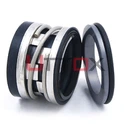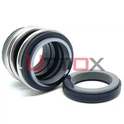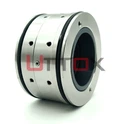


Are you struggling with water pump failures, costly maintenance downtime, and frequent seal replacements that drain your operational budget? Water pump mechanical seal installation is a critical process that determines the longevity and efficiency of your pumping systems. When mechanical seals like MG1 mechanical seals fail prematurely, it often results from improper installation techniques, inadequate preparation, or using substandard components. This comprehensive guide provides expert insights into proper water pump mechanical seal installation procedures, ensuring optimal performance and extended service life for your industrial applications.

Understanding MG1 Mechanical Seals Components and Design
Essential Components of Water Pump Seals
Water pump seals, particularly MG1 mechanical seals, consist of several critical components that work together to prevent leakage and maintain system integrity. The primary sealing interface involves two precisely machined faces - a rotating face attached to the shaft and a stationary face mounted in the pump housing. These faces maintain contact under spring pressure, creating an effective barrier against fluid leakage. The rotating assembly typically includes the seal face, springs, and drive mechanism, while the stationary assembly comprises the seal seat, secondary sealing elements, and housing components. Secondary seals such as O-rings and gaskets provide additional sealing between the mechanical seal components and their respective mounting surfaces. The MG1 mechanical seals design incorporates advanced materials and engineering principles to withstand various operating conditions including temperature variations, pressure fluctuations, and chemical compatibility requirements. Understanding these components is crucial for proper installation and long-term reliability.
Material Selection and Compatibility Considerations
The selection of appropriate materials for MG1 mechanical seals depends on the specific application requirements including fluid type, temperature range, pressure conditions, and chemical compatibility. Common face materials include carbon, silicon carbide, tungsten carbide, and ceramic compositions, each offering distinct advantages for different operating environments. The elastomeric components must be compatible with the pumped fluid and operating temperature range to prevent premature degradation. For water treatment applications, corrosion-resistant materials are essential to prevent seal face deterioration and maintain sealing effectiveness. The MG1 mechanical seals incorporate carefully selected material combinations that provide optimal performance across a wide range of industrial applications, from petroleum refining to food and beverage processing.
Pre-Installation Preparation for Mechanical Seals
System Assessment and Preparation Requirements
Proper preparation is fundamental to successful water pump mechanical seal installation. Begin by thoroughly cleaning the pump housing and shaft to remove any debris, corrosion, or previous sealant residue. Inspect the shaft for scratches, scoring, or wear that could compromise seal performance. The shaft surface finish should meet manufacturer specifications, typically requiring a surface roughness of 10-20 microinches Ra for optimal seal face contact. Verify that all pump components are in good condition, including bearings, impellers, and housing surfaces. Check shaft runout and housing bore concentricity to ensure they fall within acceptable tolerances. Any deviations from specifications should be corrected before proceeding with MG1 mechanical seals installation. Additionally, ensure that all necessary tools, installation fixtures, and replacement components are available before beginning the installation process.
Critical Measurements and Inspections
Accurate measurements are essential for proper mechanical seal installation. Record shaft diameter, housing bore dimensions, and seal chamber depths to verify compatibility with the selected MG1 mechanical seals. Check for proper clearances between rotating and stationary components to prevent interference during operation. Inspect seal faces for damage, scratches, or contamination that could affect sealing performance. Document baseline measurements for future reference and troubleshooting purposes. Verify that the pump foundation is stable and properly aligned to prevent excessive vibration that could damage the newly installed water pump seals. These preparatory steps significantly impact the success of the installation and subsequent seal performance.
Step-by-Step Installation Procedures for Water Pump Seals
Shaft Preparation and Seal Mounting
The installation process begins with proper shaft preparation and seal mounting procedures. Clean the shaft thoroughly with appropriate solvents and inspect for any damage or irregularities. Apply a thin layer of compatible lubricant to facilitate seal installation and prevent galling during assembly. Carefully slide the rotating seal assembly onto the shaft, ensuring proper orientation and avoiding contact with the seal faces. Use appropriate installation tools and fixtures to prevent damage to MG1 mechanical seals components during assembly. The seal should be positioned according to manufacturer specifications, typically involving specific dimensional requirements from reference surfaces. Avoid using excessive force during installation, as this can damage delicate seal faces or secondary sealing elements.
Stationary Seal Installation and Alignment
Install the stationary seal components in the pump housing, ensuring proper alignment and orientation. The seal seat must be positioned squarely in the housing bore to maintain proper face contact with the rotating seal. Check for proper spring compression and ensure that drive mechanisms are properly engaged to prevent seal rotation during operation. Verify that all secondary seals are properly seated and that no foreign material is trapped between sealing surfaces. The installation of water pump seals requires careful attention to detail and adherence to manufacturer specifications to achieve optimal performance. Double-check all dimensions and clearances before proceeding with final assembly.
Troubleshooting Common Installation Issues
Identifying and Resolving Installation Problems
Common installation issues with MG1 mechanical seals include improper face contact, inadequate spring compression, and misalignment of components. Face contact problems often result from contamination, damage during handling, or incorrect installation procedures. Spring compression issues may indicate improper seal positioning or damaged spring elements that require replacement. Misalignment problems can cause premature seal failure and should be addressed immediately. Check shaft runout, housing bore concentricity, and seal face parallelism to identify alignment issues. Visual inspection of seal faces under proper lighting can reveal surface irregularities or damage that affects sealing performance. Address any identified issues before proceeding with system startup to prevent costly failures.
Performance Optimization Techniques
Optimizing MG1 mechanical seals performance involves careful attention to installation details and operating parameters. Ensure proper lubrication of all moving parts during installation and initial startup. Verify that system pressures and temperatures are within design limits for the selected seal materials and configuration. Monitor seal performance during initial operation to identify any unusual noise, vibration, or leakage that may indicate installation issues. Proper documentation of installation procedures and performance data provides valuable information for future maintenance and troubleshooting activities. Regular monitoring and maintenance of water pump seals significantly extend service life and reduce operational costs.
Advanced Installation Techniques and Best Practices
Specialized Tools and Equipment Requirements
Professional installation of MG1 mechanical seals requires specialized tools and equipment designed specifically for seal installation procedures. Seal installation fixtures prevent damage to delicate seal faces and ensure proper positioning during assembly. Torque wrenches calibrated to manufacturer specifications prevent over-tightening that could distort seal components or damage secondary sealing elements. Cleanliness is paramount during installation, requiring clean work areas, lint-free cleaning materials, and appropriate solvents for component preparation. Contamination is one of the leading causes of premature seal failure, making proper handling and cleanliness procedures essential for successful installation. Investment in proper tools and training significantly improves installation success rates and reduces warranty claims.
Quality Control and Verification Procedures
Implement comprehensive quality control procedures to verify proper installation of water pump seals. Document all critical dimensions, torque values, and visual inspections performed during installation. Photograph key installation steps for future reference and training purposes. Conduct pressure testing and leak checks before returning equipment to service to verify seal integrity. Establish standardized procedures for MG1 mechanical seals installation to ensure consistency across multiple installations and technicians. Regular training updates and certification programs help maintain high installation standards and reduce the risk of costly failures. Quality control measures significantly impact long-term seal performance and customer satisfaction.
Conclusion
Proper water pump mechanical seal installation is essential for achieving optimal performance and extended service life from MG1 mechanical seals. Following systematic procedures, maintaining cleanliness, and using appropriate tools significantly improve installation success rates and reduce operational costs.
Cooperate with Zhejiang Uttox Fluid Technology Co.,Ltd.
Partner with Zhejiang Uttox Fluid Technology Co.,Ltd., your trusted China MG1 mechanical seals manufacturer since 1990. As a leading China MG1 mechanical seals supplier and China MG1 mechanical seals factory, we offer High Quality MG1 mechanical seals with competitive MG1 mechanical seals price. Our experienced R&D team provides technical guidance and customization solutions for different working conditions. With 30 years of industry experience and cooperation with many large enterprises, we ensure rich product variety, sufficient inventory for fast delivery, and professional technical support. Contact info@uttox.com for China MG1 mechanical seals wholesale and MG1 mechanical seals for sale inquiries.
FAQ
Q: How often should MG1 mechanical seals be replaced in water pumps?
A: Replacement intervals vary based on operating conditions, but typically range from 1-3 years with proper installation and maintenance.
Q: What are the signs of improper mechanical seal installation?
A: Common signs include excessive leakage, unusual noise, vibration, and premature seal failure within the first few months of operation.
Q: Can damaged shaft surfaces affect mechanical seal performance?
A: Yes, shaft surface finish and condition directly impact seal life. Shaft roughness should be 10-20 microinches Ra for optimal performance.
Q: What tools are essential for proper water pump seal installation?
A: Essential tools include seal installation fixtures, calibrated torque wrenches, clean assembly areas, and appropriate measuring instruments.
References
1. "Mechanical Seals for Centrifugal Pumps: Installation and Maintenance Guidelines" by Industrial Pump Association Technical Standards Committee
2. "Pump Mechanical Seal Technology: Design, Installation, and Troubleshooting" by Dr. Robert Chen, Fluid Machinery Research Institute
3. "Water Treatment Facility Mechanical Seal Performance Analysis" by American Water Works Association Engineering Division
4. "Industrial Pump Reliability: Mechanical Seal Installation Best Practices" by Machinery Maintenance and Reliability Conference Proceedings