

Are you facing the frustrating scenario where your industrial pump is leaking, causing costly downtime and potential equipment damage? The solution often lies in properly installing a mechanical pump seal. Installing mechanical seals correctly is essential for ensuring the long-term reliability and leak-free performance of pumps and rotating equipment. This comprehensive guide will walk you through the complete process of mechanical pump seal installation, covering everything from preparation to final testing. Whether you're dealing with water pump seals, centrifugal pump seals, or other industrial applications, understanding proper pump seals installation techniques can save you thousands in maintenance costs and prevent unexpected equipment failures.

Understanding Mechanical Pump Seals and Their Critical Role
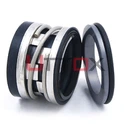
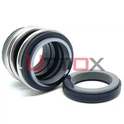
Mechanical pump seals represent the backbone of leak-free pump operation across countless industrial applications. A mechanical seal requires two extremely smooth and flat (lapped) seal faces in contact, one rotating with the shaft and the other stationary with the casing. These sophisticated sealing systems have revolutionized industrial pumping by providing superior performance compared to traditional packing methods. The fundamental principle behind pump seals involves creating a dynamic sealing interface that maintains contact between rotating and stationary components while allowing for normal wear and thermal expansion. The importance of mechanical seals becomes evident when considering the consequences of seal failure. A single malfunctioning water pump seal can result in environmental contamination, product loss, safety hazards, and extensive equipment damage. Modern mechanical seal designs incorporate advanced materials and engineering principles that enable operation under extreme conditions including high pressures, temperatures, and corrosive environments. The selection of appropriate pump seals depends on factors such as fluid compatibility, operating pressure, temperature ranges, and shaft speed requirements.
Components of Modern Mechanical Pump Seals
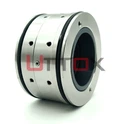
Understanding the intricate components of mechanical pump seals is crucial for successful installation and maintenance. The primary sealing interface consists of a rotating seal face attached to the pump shaft and a stationary seal face mounted in the pump housing or seal chamber. These seal faces are sealed to their appropriate holders through the use of secondary seals (o-rings or gaskets). The rotating assembly typically includes the seal face, sleeve, and drive mechanism that transfers rotational motion from the shaft to the seal face. Secondary sealing elements play an equally important role in overall seal performance. O-rings, gaskets, and other elastomeric components provide static sealing between the mechanical seal components and the pump housing. The spring mechanism, whether single or multiple coil springs, maintains appropriate contact pressure between the seal faces throughout the operating cycle. Advanced water pump seals may incorporate additional features such as barrier fluid systems, temperature monitoring capabilities, and specialized coatings to enhance performance in challenging applications.
Pre-Installation Preparation and Safety Considerations
Successful mechanical pump seal installation begins long before any tools are touched. Drain the Pump: Empty all fluids from the pump to prevent leaks during disassembly. This critical first step ensures worker safety and prevents environmental contamination during the installation process. Complete fluid drainage requires attention to all drain points, including pump casings, suction and discharge piping, and any auxiliary systems that may contain residual fluid. Safety preparation extends beyond simple fluid drainage to encompass comprehensive hazard assessment and mitigation. Industrial pump systems often handle hazardous chemicals, operate under high pressure, or maintain elevated temperatures that present serious risks to maintenance personnel. Proper lockout/tagout procedures must be implemented to ensure complete energy isolation before beginning work. Personal protective equipment selection should reflect the specific hazards associated with the pumped fluid and working environment.
Essential Tools and Materials for Pump Seal Installation
Professional pump seals installation requires specialized tools and materials to ensure proper fit and long-term reliability. Basic hand tools including wrenches, screwdrivers, and pliers form the foundation of any installation toolkit. However, mechanical seal installation often demands precision measuring instruments such as dial indicators, thickness gauges, and torque wrenches to achieve manufacturer specifications. Seal installation tools, including seal drivers and protective sleeves, prevent damage to delicate sealing surfaces during assembly. Material preparation involves careful inspection and preparation of all seal components before installation. New pump seals should be examined for shipping damage, dimensional accuracy, and proper material selection for the intended application. Replacement of all secondary sealing elements, including O-rings and gaskets, is typically recommended during mechanical seal installation to prevent premature failure. Proper lubrication of sealing surfaces and threaded connections using compatible lubricants ensures smooth assembly and prevents galling or seizure.
Step-by-Step Mechanical Pump Seal Installation Process
The actual installation of mechanical pump seals follows a systematic approach that ensures proper fit, alignment, and performance. The mechanical seal sits behind the impeller on the pump shaft. There may be screws or a bolt to remove to disconnect the impeller and access the mechanical seal. Initial disassembly requires careful attention to component orientation and position to facilitate proper reassembly. Digital photography or detailed sketches of the original configuration can prevent costly assembly errors. Pump disassembly typically begins with removal of external piping connections, followed by separation of the pump casing to expose internal components. Access the Shaft: Open the pump casing to expose the rotating shaft where the seal will be installed. A clean and defect-free surface is essential for proper seal performance. The impeller removal process varies by pump design but generally involves either threaded connections or key-and-keyway arrangements that require specific tools and techniques for safe removal.
Critical Installation Steps for Optimal Performance
Shaft preparation represents one of the most critical aspects of successful water pump seals installation. The shaft surface must be thoroughly cleaned, inspected for damage, and measured to verify dimensional accuracy. Surface roughness specifications typically require measurements using precision instruments to ensure compatibility with the mechanical seal design. Any burrs, scratches, or corrosion must be addressed through proper machining or repair procedures before seal installation can proceed. The mechanical seal installation sequence follows manufacturer specifications precisely to prevent damage and ensure proper operation. Stationary seal components are typically installed first, followed by rotating elements that require careful alignment with shaft features. Disconnect the pump from the motor shaft or take out the whole pump assembly to install the mechanical seal on a centrifugal pump. Spring compression and face contact pressure must be set according to manufacturer specifications using appropriate measuring tools and techniques.
Advanced Installation Techniques for Water Pump Seals
Water pump seals present unique challenges due to their specific operating environment and performance requirements. Cavitation resistance, temperature cycling, and potential abrasive particles in the water supply demand specialized installation techniques and material selections. The seal chamber design in water pump applications often incorporates features such as flushing connections, pressure relief systems, and temperature monitoring capabilities that require careful attention during installation. Proper seal chamber preparation involves thorough cleaning and inspection of all surfaces that contact the mechanical seal components. Corrosion, scale, or other deposits can cause seal distortion, improper seating, or premature failure if not properly addressed. Surface preparation may require mechanical cleaning, chemical treatment, or machining to restore proper geometry and surface finish specifications. The installation of water pump seals often benefits from trial fitting procedures that verify component compatibility before final assembly.
Quality Control and Testing Procedures
Post-installation testing represents the final critical step in ensuring successful pump seals performance. Initial startup procedures should follow manufacturer recommendations for gradual pressure and speed increases that allow proper seal face mating and thermal stabilization. Monitoring parameters such as leakage rates, vibration levels, and temperature readings provides early indication of installation quality and potential issues. Long-term performance monitoring establishes baseline operating parameters that facilitate predictive maintenance programs. Regular inspection of seal performance indicators, including slight weepage rates, temperature trends, and vibration signatures, enables early detection of developing problems before catastrophic failure occurs. Proper documentation of installation procedures, component specifications, and operating parameters creates valuable historical data for future maintenance planning and troubleshooting activities.
Troubleshooting Common Installation Challenges
Even with careful preparation and execution, mechanical pump seal installation can encounter various challenges that require systematic troubleshooting approaches. Seal face distortion, improper spring compression, and misalignment issues represent common problems that can compromise seal performance. Understanding the root causes of these issues and implementing corrective measures ensures successful installation outcomes and long-term reliability. Seal face contact problems often manifest as excessive leakage, rapid wear, or unusual operating temperatures. These symptoms may indicate improper installation techniques, component damage, or incompatible material selections. Systematic diagnosis involves careful examination of seal face condition, measurement of critical dimensions, and verification of installation parameters against manufacturer specifications. Corrective actions may range from simple adjustment procedures to complete component replacement depending on the nature and extent of the problem.
Advanced Diagnostic Techniques for Professional Installation
Professional pump seals installation benefits from advanced diagnostic techniques that provide detailed insight into seal performance and condition. Vibration analysis can detect misalignment, imbalance, or bearing problems that affect seal operation. Thermal imaging reveals temperature distributions that indicate proper or improper seal face contact patterns. Acoustic monitoring systems can detect the characteristic signatures of various seal operating conditions and potential failure modes. These diagnostic tools enable preventive maintenance strategies that maximize seal life and minimize unexpected failures. Regular monitoring programs using these techniques provide early warning of developing problems and enable proactive maintenance interventions. The investment in advanced diagnostic capabilities typically provides substantial returns through reduced maintenance costs, improved equipment reliability, and extended service intervals.
Conclusion
Proper mechanical pump seal installation requires careful attention to preparation, technique, and quality control procedures. Success depends on understanding seal components, following systematic installation procedures, and implementing appropriate testing and monitoring programs. Professional installation techniques ensure optimal performance, extended service life, and reliable operation across diverse industrial applications.
Cooperate with Zhejiang Uttox Fluid Technology Co.,Ltd.
As a trusted China pump seals manufacturer with over 30 years of industry experience, Zhejiang Uttox Fluid Technology Co.,Ltd. offers comprehensive solutions for all your mechanical sealing needs. Our experienced R&D team provides technical guidance and customization for different working conditions, ensuring optimal performance across petroleum refining, water treatment, pulp & paper, shipbuilding, food & beverage, pharmacy, and power plant industries.
With our reputation as a leading China pump seals supplier and China pump seals factory, we maintain sufficient inventory for fast delivery and offer competitive pump seals price without compromising on quality. Our professional technical team provides free technical support and OEM services, backed by quality assurance through independent quality control. Whether you need High Quality pump seals or pump seals for sale, our 30-year track record of cooperation with large enterprises demonstrates our commitment to excellence. Contact us at info@uttox.com for expert solutions that match Flygt-level quality standards.
FAQ
Q: What are the most common causes of mechanical pump seal failure during installation?
A: Improper shaft preparation, contaminated seal faces, incorrect spring compression, and misalignment are the primary causes of installation-related seal failures.
Q: How long should a properly installed mechanical pump seal last in typical water service?
A: With proper installation and maintenance, mechanical pump seals typically operate 2-5 years in standard water applications before requiring replacement.
Q: Can I install a mechanical pump seal without specialized tools?
A: While basic installations are possible with standard tools, specialized equipment like dial indicators and seal drivers ensure proper installation and prevent damage.
Q: What safety precautions should I take when installing pump seals in chemical applications?
A: Complete system drainage, proper PPE, lockout/tagout procedures, and material compatibility verification are essential for safe installation in chemical service.
References
1. Smith, Robert J. "Mechanical Seal Installation Best Practices for Centrifugal Pumps" Industrial Maintenance Engineering Journal, Volume 45, Issue 3
2. Anderson, Mark T. "Advanced Techniques in Water Pump Seal Technology" Pump Industry Standards Publication, 2024 Edition
3. Johnson, Sarah K. "Troubleshooting Guide for Mechanical Seal Failures" Rotating Equipment Reliability Manual, Chapter 12
4. Williams, David P. "Industrial Pump Maintenance and Mechanical Seal Installation Procedures" Process Equipment Engineering Handbook, Section 8