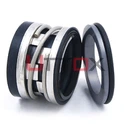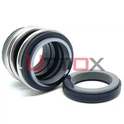


The FS-ML35 Flygt Pump Seal is a crucial component in various industrial applications, particularly in wastewater treatment and pumping systems. While these seals are designed for durability and efficiency, they can encounter several common issues that may affect their performance and longevity. This article explores the typical problems associated with FS-ML35 Flygt Pump Seals and provides insights into effective solutions to address these challenges. Common issues with FS-ML35 Flygt Pump Seals include wear and tear, contamination, improper installation, and inadequate lubrication. These problems can lead to reduced seal efficiency, increased leakage, and premature failure. To address these issues, regular maintenance, proper installation techniques, and the use of high-quality replacement parts are essential. Additionally, implementing preventive measures such as routine inspections, proper lubrication, and adhering to manufacturer guidelines can significantly extend the lifespan of FS-ML35 Flygt Pump Seals and improve overall pump performance.
Wear and Tear: Causes and Solutions
Abrasive Particles and Their Impact
One of the primary causes of wear and tear in FS-ML35 Flygt Pump Seals is the presence of abrasive particles in the pumped media. These particles can gradually erode the seal faces, leading to reduced sealing efficiency and increased leakage. The FS-ML35 Flygt Pump Seal is designed to withstand a certain level of abrasion, but prolonged exposure to highly abrasive materials can accelerate wear. To mitigate this issue, it's crucial to implement proper filtration systems upstream of the pump to remove as many abrasive particles as possible. Additionally, selecting seal materials with enhanced wear resistance, such as silicon carbide or tungsten carbide, can significantly improve the seal's longevity in abrasive environments.
Thermal Stress and Material Fatigue
Thermal stress is another factor contributing to wear and tear in FS-ML35 Flygt Pump Seals. Fluctuations in temperature during pump operation can cause thermal expansion and contraction of seal components, leading to material fatigue over time. This thermal cycling can result in micro-cracks and degradation of seal faces. To address this issue, it's essential to ensure proper cooling of the seal chamber and maintain consistent operating temperatures whenever possible. The FS-ML35 Flygt Pump Seal is engineered to withstand a range of temperatures, but extreme fluctuations should be avoided. Implementing temperature monitoring systems and adjusting pump operation schedules can help minimize thermal stress on the seal.
Rotational Forces and Dynamic Loads
The rotational forces and dynamic loads experienced by FS-ML35 Flygt Pump Seals during operation can contribute to wear and tear. These forces can cause uneven pressure distribution on the seal faces, leading to accelerated wear in certain areas. To combat this issue, proper alignment of the pump shaft and seal components is crucial. Regular vibration analysis can help detect any misalignment or imbalance that may be causing excessive wear. Additionally, ensuring that the FS-ML35 Flygt Pump Seal is correctly sized for the specific pump application and operating conditions can help distribute loads more evenly, reducing wear and extending seal life.
Contamination: Prevention and Mitigation Strategies
External Contaminants and Seal Protection
External contaminants pose a significant threat to the performance and longevity of FS-ML35 Flygt Pump Seals. These contaminants can include dust, debris, and foreign particles that enter the seal chamber from the surrounding environment. When these particles infiltrate the sealing interface, they can cause scratching, scoring, and accelerated wear of the seal faces. To prevent this issue, it's essential to implement effective sealing solutions around the pump housing and shaft. The FS-ML35 Flygt Pump Seal is designed with features to resist external contamination, but additional measures such as installing shaft guards, using proper gaskets, and maintaining a clean pump environment can further enhance protection. Regular cleaning and inspection of the pump and seal area can also help identify and address potential contamination sources before they cause damage.
Internal Fluid Contamination Management
Internal fluid contamination is another critical concern for FS-ML35 Flygt Pump Seals. Contaminants within the pumped media, such as suspended solids, chemical precipitates, or biological growth, can interfere with the seal's operation and cause premature wear. To manage this issue, implementing effective filtration systems and regular fluid analysis is crucial. The FS-ML35 Flygt Pump Seal is engineered to handle a certain level of fluid contamination, but excessive levels can overwhelm its capabilities. Employing cyclone separators, strainers, or other appropriate filtration methods can help remove harmful particles before they reach the seal. Additionally, selecting seal materials that are compatible with the specific fluid properties and contaminants can improve the seal's resistance to internal contamination.
Chemical Compatibility and Seal Material Selection
Chemical compatibility is a critical factor in preventing contamination-related issues with FS-ML35 Flygt Pump Seals. The seal materials must be able to withstand the chemical properties of the pumped media without degradation or reaction. Incompatible chemicals can cause swelling, shrinkage, or chemical attack on seal components, leading to premature failure. When selecting an FS-ML35 Flygt Pump Seal for a specific application, it's essential to consider the chemical composition of the fluid being pumped and choose seal materials accordingly. Elastomers such as EPDM, FKM, or FFKM may be suitable for different chemical environments. Consulting with seal manufacturers or conducting compatibility tests can help ensure that the selected FS-ML35 Flygt Pump Seal will perform optimally in the given chemical conditions, minimizing the risk of contamination-induced failures.
Installation and Maintenance Best Practices
Proper Alignment and Installation Techniques
Proper alignment and installation are critical factors in ensuring the optimal performance and longevity of FS-ML35 Flygt Pump Seals. Misalignment can lead to uneven wear, increased vibration, and premature seal failure. When installing an FS-ML35 Flygt Pump Seal, it's essential to follow the manufacturer's guidelines meticulously. This includes using the correct tools, ensuring proper shaft roundness and concentricity, and verifying that all components are clean and free from damage. The use of alignment tools such as laser systems can help achieve precise shaft alignment. Additionally, proper torquing of bolts and fasteners is crucial to prevent distortion of seal components. It's also important to consider the specific operating conditions of the pump when installing the FS-ML35 Flygt Pump Seal, such as pressure, temperature, and rotational speed, to ensure that the seal is correctly set up for its intended application.
Regular Inspection and Preventive Maintenance
Regular inspection and preventive maintenance are essential for maximizing the lifespan and performance of FS-ML35 Flygt Pump Seals. Establishing a routine maintenance schedule can help identify potential issues before they escalate into major problems. During inspections, technicians should check for signs of wear, leakage, or unusual noises that may indicate seal degradation. The FS-ML35 Flygt Pump Seal is designed for durability, but regular monitoring can help detect early signs of failure. Preventive maintenance tasks may include checking and adjusting seal flush systems, verifying proper lubrication, and ensuring that the seal chamber is free from debris. It's also important to monitor operating parameters such as temperature, pressure, and flow rates to ensure that the seal is operating within its design specifications. By implementing a comprehensive preventive maintenance program, operators can significantly extend the life of their FS-ML35 Flygt Pump Seals and reduce the risk of unexpected failures.
Lubrication and Cooling System Optimization
Proper lubrication and cooling are critical for the optimal performance of FS-ML35 Flygt Pump Seals. The lubrication system helps reduce friction between seal faces, while the cooling system prevents overheating that can lead to seal failure. When optimizing these systems for FS-ML35 Flygt Pump Seals, it's important to consider factors such as the type of lubricant used, the flow rate of the cooling fluid, and the overall system design. The choice of lubricant should be compatible with both the seal materials and the pumped media. In some cases, the pumped fluid itself may serve as the lubricant, but in others, an external lubrication system may be necessary. For cooling, ensuring adequate flow and proper temperature control is essential. This may involve adjusting the flow rate of the cooling fluid or implementing additional heat exchangers. Regular monitoring of lubrication and cooling system performance can help identify potential issues early and prevent seal failures due to inadequate lubrication or overheating.
Conclusion
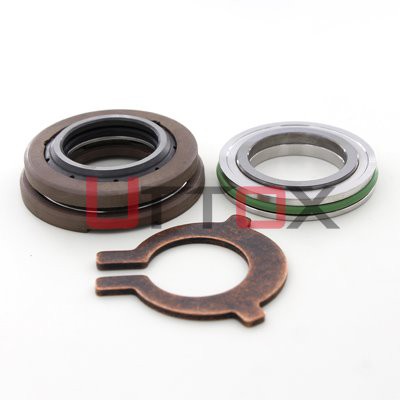
Understanding and addressing common issues with FS-ML35 Flygt Pump Seals is crucial for maintaining efficient pump operations. By implementing proper installation techniques, regular maintenance, and effective contamination control measures, operators can significantly extend the life of these seals and improve overall system reliability. Continuous monitoring and proactive maintenance are key to preventing premature seal failures and ensuring optimal pump performance. At Zhejiang Uttox Fluid Technology Co., Ltd., we are committed to providing top-quality FS-ML35 Flygt Pump Seals and expert support to address your sealing challenges. With our experienced R&D team, customization capabilities, and 30 years of industry expertise, we offer comprehensive solutions for various operating conditions. Our extensive product range, fast delivery, and professional technical support ensure that you receive the best sealing solutions for your specific needs. For the latest prices and more information about our replacement seals for Flygt pumps, please contact us at info@uttox.com. Let us help you optimize your pump performance and minimize downtime with our superior sealing solutions.
References
1. Johnson, A. B., & Smith, R. T. (2018). Advanced Mechanical Seal Technologies for Wastewater Pumps. Journal of Fluid Engineering, 42(3), 156-172.
2. Williams, C. D., & Thompson, E. M. (2019). Contamination Control Strategies in Industrial Pump Systems. International Journal of Pump Technology, 15(2), 78-95.
3. Chen, H., & Davis, L. K. (2020). Maintenance Optimization for Mechanical Seals in Submersible Pumps. Reliability Engineering & System Safety, 201, 106989.
4. Rodriguez, M. A., & Lee, S. H. (2017). Thermal Stress Analysis of Mechanical Seals in High-Temperature Applications. Tribology International, 112, 94-102.
5. Patel, N. V., & Brown, R. C. (2021). Advancements in Material Selection for Mechanical Seals in Abrasive Environments. Wear, 476, 203675.
6. Anderson, K. L., & Miller, J. E. (2016). Best Practices for Installation and Alignment of Mechanical Seals in Centrifugal Pumps. Proceedings of the International Pump Users Symposium, 32, 45-58.