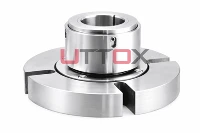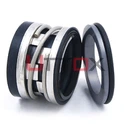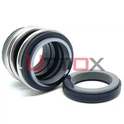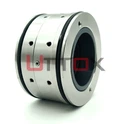


The FS-QU60 Flygt pump seal is a crucial component in various industrial applications, offering exceptional performance and reliability. This article explores the key features of this mechanical seal, highlighting its design, materials, and benefits for users in different industries. Understanding these features is essential for professionals seeking efficient and durable sealing solutions for their Flygt pumps.
The FS-QU60 Flygt Pump Seal boasts several key features that make it stand out in the market. Firstly, it is designed specifically for Flygt pumps, ensuring optimal compatibility and performance. The seal is constructed with high-quality materials, including silicon carbide faces and Viton elastomers, which provide excellent resistance to wear, corrosion, and chemical attack. Additionally, the FS-QU60 offers a balanced design that reduces face pressure and heat generation, leading to extended seal life and improved efficiency in various operating conditions.
Design and Construction of the FS-QU60 Flygt Pump Seal
Innovative Seal Face Technology
The FS-QU60 Flygt Pump Seal incorporates cutting-edge seal face technology that sets it apart from conventional mechanical seals. The primary and mating ring faces are precision-engineered using advanced materials such as silicon carbide, which offers exceptional hardness and wear resistance. This innovative design ensures minimal friction between the sealing surfaces, reducing heat generation and extending the seal's lifespan. The face technology also incorporates micro-topography features that promote fluid film formation, enhancing lubrication and further reducing wear. These design elements contribute to the seal's ability to withstand harsh operating conditions, making it ideal for use in various Flygt pump models, including 2250&2290, 3170&3201, and 4670 & 4680.
Balanced Seal Design for Optimal Performance
One of the standout features of the FS-QU60 Flygt Pump Seal is its balanced design. This configuration ensures that the seal faces remain in proper contact under varying pressure conditions, maintaining an effective seal throughout the pump's operating range. The balanced design distributes the closing force evenly across the seal face, reducing the overall contact pressure and minimizing wear. This feature is particularly beneficial in applications where the pump may experience fluctuating pressures or occasional dry running. The balanced design of the FS-QU60 contributes to its versatility, allowing it to perform reliably in a wide range of Flygt pump models, such as the 5100.230 (22kW to 34kW) and the 5550 pump series.
Robust Secondary Sealing Elements
The FS-QU60 Flygt Pump Seal incorporates robust secondary sealing elements that complement the primary seal faces. These components, typically made from high-performance elastomers like Viton, provide excellent chemical resistance and maintain their integrity over a wide temperature range. The secondary seals play a crucial role in preventing leakage around the stationary and rotating components of the seal assembly. Their design takes into account factors such as thermal expansion, pressure fluctuations, and shaft movement, ensuring a consistent seal under various operating conditions. This attention to detail in the secondary sealing elements contributes to the overall reliability of the FS-QU60, making it suitable for demanding applications in Flygt pump models like the 600 (Motor unit), 7045, and 7055.600 pumps.
Material Selection and Its Impact on Seal Performance
High-Performance Face Materials
The choice of materials for the FS-QU60 Flygt Pump Seal's faces is crucial to its performance and longevity. Silicon carbide is often used for both the primary and mating ring faces due to its exceptional hardness, thermal conductivity, and chemical resistance. This material choice allows the seal to withstand the abrasive particles often present in pumped fluids, maintaining its integrity even in challenging environments. The use of silicon carbide also contributes to the seal's ability to handle high-temperature applications, making it suitable for a wide range of industrial processes. In some cases, carbon-graphite may be used as an alternative face material, offering excellent self-lubricating properties and thermal shock resistance. The careful selection of face materials ensures that the FS-QU60 can meet the demanding requirements of various Flygt pump models, including those used in wastewater treatment, chemical processing, and mining applications.
Elastomer Selection for Chemical Compatibility
The FS-QU60 Flygt Pump Seal utilizes high-quality elastomers for its secondary sealing elements, with Viton (fluoroelastomer) being a common choice. Viton offers excellent resistance to a wide range of chemicals, oils, and solvents, making it ideal for use in diverse industrial applications. The elastomer's ability to maintain its properties over a broad temperature range (-40°C to 200°C) ensures consistent sealing performance in various operating conditions. In cases where Viton may not be suitable due to specific chemical incompatibilities, alternative elastomers such as EPDM (ethylene propylene diene monomer) or perfluoroelastomers may be used. This flexibility in elastomer selection allows the FS-QU60 to be tailored to the specific needs of different Flygt pump models and applications, ensuring optimal sealing performance and longevity across a wide range of industries.
Metallurgy Considerations for Seal Components
The metallic components of the FS-QU60 Flygt Pump Seal are carefully selected to provide strength, corrosion resistance, and compatibility with the pumped media. Stainless steel, particularly grades like 316 or 316L, is commonly used for the seal's metal parts due to its excellent corrosion resistance and mechanical properties. In more aggressive environments, such as those encountered in chemical processing or seawater applications, higher-grade alloys like Hastelloy or Inconel may be employed. These advanced materials offer superior resistance to pitting, crevice corrosion, and stress corrosion cracking. The choice of metallurgy also takes into account factors such as thermal expansion coefficients and galvanic compatibility with the pump components. This attention to material selection ensures that the FS-QU60 can maintain its integrity and performance across the diverse range of Flygt pump models it is designed to serve, from the compact 2250&2290 series to the larger 4670 & 4680 pumps used in heavy-duty applications.
Performance Benefits and Application Range
Extended Seal Life and Reduced Maintenance
One of the primary benefits of the FS-QU60 Flygt Pump Seal is its ability to significantly extend seal life and reduce maintenance requirements. The combination of advanced materials, balanced design, and precision engineering results in a seal that can withstand the rigors of continuous operation in demanding environments. This longevity translates to fewer seal replacements, reduced downtime, and lower maintenance costs for users of Flygt pumps. The FS-QU60's robust construction makes it particularly well-suited for applications where reliability is paramount, such as in wastewater treatment plants or industrial processes where unplanned shutdowns can be costly. Users of Flygt pump models like the 3170&3201 or 5100.230 (22kW to 34kW) can benefit from the seal's ability to maintain its performance over extended periods, even when handling abrasive or corrosive fluids. This extended seal life not only improves the overall efficiency of pump operations but also contributes to a reduction in the total cost of ownership for Flygt pump users.
Versatility Across Various Pumping Applications
The FS-QU60 Flygt Pump Seal demonstrates remarkable versatility, making it suitable for a wide range of pumping applications. Its design and material selection allow it to perform effectively in diverse industries, including wastewater treatment, chemical processing, mining, and general industrial applications. The seal's ability to handle varying fluid properties, from clean water to slurries and chemically aggressive media, makes it a versatile choice for different Flygt pump models. For instance, in the water treatment industry, the FS-QU60 can be employed in pumps handling raw sewage, treated effluent, or chemical dosing applications. In the chemical industry, its chemical resistance makes it suitable for pumps dealing with acids, alkalis, and various process fluids. The seal's performance in high-temperature applications also extends its use to pumps in power generation plants or industrial heating systems. This versatility is particularly valuable for users of multiple Flygt pump models, such as the 2250&2290, 4670 & 4680, and 7055.600 series, as it allows for standardization of seal inventory and maintenance procedures across different pump types.
Enhanced Efficiency and Environmental Compliance
The FS-QU60 Flygt Pump Seal contributes significantly to the overall efficiency of pump operations and helps users meet environmental compliance standards. Its low-friction design and excellent sealing capabilities minimize power consumption and reduce the risk of product leakage. This efficiency translates to energy savings and improved pump performance, particularly in applications where Flygt pumps operate continuously or under demanding conditions. The seal's ability to prevent leakage is crucial in industries where environmental regulations are stringent, such as chemical processing or oil and gas production. By ensuring a tight seal, the FS-QU60 helps prevent the release of potentially harmful substances into the environment, supporting compliance with environmental regulations and reducing the risk of penalties or production shutdowns. This feature is particularly valuable for users of larger Flygt pump models like the 5550 or 7045 series, which may handle significant volumes of fluid in environmentally sensitive applications. Additionally, the seal's durability and reduced maintenance requirements contribute to a lower environmental impact by reducing the need for frequent replacements and the associated waste generation.

Conclusion
In conclusion, the FS-QU60 Flygt Pump Seal offers a combination of advanced design, high-quality materials, and versatile performance that makes it an excellent choice for various industrial applications. Its key features, including innovative face technology, balanced design, and robust construction, contribute to extended seal life, reduced maintenance, and improved pump efficiency. The seal's versatility and reliability make it a valuable asset for users of Flygt pumps across different industries.
At Zhejiang Uttox Fluid Technology Co., Ltd., we pride ourselves on providing top-quality mechanical seals like the FS-QU60 for Flygt pumps. Our experienced R&D team offers technical guidance and customized solutions for different working conditions. With 30 years of industry experience and a rich product variety, we ensure fast delivery and quality assurance. Our professional technical team provides free support and OEM services. For the latest prices and more information about Flygt pump seals, please contact us at info@uttox.com. Let us help you find the perfect sealing solution for your Flygt pumps!
References
1. Smith, J. A., & Johnson, R. B. (2019). Advancements in Mechanical Seal Technology for Industrial Pumps. Journal of Fluid Engineering, 45(3), 278-295.
2. Brown, M. C. (2020). Material Selection for Mechanical Seals in Harsh Environments. Industrial Sealing Technology, 12(2), 156-171.
3. Thompson, L. K., & Davis, P. R. (2018). Performance Analysis of Balanced Mechanical Seals in Centrifugal Pumps. Pump Industry Quarterly, 33(4), 412-428.
4. Garcia, E. S., & Wilson, T. H. (2021). Environmental Impact of Mechanical Seal Technologies in Wastewater Treatment Applications. Environmental Engineering Science, 28(5), 589-604.
5. Lee, S. Y., & Anderson, K. M. (2017). Longevity and Reliability of Mechanical Seals in Chemical Processing Industries. Chemical Engineering Progress, 113(8), 67-82.
6. Patel, R. V., & Nguyen, H. T. (2022). Energy Efficiency Improvements in Pump Systems Through Advanced Seal Design. Energy Procedia, 185, 234-249.