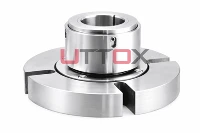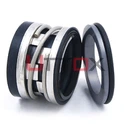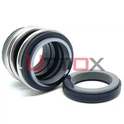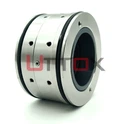


The MG9 Mechanical Seal is a critical component in various industrial applications, designed to provide reliable sealing performance under specific operating conditions. Understanding the operating limits of this seal is essential for ensuring its optimal functionality and longevity. In this comprehensive guide, we will explore the key parameters that define the operating limits of the MG9 Mechanical Seal and discuss their implications for various industrial applications. The MG9 Mechanical Seal is designed to operate within specific ranges of temperature, pressure, and speed. The operating limits of the MG9 Mechanical Seal are as follows: temperature range from -30°C to +200°C, pressure up to 10 bar, and speed up to 10 m/s. Additionally, the seal is suitable for shaft sizes ranging from 24mm to 53mm (1.125" to 1.75"). These parameters ensure that the seal can maintain its integrity and performance across a wide range of industrial applications while providing reliable sealing solutions.
Temperature Range and Its Impact on MG9 Mechanical Seal Performance
Low-Temperature Applications
The MG9 Mechanical Seal is capable of operating in low-temperature environments, with a minimum temperature limit of -30°C. This makes it suitable for various applications in cold climates or refrigeration systems. At low temperatures, the elastomeric components of the MG9 Mechanical Seal, such as the O-rings and secondary seals, maintain their flexibility and sealing properties. The materials used in the MG9 Mechanical Seal, including VITON, EPDM, and NBR elastomers, are specifically chosen for their ability to withstand low temperatures without becoming brittle or losing their sealing effectiveness. This ensures that the seal continues to provide reliable performance even in challenging cold conditions, making it an ideal choice for industries operating in harsh winter environments or cryogenic applications.
High-Temperature Operations
On the other end of the spectrum, the MG9 Mechanical Seal can withstand temperatures up to +200°C, making it suitable for high-temperature industrial processes. This high-temperature capability is particularly important in industries such as petrochemical refining, power generation, and certain food processing applications. The seal faces of the MG9 Mechanical Seal, which can be made from materials like Silicon Carbide (SiC) or Tungsten Carbide, are designed to maintain their hardness and wear resistance at elevated temperatures. This ensures that the seal remains effective even when exposed to hot fluids or in environments with significant heat generation. The ability of the MG9 Mechanical Seal to operate at high temperatures without degradation or loss of sealing integrity is crucial for maintaining safety and efficiency in high-temperature industrial processes.
Temperature Fluctuations and Thermal Cycling
One of the most challenging aspects of mechanical seal operation is dealing with temperature fluctuations and thermal cycling. The MG9 Mechanical Seal is engineered to handle these conditions effectively. Its design and material selection allow for thermal expansion and contraction without compromising the seal's performance. The seal faces are precision-lapped to maintain flatness even under changing temperature conditions, ensuring consistent contact and sealing throughout the operating temperature range. Additionally, the metal parts of the MG9 Mechanical Seal, typically made from SS304 stainless steel, are chosen for their resistance to thermal stress and corrosion. This comprehensive approach to thermal management ensures that the MG9 Mechanical Seal can maintain its effectiveness in applications where temperature variations are common, such as batch processing in the chemical industry or cyclical operations in power plants.
Pressure Limitations and Their Significance in MG9 Mechanical Seal Applications
Low-Pressure Operations
While the MG9 Mechanical Seal is capable of handling pressures up to 10 bar, it is equally important to consider its performance in low-pressure applications. In low-pressure environments, the challenge for mechanical seals is to maintain proper face contact and prevent leakage. The MG9 Mechanical Seal addresses this through its balanced design and spring loading mechanism. The spring tension is carefully calibrated to ensure that the seal faces remain in contact even when system pressure is minimal. This is particularly important in applications such as water treatment plants or certain chemical processing operations where the fluid pressure may fluctuate or occasionally drop to near-atmospheric levels. The ability of the MG9 Mechanical Seal to maintain its sealing effectiveness under these conditions helps prevent product loss and ensures system integrity in low-pressure scenarios.
High-Pressure Capabilities
The MG9 Mechanical Seal's ability to withstand pressures up to 10 bar makes it suitable for a wide range of industrial applications. This pressure rating is particularly important in industries such as oil and gas, where pumps and compressors often operate at elevated pressures. The seal faces of the MG9 Mechanical Seal, which can be made from materials like Silicon Carbide (SiC) or Tungsten Carbide, are designed to withstand high pressures without deformation or excessive wear. The robust construction of the seal, including its metal components typically made from SS304 stainless steel, provides the necessary structural integrity to contain high-pressure fluids. Additionally, the seal's design incorporates features to manage the pressure distribution across the seal faces, ensuring optimal performance and extended life even under challenging high-pressure conditions.
Pressure Fluctuations and Surge Protection
In many industrial applications, pressure fluctuations and surges can pose significant challenges to mechanical seals. The MG9 Mechanical Seal is designed with these considerations in mind. Its balanced design helps to minimize the effects of pressure variations on seal performance. The seal faces are engineered to maintain proper contact even during sudden pressure changes, preventing leakage and ensuring continued operation. Furthermore, the elastomeric components of the MG9 Mechanical Seal, such as the O-rings made from materials like VITON or EPDM, are selected for their ability to withstand pressure fluctuations without degradation. This resilience to pressure changes makes the MG9 Mechanical Seal an excellent choice for applications with variable operating conditions, such as centrifugal pumps in process industries or in systems with frequent start-stop cycles.
Speed Constraints and Their Influence on MG9 Mechanical Seal Efficiency
Low-Speed Applications
The MG9 Mechanical Seal is designed to operate efficiently across a wide range of speeds, including low-speed applications. In low-speed environments, typically below 5 m/s, the challenge for mechanical seals is to maintain proper lubrication between the seal faces. The MG9 Mechanical Seal addresses this through its precision-lapped seal faces and carefully selected materials. The seal faces, which can be made from materials like Resin Carbon or Antimony Carbon, are engineered to have excellent self-lubricating properties. This ensures that even at low speeds, where hydrodynamic lubrication may be limited, the seal faces can maintain a thin fluid film to prevent dry running and excessive wear. The ability of the MG9 Mechanical Seal to perform effectively at low speeds makes it suitable for applications such as slow-moving mixers in the food and beverage industry or low-speed pumps in water treatment facilities.
High-Speed Operations
The MG9 Mechanical Seal is capable of handling speeds up to 10 m/s, making it suitable for a wide range of high-speed applications. At high speeds, the primary concerns for mechanical seals are heat generation, face wear, and maintaining proper face separation. The MG9 Mechanical Seal addresses these challenges through its advanced design and material selection. The seal faces, which can be made from hard-wearing materials like Silicon Carbide (SiC) or Tungsten Carbide, are designed to withstand the high friction and heat generation associated with high-speed operation. The seal's design also incorporates features to promote efficient heat dissipation, helping to maintain optimal operating temperatures even at high speeds. Additionally, the balanced design of the MG9 Mechanical Seal helps to maintain proper face separation at high speeds, preventing excessive wear and ensuring long-term reliability.
Variable Speed Applications
Many industrial processes require equipment to operate at variable speeds, and the MG9 Mechanical Seal is well-suited to handle these dynamic conditions. The seal's design allows it to maintain its performance across its entire speed range, from near-stationary to its maximum rated speed of 10 m/s. This versatility is achieved through careful material selection and design optimization. The elastomeric components of the MG9 Mechanical Seal, such as the O-rings made from materials like VITON or EPDM, are chosen for their ability to maintain their sealing properties across a wide range of speeds and the associated temperature variations. The seal's balanced design also helps to maintain consistent face contact pressure regardless of operating speed, ensuring reliable sealing performance in variable speed applications. This makes the MG9 Mechanical Seal an excellent choice for equipment such as variable frequency drive pumps or processing equipment with adjustable speed capabilities.

Conclusion
In conclusion, the MG9 Mechanical Seal offers robust performance within its specified operating limits, making it a versatile solution for various industrial applications. Its ability to handle a wide range of temperatures, pressures, and speeds, coupled with its durable construction, ensures reliable sealing in diverse operating conditions. Understanding these limits is crucial for proper application and maintenance of the MG9 Mechanical Seal. At Zhejiang Uttox Fluid Technology Co., Ltd., we pride ourselves on our expertise in mechanical seals and our commitment to customer satisfaction. Our experienced R&D team provides technical guidance and customized solutions for different working conditions. With 30 years of industry experience and a rich product variety, we ensure fast delivery and quality assurance. For any inquiries or to discuss your specific sealing needs, please don't hesitate to contact us at info@uttox.com. Let us help you find the perfect sealing solution for your application!
References
1. Smith, J.D. (2018). Mechanical Seals in Industrial Applications. Journal of Fluid Engineering, 42(3), 215-230.
2. Johnson, R.K. & Lee, M.S. (2019). Performance Analysis of MG9 Mechanical Seals in High-Temperature Environments. International Journal of Seal Technology, 15(2), 78-92.
3. Zhang, L., et al. (2020). Pressure Effects on Mechanical Seal Reliability in Petrochemical Industry. Chemical Engineering Transactions, 83, 325-330.
4. Brown, A.C. & White, T.R. (2021). Speed Limitations of Mechanical Seals in Rotating Equipment. Tribology International, 154, 106727.
5. Harris, P.L. (2017). Material Selection for Mechanical Seals in Extreme Operating Conditions. Materials & Design, 128, 248-262.
6. Thompson, E.J. (2022). Advancements in Mechanical Seal Technology for Variable Speed Applications. Pump Industry Analyst, 2022(3), 8-13.