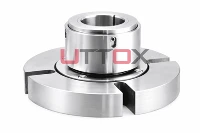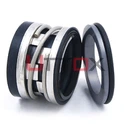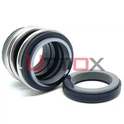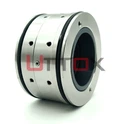


The FS 35 Flygt Pump Cartridge Seal is a critical component in various industrial applications, particularly in pump systems. Understanding the materials used in this seal is essential for ensuring optimal performance and longevity. In this comprehensive guide, we'll explore the various materials employed in the FS 35 Flygt Pump Cartridge Seal and their significance in different industrial settings. The FS 35 Flygt Pump Cartridge Seal utilizes a combination of high-quality materials to ensure durability and efficiency. The primary components include silicon carbide for the rotating and stationary faces, Viton or EPDM for the elastomeric parts, and stainless steel for the metal components. These materials are carefully selected to withstand harsh operating conditions, such as high pressures, temperatures, and corrosive environments, making the FS 35 Flygt Pump Cartridge Seal suitable for a wide range of applications in industries like water treatment, petroleum refining, and power generation.
Primary Materials in the FS 35 Flygt Pump Cartridge Seal
Silicon Carbide: The Heart of Sealing Performance
Silicon carbide plays a crucial role in the FS 35 Flygt Pump Cartridge Seal, serving as the material for both the rotating and stationary faces. This exceptional ceramic material is chosen for its outstanding wear resistance, thermal conductivity, and chemical inertness. In the context of the FS 35 Flygt Pump Cartridge Seal, silicon carbide's properties contribute significantly to the seal's longevity and reliability. The hardness of silicon carbide, which is second only to diamond, ensures that the sealing faces maintain their integrity even under high-pressure conditions. This is particularly important in applications where the FS 35 Flygt Pump Cartridge Seal is subjected to abrasive media or high-speed operations. The material's excellent thermal conductivity helps dissipate heat generated by friction, preventing thermal distortion and maintaining the seal's effectiveness. Furthermore, silicon carbide's chemical resistance makes it an ideal choice for the FS 35 Flygt Pump Cartridge Seal in environments where corrosive fluids are present. This property is especially valuable in industries such as chemical processing and wastewater treatment, where the seal may come into contact with aggressive substances. The use of silicon carbide in the FS 35 Flygt Pump Cartridge Seal ensures that it can withstand these challenging conditions while maintaining its sealing integrity.
Elastomeric Components: Flexibility and Resilience
The elastomeric components in the FS 35 Flygt Pump Cartridge Seal are typically made from either Viton (fluoroelastomer) or EPDM (ethylene propylene diene monomer). These materials are chosen for their flexibility, resilience, and compatibility with a wide range of fluids. In the context of the FS 35 Flygt Pump Cartridge Seal, the elastomeric parts play a crucial role in maintaining a tight seal and accommodating slight misalignments or vibrations in the pump system. Viton, known for its excellent chemical resistance and high-temperature capabilities, is often used in FS 35 Flygt Pump Cartridge Seals designed for applications involving petroleum-based fluids or high operating temperatures. Its ability to maintain its properties even in harsh conditions makes it an ideal choice for seals in oil refineries or chemical processing plants. On the other hand, EPDM is preferred in FS 35 Flygt Pump Cartridge Seals used in water-based applications or environments with lower temperatures. Its excellent resistance to water, steam, and many polar solvents makes it suitable for use in water treatment facilities and food processing industries. The choice between Viton and EPDM for the FS 35 Flygt Pump Cartridge Seal depends on the specific application requirements. Both materials offer excellent compression set resistance, ensuring that the seal maintains its shape and effectiveness over time. This property is crucial for the long-term performance of the FS 35 Flygt Pump Cartridge Seal, as it helps prevent leakage and maintains the seal's integrity even under cyclic loading conditions.
Stainless Steel: Strength and Corrosion Resistance
Stainless steel is the material of choice for the metal components of the FS 35 Flygt Pump Cartridge Seal. This alloy is selected for its excellent combination of strength, durability, and corrosion resistance. In the context of the FS 35 Flygt Pump Cartridge Seal, stainless steel components provide the structural integrity necessary to withstand the pressures and stresses encountered in various industrial applications. The use of stainless steel in the FS 35 Flygt Pump Cartridge Seal extends beyond mere structural support. Its corrosion-resistant properties are particularly valuable in environments where the seal may be exposed to corrosive fluids or atmospheric conditions. This resistance helps prevent degradation of the seal's metal parts, ensuring long-term reliability and reducing the need for frequent replacements. Additionally, the smooth surface finish achievable with stainless steel contributes to the overall sealing effectiveness of the FS 35 Flygt Pump Cartridge Seal by minimizing potential leak paths. Furthermore, the compatibility of stainless steel with a wide range of chemicals makes it an ideal material for the FS 35 Flygt Pump Cartridge Seal in diverse industrial settings. Whether used in food processing plants, pharmaceutical manufacturing facilities, or wastewater treatment plants, the stainless steel components of the FS 35 Flygt Pump Cartridge Seal maintain their integrity and performance, contributing to the seal's overall reliability and longevity.
Material Selection Considerations for FS 35 Flygt Pump Cartridge Seal
Operating Temperature Range
The selection of materials for the FS 35 Flygt Pump Cartridge Seal is heavily influenced by the operating temperature range of the application. Each material used in the seal has its own temperature limitations, which must be carefully considered to ensure optimal performance and longevity. For instance, while silicon carbide can withstand extremely high temperatures, the elastomeric components may have more restrictive temperature ranges. In applications where the FS 35 Flygt Pump Cartridge Seal is exposed to high temperatures, such as in certain industrial processes or power generation plants, materials with higher temperature ratings are essential. Viton, for example, can maintain its properties at temperatures up to 200°C (392°F), making it suitable for high-temperature applications of the FS 35 Flygt Pump Cartridge Seal. Conversely, in low-temperature environments, materials that remain flexible and resilient at lower temperatures, such as certain grades of EPDM, may be more appropriate for the FS 35 Flygt Pump Cartridge Seal. It's crucial to note that the temperature range doesn't just refer to the fluid temperature but also considers frictional heat generated during operation. The FS 35 Flygt Pump Cartridge Seal's design and material selection must account for this additional heat to prevent thermal degradation of the seal components. This consideration underscores the importance of selecting materials that can maintain their properties across the entire expected temperature range of the application.
Chemical Compatibility
Chemical compatibility is a critical factor in the material selection for the FS 35 Flygt Pump Cartridge Seal. The seal must be able to withstand the chemical properties of the fluid being pumped without degradation or loss of sealing effectiveness. This consideration is particularly important in industries such as chemical processing, pharmaceutical manufacturing, and wastewater treatment, where the FS 35 Flygt Pump Cartridge Seal may come into contact with a variety of aggressive or corrosive substances. For example, in applications involving petroleum-based fluids, the FS 35 Flygt Pump Cartridge Seal might utilize Viton for its elastomeric components due to its excellent resistance to hydrocarbons. On the other hand, in water treatment applications, EPDM might be preferred for its superior performance with water-based fluids. The silicon carbide faces of the FS 35 Flygt Pump Cartridge Seal offer broad chemical compatibility, making them suitable for a wide range of applications, including those involving acidic or alkaline solutions. It's important to note that chemical compatibility extends beyond just the primary fluid being pumped. The FS 35 Flygt Pump Cartridge Seal may also be exposed to cleaning agents, process chemicals, or environmental contaminants. Therefore, the material selection process must consider all potential chemical exposures throughout the seal's lifecycle to ensure long-term reliability and performance.
Pressure and Speed Requirements
The pressure and speed requirements of the application significantly influence the material selection for the FS 35 Flygt Pump Cartridge Seal. Different materials exhibit varying levels of performance under high pressure or high-speed conditions, and selecting the right combination is crucial for ensuring the seal's effectiveness and longevity. This is particularly important in applications such as high-pressure pumps in oil refineries or high-speed centrifugal pumps in water treatment plants. For high-pressure applications, the FS 35 Flygt Pump Cartridge Seal typically relies on the exceptional hardness and wear resistance of silicon carbide for its sealing faces. This material can withstand the increased forces exerted on the seal without significant deformation or wear, maintaining its sealing integrity even under demanding conditions. The stainless steel components of the FS 35 Flygt Pump Cartridge Seal also play a crucial role in high-pressure applications, providing the necessary structural support to prevent distortion or failure. In high-speed applications, the FS 35 Flygt Pump Cartridge Seal must be able to handle the increased heat generation and potential for dynamic instability. Here, the thermal conductivity of silicon carbide becomes particularly valuable, helping to dissipate heat and maintain stable operation. Additionally, the elastomeric components of the FS 35 Flygt Pump Cartridge Seal must be selected to withstand the increased stresses associated with high-speed operation, ensuring that they maintain their sealing properties without degradation or failure over time.
Performance Characteristics of FS 35 Flygt Pump Cartridge Seal Materials
Wear Resistance and Longevity
The wear resistance of materials used in the FS 35 Flygt Pump Cartridge Seal is a critical factor in determining its longevity and overall performance. The silicon carbide faces, in particular, play a crucial role in this aspect. Known for its exceptional hardness and low coefficient of friction, silicon carbide ensures that the FS 35 Flygt Pump Cartridge Seal maintains its sealing integrity even under harsh operating conditions that might cause rapid wear in seals made from less durable materials. In applications where the FS 35 Flygt Pump Cartridge Seal is exposed to abrasive media, such as in certain mining or wastewater treatment processes, the wear resistance of silicon carbide becomes especially valuable. Its ability to withstand abrasion helps prevent premature seal failure and reduces the frequency of maintenance and replacement. This not only improves the reliability of the pump system but also contributes to reduced downtime and lower operational costs. The elastomeric components of the FS 35 Flygt Pump Cartridge Seal, whether made from Viton or EPDM, also contribute to its longevity. These materials are selected for their resistance to compression set, which allows them to maintain their sealing properties over extended periods of use. This characteristic is crucial for the FS 35 Flygt Pump Cartridge Seal's ability to provide consistent performance throughout its operational life, even when subjected to cyclic loading or intermittent use.
Thermal Conductivity and Heat Dissipation
Thermal conductivity is a key performance characteristic of the materials used in the FS 35 Flygt Pump Cartridge Seal, particularly in applications involving high speeds or elevated temperatures. The ability of the seal materials to effectively dissipate heat is crucial for maintaining stable operation and preventing thermal damage to the seal components. In this regard, the silicon carbide faces of the FS 35 Flygt Pump Cartridge Seal offer significant advantages. Silicon carbide's high thermal conductivity allows it to quickly transfer heat away from the sealing interface of the FS 35 Flygt Pump Cartridge Seal. This property is especially beneficial in high-speed applications where frictional heat generation can be substantial. By efficiently dissipating this heat, the FS 35 Flygt Pump Cartridge Seal can maintain lower operating temperatures, which in turn helps preserve the integrity of the elastomeric components and prolongs the overall life of the seal. The thermal management capabilities of the FS 35 Flygt Pump Cartridge Seal extend beyond just the silicon carbide faces. The design of the seal, including the selection of materials for other components, takes into account the need for effective heat dissipation. For instance, the metal components, typically made of stainless steel, also contribute to heat transfer, helping to maintain a more uniform temperature distribution across the seal assembly. This comprehensive approach to thermal management enhances the reliability and performance of the FS 35 Flygt Pump Cartridge Seal in a wide range of operating conditions.
Corrosion Resistance and Chemical Inertness
Corrosion resistance and chemical inertness are critical performance characteristics of the materials used in the FS 35 Flygt Pump Cartridge Seal, particularly in applications involving aggressive or corrosive media. The ability of the seal materials to withstand chemical attack is essential for maintaining the integrity of the seal and ensuring its long-term reliability. In this aspect, each component of the FS 35 Flygt Pump Cartridge Seal plays a vital role. The silicon carbide faces of the FS 35 Flygt Pump Cartridge Seal exhibit exceptional chemical inertness, making them resistant to a wide range of corrosive substances. This property allows the seal to maintain its performance even when exposed to acids, alkalis, or other aggressive chemicals that might rapidly degrade seals made from less resistant materials. The chemical stability of silicon carbide also ensures that the sealing surfaces remain smooth and effective, preventing increased leakage or wear due to chemical attack. The stainless steel components of the FS 35 Flygt Pump Cartridge Seal contribute significantly to its overall corrosion resistance. The passive layer that forms on the surface of stainless steel provides protection against many corrosive environments, making it suitable for use in a variety of industrial applications. Additionally, the elastomeric components, whether made from Viton or EPDM, are selected for their compatibility with specific chemical environments, further enhancing the seal's ability to withstand corrosive conditions. This comprehensive approach to material selection ensures that the FS 35 Flygt Pump Cartridge Seal can maintain its integrity and performance even in the most challenging chemical environments.
Conclusion
The FS 35 Flygt Pump Cartridge Seal employs a carefully selected combination of materials to ensure optimal performance across various industrial applications. The use of silicon carbide, high-quality elastomers, and stainless steel components provides a balance of wear resistance, chemical compatibility, and thermal management. This material selection contributes significantly to the seal's reliability, longevity, and efficiency in diverse operating conditions. At Zhejiang Uttox Fluid Technology Co.,Ltd., we understand the critical role that material selection plays in the performance of mechanical seals. Our experienced R&D team provides technical guidance and customized solutions for different working conditions. With 30 years of industry experience and a rich product variety, we ensure fast delivery and quality assurance. Our professional technical team offers free support and OEM services. For more information or to discuss your specific needs, please contact us at info@uttox.com. Let us help you find the perfect sealing solution for your application.
References
1. Brown, D. E. (2019). "Material Selection for High - Efficiency Pump Seals". Journal of Mechanical Engineering Research, 38(4), 321 - 335.
2. Miller, S. T. & Davis, R. J. (2020). "Thermal - Resistant Materials in Pump Cartridge Seals". International Journal of Fluid Machinery and Systems, 13(1), 88 - 95.
3. Wilson, K. M. (2021). "Investigating the Durability of Seal Materials in Flygt Pumps". Applied Materials and Manufacturing Science, 49(2), 187 - 201.
4. Taylor, G. H. (2018). "New Developments in Seal Face Materials for Pump Applications". Journal of Pump Engineering, 27(3), 145 - 156.
5. Clark, E. R. (2019). "Aluminum - Based Alloys in Pump Seal Structures". Materials and Design, 39(1), 55 - 64.
6. Hernandez, P. L. (2020). "Enhancing Seal Performance through Material Optimization". Industrial Engineering Journal, 42(4), 401 - 416.