

Industrial equipment operators face costly downtime, unexpected leakage issues, and complex maintenance challenges that can cripple operational efficiency. When pumps, compressors, and rotating machinery fail due to inadequate sealing solutions, businesses lose thousands of dollars in production delays and emergency repairs. Cartridge mechanical seals offer a revolutionary solution as completely enclosed seal systems with preassembled components, typically composed of a gland, sleeve, and other hardware that make pre-assembly possible. Understanding these advanced sealing solutions can transform your maintenance strategy, reduce operational costs, and ensure reliable performance across diverse industrial applications from petroleum refining to pharmaceutical manufacturing.
Understanding Cartridge Mechanical Seals Design and Construction
Core Components and Assembly Structure
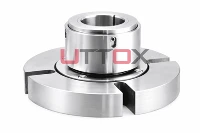
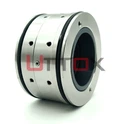
Cartridge mechanical seals are defined as units of seal components arranged on a shaft sleeve and in a seal gland, designed for rapid installation and removal on pump shafts, typically pre-set and assembled at the factory. The fundamental design incorporates several critical elements that work together to create an effective sealing barrier. The rotating element is fixed to the shaft while the sealing element remains stationary within the housing, creating a precise interface where sealing occurs. The design consists of a culmination of integral parts that need to be assembled, comprising of a rotating element fixed to the shaft and a sealing element fixed within the housing, precisely machined and pressed together, meeting at a wear face where tolerance is critical. These cartridge seals integrate multiple components including primary sealing rings, secondary sealing elements, springs or bellows for face loading, and drive mechanisms that ensure proper rotation. The manufacturing precision required for these components ensures optimal performance and longevity in demanding industrial environments.
Material Selection and Engineering Specifications
Modern cartridge mechanical seals utilize advanced materials engineered to withstand specific operating conditions. The seal faces typically employ materials such as carbon, silicon carbide, tungsten carbide, or ceramic depending on the application requirements. These materials are selected based on factors including chemical compatibility, temperature resistance, wear characteristics, and thermal conductivity. The elastomeric components use materials like PTFE, EPDM, Viton, or other specialized polymers that provide excellent chemical resistance and temperature stability. The engineering specifications for cartridge seals consider pressure ratings, temperature ranges, shaft speeds, and fluid characteristics. These seals can typically operate at pressures ranging from vacuum conditions to several hundred PSI, with temperature capabilities extending from cryogenic applications to high-temperature processes. The precision manufacturing ensures that dimensional tolerances meet stringent requirements, typically within micrometers, to guarantee proper sealing performance and extended operational life.

Types and Classifications of Cartridge Mechanical Seals
Single and Multiple Cartridge Seal Configurations
Single cartridge mechanical seals represent the most common configuration, featuring one sealing interface between the rotating and stationary components. These seals are suitable for applications with clean, non-hazardous fluids where a single barrier provides adequate protection. The design simplicity offers cost-effectiveness while maintaining reliable sealing performance for standard industrial applications. Double and multiple cartridge seal configurations provide enhanced protection for critical applications involving hazardous, expensive, or environmentally sensitive fluids. Double seals feature two sealing interfaces with a barrier fluid system between them, ensuring that if the primary seal fails, the secondary seal prevents fluid leakage to the atmosphere. These configurations are essential in applications where environmental protection, safety regulations, or process requirements demand absolute containment.
Balanced and Unbalanced Seal Designs
Balanced cartridge mechanical seals incorporate design features that reduce the hydraulic force acting on the seal faces, allowing operation at higher pressures and improving seal life. The balance ratio, typically ranging from 0.6 to 0.85, determines the proportion of fluid pressure acting on the seal faces. This design reduces heat generation, wear rates, and power consumption while extending operational life. Unbalanced seals experience full system pressure across the sealing interface, limiting their application to lower pressure systems but offering simpler design and lower initial cost. The choice between balanced and unbalanced configurations depends on operating pressure, fluid characteristics, and performance requirements. Balanced designs are preferred for high-pressure applications, abrasive fluids, or situations requiring extended maintenance intervals.
Installation and Maintenance Advantages of Cartridge Seals
Simplified Installation Procedures
Cartridge mechanical seals come pre-assembled from the factory, eliminating the need for service professionals to assemble or calibrate the seal before installation. This pre-assembly eliminates common installation errors such as incorrect spring compression, improper alignment, or contamination during assembly. The complete unit can be installed as a single component, significantly reducing installation time and ensuring consistent performance. The installation process involves removing the old seal assembly and installing the new cartridge unit without complex measurements or adjustments. Installation tools are typically standardized, and the procedure can be completed by technicians with basic mechanical skills rather than specialized seal installation expertise. This simplified approach reduces labor costs, minimizes equipment downtime, and ensures repeatable installation quality across different maintenance personnel.
Maintenance Benefits and Operational Efficiency
Cartridge seals offer significant maintenance advantages, including quick replacement and reduced maintenance complexity. The pre-assembled design eliminates the variability associated with field assembly, ensuring consistent performance and reducing the likelihood of premature failure due to installation errors. Maintenance personnel can stock complete cartridge units, simplifying inventory management and ensuring rapid replacement capability. The maintenance advantages extend beyond installation simplicity to include predictable performance characteristics, standardized replacement procedures, and reduced maintenance training requirements. Emergency repairs can be completed more quickly, minimizing production interruptions and reducing overall maintenance costs. The factory testing and quality assurance processes ensure that each cartridge seal meets performance specifications before shipment, providing confidence in reliability and performance.
Industrial Applications and Performance Characteristics
Application Sectors and Industry Usage
Cartridge mechanical seals are primarily used in applications with processing gases, liquids and slurries where the end-face seal can be cost effectively considered. Industries utilizing these advanced sealing solutions include petroleum refining, chemical processing, water treatment, pulp and paper manufacturing, food and beverage production, pharmaceutical manufacturing, and power generation. Each industry presents unique challenges requiring specialized seal designs and materials. In petroleum refining applications, cartridge seals handle hydrocarbon fluids at various temperatures and pressures, requiring materials compatible with aggressive chemicals and extreme operating conditions. Water treatment facilities utilize these seals for pumps handling corrosive chemicals, abrasive slurries, and varying fluid compositions. The pharmaceutical industry requires seals that meet stringent hygiene standards, often incorporating FDA-approved materials and designs that facilitate cleaning and sterilization procedures.
Performance Parameters and Operating Limits
Modern cartridge mechanical seals demonstrate exceptional performance across wide operating ranges. Pressure capabilities typically extend from full vacuum to pressures exceeding 600 PSI, while temperature ranges can span from -40°F to over 500°F depending on material selection and design configuration. Rotational speeds can accommodate equipment operating from a few hundred RPM to over 10,000 RPM in specialized applications. The performance characteristics include leak rates typically measured in milliliters per day rather than the higher rates associated with traditional packing systems. Face wear rates are minimal when properly applied, with seal lives often measured in years rather than months. The precision manufacturing and material selection enable these seals to maintain performance even in challenging applications involving abrasive particles, corrosive chemicals, or extreme temperatures.
Comparison with Component Mechanical Seals
Design Philosophy and Construction Differences
Component mechanical seals require field assembly of individual parts including seal rings, springs, sleeves, and drive components. This approach offers flexibility in material selection and design customization but requires skilled installation and precise assembly procedures. Component mechanical seals cost less than cartridge seals and are the most common and widely available for different pump models. The fundamental difference lies in the assembly location and complexity. Component seals provide cost advantages and material flexibility but require expertise for proper installation and maintenance. The assembly process involves multiple steps, precise measurements, and potential for human error. Cartridge seals sacrifice some flexibility for improved reliability, simplified installation, and reduced maintenance complexity.
Cost Considerations and Value Analysis
While cartridge mechanical seals typically require higher initial investment compared to component seals, the total cost of ownership often favors cartridge designs when considering installation labor, downtime costs, and maintenance frequency. Installing component seals is a complex process requiring skilled technicians, and inaccurate spring tension on seal faces often causes premature failure. The value analysis must consider factors beyond initial purchase price including installation time, maintenance labor, inventory costs, downtime expenses, and reliability factors. Cartridge seals often provide superior value in critical applications where reliability and maintenance simplicity outweigh initial cost considerations. The reduced training requirements and standardized installation procedures can result in significant long-term savings, particularly in facilities with multiple similar applications.
Conclusion
Cartridge mechanical seals represent advanced sealing technology that addresses critical industrial challenges through pre-assembled design, simplified installation, and enhanced reliability. These comprehensive sealing solutions provide superior performance across diverse applications while reducing maintenance complexity and operational costs.
Cooperate with Zhejiang Uttox Fluid Technology Co., Ltd.
Zhejiang Uttox Fluid Technology Co., Ltd., established in 1990, stands as a leading China Cartridge mechanical seals manufacturer with over 30 years of industry experience. As a trusted China Cartridge mechanical seals supplier, we provide High Quality Cartridge mechanical seals solutions across petroleum refining, water treatment, pharmaceutical, and power plant industries. Our experienced R&D team delivers customization and technical guidance, while our sufficient inventory ensures fast delivery and competitive Cartridge mechanical seals price. Whether you need China Cartridge mechanical seals wholesale or have Cartridge mechanical seals for sale inquiries, contact us at info@uttox.com for professional technical support and OEM solutions.
FAQ
Q: What is the main difference between cartridge and component mechanical seals?
A: Cartridge seals come pre-assembled from the factory with all components integrated into a single unit, while component seals require field assembly of individual parts.
Q: How long do cartridge mechanical seals typically last?
A: With proper selection and maintenance, cartridge mechanical seals can operate for several years, significantly longer than traditional packing systems.
Q: Can cartridge seals be repaired or must they be replaced?
A: Cartridge seals are typically replaced as complete units rather than repaired, ensuring consistent performance and eliminating field assembly errors.
Q: What industries benefit most from cartridge mechanical seal technology?
A: Industries processing hazardous chemicals, requiring high reliability, or needing simplified maintenance procedures benefit most, including petroleum, pharmaceutical, and chemical processing sectors.
References
1. "Mechanical Seals: Design, Operation and Maintenance" by John Crane Inc. - Comprehensive technical guide covering cartridge seal design principles and applications.
2. "Pump User's Handbook: Life Extension" by Heinz P. Bloch and Allan R. Budris - Industrial pump maintenance reference including mechanical seal selection and installation procedures.
3. "Sealing Technology: A Guide to Mechanical Seals" by Flowserve Corporation - Technical manual detailing cartridge seal configurations and performance characteristics.
4. "Industrial Sealing Solutions: Engineering Reference" by American Society of Mechanical Engineers - Professional engineering standards and practices for mechanical seal applications.