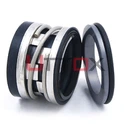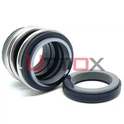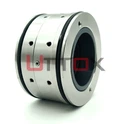


Are you experiencing frequent pump failures, fluid leakage, or contamination issues in your industrial operations? Understanding mechanical seals is crucial for preventing costly downtime and ensuring optimal equipment performance. A mechanical seal is a precision dynamic device that prevents fluid leakage between rotating and stationary components, particularly in pumps like ITT Flygt systems. These critical components have revolutionized industrial sealing solutions for over a century, providing reliable containment where traditional packing materials often fail. Whether you're dealing with aggressive chemicals, high temperatures, or demanding operating conditions, the right mechanical seal can mean the difference between smooth operations and expensive maintenance headaches.
Understanding ITT Flygt Mechanical Seals Fundamentals
Mechanical seals represent one of the most sophisticated sealing technologies in modern industrial applications, particularly in ITT Flygt pump systems. These devices consist of two primary sealing faces - one stationary and one rotating - that maintain contact under spring pressure and hydraulic force. The fundamental principle behind ITT Flygt mechanical seals involves creating a microscopic fluid film between these faces, which simultaneously lubricates and seals the interface. This ingenious design allows for minimal leakage while accommodating the thermal expansion and minor shaft movements inherent in pump operations. The effectiveness of Flygt mechanical seals depends on several critical factors including face materials, spring systems, and secondary sealing elements. Unlike traditional packing materials that rely on compression and wear, mechanical seals operate on controlled face contact with minimal friction. This design philosophy makes ITT Flygt systems particularly suitable for applications involving abrasive fluids, high pressures, and extended operational periods. The precision manufacturing required for these components ensures consistent performance across various industrial sectors, from water treatment facilities to chemical processing plants.
Material Selection and Design Considerations
The selection of appropriate materials for ITT Flygt mechanical seals requires careful consideration of operating conditions, fluid compatibility, and environmental factors. Carbon-based materials, ceramic composites, and specialized alloys each offer unique advantages depending on the specific application requirements. Silicon carbide faces provide exceptional hardness and chemical resistance, making them ideal for handling aggressive media in Flygt pump mechanical seal applications. Tungsten carbide offers superior wear resistance for abrasive fluids, while carbon graphite materials excel in high-temperature environments with good thermal conductivity properties. Secondary sealing elements in ITT Flygt mechanical seals typically utilize elastomeric materials such as EPDM, Viton, or PTFE compounds. These materials must withstand the operating temperature range while maintaining chemical compatibility with the sealed fluid. The geometry of these secondary seals affects both sealing performance and component longevity, with proper groove design being essential for optimal function. Modern Flygt mechanical seals incorporate advanced material combinations that extend service life while reducing maintenance requirements significantly compared to traditional sealing methods.
Operating Principles and Performance Characteristics
The operational success of ITT Flygt mechanical seals relies on maintaining an optimal balance between sealing effectiveness and face wear rates. This balance is achieved through precise control of face loading, lubrication film thickness, and heat dissipation characteristics. The spring system in Flygt mechanical seals provides consistent closing force while accommodating thermal growth and minor shaft deflections. Hydraulic pressure from the sealed fluid assists in maintaining face contact, creating a self-energizing sealing system that adapts to varying operating conditions automatically. Heat generation at the seal faces represents a critical performance parameter that affects both sealing effectiveness and component life. ITT Flygt pump mechanical seal designs incorporate various heat dissipation strategies, including enhanced circulation patterns and thermal barrier materials. The microscopic fluid film between seal faces serves multiple functions: lubrication, cooling, and contamination exclusion. Proper fluid circulation ensures that this film remains stable across the full range of operating conditions, preventing dry running and thermal damage that could compromise seal integrity.
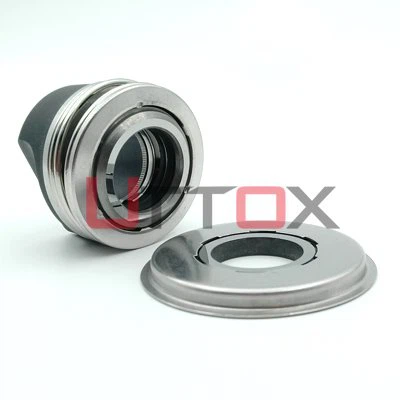
ITT Flygt Pump Mechanical Seal Applications
Industrial applications for ITT Flygt pump mechanical seals span numerous sectors, each presenting unique challenges and requirements. Water and wastewater treatment facilities rely heavily on these sealing systems to prevent contamination and ensure regulatory compliance. The robust design of Flygt mechanical seals enables reliable operation in environments containing suspended solids, aggressive chemicals, and varying pH levels. Municipal water treatment plants particularly benefit from the extended service life and reduced maintenance requirements offered by modern mechanical seal technology compared to traditional packing systems. Chemical processing industries represent another major application area where ITT Flygt mechanical seals demonstrate their versatility and reliability. These environments often involve corrosive media, extreme temperatures, and stringent safety requirements that demand superior sealing performance. Flygt pump mechanical seals are engineered to handle volatile organic compounds, acids, bases, and other challenging fluids while maintaining zero-emission standards. The precision manufacturing and material selection processes ensure compatibility with specific chemical compositions, preventing degradation and maintaining long-term sealing integrity.
Marine and Offshore Applications
Marine environments present unique challenges for mechanical sealing systems, including saltwater corrosion, thermal cycling, and dynamic loading conditions. ITT Flygt mechanical seals designed for marine applications incorporate specialized materials and coatings that resist saltwater corrosion while maintaining sealing performance under challenging conditions. The ability to operate reliably in submerged conditions makes these seals particularly valuable for ballast systems, seawater cooling circuits, and offshore platform applications where maintenance access is limited. Offshore drilling operations require mechanical seals capable of handling high pressures, abrasive drilling fluids, and extreme environmental conditions. Flygt mechanical seals in these applications must demonstrate exceptional reliability since equipment failure can result in significant operational delays and safety risks. Advanced seal designs incorporate multiple barrier systems and monitoring capabilities that provide early warning of potential issues, enabling proactive maintenance strategies that minimize downtime and operational risks.
Food and Pharmaceutical Industries
The food and pharmaceutical sectors require mechanical seals that meet stringent hygiene standards while providing reliable containment of process fluids. ITT Flygt mechanical seals designed for these applications utilize FDA-approved materials and surface finishes that prevent bacterial growth and contamination. The cleanability and sterilization resistance of these seals make them suitable for processes involving food products, beverages, and pharmaceutical compounds where product purity is paramount. Regulatory compliance in food and pharmaceutical applications requires comprehensive documentation and traceability throughout the seal manufacturing and installation process. Flygt pump mechanical seals for these industries incorporate design features that facilitate cleaning and inspection procedures while maintaining sealing integrity. The ability to validate cleaning effectiveness and detect potential contamination sources makes these seals essential components in maintaining product quality and regulatory compliance standards.
Installation and Maintenance of ITT Flygt Systems
Proper installation procedures are critical for achieving optimal performance from ITT Flygt mechanical seals, requiring specialized knowledge and precision techniques. The installation process begins with careful inspection of mating surfaces, shaft condition, and housing tolerances to ensure compatibility with seal specifications. Surface roughness, concentricity, and axial runout must meet manufacturer specifications to prevent premature wear and sealing failures. Pre-installation checks should include verification of seal face condition, spring system integrity, and secondary seal installation orientation. The assembly process for Flygt mechanical seals requires attention to torque specifications, lubrication requirements, and proper alignment procedures. Over-tightening or under-tightening of mounting components can significantly impact seal performance and service life. Proper lubrication of sliding surfaces during installation prevents damage during initial startup while ensuring smooth operation throughout the service interval. Temperature considerations during installation affect thermal expansion calculations and final positioning of seal components relative to mating surfaces.
Preventive Maintenance Strategies
Implementing effective preventive maintenance programs for ITT Flygt pump mechanical seals requires understanding of wear patterns, failure modes, and operating condition impacts. Regular monitoring of seal chamber pressure, temperature, and leakage rates provides early indication of developing issues before catastrophic failures occur. Vibration analysis can detect shaft misalignment, bearing wear, or mechanical problems that could affect seal performance. Proper documentation of maintenance activities and performance trends enables optimization of maintenance intervals and identification of systemic issues. Condition monitoring systems for Flygt mechanical seals incorporate various sensing technologies to track critical performance parameters continuously. These systems can detect changes in seal face temperature, chamber pressure fluctuations, and minute leakage rates that might indicate developing problems. Advanced monitoring solutions integrate with plant control systems to provide automated alerts and diagnostic information that supports predictive maintenance strategies. This proactive approach significantly reduces unplanned downtime while optimizing maintenance resource allocation.
Troubleshooting Common Issues
Mechanical seal failures in ITT Flygt systems typically result from one of several common causes: improper installation, operating condition excursions, or component wear. Dry running conditions represent one of the most destructive failure modes, causing rapid face wear and thermal damage that compromises sealing effectiveness. Prevention requires proper system design, adequate fluid supply, and monitoring systems that detect low-flow conditions before damage occurs. Understanding the relationship between operating parameters and seal performance enables operators to maintain conditions within acceptable limits. Face wear patterns provide valuable diagnostic information about operating conditions and potential system problems. Uniform wear across the seal face typically indicates normal operation, while localized wear patterns may suggest alignment issues, contamination, or inadequate lubrication. ITT Flygt mechanical seals incorporate design features that help identify the root causes of premature failures, enabling corrective actions that prevent recurring problems. Proper failure analysis procedures ensure that replacement seals are appropriately specified for actual operating conditions rather than design conditions alone.
Advanced Technologies in Flygt Mechanical Seals
Modern ITT Flygt mechanical seals incorporate advanced technologies that enhance performance, extend service life, and reduce maintenance requirements compared to traditional designs. Computational fluid dynamics modeling enables optimization of seal chamber geometries and circulation patterns to improve cooling and contamination exclusion. Advanced materials science has produced face materials with superior wear resistance, thermal conductivity, and chemical compatibility that enable operation in increasingly demanding applications. These technological advances have expanded the operating envelope for mechanical seals while improving reliability and reducing life-cycle costs. Digital monitoring and diagnostic systems integrated with Flygt pump mechanical seals provide unprecedented insight into seal condition and performance trends. These systems utilize advanced sensors and data analytics to predict maintenance requirements and optimize operating parameters automatically. Machine learning algorithms analyze historical performance data to identify patterns that precede failures, enabling proactive maintenance strategies that minimize unplanned downtime. The integration of digital technologies with mechanical sealing systems represents a significant advancement in equipment reliability and operational efficiency.
Future Developments and Innovations
The future of ITT Flygt mechanical seals involves continued integration of smart technologies, advanced materials, and innovative design concepts that further enhance performance and reliability. Nanotechnology applications in face materials promise improved wear resistance and self-lubricating properties that could extend service intervals significantly. Smart seal designs incorporating embedded sensors and wireless communication capabilities will enable real-time monitoring and autonomous operation optimization without external monitoring systems. Sustainability considerations are driving development of mechanical seals with reduced environmental impact throughout their life cycle. This includes materials selection, manufacturing processes, and end-of-life recycling considerations that minimize environmental footprint while maintaining performance standards. Energy efficiency improvements in seal design reduce parasitic losses and contribute to overall system efficiency gains. These developments align with industry trends toward sustainable manufacturing and operations while delivering tangible performance benefits to end users.
Conclusion
Understanding mechanical seals is essential for industrial professionals seeking reliable, efficient sealing solutions in demanding applications. ITT Flygt mechanical seals represent proven technology that delivers superior performance across diverse industries and operating conditions through advanced materials, precision manufacturing, and innovative design concepts.
Cooperate with Zhejiang Uttox Fluid Technology Co.,Ltd.
Partner with Zhejiang Uttox Fluid Technology Co.,Ltd., your trusted China ITT Flygt factory and China ITT Flygt supplier since 1990. As a leading China ITT Flygt manufacturer offering competitive ITT Flygt prices and high quality ITT Flygt products, we provide customized solutions with 30+ years expertise. Our experienced R&D team, comprehensive inventory for fast delivery, and professional technical support ensure optimal sealing solutions. Whether you need ITT Flygt for sale or wholesale quantities, contact us at info@uttox.com for reliable mechanical seals that match Flygt quality standards and build lasting partnerships.
FAQ
Q: What is the main function of a mechanical seal in pumps?
A: A mechanical seal prevents fluid leakage between rotating shaft and stationary housing components while allowing shaft rotation.
Q: How long do ITT Flygt mechanical seals typically last?
A: Service life varies from 1-8 years depending on operating conditions, fluid properties, and maintenance practices.
Q: What causes mechanical seal failures in pump applications?
A: Common causes include dry running, improper installation, contamination, misalignment, and exceeding design operating parameters.
Q: Can mechanical seals be repaired or must they be replaced?
A: Most mechanical seals require complete replacement, though some cartridge designs allow refurbishment of individual components.
References
1. "Mechanical Seals for Pumps: Application Guidelines" by John S. Stahley, Mechanical Engineering Publications
2. "Pump Mechanical Seals: Theory and Practice" by Charles K. Akers, Industrial Press Inc
3. "Sealing Technology Handbook" by Robert K. Flitney, Professional Engineering Publishing
4. "Industrial Mechanical Seals: Design and Application" by Peter L. Walton, Marcel Dekker Inc