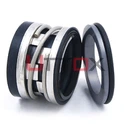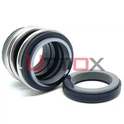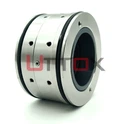


Picture this scenario: Your expensive centrifugal pump is leaking critical fluid, contaminating your work environment while compromising system efficiency and creating costly downtime. This common industrial nightmare highlights why understanding mechanical seals is crucial for any facility manager or engineer. A mechanical seal in a centrifugal pump is a precision-engineered sealing device that prevents fluid leakage between the rotating shaft and stationary pump housing, ensuring optimal performance while maintaining system integrity. These mechanical seals serve as the frontline defense against costly fluid loss, environmental contamination, and equipment failure in industrial applications.
Understanding the Fundamentals of Mechanical Seals in Pumps
The concept of mechanical seals revolutionized pump technology by addressing the inherent challenge of containing pressurized fluids where rotating equipment meets stationary components. In centrifugal pump applications, mechanical seals create a dynamic barrier between the rotating shaft and the pump casing, preventing fluid from escaping along the shaft pathway. Unlike traditional packing materials that accept controlled leakage, pump seals are designed to achieve near-zero emissions while accommodating the mechanical stresses of continuous rotation. These sophisticated sealing systems consist of multiple precision-engineered components working in harmony to maintain fluid containment. The rotating seal face, typically mounted on the pump shaft, creates a sliding interface with a stationary seal face held within the pump housing. This critical interface operates under extremely tight tolerances, often measured in micrometers, while managing pressures, temperatures, and chemical compatibilities that vary dramatically across different industrial applications. The effectiveness of mech seals depends on maintaining a thin liquid film between the sealing faces, which provides both lubrication and cooling while preventing direct contact that would result in rapid wear. This hydrodynamic principle allows mechanical seals to operate reliably for extended periods, often exceeding traditional packing life by factors of ten or more. Modern mechanical seal designs incorporate advanced materials science, precision manufacturing techniques, and sophisticated engineering analysis to optimize performance across diverse operating conditions.

Primary Components and Operating Principles
Modern mechanical seals incorporate several essential components that work together to achieve reliable sealing performance. The rotating seal face, manufactured from materials such as silicon carbide, tungsten carbide, or specialized ceramics, mounts directly to the pump shaft through a drive mechanism that ensures synchronized rotation. This rotating face interfaces with a stationary seal face, typically held in position by a gland plate or integral stuffing box cover, creating the primary sealing interface. Secondary sealing elements, including O-rings, gaskets, and elastomeric components, provide static sealing between non-moving parts while accommodating thermal expansion and manufacturing tolerances. The spring loading system, whether through coil springs, wave springs, or bellows arrangements, maintains proper face contact pressure throughout the seal's operating range. This spring force must balance the hydraulic forces acting on the seal faces while compensating for wear and thermal effects. The seal chamber design plays a crucial role in mechanical seal performance by providing proper fluid circulation, temperature control, and contamination management. Properly designed chambers incorporate features such as tangential connections for flush systems, temperature monitoring ports, and drain provisions that enhance seal reliability and maintenance accessibility.
Material Selection and Performance Characteristics
The selection of appropriate materials for mechanical seals represents a critical engineering decision that directly impacts performance, reliability, and service life. Primary seal face materials must exhibit excellent wear resistance, chemical compatibility, and thermal stability while maintaining dimensional precision under operating conditions. Silicon carbide has emerged as a preferred material for many applications due to its exceptional hardness, chemical inertness, and thermal conductivity properties. Carbon graphite materials offer excellent self-lubricating properties and conformability, making them ideal for softer seal faces that accommodate minor imperfections in mating surfaces. Advanced ceramic materials, including alumina and zirconia variants, provide superior corrosion resistance for aggressive chemical environments while maintaining structural integrity at elevated temperatures. Secondary seal materials, primarily elastomers and metal bellows, must accommodate dynamic movement while maintaining sealing integrity across temperature and pressure variations. Fluoroelastomers, perfluoroelastomers, and specialized PTFE compounds offer chemical resistance for demanding applications, while metal bellows provide temperature and pressure capabilities beyond elastomeric limitations.
Types of Mechanical Seals for Centrifugal Pump Applications
The diversity of centrifugal pump applications has driven the development of numerous mechanical seal configurations, each optimized for specific operating conditions and performance requirements. Single seals represent the most common configuration, featuring one primary sealing interface that provides direct containment between the process fluid and atmosphere. These seals offer simplicity, cost-effectiveness, and reliable performance for moderate pressure and temperature applications where process fluid compatibility allows direct seal face lubrication. Double mechanical seals incorporate two sealing interfaces with an intermediate barrier fluid system, providing enhanced containment for hazardous, toxic, or environmentally sensitive fluids. The barrier fluid system operates at pressure levels above the process pressure, ensuring that any leakage across the primary seal remains contained while preventing atmospheric emissions. This configuration meets stringent environmental regulations while providing enhanced safety margins for critical applications. Tandem seal arrangements utilize two seals in series with an intermediate buffer fluid system operating at lower pressure than the process fluid. This configuration provides redundancy and extended service life while accommodating applications where barrier fluid systems are impractical or undesirable. The buffer fluid system provides lubrication and cooling for both sealing interfaces while indicating primary seal condition through monitoring systems.
Single Seal Configurations and Applications
Single mechanical seals dominate centrifugal pump installations due to their straightforward design, economic advantages, and proven reliability in appropriate applications. These seals rely on the pumped fluid for lubrication and cooling of the sealing interface, making material compatibility and fluid properties critical selection factors. Clean, lubricating fluids with moderate temperatures and pressures represent ideal operating conditions for single seal applications. The seal chamber design for single seals must accommodate thermal expansion, provide adequate circulation for heat removal, and prevent dead zones where debris might accumulate. Flush systems, whether internal circulation or external connections, enhance cooling and cleaning of the sealing interface while extending seal life. Proper installation and alignment procedures are essential for achieving optimal performance, as single seals provide no redundancy for installation errors or operating condition excursions. Single seals find extensive application in water treatment facilities, HVAC systems, general industrial processes, and chemical handling where process fluids are compatible with seal materials and operating conditions remain within design parameters. The simplicity of single seal systems facilitates maintenance and reduces spare parts inventory while providing reliable performance for decades when properly applied and maintained.
Double and Tandem Seal Systems
Double mechanical seal systems address the limitations of single seals when handling hazardous, toxic, or environmentally sensitive fluids that require enhanced containment. The barrier fluid system operates at pressure levels fifteen to thirty PSI above the process pressure, ensuring positive flow across the primary seal interface while preventing atmospheric emissions. Barrier fluid selection requires careful consideration of chemical compatibility, thermal properties, and environmental impact. The complexity of double seal systems necessitates additional monitoring and control equipment, including pressure regulation, temperature monitoring, and barrier fluid supply systems. These auxiliary systems increase initial costs and maintenance requirements while providing enhanced safety and environmental protection. Proper barrier fluid management, including filtration, cooling, and makeup systems, is essential for reliable operation. Tandem seal configurations offer an intermediate solution where enhanced containment is desired without the complexity of pressurized barrier systems. The buffer fluid operates at atmospheric pressure or slightly above, providing lubrication and cooling while indicating primary seal condition through leakage monitoring. This arrangement provides redundancy and extended service life while maintaining system simplicity compared to double seal systems.
Installation and Maintenance Requirements for Pump Seals
Proper installation procedures are fundamental to achieving optimal mechanical seal performance and service life in centrifugal pump applications. The installation process begins with thorough inspection of all seal components, verification of dimensional compliance, and confirmation of material compatibility with process conditions. Shaft runout, end play, and surface finish must meet manufacturer specifications to ensure proper seal face tracking and minimize premature wear. Seal chamber preparation includes cleaning all surfaces, verifying proper dimensions and surface finishes, and ensuring adequate clearances for thermal expansion. The installation of secondary sealing elements requires attention to proper groove fit, compression ratios, and orientation to prevent twisting or damage during assembly. Lubrication of elastomeric components with compatible fluids facilitates assembly while preventing damage to sealing surfaces. Alignment procedures are critical for rotating equipment, as shaft misalignment creates dynamic loads that accelerate seal wear and reduce service life. Precision alignment tools and procedures ensure that shaft centerlines remain within acceptable tolerances throughout the operating range. Post-installation checkout procedures verify proper seal installation, system function, and operating parameters before placing equipment into service.
Preventive Maintenance Strategies
Implementing comprehensive preventive maintenance programs significantly extends mechanical seal life while reducing unplanned downtime and associated costs. Regular monitoring of seal chamber temperatures, vibration levels, and operating pressures provides early indication of developing problems before catastrophic failure occurs. Trending analysis of these parameters reveals gradual degradation patterns that allow planned maintenance scheduling. Routine maintenance tasks include inspection of auxiliary systems, verification of proper cooling and lubrication flow rates, and assessment of support equipment condition. Barrier fluid systems require periodic testing of pressure controls, temperature monitoring systems, and makeup fluid supplies to ensure continued reliability. Documentation of maintenance activities, operating conditions, and failure modes provides valuable data for optimizing maintenance intervals and procedures. Training programs for maintenance personnel ensure proper handling procedures, installation techniques, and troubleshooting capabilities that maximize seal reliability while minimizing safety risks. Understanding the relationship between operating conditions and seal performance enables proactive adjustments that prevent premature failure while extending service intervals.
Troubleshooting Common Seal Failures
Mechanical seal failure analysis requires systematic evaluation of operating conditions, installation procedures, and material selection to identify root causes and implement corrective actions. Excessive heat generation typically indicates insufficient lubrication, improper face materials, or operating conditions beyond design parameters. Temperature monitoring and thermal imaging provide valuable diagnostic information for identifying cooling deficiencies or circulation problems. Premature wear patterns often indicate contamination, improper installation, or incompatible materials that require immediate attention. Microscopic examination of failed seal faces reveals wear mechanisms, contamination sources, and material compatibility issues that guide corrective actions. Proper documentation of failure modes, operating history, and maintenance records facilitates pattern recognition and continuous improvement initiatives. Vibration-related failures typically result from mechanical problems such as misalignment, imbalance, or bearing deterioration that create dynamic loads exceeding seal design capabilities. Comprehensive vibration analysis and precision alignment procedures address these mechanical issues while extending seal service life. Understanding the interaction between pump mechanical condition and seal performance enables integrated maintenance strategies that optimize overall equipment reliability.
Industry Applications and Performance Benefits
The versatility of mechanical seals has enabled their widespread adoption across diverse industrial sectors where centrifugal pumps handle critical fluids under demanding operating conditions. In petroleum refining applications, mechanical seals prevent hydrocarbon emissions while maintaining process integrity in high-temperature, high-pressure environments. These installations often require specialized materials and designs that accommodate thermal cycling, aggressive chemicals, and stringent safety requirements. Water treatment facilities rely on mechanical seals to prevent contamination while handling potable water, wastewater, and chemical treatment solutions. The reliability and low-maintenance characteristics of properly selected seals reduce operating costs while ensuring water quality standards. Municipal and industrial water systems benefit from extended service intervals and reduced environmental impact compared to traditional packing systems. Chemical processing industries utilize mechanical seals to contain aggressive chemicals, solvents, and corrosive fluids that would rapidly degrade alternative sealing methods. The chemical resistance and precision performance of advanced seal materials enable safe handling of materials that pose significant health and environmental risks. Pharmaceutical applications demand enhanced containment and cleaning capabilities that mechanical seals provide through specialized designs and materials.
Performance Advantages Over Alternative Sealing Methods
Mechanical seals offer significant performance advantages over traditional packing systems, including dramatically reduced leakage rates, extended service life, and enhanced environmental compliance. While packing systems accept controlled leakage as part of their operating principle, mechanical seals achieve near-zero emissions that meet stringent environmental regulations while reducing product loss and contamination risks. The self-contained nature of mechanical seals eliminates the need for constant adjustment and maintenance required by packing systems. Once properly installed and commissioned, quality mechanical seals operate reliably for years without intervention, reducing maintenance costs and improving plant availability. This reliability advantage becomes increasingly important in remote or hazardous locations where maintenance access is limited. Energy efficiency improvements result from reduced friction losses and elimination of the cooling water requirements typical of packing systems. The precision interfaces of mechanical seals generate less heat and require less auxiliary power compared to packing arrangements, contributing to overall system efficiency improvements. These energy savings accumulate over the seal service life, providing significant economic benefits in addition to improved environmental performance.
Advanced Technologies in Modern Mechanical Seals
Recent developments in materials science, manufacturing technology, and engineering design have resulted in significant improvements in mechanical seal performance and reliability. Advanced ceramic materials offer enhanced wear resistance and chemical compatibility while maintaining dimensional stability under extreme operating conditions. These materials enable seal operation in environments previously considered unsuitable for mechanical sealing technology. Computational fluid dynamics modeling has revolutionized seal design by providing detailed understanding of flow patterns, heat generation, and pressure distribution within seal chambers. This analysis capability enables optimization of seal geometry, cooling arrangements, and auxiliary systems for specific applications. The resulting designs achieve improved performance while reducing sensitivity to operating condition variations. Non-contacting seal technologies, including magnetic drive arrangements and hermetically sealed systems, eliminate the dynamic sealing interface entirely while maintaining pump functionality. These advanced systems offer ultimate containment for hazardous materials while providing extended service life and reduced maintenance requirements. The higher initial costs are offset by elimination of seal-related maintenance and enhanced safety margins.
Condition Monitoring and Predictive Maintenance
Modern instrumentation and data analysis techniques enable continuous monitoring of mechanical seal condition and performance parameters. Temperature sensors, vibration monitors, and acoustic emission detectors provide real-time indication of seal condition while identifying developing problems before failure occurs. This monitoring capability enables predictive maintenance strategies that optimize service intervals while preventing unplanned downtime. Wireless sensor networks and cloud-based data analysis platforms facilitate remote monitoring of seal performance across multiple installations. Trending analysis and machine learning algorithms identify patterns that indicate impending failure while recommending optimal maintenance timing. These advanced systems reduce maintenance costs while improving equipment reliability through data-driven decision making. Integration with plant control systems enables automatic response to seal condition changes, including shutdown procedures for critical applications or adjustment of operating parameters to extend seal life. This integration capability provides enhanced safety margins while reducing operator workload and improving overall plant performance. The combination of advanced monitoring and automatic response systems represents the future of mechanical seal technology.
Conclusion
Mechanical seals represent the most effective and reliable method for preventing fluid leakage in centrifugal pump applications, offering superior performance compared to traditional packing systems. Understanding their operating principles, proper selection criteria, and maintenance requirements enables optimal performance while ensuring environmental compliance and operational safety across diverse industrial applications.
Cooperate with Zhejiang Uttox Fluid Technology Co.,Ltd.
Partner with Zhejiang Uttox Fluid Technology Co.,Ltd., a trusted China mechanical seals manufacturer with over 30 years of expertise serving 50+ countries. Our experienced R&D team provides customized solutions, extensive product variety, and fast delivery from sufficient inventory. As a leading China mechanical seals supplier and China mechanical seals factory, we offer High Quality mechanical seals at competitive mechanical seals price with comprehensive technical support and OEM services. Our mechanical seals for sale serve petroleum, water treatment, pharmaceutical, and power industries with proven reliability. Contact our China mechanical seals wholesale team at info@uttox.com for expert consultation and immediate quotations.
FAQ
Q: What is the main difference between mechanical seals and packing in centrifugal pumps?
A: Mechanical seals provide near-zero leakage through precision-machined faces, while packing systems require controlled leakage for lubrication and cooling.
Q: How long do mechanical seals typically last in centrifugal pump applications?
A: Properly selected and maintained mechanical seals can operate for 2-8 years depending on application conditions, significantly longer than traditional packing.
Q: What factors determine mechanical seal material selection for centrifugal pumps?
A: Chemical compatibility, temperature range, pressure levels, and fluid properties are primary factors in selecting appropriate seal face and secondary seal materials.
Q: When should double mechanical seals be used instead of single seals?
A: Double seals are recommended for hazardous, toxic, or environmentally sensitive fluids requiring enhanced containment and zero atmospheric emissions.
References
1. "Mechanical Seals for Industrial Applications" by Heinz P. Bloch, Industrial Press Inc.
2. "Centrifugal Pump Design and Performance" by A.J. Stepanoff, John Wiley & Sons
3. "Sealing Technology: A Guide to Rotary Seals" by Malcolm C. Brown, Mechanical Engineering Publications
4. "Pump Handbook" by Igor J. Karassik, McGraw-Hill Professional