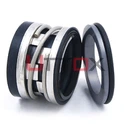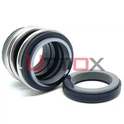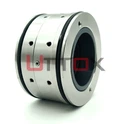


When equipment failures cost thousands in downtime and component replacement becomes a recurring nightmare, you need materials that can withstand extreme conditions without compromise. Tungsten carbide stands as one of the hardest compounds available for industrial applications, offering exceptional wear resistance, rigidity, and durability that traditional materials simply cannot match. From mechanical seals in petroleum refineries to cutting tools in manufacturing plants, tungsten carbide solves critical performance challenges across industries where reliability is non-negotiable.
Understanding the Fundamental Properties of Tungsten Carbide
Tungsten carbide represents a remarkable engineering material formed through the combination of tungsten and carbon atoms. This compound exhibits extraordinary hardness approaching that of diamond, making it invaluable for applications requiring superior resistance to abrasion and wear. The material's exceptional performance stems from its unique molecular structure, where tungsten atoms bond with carbon to create an incredibly dense and stable crystalline formation. When used in industrial settings, tungsten carbide demonstrates remarkable thermal stability, maintaining its structural integrity even at temperatures exceeding two thousand degrees Celsius, which makes it particularly suitable for high-temperature applications. The manufacturing process of tungsten carbide involves powder metallurgy techniques where tungsten carbide particles are combined with metallic binders such as cobalt or nickel. These binders serve as the cementing phase that holds the hard tungsten carbide grains together, creating what is known as cemented carbide. The choice of binder significantly influences the material's characteristics and determines its suitability for specific applications. Cobalt-based tungsten carbide offers excellent toughness and is widely used across numerous industries, while nickel-based tungsten carbide provides superior corrosion resistance, making it the preferred choice in petrochemical environments where chemical exposure is a concern.
The Role of Binders in Tungsten Carbide Performance
The metallic binder content in tungsten carbide directly affects the balance between hardness and toughness. Higher binder content generally results in improved toughness and impact resistance but slightly reduced hardness. Various grades of tungsten carbide exist to meet different application requirements, including YG6, YG8, YN6, and YN8, each offering distinct performance characteristics. These grade designations indicate the composition and properties of the material, with the numbers typically representing the percentage of binder present. Tungsten carbide seal rings and TC seal rings manufactured from these grades can be precisely matched to specific operating conditions, ensuring optimal performance in diverse industrial environments. For mechanical seal applications, the selection of appropriate tungsten carbide grades becomes critical to achieving long-term reliability. The material must withstand continuous friction, maintain dimensional stability under pressure variations, and resist chemical attack from process fluids. Tungsten seal ring and TC seal rings demonstrate exceptional suitability for these demanding conditions due to their inherent material properties. When paired as mating faces in mechanical seals, tungsten carbide components create a sealing interface capable of operating reliably across wide temperature ranges and in the presence of abrasive particles that would rapidly degrade softer materials.
Primary Industrial Applications of Tungsten Carbide
The versatility of tungsten carbide has established it as an indispensable material across multiple industrial sectors. In petroleum refining operations, tungsten carbide seal rings serve as critical components in pumps handling crude oil, refined products, and various process chemicals. These sealing applications demand materials that can maintain integrity despite exposure to hydrocarbons, thermal cycling, and abrasive contamination. Tungsten carbide meets these challenges effectively, providing substantially longer service life compared to alternative materials and thereby reducing maintenance frequency and associated downtime costs. Mining operations rely extensively on tungsten carbide for drill bits, cutting tools, and wear-resistant components that must endure extreme mechanical stress and abrasive conditions. The material's hardness enables it to penetrate hard rock formations while maintaining sharp cutting edges far longer than conventional tool steels. In rock drilling applications, tungsten carbide buttons and inserts withstand tremendous impact forces and abrasive wear from continuous contact with geological formations. This durability translates directly to improved productivity, as tool changes occur less frequently and drilling rates remain consistent over extended periods.

Tungsten Carbide in Manufacturing and Metalworking
Manufacturing industries employ tungsten carbide extensively for cutting tools, end mills, and inserts used in machining operations. When shaping metals, plastics, and composite materials, the extreme hardness of tungsten carbide enables high-speed machining with excellent surface finish quality. TC seal rings and tungsten carbide components also find application in dies and punches used for stamping, forming, and extrusion processes where repeated impacts and sliding contact would rapidly wear softer materials. The material's ability to maintain sharp edges and precise dimensions under these demanding conditions makes it economically superior despite its higher initial cost. Paper and pulp industry operations utilize tungsten carbide seal rings in pumps and mixers handling abrasive slurries containing wood fibers, minerals, and chemical additives. These process environments present unique challenges combining chemical corrosivity with solid particle abrasion. Tungsten seal ring technology addresses both aspects simultaneously, with nickel-bonded grades offering enhanced chemical resistance while maintaining the necessary hardness to resist abrasive wear. The result is dramatically extended component life in applications where seal failures traditionally caused frequent production interruptions.
Tungsten Carbide Seal Rings in Critical Sealing Applications
Mechanical seals represent one of the most demanding applications for material technology, requiring components that can maintain precise mating surfaces under dynamic operating conditions. Tungsten carbide has become the predominant choice for seal faces in applications involving high pressures, elevated temperatures, or abrasive fluids. The material's combination of hardness, dimensional stability, and wear resistance makes it particularly well-suited for creating reliable sealing interfaces that must operate continuously without leakage. When properly manufactured and installed, tungsten carbide seal rings can achieve service lives measured in years rather than months, even in severe operating conditions. The geometry and surface finish of tungsten carbide seal rings significantly influence their sealing performance. Manufacturing these components requires specialized grinding and lapping equipment capable of achieving flatness tolerances measured in light bands and surface finishes approaching optical quality. Size control must be extremely strict to ensure proper fit within seal assemblies and correct mating face contact. High-quality TC rings and TC sleeves demonstrate uniform material properties throughout their structure, free from porosity or inclusions that could compromise performance or lead to premature failure.
Material Combinations for Optimal Seal Performance
While tungsten carbide seal rings excel in many applications, the selection of mating face materials requires careful consideration of operating conditions. Pairing tungsten carbide against itself creates a hard-on-hard seal face combination suitable for applications with good lubrication and minimal dry running risk. This configuration offers maximum wear resistance in abrasive services but requires careful attention to lubrication to prevent heat generation from friction. Alternatively, tungsten carbide can be paired with carbon graphite or silicon carbide faces to create hard-on-soft combinations that accommodate misalignment and provide better resistance to dry running conditions. In petrochemical processing, water treatment facilities, and power generation plants, tungsten carbide seal rings handle fluids ranging from clean water to highly corrosive chemicals and abrasive slurries. The material's versatility across this broad spectrum of conditions stems from the availability of different binder systems and grades. Binderless tungsten carbide, which contains no metallic cementing phase, represents the ultimate solution for corrosion resistance in applications involving strong acids, bases, or other aggressive chemicals. This material variant maintains the hardness and wear resistance characteristic of tungsten carbide while eliminating potential attack pathways through the metallic binder phase.
Applications Across Diverse Industry Sectors
The petroleum refining industry demands exceptional reliability from sealing components due to the hazardous nature of hydrocarbon process streams and the high cost of unplanned shutdowns. Tungsten carbide seal rings serve in pumps handling crude oil feedstocks, intermediate process streams, and finished products. These applications often involve temperatures approaching or exceeding two hundred degrees Celsius combined with pressures that generate substantial mechanical loads on seal faces. TC seal rings manufactured from appropriate tungsten carbide grades maintain sealing effectiveness under these conditions while resisting degradation from the chemical nature of petroleum products. Water treatment operations, including municipal systems and industrial wastewater facilities, present different but equally challenging conditions for sealing technology. Process fluids in these applications frequently contain suspended solids, ranging from fine silt to larger debris particles, which can accelerate wear on sealing surfaces. Tungsten seal ring components resist this abrasive action effectively, maintaining their sealing geometry even when handling dirty water or chemical-laden effluents. The material's corrosion resistance proves valuable in chlorinated water systems and in applications involving pH extremes or oxidizing chemicals used in treatment processes.
Marine and Power Generation Industries
Shipbuilding and marine operations employ tungsten carbide seal rings in pumps and equipment handling seawater and other marine fluids. The combination of corrosive salt water and abrasive particulate matter creates a particularly aggressive environment for mechanical components. Nickel-bonded tungsten carbide grades demonstrate excellent performance in these applications, resisting both the corrosive action of chlorides and the mechanical wear from sand and silt. For ballast pumps, fire suppression systems, and cooling water circuits, tungsten carbide seal rings provide reliable long-term performance that reduces maintenance requirements aboard vessels where component replacement proves logistically complex and expensive. Power plants, whether fossil-fueled, nuclear, or renewable energy facilities, utilize numerous pumping systems that benefit from tungsten carbide sealing technology. Boiler feed pumps operating at extreme pressures, condensate systems handling demineralized water, and cooling water circuits all employ mechanical seals where tungsten carbide seal rings contribute to operational reliability. The material's ability to withstand thermal transients during plant startup and shutdown cycles, combined with its resistance to erosion from high-velocity fluid flow, makes it the preferred choice for these critical applications. TC sleeves manufactured from tungsten carbide also protect pump shafts from wear in applications where the seal's secondary sealing elements rotate against the shaft surface.
Food, Beverage, and Pharmaceutical Processing
Industries producing consumable products maintain stringent requirements for equipment reliability and contamination prevention. Tungsten carbide seal rings serve in pumps and mixers handling food products, beverages, and pharmaceutical ingredients where seal failure could result in product contamination or batch losses. The material's inert nature ensures it does not chemically interact with process fluids or introduce unwanted substances into products. Pharmaceutical processing particularly demands materials that can withstand aggressive cleaning and sterilization procedures, including exposure to high-temperature steam, strong sanitizing chemicals, and high-pressure washdown systems. Tungsten carbide seal rings maintain their integrity and performance through these rigorous cleaning cycles, which would rapidly degrade many alternative materials. In dairy processing facilities, TC seal rings handle milk, cream, and other dairy products that, despite appearing benign, can be surprisingly abrasive due to the presence of minerals and proteins. The material's smooth, non-porous surface finish resists bacterial adhesion and facilitates thorough cleaning, addressing both sanitation requirements and operational reliability. Beverage production, including carbonated drinks, juices, and alcoholic beverages, employs tungsten carbide seal rings in transfer pumps and processing equipment where leak prevention is essential to maintain product quality and avoid floor contamination that could create safety hazards.
Advanced Applications in High-Tech Industries
Beyond traditional industrial applications, tungsten carbide finds use in advanced technology sectors requiring materials with exceptional performance characteristics. The aerospace industry utilizes tungsten carbide components in turbine engines, fuel systems, and hydraulic actuators where extreme conditions demand materials with superior properties. Surgical instruments incorporate tungsten carbide cutting edges that maintain sharpness through repeated sterilization cycles and extended use. Even consumer products benefit from tungsten carbide technology, with applications ranging from durable writing instruments to scratch-resistant jewelry. Electronics manufacturing employs tungsten carbide in wire drawing dies, precision cutting tools, and component handling equipment where dimensional accuracy and surface quality prove critical. The semiconductor industry particularly values the material's ability to maintain precise dimensions and resist particle generation that could contaminate cleanroom environments. As technology advances and performance requirements become increasingly stringent, tungsten carbide seal rings and related components continue to enable innovations across diverse fields by providing the reliability and durability that sophisticated systems demand.
Selecting the Right Tungsten Carbide Grade
Successful application of tungsten carbide seal rings requires careful grade selection based on specific operating conditions and performance requirements. The various grades available, including YG6, YG8, YN6, and YN8 designations, offer different balances between hardness, toughness, and corrosion resistance. Understanding these distinctions enables optimization of seal performance for particular services. Applications involving primarily mechanical wear benefit from harder grades with lower binder content, while services with impact loading or thermal shock require tougher grades with higher binder percentages. Corrosive environments may necessitate nickel-bonded grades or binderless tungsten carbide to ensure adequate chemical resistance. Working with experienced manufacturers who maintain comprehensive grade inventories and possess deep application knowledge proves essential to achieving optimal results. Quality manufacturers of tungsten carbide seal rings invest in advanced manufacturing equipment, implement rigorous quality control procedures, and maintain technical expertise regarding material selection and seal design. They can evaluate specific application conditions, including fluid properties, operating temperatures, pressures, and contamination levels, to recommend the most suitable tungsten carbide grade and seal face configuration for reliable long-term performance.
Quality Considerations in Tungsten Carbide Manufacturing
The manufacturing process significantly influences the final properties and performance of tungsten carbide seal rings. Powder preparation, pressing techniques, sintering conditions, and post-processing operations all impact material density, grain structure, and mechanical properties. High-quality TC rings exhibit uniform density throughout their cross-section, minimal porosity, and consistent grain size distribution. These characteristics directly affect wear resistance, strength, and dimensional stability during operation. Surface preparation through precision grinding and lapping creates the flat, smooth sealing faces essential for effective leakage prevention. Manufacturers with extensive experience in tungsten carbide seal ring production understand the critical importance of process control at every manufacturing stage. From incoming raw material inspection through final dimensional verification, systematic quality assurance ensures that finished products meet exacting specifications. Advanced inspection techniques including microscopic examination, hardness testing, and non-destructive evaluation methods verify material quality and detect any defects that could compromise performance. This attention to manufacturing excellence distinguishes premium tungsten carbide seal rings from inferior products that may fail prematurely despite appearing similar.
Cost-Benefit Analysis of Tungsten Carbide Seal Rings
While tungsten carbide seal rings typically command higher initial prices compared to alternative materials, comprehensive cost analysis reveals significant economic advantages. The extended service life achievable with properly selected and applied tungsten carbide components reduces seal replacement frequency, lowering maintenance labor costs and spare parts inventory requirements. More importantly, the improved reliability translates to reduced unplanned downtime, which represents the most substantial cost factor in most industrial operations. A single avoided emergency shutdown often justifies the premium paid for high-quality tungsten carbide seal rings across multiple installations. The total cost of ownership calculation must also consider secondary factors beyond component replacement intervals. Tungsten carbide's superior wear resistance maintains consistent equipment performance over time, avoiding the gradual efficiency degradation that occurs as softer seal faces wear. This characteristic preserves energy efficiency in pumping systems and maintains product quality in process applications where leakage could cause contamination or material waste. Environmental and safety considerations further favor tungsten carbide, as reduced seal failures minimize fluid releases that could create environmental incidents or workplace hazards requiring costly remediation and regulatory reporting.
Conclusion
Tungsten carbide serves critical functions across diverse industries through its exceptional hardness, wear resistance, and thermal stability. From mechanical seal applications in petroleum refining and chemical processing to cutting tools in manufacturing and mining equipment, this remarkable material enables reliable operation under conditions that would rapidly destroy alternative materials. Tungsten carbide seal rings particularly demonstrate outstanding performance in sealing applications, providing extended service life and reduced maintenance costs that deliver substantial economic benefits beyond their initial investment.
Cooperate with Zhejiang Uttox Fluid Technology Co.,Ltd.
Are you struggling with frequent seal failures and costly downtime? Zhejiang Uttox Fluid Technology Co.,Ltd. brings over thirty years of manufacturing excellence as a leading China tungsten carbide manufacturer and China tungsten carbide supplier. Our experienced technical team provides customized solutions for your specific operating conditions, offering high quality tungsten carbide seal rings, TC seal rings, and TC sleeves manufactured to exacting standards. As a trusted China tungsten carbide factory, we maintain extensive inventory for fast delivery and offer competitive tungsten carbide price points without compromising quality. Our China tungsten carbide wholesale options serve customers across fifty countries with tungsten carbide for sale that matches international quality standards. Contact us at info@uttox.com today to discuss your sealing challenges and discover how our premium tungsten carbide solutions can enhance your operational reliability and reduce total cost of ownership.
References
1. Davis, Joseph R. "Tungsten Carbide: Properties, Selection, and Applications." ASM International Handbook Committee. Materials Park, Ohio: ASM International, 2000.
2. Santhanam, A.T., Tierney, P., and Hunt, J.L. "Cemented Carbides: Fundamentals and Applications." The International Journal of Powder Metallurgy & Powder Technology, Vol. 26, No. 4, 1990.
3. Upadhyaya, G.S. "Cemented Tungsten Carbides: Production, Properties, and Testing." Westwood, New Jersey: Noyes Publications, 1998.
4. Brookes, Kenneth J.A. "World Directory and Handbook of Hardmetals and Hard Materials." 6th Edition. International Carbide Data, East Barnet, UK, 1996.