

When dealing with aggressive chemicals, acidic solutions, or caustic media in industrial pumping systems, equipment failure due to seal degradation can lead to costly downtime, safety hazards, and environmental contamination. Mechanical sleeve seals designed specifically for corrosive environments offer a critical solution to these challenges. This comprehensive guide explores how selecting the right mechanical sleeve seals can protect your equipment, extend service life, and ensure operational reliability even in the most demanding chemical processing applications, helping you make informed decisions that prevent catastrophic seal failures and optimize your maintenance budget.
Understanding Mechanical Sleeve Seals in Harsh Chemical Applications
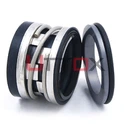
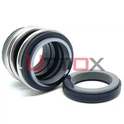
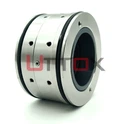
Mechanical sleeve seals represent a sophisticated sealing solution engineered to handle the unique challenges presented by corrosive media. Unlike standard pump seals, mechanical sleeve seals are specifically designed with material compatibility and chemical resistance as primary considerations. These mech seals utilize a rotating and stationary face arrangement that creates a dynamic sealing interface, preventing fluid leakage while accommodating the thermal expansion, shaft deflection, and vibration inherent in industrial pump operations. In corrosive environments, the selection of appropriate seal face materials, elastomers, and metallic components becomes absolutely critical to achieving reliable performance. The fundamental principle behind mechanical sleeve seals involves creating a microscopic fluid film between precisely lapped sealing faces. This film serves dual purposes: it provides lubrication to minimize friction and wear, while simultaneously preventing bulk fluid leakage. The H7N Mechanical Seal design exemplifies this approach, incorporating an O-ring mounted configuration that ensures consistent sealing pressure across varying operating conditions. When exposed to corrosive chemicals, conventional seal materials rapidly degrade, leading to face separation, elastomer swelling or hardening, and metallic component corrosion. Properly specified mechanical sleeve seals address these failure modes through strategic material selection and engineered design features that maintain sealing integrity throughout the service life.
Critical Factors in Corrosive Environment Seal Selection
Selecting mechanical sleeve seals for corrosive applications requires comprehensive analysis of multiple operating parameters. Temperature extremes significantly impact material performance, with many aggressive chemicals becoming more corrosive at elevated temperatures. Pressure conditions affect seal face loading and the potential for chemical ingress into seal cavities. Operating speeds influence heat generation at the seal faces, which can accelerate chemical attack on seal materials. For applications ranging from -20℃ to +220℃, with pressures up to 25 bar and speeds reaching 20 m/s, mechanical sleeve seals must be engineered with materials that maintain their properties across this entire operational envelope. Chemical compatibility represents the most critical selection criterion. Seal rings fabricated from materials such as silicon carbide, tungsten carbide, or specialized ceramics offer superior resistance to chemical attack compared to traditional carbon or ceramic combinations. The choice between material grades like A, B, Q1/12, Q2/22, U1/12, and U2/22 depends on the specific corrosive media involved. Elastomer selection proves equally important, as the secondary sealing elements must resist swelling, hardening, and chemical degradation. VITON provides excellent resistance to hydrocarbons and acids, EPDM performs well with water and steam applications, while FFKM and AFLAS offer exceptional resistance to the most aggressive chemicals. Metal components in SS304, SS316, Duplex, or Hastelloy C provide varying levels of corrosion resistance, with Hastelloy C representing the premium choice for the most severe corrosive environments.
Material Science Behind Corrosion-Resistant Pump Seals
The performance of mechanical sleeve seals in corrosive environments fundamentally depends on the material properties of every seal component. Seal face materials must exhibit high hardness to resist abrasive wear, excellent thermal conductivity to dissipate frictional heat, chemical inertness to prevent reaction with process fluids, and dimensional stability across temperature variations. Advanced ceramic materials like silicon carbide and tungsten carbide have largely replaced traditional materials in corrosive applications due to their superior combination of properties. These materials maintain their hardness and structural integrity even when exposed to strong acids, caustic solutions, and oxidizing agents that would rapidly degrade conventional seal faces. Elastomeric components in mechanical sleeve seals serve multiple functions, including providing static sealing at mounting points, maintaining seal face loading through spring elements, and accommodating minor misalignments. In corrosive environments, elastomer degradation represents a primary failure mode. Chemical attack can cause elastomers to swell, which disrupts seal geometry and increases friction, or to harden and crack, which creates leakage paths. Fluoroelastomers like VITON offer broad chemical resistance suitable for many industrial applications, while perfluoroelastomers such as FFKM provide virtually universal chemical resistance for the most challenging applications. The selection of the sealing material is mainly based on the working environment of the mechanical sealing element, such as the use temperature, working pressure, applicable working medium and movement mode.
Metallic components including seal housings, springs, and hardware must resist both general corrosion and localized attack such as pitting and crevice corrosion. Austenitic stainless steels like SS304 and SS316 provide adequate corrosion resistance for many applications, but chloride-containing environments can cause stress corrosion cracking in these materials. Duplex stainless steels offer improved resistance to chloride-induced cracking and higher strength. For the most aggressive corrosive environments, nickel-based alloys like Hastelloy C provide exceptional resistance to oxidizing and reducing acids, chlorides, and elevated temperature corrosion. The performance of the sealing material is an important factor to ensure effective sealing, making material selection the foundation of reliable mechanical sleeve seals operation in corrosive applications.
Design Considerations for Chemical Resistance in Mech Seals
Engineering mechanical sleeve seals for corrosive environments requires attention to design details that go beyond simple material selection. Seal face geometry influences how process fluids interact with sealing surfaces, affecting both lubrication and chemical attack patterns. Balanced seal designs reduce seal face pressure, which decreases friction and heat generation while minimizing the driving force for chemical penetration into the seal interface. The H7N Mechanical Seal incorporates optimized face geometry and balance ratios that enhance performance in corrosive applications, providing equivalent performance to premium seal designs while offering competitive pricing advantages. Flush plans play a critical role in protecting mechanical sleeve seals from corrosive process fluids. External flush systems introduce clean, compatible fluid to the seal chamber, diluting corrosive media and removing heat. Quench systems provide a barrier between the process fluid and atmospheric side of the seal, preventing corrosive vapor emission. For applications where process fluid compatibility allows, internal recirculation can be enhanced through pumping rings or seal chamber geometry modifications that promote circulation and heat dissipaction. Proper flush plan selection extends seal life significantly in corrosive applications, often providing greater performance improvement than premium material upgrades alone.
Shaft Size and Installation Requirements for Corrosive Applications
Mechanical sleeve seals accommodate shaft sizes ranging from 25mm to 95mm in standard configurations, with custom designs available for larger or smaller shafts. In corrosive environments, shaft protection becomes paramount, as chemical attack on pump shafts can lead to catastrophic failure. Sleeve designs that isolate the shaft from process fluid contact prevent corrosion-induced shaft damage that could necessitate complete pump replacement. Proper installation procedures ensure that seal faces align correctly and that secondary sealing elements seat properly, preventing leakage paths that could expose metallic components to corrosive fluids. Installation of pump seals in corrosive applications requires particular attention to cleanliness and component condition. Any contaminants trapped between seal faces will cause accelerated wear and potential seal failure. O-ring mounting surfaces must be inspected for scratches or imperfections that could create leakage paths. Torque specifications must be followed precisely to ensure proper seal compression without overloading components. For corrosive applications, using anti-seize compounds on threaded components prevents galling during installation and facilitates future maintenance, though care must be taken to select compounds compatible with process fluids and seal materials.
Temperature and Pressure Performance Parameters
The operating envelope of mechanical sleeve seals defines the conditions under which reliable sealing can be maintained. Temperature capabilities from -20℃ to +220℃ encompass the majority of industrial chemical processing applications, from cryogenic services to high-temperature thermal fluids. Temperature affects not only material properties but also seal face lubrication characteristics, thermal expansion of components, and the aggressiveness of corrosive media. Cold applications can cause elastomer stiffening and reduced flexibility, while high temperatures accelerate chemical reactions and can degrade polymer materials. Proper material selection ensures that all seal components maintain functionality across the entire temperature range. Pressure ratings up to 25 bar accommodate moderate to high-pressure chemical processing applications. Pressure affects seal face loading, with higher pressures requiring either increased spring force or balanced seal designs to maintain adequate face contact. Excessive pressure can overload seal faces, causing increased friction, heat generation, and accelerated wear. Insufficient face pressure allows process fluid to penetrate the sealing interface, potentially causing face damage from cavitation or chemical attack. The H7N Mechanical Seal design incorporates engineering features that optimize face loading across varying pressure conditions, ensuring reliable sealing performance throughout the pressure range. Speed limitations of 20 m/s relate to the peripheral velocity at the seal faces, which determines frictional heat generation and wear rates. Higher speeds increase the power dissipated at the seal interface, raising temperatures that can degrade lubricating films and accelerate chemical attack. Proper seal face material combinations must be selected based on their PV (pressure-velocity) characteristics to ensure adequate wear resistance. In corrosive applications, speed considerations become particularly important because elevated temperatures increase the corrosivity of many chemicals, creating a synergistic effect between mechanical and chemical degradation mechanisms.
Application-Specific Solutions for Different Corrosive Media
Different corrosive environments present unique challenges for mechanical sleeve seals, requiring tailored material and design solutions. Acidic services spanning from dilute to concentrated mineral acids demand seal materials with exceptional acid resistance. Sulfuric acid applications commonly utilize silicon carbide seal faces with FFKM elastomers and Hastelloy C metallics for complete corrosion resistance. Hydrochloric acid environments benefit from similar material selections, though consideration must be given to the oxidizing nature of some acid mixtures. Nitric acid and other oxidizing acids require materials that resist both chemical attack and oxidation-enhanced corrosion. Caustic or alkaline services present different material challenges than acidic environments. Strong caustic solutions can attack ceramic materials that perform well in acids, requiring careful material selection. Tungsten carbide seal faces often excel in caustic applications, paired with EPDM or FFKM elastomers depending on temperature and concentration. Ammonia services and amine solutions require materials that resist stress corrosion cracking, making Hastelloy C or high-nickel alloys preferable to standard stainless steels. Understanding the specific chemistry of the corrosive media enables optimal mech seals material selection for each application.
Petroleum Refining and Petrochemical Applications
Petroleum refining operations expose mechanical sleeve seals to hydrocarbon services ranging from light naphthas to heavy residual products, often at elevated temperatures and pressures. Sour services containing hydrogen sulfide require materials resistant to sulfide stress cracking and hydrogen embrittlement. Fluoroelastomers like VITON provide excellent hydrocarbon resistance while maintaining flexibility across refining temperature ranges. Corrosion inhibitors and processing chemicals added to refining streams can create unexpectedly aggressive environments, requiring comprehensive chemical compatibility analysis when selecting pump seals. Petrochemical applications involving organic acids, phenols, and aromatic compounds challenge mechanical sleeve seals with both corrosivity and solvent effects on elastomers. Process streams may contain trace contaminants from feedstocks or reaction byproducts that create localized corrosion. Temperature cycling during startup, shutdown, and process upsets imposes thermal stresses on seal components. The H7N Mechanical Seal design offers robust performance in refining and petrochemical applications, completely replacing original Burgmann mechanical seals with excellent quality and competitive pricing that reduces maintenance costs without compromising reliability.
Water Treatment and Chemical Processing Industries
Water treatment facilities expose mechanical sleeve seals to chlorinated water, sodium hypochlorite solutions, ferric chloride, and various coagulants and pH adjustment chemicals. Chlorine and hypochlorite are particularly aggressive oxidizers that attack many seal materials. Titanium or Hastelloy metallics combined with FFKM elastomers provide reliable service in these applications. Municipal wastewater treatment presents additional challenges from abrasive suspended solids and biofouling that can interfere with seal operation. Chemical processing industries utilize concentrated acids, caustics, solvents, and reactive chemicals that demand the most corrosion-resistant seal materials available. Pharmaceutical manufacturing requires mechanical sleeve seals that not only resist process chemicals but also meet stringent cleanliness and material certification requirements. Process fluids may include strong acids and bases for pH adjustment, organic solvents for extraction and crystallization, and highly pure water systems. Seal materials must be documented and certified for pharmaceutical use, with traceability to material certifications. Food and beverage processing similarly requires seals that resist cleaning chemicals including caustic solutions and sanitizers while meeting food contact requirements. These applications demonstrate that corrosion resistance must be balanced with industry-specific regulatory compliance.
Maintenance and Troubleshooting of Mechanical Sleeve Seals
Proper maintenance practices significantly extend the service life of mechanical sleeve seals in corrosive environments. Regular inspection schedules should monitor for signs of seal degradation including visible leakage, unusual noise or vibration, and temperature increases at seal locations. Preventive maintenance includes verifying flush fluid systems operate correctly, checking seal chamber pressures and temperatures, and ensuring auxiliary systems such as cooling water supplies function properly. Early detection of seal degradation allows planned maintenance before catastrophic failure occurs, minimizing unscheduled downtime and secondary damage to pumps and surrounding equipment. When seal failures occur in corrosive applications, thorough failure analysis identifies root causes and prevents recurrence. Examination of worn seal faces reveals whether failure resulted from chemical attack, abrasive wear, thermal damage, or mechanical issues such as misalignment or excessive vibration. Elastomer condition indicates chemical compatibility issues, with swelling suggesting fluid absorption and cracking or hardening indicating chemical degradation or thermal aging. Metallics corrosion patterns distinguish between general corrosion, pitting, crevice attack, and stress corrosion cracking, each pointing to different material or environmental factors. Documentation of failure modes and operating conditions builds institutional knowledge that improves future seal selections.
Common Failure Modes and Prevention Strategies
Chemical attack on seal faces manifests as surface etching, pitting, or preferential removal of binder phases in cemented carbide materials. Prevention requires specifying seal face materials with superior chemical resistance to the specific process fluid. Silicon carbide grades designated Q1, Q2, U1, and U2 offer varying levels of chemical resistance and mechanical properties, allowing optimization for each application. Thermal cracking of seal faces results from excessive heat generation or thermal shock during startup and shutdown cycles. Adequate flush flow, proper seal balance, and controlled startup procedures prevent thermal damage to mech seals in corrosive environments. Elastomer degradation represents the most common failure mode in corrosive applications. Chemical swelling increases elastomer volume, which can cause excessive seal face loading, increased friction, and potential seal hang-up where rotating components seize. Chemical hardening and embrittlement leads to cracking and loss of sealing function. VITON elastomers provide broad chemical resistance suitable for many applications, while FFKM offers universal chemical resistance for the most severe services. Secondary seals using EPDM perform well in water and steam applications where cost considerations favor this material. Proper elastomer selection based on comprehensive chemical compatibility analysis prevents most elastomer-related failures. Corrosion of metallic seal components creates multiple failure pathways. General corrosion uniformly reduces material thickness, potentially weakening structural components. Pitting corrosion creates localized penetrations that may compromise pressure boundaries or create stress concentration points. Crevice corrosion attacks confined areas such as threaded joints and O-ring grooves, often going undetected until significant damage occurs. Stress corrosion cracking combines tensile stress with specific corrosive environments, causing sudden catastrophic failure of seemingly intact components. Specifying appropriate metallics from SS304 and SS316 for mild services to Duplex and Hastelloy C for aggressive environments prevents corrosion-related seal failures and extends service life.
Equivalent Seal Performance and Cost Optimization
Many mechanical sleeve seals serve as direct replacements for original equipment manufacturer designs, offering equivalent or superior performance at reduced costs. The H7N Mechanical Seal completely replaces the original Eagle Burgmann H7N seal with excellent quality and competitive pricing. Dimensional interchangeability ensures that replacement seals install without pump modification, while material upgrades can provide enhanced corrosion resistance or extended service life. Understanding equivalent seal offerings enables maintenance organizations to optimize spare parts inventories and reduce operating costs without compromising equipment reliability. Performance equivalence requires matching or exceeding original seal specifications across all critical parameters. Operating limits including temperature, pressure, and speed capabilities must accommodate the full range of process conditions. Material selections must provide equal or better chemical resistance, wear characteristics, and thermal stability. Dimensional specifications ensure proper fit and function within existing seal chambers and on installed shafts ranging from 25mm to 95mm. Third-party seal manufacturers achieving these requirements provide viable alternatives that reduce costs while maintaining the operational reliability essential in corrosive applications.

Quality Standards and Performance Verification
Mechanical sleeve seals for corrosive applications must meet rigorous quality standards to ensure reliable performance. Manufacturing processes including precision machining, lapping of seal faces to flatness specifications typically within 2-3 light bands, and careful assembly with cleanliness controls prevent defects that could cause premature failure. Material certifications verify that specified alloys, elastomers, and ceramics meet chemical composition and property requirements. Dimensional inspection ensures that critical features including seal face flatness, perpendicularity, and surface finish meet engineering specifications that enable proper sealing function. Performance testing validates that pump seals meet design requirements before installation in critical services. Hydrostatic testing verifies pressure capabilities and detects any leakage paths. Dynamic testing on seal test stands subjects seals to operating conditions including speed, pressure, and temperature while monitoring leakage rates, power consumption, and seal face temperatures. Accelerated life testing exposes seals to elevated stress levels to predict service life and identify potential failure modes. Quality assurance through these testing protocols ensures that mechanical sleeve seals deliver reliable performance in demanding corrosive applications, protecting equipment and maintaining operational continuity.
Conclusion
Mechanical sleeve seals engineered specifically for corrosive environments provide essential protection for industrial pumping systems exposed to aggressive chemicals. Through strategic material selection incorporating corrosion-resistant seal faces, chemically compatible elastomers, and appropriate metallics, these mech seals deliver reliable sealing performance across demanding temperature, pressure, and speed conditions. Proper specification, installation, and maintenance practices maximize service life and prevent costly equipment failures in critical applications.
Cooperate with Zhejiang Uttox Fluid Technology Co.,Ltd.
As a leading China mechanical sleeve seals manufacturer, China mechanical sleeve seals supplier, and China mechanical sleeve seals factory established in 1990, Zhejiang Uttox Fluid Technology Co.,Ltd. delivers High Quality mechanical sleeve seals with competitive mechanical sleeve seals price. Our experienced R&D team provides technical guidance and customization solutions for different working conditions. With 30 years of industry experience cooperating with many large enterprises across petroleum refining, water treatment, pulp and paper, shipbuilding, food and beverage, pharmacy, and power plant industries, we maintain rich product variety and sufficient inventory for fast delivery. Our professional technical team offers free technical support and OEM services, ensuring you receive China mechanical sleeve seals wholesale solutions backed by quality assurance through independent quality control. Contact us at info@uttox.com for mechanical sleeve seals for sale that meet your specific corrosive environment challenges. Click to save this guide and reference it whenever sealing challenges arise in your operations.
References
1. Lebeck, A.O. Principles and Design of Mechanical Face Seals. John Wiley & Sons, Inc.
2. Mayer, E. Mechanical Seals: Performance and Applications in Harsh Environments. Chemical Engineering Publishing.
3. Summers-Smith, J.D. Mechanical Seal Practice for Improved Performance. Professional Engineering Publishing.
4. Flitney, R.K. Seals and Sealing Handbook. Butterworth-Heinemann, Elsevier Science.