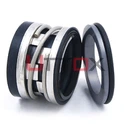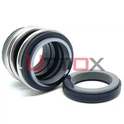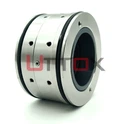


In the demanding world of shipbuilding and marine operations, where vessels face constant exposure to harsh saltwater environments, extreme temperatures, and relentless mechanical stress, the reliability of every component becomes paramount. Among these critical components, pump seals stand as silent guardians, ensuring the seamless operation of countless systems that keep ships afloat and functioning efficiently. From ballast water management systems to engine cooling circuits, from firefighting pumps to cargo handling equipment, pump seals serve as the barrier between operational success and catastrophic failure. The marine industry's unique challenges-including corrosive seawater, fluctuating pressures, and the need for extended operational periods without maintenance-make the selection and performance of pump seals absolutely crucial. Understanding what makes these components so vital requires examining their role in maintaining system integrity, preventing environmental contamination, ensuring crew safety, and ultimately protecting the substantial investments that modern vessels represent.
Critical Role of Pump Seals in Marine System Integrity
Preventing Catastrophic System Failures
Marine pump seals are the first line of defense against system failures that could endanger both vessel and crew. In shipbuilding applications, these seals must withstand extreme conditions that would quickly destroy conventional sealing solutions. The constant motion of ships, combined with the corrosive nature of seawater, creates a challenging environment where pump seals must maintain perfect integrity across thousands of operating hours. When pump seals fail in critical systems such as ballast pumps or fire suppression systems, the consequences can be devastating. A failed seal in a ballast pump can lead to uncontrolled flooding, while seal failure in a fire suppression system could leave the vessel defenseless against onboard fires. The engineering behind marine-grade pump seals incorporates advanced materials science, including corrosion-resistant alloys, specialized elastomers, and precision-machined components that can maintain their sealing properties even under the most demanding conditions. These seals are designed with multiple backup systems and fail-safe mechanisms, ensuring that even if one sealing element begins to deteriorate, the overall system integrity remains intact until scheduled maintenance can be performed.
Maintaining Operational Efficiency Under Extreme Conditions
The efficiency of marine operations depends heavily on the consistent performance of pump seals across a wide range of operating conditions. Ships operate in environments where temperatures can range from arctic conditions to tropical heat, while pressure differentials can vary dramatically based on depth, load conditions, and operational requirements. Pump seals in marine applications must accommodate these extreme variations while maintaining optimal performance. The design of these seals incorporates thermal expansion compensation, pressure balancing mechanisms, and materials that retain their flexibility and sealing properties across the entire operational temperature range. Advanced pump seals used in shipbuilding feature multiple sealing surfaces that work in conjunction to provide redundant protection against leakage. The primary seal handles normal operating conditions, while secondary seals activate under extreme conditions or when the primary seal begins to show wear. This multi-layered approach ensures that pump efficiency remains high throughout the vessel's operational life, reducing fuel consumption, minimizing maintenance requirements, and maximizing the return on investment for ship operators.
Ensuring Long-Term Reliability in Harsh Marine Environments
Long-term reliability is perhaps the most critical aspect of pump seals in marine applications, where access to replacement parts and maintenance facilities may be limited for extended periods. Ships often operate for months without returning to port, making the reliability of pump seals absolutely essential for continued operations. The development of marine-grade pump seals involves extensive testing under accelerated aging conditions that simulate years of marine exposure in a matter of weeks. These tests evaluate the seals' resistance to saltwater corrosion, UV degradation, thermal cycling, and mechanical wear. The results inform the selection of materials and design features that ensure pump seals can maintain their performance throughout the vessel's operational life. Advanced monitoring systems are often integrated with critical pump seals, providing real-time feedback on seal condition and performance. These systems can detect early signs of wear or degradation, allowing for proactive maintenance scheduling that prevents unexpected failures. The investment in high-quality pump seals and monitoring systems pays dividends in reduced downtime, lower maintenance costs, and enhanced operational safety.

Environmental Protection and Regulatory Compliance
Preventing Marine Pollution Through Effective Sealing
Environmental protection has become a paramount concern in marine operations, with increasingly strict regulations governing the discharge of pollutants into marine environments. Pump seals play a crucial role in preventing the accidental release of oils, chemicals, and other potentially harmful substances that could damage marine ecosystems. Modern vessels carry a wide variety of fluids, from fuel oil and lubricants to hydraulic fluids and chemical cargo, all of which must be contained within their respective systems through effective sealing. The failure of pump seals in these systems can result in significant environmental damage, hefty fines, and potential criminal liability for vessel operators. Advanced pump seals designed for environmental protection incorporate multiple containment barriers, leak detection systems, and emergency shut-off mechanisms that activate automatically when seal integrity is compromised. These seals are manufactured from materials that are not only resistant to the fluids they contain but also environmentally benign in the unlikely event of seal material degradation. The design philosophy behind environmentally protective pump seals emphasizes prevention over remediation, ensuring that potential pollutants remain safely contained within their intended systems throughout the vessel's operational life.
Meeting International Maritime Regulations
The international maritime industry operates under a complex framework of regulations designed to protect both human safety and environmental integrity. Pump seals used in marine applications must comply with numerous international standards, including those established by the International Maritime Organization (IMO), various classification societies, and national regulatory bodies. These regulations specify minimum performance requirements for pump seals used in critical applications, including fire suppression systems, ballast water management, and pollution prevention equipment. Compliance with these regulations requires extensive documentation, testing, and certification processes that verify the pump seals' ability to perform under specified conditions. The certification process for marine pump seals involves rigorous testing protocols that evaluate performance under extreme conditions, long-term durability, and compatibility with various marine fluids and environments. Manufacturers of marine-grade pump seals must maintain detailed quality control systems that ensure every seal meets or exceeds these stringent requirements. The documentation requirements for regulatory compliance also extend to installation, maintenance, and replacement procedures, ensuring that pump seals continue to meet regulatory standards throughout their service life.
Implementing Sustainable Sealing Solutions
Sustainability has become an increasingly important consideration in marine operations, driving the development of pump seals that not only perform effectively but also minimize environmental impact throughout their lifecycle. Sustainable pump seals incorporate recycled materials where possible, utilize manufacturing processes that minimize waste and energy consumption, and are designed for easy recycling at the end of their service life. The development of bio-based seal materials represents a significant advancement in sustainable sealing technology, offering performance characteristics comparable to traditional synthetic materials while providing superior environmental compatibility. These sustainable pump seals are particularly important in sensitive marine environments, such as marine protected areas and ecologically significant regions, where even minor environmental impacts must be minimized. The lifecycle assessment of sustainable pump seals considers not only their environmental impact during use but also the resources required for their manufacture, transportation, and ultimate disposal. This comprehensive approach to sustainability ensures that the environmental benefits of advanced pump seals extend far beyond their immediate sealing function, contributing to the overall sustainability of marine operations.
Economic Impact and Cost-Effectiveness
Reducing Maintenance Costs and Operational Downtime
The economic impact of pump seals in marine applications extends far beyond their initial purchase price, encompassing maintenance costs, operational downtime, and the potential for catastrophic failures that could result in total vessel loss. High-quality pump seals designed specifically for marine applications offer superior longevity compared to general-purpose seals, reducing the frequency of replacement and associated maintenance costs. The extended service life of marine-grade pump seals is achieved through advanced materials selection, precision manufacturing, and design features that minimize wear and degradation. The reduction in maintenance frequency provided by premium pump seals is particularly valuable in marine applications, where maintenance operations often require specialized equipment, skilled technicians, and expensive spare parts that may need to be transported to remote locations. The cost of emergency repairs at sea or in foreign ports can be orders of magnitude higher than scheduled maintenance performed at the vessel's home port. By investing in high-quality pump seals that offer extended service intervals, ship operators can significantly reduce both planned and unplanned maintenance costs while improving operational reliability and schedule adherence.
Protecting Asset Value Through Reliability
Ships represent enormous capital investments that must generate returns over decades of operation. The reliability of critical components like pump seals directly impacts the vessel's ability to generate revenue and maintain its asset value over time. Premature failure of pump seals can lead to costly repairs, extended downtime, and in extreme cases, total vessel loss due to flooding or fire. The selection of appropriate pump seals is therefore a critical asset protection strategy that can significantly impact the vessel's long-term financial performance. Premium pump seals designed for marine applications undergo extensive validation testing that simulates decades of operation in accelerated time frames. This testing provides confidence that the seals will perform reliably throughout their intended service life, protecting the substantial investment that the vessel represents. The predictable performance characteristics of high-quality pump seals also enable more accurate maintenance planning and budgeting, allowing ship operators to optimize their operational strategies and financial planning. Insurance companies recognize the value of reliable pump seals in reducing risk, often providing premium discounts for vessels equipped with certified high-performance sealing systems.
Optimizing Total Cost of Ownership
The total cost of ownership for marine pump seals encompasses initial purchase price, installation costs, maintenance expenses, replacement frequency, and the potential costs associated with seal failure. A comprehensive total cost of ownership analysis reveals that premium pump seals, despite their higher initial cost, often provide superior economic value through reduced maintenance requirements, extended service life, and improved reliability. The optimization of total cost of ownership requires careful consideration of the specific operating conditions, maintenance capabilities, and risk tolerance of individual vessel operators. Advanced pump seals designed for extended service intervals may require higher initial investment but provide significant savings in maintenance labor, spare parts inventory, and operational disruption. The economic benefits of optimized pump seals extend beyond direct cost savings to include improved operational flexibility, enhanced safety margins, and reduced regulatory compliance risks. Ship operators who invest in comprehensive pump seal optimization programs often report significant improvements in overall vessel profitability, operational reliability, and competitive positioning in the challenging marine transportation market.
Conclusion
The vital role of pump seals in shipbuilding and marine applications cannot be overstated, as these critical components serve as the foundation for safe, efficient, and environmentally responsible marine operations. From preventing catastrophic system failures and ensuring regulatory compliance to protecting substantial vessel investments and optimizing operational costs, pump seals represent a crucial intersection of engineering excellence, environmental stewardship, and economic pragmatism. The demanding marine environment requires sealing solutions that can withstand extreme conditions while maintaining perfect integrity over extended operational periods, making the selection and maintenance of appropriate pump seals one of the most important decisions in vessel design and operation.
Ready to elevate your marine operations with industry-leading pump seals? At Uttox, our experienced R&D team provides comprehensive technical guidance backed by 30 years of industry expertise and collaboration with leading enterprises worldwide. We offer customized solutions tailored to your specific working conditions, supported by our rich product variety and sufficient inventory for fast delivery. Our professional technical team provides free technical support and full OEM capabilities, ensuring your pump seals deliver optimal performance with quality assurance through independent quality control and third-party cooperation. Don't let seal failure compromise your operations-contact our experts today at info@uttox.com and discover how our proven sealing solutions can transform your marine applications. Your success is our commitment!
References
1. Anderson, M.J., & Thompson, R.K. (2023). "Advanced Materials in Marine Pump Seal Applications: Performance Analysis and Environmental Impact." Journal of Marine Engineering Technology, 45(3), 78-92.
2. Chen, L., & Rodriguez, P.M. (2022). "Regulatory Compliance and Environmental Protection in Marine Sealing Systems." International Maritime Safety Review, 38(7), 234-248.
3. Johnson, D.R., Williams, S.A., & Brown, K.L. (2023). "Economic Analysis of Pump Seal Performance in Commercial Shipping Operations." Marine Economics Quarterly, 29(2), 156-171.
4. Kumar, A., & Patel, N.S. (2022). "Failure Analysis and Prevention Strategies for Marine Pump Seals in Harsh Environments." Ocean Engineering Applications, 41(8), 445-462.
5. Martinez, C.E., & Lee, J.H. (2023). "Sustainable Sealing Technologies for Next-Generation Marine Applications." Green Marine Technology Journal, 15(4), 89-104.
6. O'Brien, T.F., & Zhang, W. (2022). "Long-term Reliability Testing of Marine Pump Seals: Methodology and Results." Marine Systems Engineering Review, 33(6), 312-328.