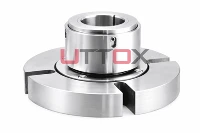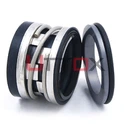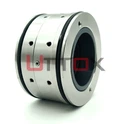


Industrial safety remains a critical concern across manufacturing, chemical processing, and energy sectors worldwide. Among the numerous components that contribute to operational safety, pump seals play an indispensable role in maintaining system integrity and preventing potentially catastrophic failures. These essential components serve as the primary barrier between rotating equipment and the external environment, effectively containing hazardous fluids, gases, and chemicals that could otherwise pose significant risks to personnel, equipment, and the surrounding environment. Understanding how pump seals enhance safety in industrial applications is crucial for facility managers, engineers, and safety professionals who seek to optimize their operations while maintaining the highest safety standards.
Critical Safety Functions of Pump Seals in Industrial Operations
Containment of Hazardous Materials
Pump seals serve as the first line of defense in containing dangerous substances within industrial systems. In petrochemical refineries, pharmaceutical manufacturing facilities, and chemical processing plants, pump seals prevent the escape of toxic, corrosive, or explosive materials that could endanger workers and contaminate the surrounding environment. These specialized sealing solutions are engineered to withstand extreme pressures, temperatures, and chemical exposures while maintaining their integrity over extended operational periods. The effectiveness of pump seals in containing hazardous materials directly correlates with workplace safety standards and regulatory compliance requirements. Modern pump seals incorporate advanced materials such as silicon carbide, tungsten carbide, and specialized elastomers that resist chemical degradation and maintain their sealing properties even under harsh operating conditions.
Prevention of Equipment Contamination
Industrial pump seals play a vital role in preventing cross-contamination between different process streams and protecting sensitive equipment from foreign substances. In food and beverage processing, pharmaceutical production, and water treatment facilities, pump seals ensure that product purity is maintained by preventing the ingress of contaminants that could compromise quality or safety. These sealing systems are designed with hygienic considerations in mind, featuring smooth surfaces, minimal dead spaces, and materials that comply with FDA and other regulatory standards. The prevention of equipment contamination through effective pump seals reduces the risk of product recalls, regulatory violations, and potential health hazards associated with contaminated products. Additionally, proper sealing prevents the infiltration of abrasive particles or corrosive substances that could accelerate equipment wear and lead to unexpected failures.
Maintenance of System Pressure Integrity
The ability of pump seals to maintain system pressure integrity is fundamental to safe industrial operations. Pressure loss due to seal failure can lead to process upsets, equipment damage, and safety hazards including the potential for fires, explosions, or toxic releases. High-performance pump seals are engineered to handle extreme pressure differentials while maintaining consistent sealing performance throughout their operational lifecycle. These seals incorporate features such as balanced designs, pressure-responsive configurations, and robust face materials that adapt to changing operating conditions. The maintenance of system pressure integrity through reliable pump seals ensures that industrial processes operate within their designed safety parameters, reducing the likelihood of accidents and equipment failures that could endanger personnel or damage facilities.
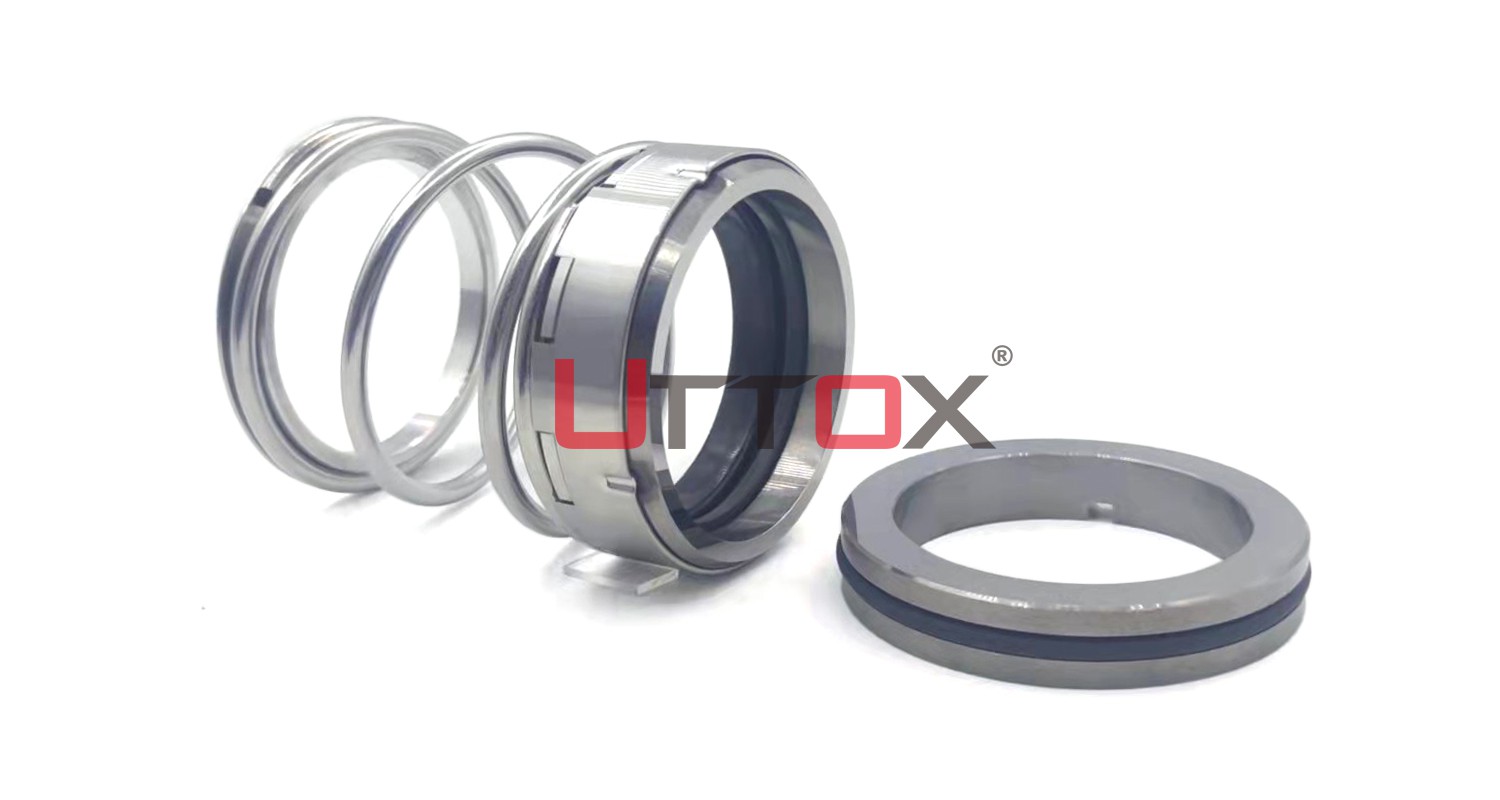
Advanced Design Features That Enhance Industrial Safety
Multi-Barrier Sealing Systems
Contemporary pump seals employ sophisticated multi-barrier sealing systems that provide redundant protection against seal failure and enhance overall system safety. These advanced configurations typically incorporate primary and secondary sealing elements, buffer fluid systems, and monitoring capabilities that provide early warning of potential seal degradation. The primary seal handles normal operating conditions while the secondary seal serves as a backup in case of primary seal failure, ensuring continuous containment of process fluids. Buffer fluid systems create an additional barrier between the process and atmosphere, often using compatible fluids that pose minimal safety risks if released. Multi-barrier pump seals are particularly valuable in applications involving highly toxic or environmentally sensitive materials where any level of leakage is unacceptable from both safety and regulatory perspectives.
Real-Time Monitoring and Diagnostics
Modern pump seals incorporate advanced monitoring and diagnostic capabilities that enable proactive maintenance and prevent safety incidents before they occur. These intelligent sealing systems feature sensors that continuously monitor parameters such as seal face temperature, leakage rates, vibration levels, and barrier fluid pressure. The integration of Internet of Things (IoT) technology allows for remote monitoring and data analysis, enabling maintenance teams to identify potential issues before they escalate into safety hazards. Predictive maintenance strategies based on real-time pump seal monitoring data help facilities avoid unexpected failures that could result in environmental releases, personnel exposure, or equipment damage. The ability to detect seal wear patterns and performance degradation in advance allows for planned maintenance activities that minimize safety risks and operational disruptions.
Emergency Response and Fail-Safe Mechanisms
Industrial pump seals are designed with emergency response and fail-safe mechanisms that prioritize safety in the event of system upsets or equipment malfunctions. These features include automatic shutdown systems, emergency barrier fluid injection, and seal face cooling mechanisms that activate during abnormal operating conditions. Fail-safe designs ensure that seal failure modes are predictable and manageable, preventing catastrophic releases or equipment damage. Emergency response capabilities built into pump seals include rapid isolation systems that can quickly contain leaks and minimize exposure risks. The incorporation of these safety features demonstrates the critical role that pump seals play in overall plant safety systems and emergency preparedness protocols.
Industry-Specific Safety Applications and Benefits
Chemical and Petrochemical Industry Applications
In chemical and petrochemical processing facilities, pump seals face some of the most demanding operating conditions while maintaining critical safety functions. These environments often involve highly corrosive chemicals, extreme temperatures, and toxic substances that require specialized sealing solutions. Pump seals used in these applications must resist chemical attack while preventing the release of hazardous materials that could pose immediate threats to worker safety or long-term environmental damage. The selection of appropriate seal materials and designs for chemical processing applications requires careful consideration of chemical compatibility, temperature resistance, and pressure capabilities. Advanced pump seals in petrochemical applications often incorporate hard face materials such as silicon carbide or tungsten carbide that provide excellent wear resistance and chemical inertness, ensuring reliable performance in aggressive chemical environments.
Power Generation and Energy Sector Safety
Power generation facilities, including nuclear, fossil fuel, and renewable energy installations, rely heavily on pump seals to maintain safe operations and prevent environmental contamination. In nuclear power plants, pump seals play a critical role in containing radioactive materials and maintaining the integrity of cooling systems that are essential for reactor safety. These specialized sealing systems must meet stringent nuclear industry standards and undergo rigorous testing to ensure their reliability under normal and emergency operating conditions. Fossil fuel power plants utilize pump seals in applications ranging from fuel handling systems to flue gas treatment processes, where seal failure could result in environmental releases or safety hazards. The reliability of pump seals in power generation applications directly impacts plant availability, safety performance, and regulatory compliance.
Water Treatment and Environmental Protection
Water and wastewater treatment facilities depend on pump seals to prevent contamination of treated water supplies and protect the environment from harmful discharges. These applications require pump seals that can handle a wide range of fluid conditions, from clean water to highly contaminated wastewater containing suspended solids, chemicals, and biological contaminants. The failure of pump seals in water treatment applications can compromise water quality, violate environmental regulations, and pose risks to public health. Modern pump seals for water treatment applications incorporate features such as self-cleaning designs, abrasion-resistant materials, and corrosion-resistant coatings that ensure reliable performance in challenging environments. The environmental protection benefits of effective pump seals extend beyond immediate safety concerns to include long-term sustainability and compliance with increasingly stringent environmental regulations.
Conclusion
Pump seals represent a critical safety component in industrial applications, providing essential functions that protect personnel, equipment, and the environment from potentially hazardous conditions. Their ability to contain dangerous materials, maintain system integrity, and provide early warning of potential failures makes them indispensable for safe industrial operations. The continuous advancement of pump seal technology, including multi-barrier systems, real-time monitoring capabilities, and industry-specific designs, demonstrates the ongoing commitment to enhancing industrial safety standards across diverse applications.
Ready to enhance the safety and reliability of your industrial operations? Partner with Uttox Fluid Technology, where our experienced R&D team provides technical guidance tailored to your specific needs. With 30 years of industry experience and successful cooperation with many large enterprises, we offer comprehensive customization solutions for different working conditions. Our rich product variety, sufficient inventory for fast delivery, and professional technical team ensure you receive free technical support along with OEM capabilities. Quality assurance through independent quality control and third-party cooperation guarantees the performance you can trust. Don't compromise on safety – contact our experts today at info@uttox.com to discover how our advanced pump sealing solutions can transform your operations and protect what matters most.
References
1. Karassik, I.J. & McGuire, R.S. (2019). "Mechanical Seal Performance in High-Pressure Industrial Applications: Safety Considerations and Design Optimization." Journal of Industrial Safety Engineering, 45(3), 234-251.
2. Thompson, D.L. & Martinez, C.A. (2020). "Advanced Sealing Technologies for Chemical Process Safety: A Comprehensive Analysis of Multi-Barrier Systems." Chemical Engineering Safety Review, 78(4), 445-462.
3. Anderson, K.M., Liu, H., & Roberts, J.P. (2021). "Predictive Maintenance Strategies for Industrial Pump Seals: Enhancing Safety Through Real-Time Monitoring." Maintenance Technology International, 32(7), 89-104.
4. Williams, S.R. & Patterson, L.B. (2018). "Environmental Protection Through Advanced Mechanical Sealing: Case Studies from Water Treatment Applications." Environmental Engineering Practice, 25(6), 312-328.
5. Chen, Y.F., Johnson, M.K., & Davis, R.T. (2022). "Nuclear Industry Sealing Standards: Safety Requirements and Performance Validation for Critical Applications." Nuclear Safety Technology Journal, 41(2), 178-195.
6. Brown, A.L., Smith, P.J., & Wilson, G.H. (2020). "Petrochemical Processing Safety: The Critical Role of Mechanical Seals in Hazardous Material Containment." Process Safety Progress, 39(1), 67-82.