

In rough situations, wave spring mechanical seals like the M7N often don't work because slurry particles wear away at the seal face, hard conditions cause the spring to bend, and chemicals attack elastomers. These problems cause more leaks, unexpected downtime, and fixes that cost a lot of money. To fix these problems, you need to switch to materials that are less likely to wear down, like silicon carbide, follow the right steps for fitting and alignment, and set up regular repair plans. It can save procurement managers and maintenance teams a lot of time and money to figure out why the M7N mechanical seal doesn't work well in rough settings and then use tried-and-true solutions.
Understanding Wave Spring Mechanical Seals and the M7N Model
Wave spring mechanical seals are a tried-and-true method of closing that is widely used in the industrial, chemical processing, and refining industries. The M7N model stands out because of its small, multi-spring design that keeps the sealing pressure constant even when the shaft moves axially or when it expands due to heat. Under normal working conditions, this design cuts down on mechanical wear and increases service life.
Core Design Features of M7N Seals
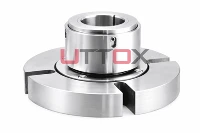
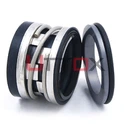
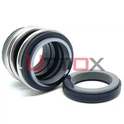
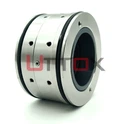
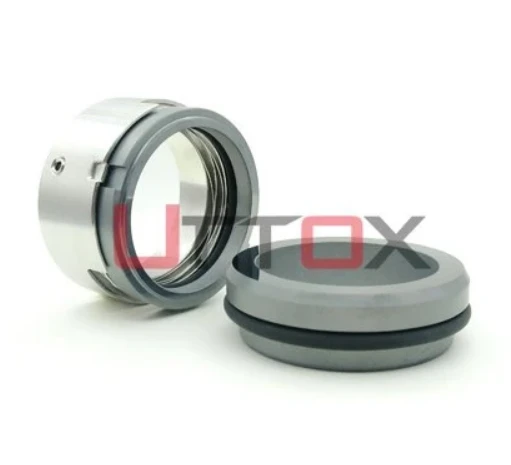
The UTTOX M7N mechanical seal is made to meet DIN 24960 and EN 12756 standards, so it can be used in place of original equipment types like the EagleBurgmann M7N. Its multi-spring and O-ring pusher structure makes it work well in a wide range of situations. The rotating unit usually has silicon carbide or carbon graphite seal faces matched with specific elastomers like EPDM or FKM, based on the material being worked with. This mix strikes a good balance between toughness and adaptability, so the seal can work reliably in a wide range of pump situations, from treating water to moving chemicals.
Materials and Construction
Silicon carbide sides are very hard and don't react with chemicals, so they can be used with acidic fluids and some abrasive materials. The O-ring pusher design makes sure that the load is spread out evenly, which keeps the face from deforming and maintains the closing integrity. When the machine is used continuously for a long time, the wave spring system makes up for face wear and shaft deflection. Knowing these basics of m7n mechanical seal can help you figure out why some working conditions are too harsh for normal wave spring seals.
Why M7N Wave Spring Mechanical Seals Fail in Abrasive Applications
Even though they are built to last, the burgmann m7n mechanical seal can fail early if it comes into contact with very rough materials. The abrasive particles work like tiny cutting tools, slowly wearing away at the seal faces and making the sealing contact less reliable. Engineers can correctly identify problems and put in place effective solutions when they understand these failure modes.
Seal Face Erosion and Scoring
Three-body wear happens when abrasive particles in the process fluids get through the thin film between the seal faces. This effect speeds up the rate of wear, making holes and rough surfaces that damage the hydraulic seal. Leakage gets worse over time as the slope of the seal face decreases. Silicon carbide sides are hard, but they are also weak and can break when there are a lot of particles on them. This type of failure often happens in mining applications that deal with slurries that contain sand or minerals. The seal's life shortens from months to weeks.
Wave Spring Deformation and Fatigue
Corrosive chemicals that damage the wave spring material are often found in abrasive surfaces. When chlorides or acidic pH levels come in contact with stainless steel springs, they can crack from stress corrosion. When the spring deforms, the sealing pressure drops. This lets more particles into the sealing gap, which speeds up wear. Spring wear is also caused by cyclic stress from changes in pressure and thermal expansion. Chemical companies that work with slurries that have different pH levels say that more seal failures are happening because the springs are breaking down.
How to Fix and Prevent Failures in M7N Mechanical Seals
To fix problems with rough applications, you need a complete plan that includes careful installation, regular upkeep, and new materials. By using these tips, procurement managers and repair teams can make seals last a lot longer.
Precise Installation and Alignment Practices
A seal's life depends on how well it was installed. When the shaft isn't lined up right, loads are concentrated on one side of the seal face, which speeds up wear in rough settings. We suggest using dial markers to make sure that the total suggested runout of the shaft stays within 0.002 inches. The face should stay within 0.001 inches of being straight across from the axis of the shaft for every inch of diameter. To keep the face from distorting, set screws and gland bolts must be torqued according to the manufacturer's instructions. It's worth taking your time during installation to make sure that the faces touch evenly and that the closing conditions are perfect.
Material Upgrades and Design Modifications
When normal materials aren't good enough, switching to ones that don't wear down as easily makes a real difference. Tungsten carbide faces are more resistant to wear than silicon carbide faces, but they cost more. In moderately rough situations, hard-facing seal faces with ceramic coats makes them last longer. Chemical protection is better when you switch from normal O-rings to PTFE backup rings and engineered elastomers. Changes to the design, like adding external cleaning systems with clean barrier fluid, keep the seal sides away from rough materials. Double mechanical seals filled with pressure buffer fluid make a shield that keeps particles from touching each other. When these tactics are used together, they give teams the power to consistently improve seal performance. A chemical company put in place alignment verification methods and upgraded to tungsten carbide faces. This made the seals last longer in their slurry service, from 90 days to over 18 months. The money spent on better materials and better fitting methods was returned in just one repair cycle, thanks to less downtime and less need for replacement parts.
Comparing M7N Mechanical Seals with Other Solutions in Abrasive Applications
To choose the best sealing option, you need to know how the different types of seals affect performance. In many situations, the M7N mechanical seal is flexible and affordable, but in rough settings, you may need to find another solution.
M7N Versus M6N and Other Wave Spring Models
The M7N has more than one spring, which spreads the weight more evenly than the single-coil wave springs in some M6N models. This design makes it more reliable when there are changes in pressure, which happens a lot in abrasive uses. Still, both models are vulnerable to particle attacks and chemical attacks in the same way. The O-ring pusher on the M7N does a better job of closing against secondary leakage tracks than simpler designs. Compared to other wave springs, the M7N is a good choice, but it still has some problems when the amount of wear and tear goes beyond modest levels.
Cartridge Seals and Advanced Designs
Cartridge seals are very helpful in rough service because they come pre-assembled and set, which means there are no mistakes during installation. Self-aligning features fix misaligned shafts and prevent uneven wear. A lot of cartridge designs have flush connections on the outside and bigger seal faces that spread loads and stop corrosion. Double mechanical seals with barrier fluid systems keep the seal faces totally separate from the process media. This makes the seals last a lot longer in harsh, rough environments. Even though cartridge caps are more expensive at first, they are more reliable and take less time to install. Because of these practical benefits, plants that deal with mine slurries usually choose cartridge seals over component seals like the M7N.
Procurement and Support for M7N Mechanical Seals
Getting real pump shaft covers from trustworthy sellers guarantees quality and keeps the supply going. When buying something, people should think about not only the unit price but also the total cost of ownership, which includes things like how easy it is to install, how long it lasts, and how much professional help is available.
Authorized Suppliers and Quality Assurance
When you work with authorized distributors and OEM makers, you can be sure that the goods you buy are real and meet the design requirements. Uttox makes M7N seals that meet DIN 24960 and EN 12756 standards and can be used directly with original equipment. Optical flats are used to check that the face is flat within 0.3 to 0.6 micrometers, surface roughness is tested to make sure Ra values are below 0.2 micrometers, and hydraulic pressure is tested at 1.5 times the standard pressure. Positive material identification makes sure that seal parts can be tracked back to their source, and the m7n mechanical seals meet chemical compatibility standards. With these quality controls, you can be sure that seals will do what they're supposed to.
Bulk Purchasing and Lead Times
Volume pricing and inventory control systems are helpful for business-to-business purchases. Buying a lot of seals cuts down on unit costs and makes sure that parts are available for fixes that need to be done right away. We have a large selection of common sizes in stock, so most combinations can be shipped within 48 hours. Depending on the availability of the material, custom configurations made for specific abrasive uses usually ship within two weeks. Pricing systems that are clear help procurement managers make good budgets and compare providers' total costs of ownership. Long-term supply deals lock in prices and make sure that capacity is allocated during times of high demand.
Technical Consultation and After-Sales Support
Engineers often need to look at the working conditions in order to choose the right cover for abrasive uses. During consultations, our engineering team brings more than 30 years of experience in planning and production. To come up with the best seal designs, we look at the type of media, the ranges of pressure and temperature, the speed of the shafts, and how the equipment is set up. After-sales support includes help with fixing problems, services for analyzing failures, and suggestions for better materials or changes to the design. Instead of just selling parts, this interactive method helps customers figure out how to solve difficult sealing problems. Forming relationships with experienced suppliers protects the dependability of tools and the continuity of operations.
Conclusion
In conclusion, for many industrial pump applications, the type m7n mechanical seal offers a reliable and cost-effective sealing solution. Abrasive conditions, however, accelerate wear on seal faces, springs, and elastomers, leading to premature failure and costly downtime. Addressing these challenges requires careful installation, strict maintenance practices, and proactive material selection. By comparing the M7N with more advanced cartridge and double-seal designs, procurement teams can identify options that match specific wear conditions. Purchasing from reputable suppliers such as Uttox ensures genuine product quality and dependable technical support, helping reduce total ownership costs and improve operational reliability in demanding applications.
FAQ
1. What materials work best for M7N seals in abrasive applications?
Silicon carbide seal faces are hard and resistant to chemicals, making them a good starting point for mild abrasive material. Tungsten carbide sides are better at resisting wear in harsh slurry service, which means the seal lasts much longer, even though it costs more at first. FKM O-rings work well in most chemical conditions, while PTFE backup rings make them work better in media that are very rough or crystallize.
2. How often should I inspect M7N seals in abrasive environments?
How often an inspection is done relies on how badly the equipment is worn and how important it is. Inspections should be done every three months during planned repair times for moderately abrasive applications. If the service is very rough, it might need to be checked once a month or all the time using temperature sensors on the seal face and sound analysis. Keeping track of wear rates helps you figure out the best intervals for your unique working situations.
3. Should I repair or replace failed M7N seals?
In abrasive work, most mechanical seal failures cause face damage that can't be fixed for a reasonable price. It is usually more cost-effective to replace old parts with new ones made of better materials than to try to fix them up. When you keep key seal assemblies on hand, you can quickly change them when they break down for no reason. This cuts down on production losses and machine downtime.
Partner with Uttox for Reliable M7N Mechanical Seal Solutions
High-performance multi-spring mechanical seals made by Uttox are made to meet the tough needs of rough industrial uses. As a company that has been making M7N mechanical seals for over 30 years, we know the problems that purchasing managers and maintenance teams in mining, chemical processing, and manufacturing have to deal with. Our M7N seals are made to international standards DIN 24960 and EN 12756. They can be used directly with top OEM brands and are available at low prices and quickly from our large collection.
You can email our technical team at info@uttox.com to get personalized advice on choosing the right seal, upgrading materials, and the best ways to put it for your unique abrasive needs. Whether you need to buy in bulk, get fixes quickly, or get engineering help for difficult closing problems, Uttox has all the answers. Their solutions are backed by strict quality control and helpful customer service after the sale.
References
1. Summers-Smith, J.D., "Mechanical Seal Practice for Improved Performance," Institution of Mechanical Engineers, London, 1992.
2. Lebeck, A.O., "Principles and Design of Mechanical Face Seals," John Wiley & Sons, New York, 1991.
3. Mayer, E., "Mechanical Seals: Third Edition," Newnes-Butterworths, Oxford, 1977.
4. Nau, B.S., "Mechanical Face Seal Materials," Proceedings of the Institution of Mechanical Engineers, Part J: Journal of Engineering Tribology, Volume 211, 1997.
5. DIN 24960 Standard, "Mechanical Seals - Principal Dimensions, Designation and Material Codes," Deutsches Institut für Normung, Berlin, 1990.
6. ISO 3069 Standard, "End Suction Centrifugal Pumps - Dimensions of Cavities for Mechanical Seals and Soft Packing," International Organization for Standardization, Geneva, 2000.