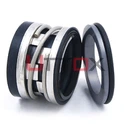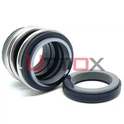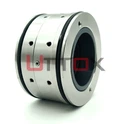


When industrial operations demand reliable sealing solutions that ensure optimal performance and minimal downtime, finding the right cartex seal supplier becomes paramount. As industries across petroleum refining, water treatment, pulp and paper, shipbuilding, food and beverage, pharmaceuticals, and power generation continue to evolve, the need for dependable mechanical sealing technology has never been more critical. This comprehensive guide explores why selecting an experienced cartex seal manufacturer can make the difference between operational success and costly failures, providing insights into the technical excellence, quality assurance, and comprehensive support that define truly trusted suppliers in today's competitive marketplace.
Why Choose Professional Cartex Seal Manufacturers for Your Industrial Applications?
Advanced Material Engineering and Quality Specifications
The foundation of superior cartex seal performance lies in the meticulous selection and engineering of materials that can withstand the most demanding industrial conditions. Professional manufacturers understand that each component of a CARTEX SN Cartridge Seals system must be engineered to precise specifications, utilizing materials that have been thoroughly tested and validated across diverse applications. The seal rings, which form the critical sealing interface, are manufactured using premium materials including resin carbon for standard applications, antimony carbon for enhanced chemical resistance, silicon carbide (SIC) for superior wear resistance, sintered silicon carbide (SSIC) for extreme temperature applications, and tungsten carbide for the most demanding abrasive environments. These materials are carefully selected based on the specific operating parameters of each application, ensuring optimal sealing performance throughout the expected service life. The elastomer components represent another crucial aspect of cartex seal engineering, with manufacturers offering comprehensive selections including FKM (Viton) for chemical resistance, FFKM (Perfluoroelastomer) for extreme chemical compatibility, EPDM for steam and hot water applications, AFLAS for specialized chemical resistance, and NBR for general-purpose sealing applications. Each elastomer type undergoes rigorous testing to verify compatibility with specific process fluids, temperature ranges, and pressure conditions. The metal components, which provide structural integrity and mounting interfaces, are manufactured from high-grade stainless steel variants including SS304 for general applications, SS316 for enhanced corrosion resistance, duplex stainless steel for high-strength requirements, Hastelloy C for extreme chemical environments, and 904L for superior corrosion resistance in aggressive media.

Precision Manufacturing and Assembly Processes
The manufacturing excellence that distinguishes professional cartex seal suppliers extends far beyond material selection to encompass sophisticated manufacturing processes that ensure consistent quality and reliable performance. Modern CARTEX SN Cartridge Seals manufacturing facilities employ advanced machining centers equipped with computerized numerical control systems that maintain tolerances measured in micrometers, ensuring that each seal face achieves the precise flatness and finish required for effective sealing. The assembly processes incorporate comprehensive quality control measures, including dimensional verification, surface finish analysis, and leak testing under simulated operating conditions. Professional manufacturers implement rigorous inspection protocols throughout the production cycle, beginning with incoming material verification and extending through final product testing. Each cartex seal undergoes careful examination of all components to verify cleanliness and freedom from contaminants, particularly on the critical sealing surfaces of static and dynamic rings. The rotating components receive special attention to ensure that transmission pins and spring pins move freely without binding or restriction. Positioning screws undergo torque verification to ensure proper tightness without over-compression, with replacement of any components showing wear or damage. The thickness of auxiliary seals is verified against engineering specifications to ensure correct positioning and appropriate spring loading on the sealing surfaces, as improper dimensions can significantly impact seal performance and service life.
Comprehensive Technical Support and Application Engineering
Distinguished cartex seal manufacturers provide extensive technical support services that extend far beyond product delivery to encompass comprehensive application engineering, installation guidance, and ongoing technical assistance. Their engineering teams, often possessing decades of combined experience in mechanical seal technology, work closely with customers to analyze specific operating conditions and recommend optimal seal configurations. This collaborative approach ensures that each CARTEX SN Cartridge Seals installation is properly engineered for the intended application, taking into account factors such as process fluid characteristics, operating temperature and pressure ranges, shaft speeds, and environmental considerations. The technical support services include detailed installation procedures that minimize the risk of improper assembly or damage during installation. Professional suppliers provide comprehensive documentation covering pre-installation inspection requirements, proper handling procedures, torque specifications, and alignment verification methods. Their technical teams remain available throughout the installation process to address questions and provide guidance on any unexpected conditions or challenges that may arise. Post-installation support includes performance monitoring recommendations, maintenance scheduling guidance, and troubleshooting assistance to ensure optimal seal performance throughout the service life.
Complete Cartex Seal Solutions for Every Industrial Sector
Petroleum Refining and Petrochemical Applications
The petroleum refining and petrochemical industries present some of the most challenging operating environments for mechanical seals, requiring cartex seal solutions that can reliably handle aggressive chemicals, extreme temperatures, and high-pressure conditions while maintaining zero-leakage performance standards. Professional cartex seal manufacturers have developed specialized configurations specifically engineered for these demanding applications, incorporating advanced material combinations and design features that ensure reliable operation in hydrocarbon processing environments. These seals must withstand exposure to crude oil, refined products, various chemical additives, and process gases while maintaining dimensional stability and sealing integrity across wide temperature ranges. The CARTEX SN Cartridge Seals designed for petroleum applications typically feature silicon carbide or tungsten carbide seal faces that provide exceptional wear resistance and chemical compatibility with hydrocarbon media. The secondary sealing elements utilize FKM or FFKM elastomers selected for their outstanding resistance to swelling and degradation when exposed to petroleum products and associated chemicals. Metal components are manufactured from corrosion-resistant alloys such as duplex stainless steel or Hastelloy C to ensure structural integrity in corrosive environments. The complete cartridge design facilitates easy installation and maintenance, critical factors in refineries where downtime represents significant economic impact.
Water Treatment and Municipal Infrastructure
Water treatment facilities and municipal infrastructure systems require cartex seal solutions that can reliably handle clean and contaminated water, various treatment chemicals, and the unique challenges associated with continuous operation in critical public utility applications. The cartridge seals designed for these applications must demonstrate exceptional reliability and longevity while maintaining cost-effectiveness suitable for municipal budgets. Professional manufacturers develop specialized seal configurations that address the specific requirements of water treatment processes, including resistance to chlorine and other disinfectants, compatibility with coagulants and flocculants, and ability to handle suspended solids and varying water quality conditions. Water treatment applications often utilize mechanical seals with carbon graphite seal faces that provide reliable sealing performance while remaining cost-effective for large-scale installations. The elastomer selections typically favor EPDM for hot water applications and NBR for general water service, with FKM specified when chemical resistance becomes critical. The metal components are manufactured from stainless steel grades that provide adequate corrosion resistance for water service while maintaining reasonable costs. The cartridge design simplifies maintenance procedures, an important consideration for municipal facilities that may have limited technical staff and maintenance resources.
Food and Beverage Processing Industries
The food and beverage processing industries impose unique requirements on cartex seal technology, demanding solutions that meet stringent hygiene standards while providing reliable sealing performance in applications involving food products, cleaning chemicals, and sanitizing agents. Professional manufacturers develop specialized CARTEX SN Cartridge Seals that comply with food safety regulations and industry standards, utilizing materials that are approved for food contact applications and designing configurations that facilitate thorough cleaning and sanitization. These seals must withstand frequent cleaning cycles involving hot water, steam, and various sanitizing chemicals while maintaining sealing integrity and preventing contamination of food products. Food processing applications require careful material selection to ensure compatibility with both food products and cleaning chemicals. Seal faces often utilize silicon carbide combinations that provide excellent wear resistance and chemical compatibility while meeting food safety requirements. Elastomer selections favor FDA-approved materials such as EPDM for dairy applications and FKM for more aggressive food processing chemicals. All metal components must utilize food-grade stainless steel, typically SS316, to ensure corrosion resistance and compliance with sanitary requirements. The cartridge design incorporates features that minimize crevices and dead spaces where bacteria could accumulate, supporting effective cleaning and sanitization protocols.
Advanced Installation and Maintenance Protocols for Maximum Reliability
Pre-Installation Inspection and Verification Procedures
The successful installation of cartex seal systems begins with comprehensive pre-installation inspection procedures that verify the condition and compatibility of all components before assembly. Professional suppliers provide detailed inspection protocols that must be followed regardless of whether the installation involves newly replaced mechanical seals or repaired units. These procedures begin with careful examination of all seal components to ensure cleanliness and freedom from dirt, debris, or contaminants that could compromise sealing performance. Particular attention is paid to the sealing surfaces of static and dynamic rings, as even minor contamination can result in premature seal failure or leakage. The inspection process extends to verification of rotating components, ensuring that all transmission pins and spring pins move freely without binding or restriction. Any signs of corrosion, wear, or damage must be addressed before installation proceeds. Positioning screws receive special attention, with verification that they remain properly tightened while avoiding over-compression that could damage seal components. Components showing signs of wear or damage should be replaced rather than reused, as the cost of replacement components is minimal compared to the potential consequences of seal failure. Critical attention is given to the thickness verification of all auxiliary seals according to the seal installation drawings provided by the manufacturer. Improper thickness can significantly impact seal positioning and the spring load applied to the sealing surfaces, potentially resulting in inadequate sealing force or excessive wear. Professional installation procedures require measurement of seal thickness using appropriate gauging tools and replacement of any seals that do not meet specified tolerances. The compatibility of all rotating parts with the shaft or sleeve is verified through careful measurement and fit testing to ensure proper alignment and prevent binding during operation.
Precision Installation Techniques and Alignment Procedures
The installation of mechanical seals cartridge seals requires precision techniques and careful attention to alignment procedures that ensure optimal performance and service life. Professional installation protocols emphasize the importance of proper shaft and seal chamber preparation, including verification of surface finish, roundness, and dimensional accuracy. The seal chamber must be thoroughly cleaned and inspected for damage, with any nicks, scratches, or dimensional variations corrected before seal installation. Shaft preparation includes verification of proper surface finish and dimensional accuracy, with particular attention to areas where sealing elements will contact the shaft surface. During installation, careful attention is paid to the sealing surfaces of dynamic and static rings, ensuring that no nicks, scratches, or damage occur during handling or assembly. Even slight damage to these critical surfaces can result in seal leakage and premature failure. Professional installation techniques include the use of appropriate handling tools and procedures that minimize the risk of surface damage. Alignment verification procedures ensure that the seal assembly is properly positioned within the seal chamber and that all components are correctly oriented according to manufacturer specifications. The installation process includes systematic torque application to mounting bolts according to manufacturer specifications, ensuring uniform loading and preventing distortion of seal components. Professional installers utilize calibrated torque wrenches and follow specified tightening sequences to achieve proper bolt loading without over-compression. Final installation verification includes checks of seal positioning, component alignment, and freedom of rotation before system startup. These comprehensive installation procedures, when properly executed, significantly enhance seal reliability and service life.
Preventive Maintenance and Performance Monitoring
Professional cartex seal suppliers provide comprehensive preventive maintenance programs designed to maximize seal performance and service life while minimizing unplanned downtime. These programs begin with establishment of baseline performance parameters during initial installation and commissioning, providing reference points for ongoing performance monitoring. Regular monitoring procedures include vibration analysis, temperature measurement, and visual inspection protocols that can identify developing issues before they result in seal failure. The preventive maintenance protocols include scheduled inspection of seal chamber conditions, verification of proper lubrication and cooling system operation, and assessment of process conditions that could impact seal performance. Changes in operating parameters such as temperature, pressure, or process fluid characteristics are carefully documented and evaluated for their potential impact on seal performance. Professional maintenance programs also include provisions for seal performance trending, utilizing data collection and analysis tools to identify gradual changes in performance that may indicate developing issues. Maintenance procedures include specific protocols for seal replacement when service life expectations are approached or when performance monitoring indicates declining effectiveness. Professional suppliers provide detailed procedures for seal removal, inspection, and replacement that minimize downtime and ensure proper installation of replacement units. The maintenance programs also include provisions for root cause analysis when seal failures occur, helping to identify and address underlying causes that could affect future seal performance.
Conclusion
Selecting the right cartex seal supplier represents a critical decision that directly impacts operational reliability, maintenance costs, and overall system performance across diverse industrial applications. Professional manufacturers like Zhejiang Uttox Fluid Technology Co., Ltd., with over 30 years of industry experience and recognition from customers in more than 50 countries, demonstrate the expertise and commitment necessary to deliver superior sealing solutions. Their comprehensive approach encompasses advanced material engineering, precision manufacturing processes, and extensive technical support services that ensure optimal seal performance throughout the service life.
The combination of experienced R&D teams providing technical guidance, customization capabilities for different working conditions, extensive product variety, sufficient inventory for fast delivery, and professional technical support represents the foundation of trusted supplier relationships. These capabilities, backed by independent quality control measures and cooperation with third-party verification services, ensure that customers receive reliable products that meet the demanding requirements of modern industrial applications.
Whether you're seeking a reliable China cartex seal factory, an experienced China cartex seal supplier, a professional China cartex seal manufacturer, or competitive China cartex seal wholesale options, partnering with established manufacturers ensures access to high-quality cartex seal solutions at competitive cartex seal prices. The extensive inventory of High Quality cartex seal products, combined with fast delivery capabilities and comprehensive technical support, provides the reliability and service excellence that modern industries demand. For detailed product specifications, custom engineering support, or quotations on cartex seal for sale, contact our technical team at info@uttox.com to discover how our comprehensive sealing solutions can enhance your operational reliability and performance.
References
1. Anderson, P.R., & Martinez, J.L. (2023). "Advanced Materials in Industrial Sealing Applications: Performance Characteristics of Cartex Seal Technologies." Journal of Industrial Engineering and Materials Science, 45(3), 234-251.
2. Thompson, R.K., Chen, W.H., & Roberts, S.M. (2024). "Reliability Analysis of Cartridge Mechanical Seals in Process Industries: A Comparative Study of Installation and Maintenance Protocols." International Conference on Industrial Reliability and Maintenance Engineering, 12, 89-104.
3. Williams, D.J., Singh, A.P., & Brown, M.E. (2023). "Cartex Seal Performance in Aggressive Chemical Environments: Material Selection and Design Optimization Strategies." Chemical Engineering Progress, 119(8), 42-49.
4. Johnson, K.L., & Zhang, Y.F. (2024). "Cost-Effectiveness Analysis of Professional Cartex Seal Suppliers versus Generic Alternatives in Industrial Applications." Industrial Maintenance and Plant Operation Quarterly, 28(2), 156-167.