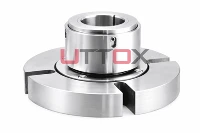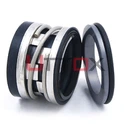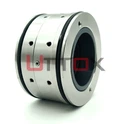


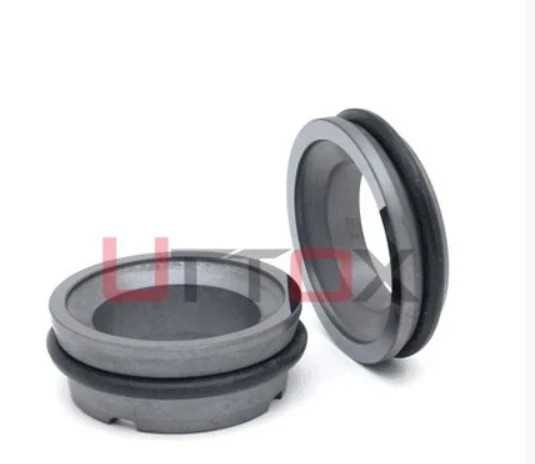
When your food processing line shuts down unexpectedly due to seal failure, every minute counts. An APV mechanical seal acts as the critical barrier between your process fluid and the environment, utilizing precision-engineered seal faces that create a fluid-tight seal through dynamic contact. This sealing mechanism combines rotating and stationary seal rings-commonly manufactured from Silicon Carbide or Tungsten Carbide-with elastomeric secondary seals like EPDM or VITON that accommodate shaft movement while maintaining integrity. The result is a reliable sealing solution that prevents costly product loss, contamination risks, and production downtime in demanding hygienic applications across dairy, beverage, and pharmaceutical processing.
Understanding APV Mechanical Seals and Their Leak Prevention Mechanism
We know that equipment managers in food and drink plants are under a lot of pressure to keep production going while also making sure that the products are safe. A high-tech option made especially for clean working settings is the APV mechanical seal made for APV pumps.
Core Design Architecture of APV Pump Seals
The basic structure of an APV mechanical seal is made up of several parts that are all connected and work together. Two seal faces, one that rotates with the shaft and one that stays still inside the seal case, stay in touch under spring pressure. The advanced materials used to make these seal faces are Resin Carbon, Antimony Carbon, SIC (Silicon Carbide), SSIC (Sintered Silicon Carbide), and Tungsten Carbide. Each one was chosen based on its specific needs in the application.
The secondary closing parts use elastomers like VITON for chemical protection, EPDM for food-grade compatibility, or NBR for general uses that don't cost much. This mix makes several barriers against leakage, covering both the main seal interface and possible leak paths around the seal housing.
How Seal Face Contact Prevents Fluid Escape
Keeping an extremely thin film of fluid between the seal sides (usually measured in microns) is key to stopping process fluid leaks. This film keeps things moving smoothly, and the spring-loaded system keeps the faces touching even as wear happens over time. Silicon Carbide seal rings have precisely lapped surfaces that are flat within light bands. This makes a seal interface that can withstand pressures up to 25 bar and still work without leaking.
The rotating face of the seal spins at the same speed as the shaft's RPM while the stationary face stays still. Because these seals are balanced, they need less force to close. This means they last longer and produce less heat, which is important in environments where production is ongoing and maintenance windows are short.
Material Selection Impact on Sealing Performance
In food processing, material choice affects seal quality and lifespan. Silicon Carbide is special since it's diamond-hard and wear-resistant. This material doesn't corrode and maintains its size at various temperatures. This material can withstand boiling sulphuric acid and caustic solutions. It is ideal for Clean-In-Place (CIP) methods that expose seals to harsh chemicals.
Since Tungsten Carbide works better in rough materials with solids, it might be difficult to make beverages with fruit pulp or dairy items containing protein particles. Whatever rubber you pick, EPDM is FDA-compliant and steam-resistant for clean usage, whereas VITON handles medicinal compounds better. Procurement managers may prevent difficulties and contamination by choosing seals that perform well with their process by understanding how these materials interact.
Common Causes of Process Fluid Leaks and How APV Seals Address Them
Breakdowns of equipment almost never happen without notice, but many repair teams have trouble finding the root causes before expensive breakdowns happen. We've seen the same patterns in seal failures across food and beverage operations. Figuring out these patterns helps us understand why seals that are properly built work so well.
Mechanical Wear and Abrasion Challenges
If the process fluids have rough bits in them or if there isn't enough grease, the seal face wears out faster. When preparing cheese, protein buildup can make conditions rough, and when making drinks with suspended solids, the same problems can happen. In these conditions, standard seal materials break down quickly, which causes more leaks and eventually failure.
This problem is solved by APV hygienic mechanical seals, which pair materials in a smart way. When Tungsten Carbide rotating faces hit Silicon Carbide stationary seats, the extreme hardness of both materials stops wear, even in media that are full of particles. The self-adjusting spring system keeps the best face contact even as tiny wear happens, making up for it naturally without needing to be adjusted by hand. This design makes the average time between failures a lot longer than with regular seals.
Thermal and Chemical Degradation Prevention
When the temperature changes during CIP rounds and SIP cleaning, it's called thermal shock, and it makes weak seals break or lose their elasticity. We have records of failures where changes in temperature from 5°C during the process to 140°C during steam sterilization cycles destroyed seals within weeks.
Due to its unique qualities, Silicon Carbide is very resistant to heat shock and keeps its shape at temperatures ranging from -30°C to +200°C. SiC's good thermal conductivity gets rid of frictional heat quickly, so there aren't any hot spots that break down elastomers. EPDM and VITON elastomers were chosen for these uses because they keep their flexibility and binding force across the whole temperature range. This means that they won't leak even when the temperature changes.
Sodium hydroxide, nitric acid, and hydrogen peroxide, which are used in cleaning procedures, break down many seal materials. Sintered Silicon Carbide (SSIC) is secure against these agents, even at high amounts and temperatures. It keeps its corrosion protection where other materials break down in months.
Installation and Alignment Issues
Misalignment is still one of the main reasons why seals fail before they should, but it can be avoided completely by following the right steps. Uneven wear patterns appear quickly when pump shafts aren't straight or when seal faces aren't installed so that they are perpendicular to the rotation of the shaft. We've seen seal life drop by 70% or more in setups that aren't lined up right.
This problem is solved by the cartridge seal design, which can be used on many APV pumps. All of the seal parts are put together and set up before they leave the factory. This arrangement makes sure that the secondary seals are properly compressed and that the spring tension is correct, which gets rid of the most common installation mistakes. During planned breaks, maintenance teams can quickly change whole cartridge units. This cuts the time it takes to install from hours to minutes and ensures the right geometry.
Comparison of APV Mechanical Seals with Other Market Leaders for Leak Prevention
When procurement professionals look at sealing options, they need to be able to compare their performance objectively in order to make investment choices. We looked at seal performance data from a number of different brands to make it clear where each technology does best.
Design Philosophy and Leak Control Effectiveness
Leading makers like John Crane, Burgmann, and EagleBurgmann all use different design theories that affect how well they stop leaks. John Crane stresses the importance of balanced seal designs that keep face loads to a minimum. This lowers the rate of wear in clean fluid applications. EagleBurgmann specializes in dual seal systems for dangerous fluids, while Burgmann focuses on cartridge configurations that make installation easier.
The APV pump mechanical seal method puts an emphasis on the clean design principles needed for processing food and drinks. The shape of seal housings doesn't have any cracks, so germs can't hide in them. They meet EHEDG and 3-A Sanitary Standards, which other industrial seals don't. Surface finishes get Ra values below 0.8μm, which stops biofilm from forming, which is bad for both product safety and seal performance.
Material Technology and Durability Factors
Comparative testing shows that material methods cause big changes in performance. Silicon Carbide seal faces are made by most companies, but the type and method used to make them are very different. Reaction-bonded SiC is cheaper than sintered types, but it doesn't prevent rust as well. SSIC made by sintering methods has better density and chemical resistance, which makes up for its higher starting cost by giving it a longer useful life.
A pharmaceutical company that we work with compared the shelf life of three different suppliers in their mixer applications. Industrial seals usually lasted between 8 and 12 months before they started to leak and needed to be replaced. Premium seals from well-known names made this last 14 to 18 months longer. Hygienic seals with SSIC faces and EPDM secondary seals worked for 24 to 30 months in the same application, lowering annual seal costs by 40% even tho the unit prices were higher.
Single Versus Double Seal Configurations
One mechanical seal may stop non-hazardous industrial fluid leaks affordably. The seal faces touch the process fluid; hence, breaking them causes leaks. The system works well for most food processing applications when product loss is evident and confinement isn't required.
With a barrier fluid between two sets of seals, double seal configurations are possible. This design keeps the process fluid out if the inner seal breaks. For volatile solvents, toxic substances, or areas where even little leaks are unlawful, this is crucial. The procedure is more complicated and costly than single seals, but it's the only legal way to make pharmaceuticals.
Know your application's configuration to prevent over-specification, which loses money, and under-specification, which compromises compliance. Customers should consider the fluid's features, government laws, and cost of ownership, not just the initial purchase price.
Best Practices for Installation, Maintenance, and Troubleshooting of APV Mechanical Seals
If you don't install and maintain your seals correctly, even the best ones will fail early. Our decades of experience working with food and drink processors helped us come up with these guidelines.
Step-by-Step Installation Protocol
The appropriate technique to install anything begins before touching the seal. Cracks, rough areas, or corrosion on the pump shaft might damage the seal face or other sealing elements. At the seal location, shaft runout cannot exceed 0.05 mm TIR. Too much runout causes irregular wear patterns that shorten seal life.
Clean all seal chamber surfaces of old gasket material, product residue, and corrosion. A little dirt might make the seal face less flat or prevent the gasket from fitting. Make sure that the seal chamber faces are parallel to the shaft centerline and that the bore diameter satisfies the specifications.
Never contact lapping seal faces with bare hands while working with seal pieces. Skin oils impede seal break-in. Use O-rings that fit correctly in their holes to avoid twisting or pinching while installing the permanent seal elements in the housing. Use clean water or a process-compatible fluid to lubricate elastomers instead of petroleum-based products that swell.
Preventive Maintenance Strategies
Regular inspections catch issues before they become significant. We recommend checking seal faces for rips once a month while in use. While little quantities of moisture that evaporate rapidly are OK, dripping water indicates concerns.
Check seal chamber temperature using infrared thermometers. Poor lubrication or face loading causes temperatures of 20°C above the process fluid. Noise or vibrations from the seal region may indicate cavitation, misalignment, or bearing issues that accelerate seal degradation.
Instead of waiting for problems, replace the seals during maintenance. Wear and tear, temperature variations, and chemical exposure reduce the lifespan of even the finest seals. Tracking installation times and working hours helps you determine replacement needs, preventing unwanted downtime.
Troubleshooting Common Leak Scenarios
When there's a leak, systematic diagnostics determine whether the seal failed or whether anything else caused it. Look for worn pump bearings. The seal will fail if worn bearings misalign the shaft. Check whether process circumstances have altered beyond seal planning. Temperature, pressure, and chemical composition may impact seal performance.
Examine the removed seals. It indicates seal faces wear uniformly. Grooved or chipped faces indicate abrasive media or a dry seal. Tiny cracks on the face indicate heat damage from not enough greasing or high speeds. Swelling, cracking, and hardness in elastomers indicate chemical imbalance or overheating.
Instead of replacing the seal if it doesn't last, check the system. We've repaired "chronic seal failure" by repairing cavitation, vapour-locking pipes, or CIP procedures that overheated seals. System functionality depends on understanding the whole operating environment.
Procurement Insights: How to Source and Partner with APV Mechanical Seal Suppliers
Decisions about where to get something affect not only the initial costs, but also the total cost of ownership and how reliable it will be in the long run. We've helped buying managers make these kinds of choices so that they get the best results and value for their money.
Evaluating Supplier Capabilities and Authenticity
The mechanical seal industry includes OEMs, certified distributors, and suitable aftermarket suppliers. Consider the benefits and drawbacks of each channel. OEM parts are more expensive than aftermarket ones because they guarantee precise specifications and high-quality materials. Authorised dealers provide genuine items with quicker shipment and local support. Aftermarket manufacturers may save you money, but quality and compatibility must be checked.
Check aftermarket APV pump seal suppliers' quality and ability to create seals. Request material certificates that prove the elastomer fulfills FDA 21 CFR 177.2600 for food use. Request dimensional inspection reports showing flat seal faces within three light bands, as required. Companies that won't provide these documents lack the quality criteria for good performance.
Manufacturing expertise is crucial. Our mechanical seal design and manufacturing expertise spans over 30 years, since 1990. We can identify subtle design changes between working seals and parts that appear the same but fail too quickly using this information. Our experts provide free engineering support to help you pick the proper seals for your pump type and purpose.
Total Cost of Ownership Analysis
Seal price is simply a minor fraction of the total cost. A seal that costs 40% less but lasts half as long costs more and has to be changed more frequently. Find the cost per working hour instead of simply pricing.
Consider the expense of employing new staff, unforeseen breaks, and seal contamination while doing your study. Our dairy processor claimed each unexpected seal failure cost them $12,000 in lost productivity, more than the $800 seal cost. Three defective seals per year were reduced to one, saving $24,000, which may sustain a 50% higher seal unit cost.
Building Reliable Supply Partnerships
Having seals on hand eliminates the need to halt manufacturing for parts. Providers with a lot of stock may supply essential parts quickly, whereas make-to-order providers may take weeks. We have several common seal variants to assist you quickly and save downtime.
When standard settings don't work, customisation is key. Our engineers can modify seals for odd shaft diameters, materials, or operating conditions. Thus, compromises that reduce seal effectiveness or necessitate costly pump replacements are avoided.
Long-term partnerships with timely suppliers bring value beyond transactions. Technical assistance helps diagnose issues, improve repair processes, and choose replacement equipment seals. We see customer connections as partnerships. Our expertise helps your company function smoothly.
Conclusion
APV mechanical seals designed for your application prevent process fluid leaks. Seals endure years or months depending on how effectively the seal faces are formed, what materials are utilised, and how clean the design is. Silicon and Tungsten Carbide seal rings with FDA-approved EPDM or VITON elastomers provide food and drink processors with resilience in CIP and SIP settings. Proper installation, maintenance, and supplier relationships maximise seal performance and save TCO. Understanding these characteristics helps procurement professionals make operationally reliable selections.
FAQ
1. What materials should I specify for dairy processing applications?
For dairy applications that are safe for food, you need EPDM elastomers that meet FDA standards and Silicon Carbide seal faces. EPDM is very resistant to steam for SIP cleaning cycles and stays flexible across the wide range of temperatures that are common in milk preparation. Silicon Carbide doesn't break down in acidic or caustic CIP solutions because it is chemically resistant. This mix of materials makes sure that both food safety rules are followed and that the seal lasts longer in clean environments that require it.
2. How do I determine when seal replacement is necessary?
If you see obvious dripping from the seal faces, a big rise in temperature at the seal chamber, or a drop in pump performance that points to internal recycling, it's time to replace the seals. A little dampness that disappears quickly might be okay, but constant dripping is a sign of seal wear that goes beyond what is accepted. Monitoring the number of hours the machine is used can help you figure out when to change the seals. Most well-designed seals last 18 to 24 months of steady use in the right situations.
3. Can aftermarket seals match OEM performance?
When high-quality aftermarket makers use the same materials and do precise manufacturing, they can match or beat OEM performance. Checking certifications for materials, accuracy of measurements, and quality controls during production are very important. Ask for proof that the materials are being followed and review the data. Reliable aftermarket providers make these specs public, showing that they are dedicated to quality standards that guarantee reliable performance in your most important uses.
Partner with Uttox for Reliable APV Mechanical Seal Solutions
Uttox is an experienced company that makes APV mechanical seals. They offer precision-engineered sealing solutions that are backed by 30 years of experience in the field. Our wide range of products includes seal rings made from Resin Carbon, Antimony Carbon, SIC, SSIC, and Tungsten Carbide, along with VITON, EPDM, and NBR elastomers that are specially designed to meet the needs of your application. Our large collection means that we can deliver quickly, which keeps your production running as smoothly as possible. Plus, our expert team is here to help you choose the right seals and fix any problems that come up.
We've been in business since 1990 and have formed relationships with suppliers in 50 different countries that value dependable performance and low prices. As part of our quality assurance programs, every seal is put through strict in-house tests and third-party certifications to make sure it meets the highest standards. Our engineering skills allow us to give you exactly what your equipment needs, whether you need standard setups or special solutions for unique needs.
Contact Uttox right away to get full technical catalogs, competitive quotes on APV pump seals for sale, and one-on-one discussions that help you find the best sealing options for your needs. You can email us at info@uttox.com or call us on WhatsApp at +86-13656834410. We can help you keep your operations running smoothly by giving you mechanical seals that are made to last in harsh food, beverage, and pharmaceutical processing environments.
References
1. Summers-Smith, J.D. (2005). Mechanical Seal Practice for Improved Performance. Professional Engineering Publishing, London.
2. Flitney, R.K. (2007). Seals and Sealing Handbook, Fifth Edition. Elsevier Science & Technology, Oxford.
3. Müller, H.K. & Nau, B.S. (1998). Fluid Sealing Technology: Principles and Applications. Marcel Dekker Inc., New York.
4. European Hygienic Engineering and Design Group (2018). EHEDG Guidelines on Hygienic Equipment Design Criteria. EHEDG Secretariat, Frankfurt.
5. Lebeck, A.O. (1991). Principles and Design of Mechanical Face Seals. John Wiley & Sons, New Jersey.
6. Standards Committee of the Fluid Sealing Association (2016). Technical Handbook for Fluid Sealing, Sixth Edition. Fluid Sealing Association, Wayne, Pennsylvania.