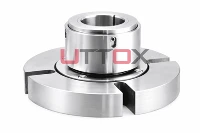


When considering cartridge mechanical seal solutions for industrial pumps, the john crane 1648 cartridge seal stands as a reliable benchmark. However, procurement managers often seek cost-effective alternatives that maintain performance while improving budget flexibility. The UTTOX 1648 mechanical seal emerges as a proven equivalent, offering interchangeable fitment, comparable material quality, and stable sealing performance. This pre-assembled cartridge design delivers installation simplicity and operational consistency across chemical processing, petrochemical refining, and general industrial environments without compromising reliability or safety standards that procurement professionals demand.

Understanding John Crane 1648 Cartridge Seal and Its Industry Role
The engineering behind this sealing method solves important problems that repair teams face every day. Built to meet API 682 standards, this single cartridge seal has a spinning metal bellows design that gets rid of the need for dynamic O-rings on the shaft. This removes problems caused by fluids crystallising or coking, which are common in refinery settings.
Technical Specifications and Material Selection
It can work in temperatures ranging from -75°C to 425°C, so it can handle thermal cycling in hot oil pumps and cryogenic services. Pressure rates go up to 31 bar g, which is good for high-pressure transfer pumps in petroleum plants. The main part has bellows made of Inconel 718 metal, which is very resistant to corrosion in harsh acids, caustic solutions, and hydrocarbon mixes. Seal face materials are usually made of Silicon Carbide or Carbon-Graphite mixes, which are picked based on how well they work with fluids and how rough they are. The balanced design keeps heat from building up on the contact surfaces, which increases the service life in situations where it is used all the time.
Mechanical Design Principles
The metal bellows work as both a spring device and a main seal at the same time, naturally adjusting for the movement of the axial shaft during thermal expansion. This design gets rid of the mechanical seizure risks that come with pusher-style seals in places where elastomeric parts break down quickly. The fixed gland has standard connections for API flush plans, which means that Plan 11 recirculation, Plan 21 containment barrier, or Plan 32 injection systems can be used, based on the type of fluid danger.
Installation and Operational Considerations
As a capsule unit that has already been put together, the seal comes ready to be dropped in. This cuts down on assembly mistakes that lead to failure too soon. Precision in the measurements makes sure that they work with ANSI pump sizes, and shields built in protect the shafts from damage caused by wear and fretting. Checking the compression settings, making sure the line connections are straight, and making sure the alignment is correct before starting up is all part of proper installation proof. Performance tracking looks for changes in vibrations, temperature rises on the face, or small leaking patterns that show problems are starting to happen before they become catastrophic.
Comparison of John Crane 1648 with Other Cartridge Seals: Finding the Right Fit
To choose the right sealing technology, you have to look at a number of performance factors and how they work in different situations. Different types of cartridge seals have different features that meet different operating needs.
Benchmarking Against Similar Models
The Type 1590 model has a pusher-style design and a lower initial cost, but it needs dynamic O-rings that make it less compatible with chemicals. The 1668 variant has two seals and a barrier fluid containment system that works for dangerous volatile organic compounds that need to comply with Category 1 API 682. The john crane 1648 mechanical seal requires high-nickel alloys that are required for corrosive chemical exposure, while standard 1590 units may use 316 stainless steel springs that are adequate for mild process fluids. Different types of seals can also handle different speeds. For example, normal pusher seals can only handle a peripheral velocity of 15 m/s, but high-speed centrifugal pumps with metal bellows designs can handle up to 25 m/s.
Competitive Alternative Analysis
The M74 model from EagleBurgmann has similar metal bellows technology and the same temperature and pressure values. The 5615 cartridge seal from Flowserve has a pusher configuration and is less expensive, but it doesn't resist chemicals as well. Chemical processing companies have told us that metal bellows designs have a longer average time between failures in services that involve thermal shock and changes in fluid makeup. Cost research shows that even though bellows seals are 20–30% more expensive to buy at first, they are cheaper to own in the long run because they don't need to be serviced as often and can be used for longer amounts of time before they need to be overhauled.
Application-Specific Selection Criteria
When a chemical pump is used to move acids, solvents, or slurries, metal bellows designs that get rid of elastomeric degradation points work best. For hydrocarbon processing with light ends, there must be no emissions. Bellows seals provide this by allowing constant face contact without the need for extra dynamic seals. Power plant boiler feed pumps that work at high temperatures need thermal expansion compensation that comes with bellows flexibility. When procurement managers know about these application-specific benefits, they can choose the right seal technology for the job instead of sticking with tried-and-true choices.
Cost-Effective John Crane 1648 Seal Equivalents: What to Consider
In order to find good alternatives, you need to do more than just compare prices. Quality equivalents must work as well as the original tools and save money on buying costs.
Material Integrity and Certification Standards
For bellows systems, equivalent seals should use the same or better grades of material. For seal faces, they should be made of Inconel 718 or Hastelloy C-276, and for static gaskets, they should be made of fluorocarbon or PTFE. Certification paperwork that shows the makeup of a material through positive material identification testing proves its identity and stops galvanic rust failures. API 682 compliance certification shows that the design guidelines, testing procedures, and quality control methods are up to par with what the industry expects. The manufacturing ISO 9001 certification means that quality management is done in a planned way, and the environmental ISO 14001 certification means that production practices are responsible and valued by corporate sustainability programs.
Compatibility Verification Methods
Dimensional interchangeability means that the outer diameter of the sleeve, the circle measurements of the gland bolts, and the axial length must all be exactly the same so that the repair can be made without having to change the pump. To keep the right amounts of closing force and heat production, seal face load balancing ratios must match the original specs. To use installed backup systems, flush ports should be placed and sized to match existing pipe connections. The axial tracking ability and face pressure distribution are affected by the spring rate or the stiffness of the bellows. The mechanical properties of copies must be the same. Verification includes comparing manufacturer's measurement models and asking for sample units to be fitted before making large purchases.
Trusted Supplier Selection
Authorised dealers offer warranty support and expert tools that aftermarket sellers might not have. Specialised seal manufacturers, like Uttox, which has been around for 30 years, offer engineering knowledge and the ability to make changes that aren't always possible through distribution channels. When judging a supplier, you should look at their quality control methods, such as gas leak testing, face flatness measurement, and hydraulic pressure testing, which make sure that the parts are intact. Post-sale support, such as technical advice, field service help, and quick access to replacement parts, is very important when something unexpected goes wrong and needs to be fixed right away.
Procurement Guide for John Crane 1648 and Its Equivalents
Strategic procurement strikes a balance between short-term cost goals, long-term supply reliability, and the total cost of ownership. Buying tactics that work well maximise value across multiple working cycles.
Pricing Expectations and Volume Benefits
Original equipment prices for API 682 compliant cartridge seals are usually between $1,200 and $3,500, but this depends on the size and type of the seal. While keeping similar material quality and performance standards, the john crane 1648 seal equivalent from manufacturers like Uttox offers a 25–40% cost savings. You can save even more when you buy in bulk. Orders of ten or more units often qualify for discounts of ten to fifteen percent. Also, annual supply agreements keep prices stable and give priority to buyers when supplies are low. When you do a total cost analysis, you should include the time and money saved on installation by using pre-assembled cartridges, the cost of keeping inventory low by using vendor-managed stocking programs, and the cost of not having to pay for downtime because of better reliability.
Lead Time and Availability Factors
Standard-sized seals made of popular combinations of materials usually ship within 2 to 5 business days from wholesalers who keep stock. Custom specifications that need special materials or changes to the size of the product can make wait times 4 to 8 weeks longer, based on how much the factory can make. Supply chain problems that affect the supply of nickel alloy or the capacity for precision machining can suddenly cause orders to be late. Keeping a safety stock of key seal sizes lowers the risk of production interruptions. Manufacturers with established inventory programs, like Uttox, can respond faster than build-to-order suppliers. This is especially helpful when you need to replace equipment quickly and the costs of downtime are higher than the costs of faster shipping.
Negotiation Strategies and Warranty Considerations
When approaching suppliers with clear specs, competitive quotes, and a promise to continue volume, procurement power goes up. When you show that you know about an application through technical talks, providers are more likely to offer engineering support and custom solutions instead of taking enquiries like they are a stock transaction. Most warranties cover flaws in the materials and the work for 12 to 18 months after installation or 24 months after shipment, whichever comes first. Premium providers are different from price-focused rivals because they offer longer warranties, help with field failure analysis, and programs to help with retrofitting. When you choose partners who see seal supply as relationship-building rather than transactional selling, you create long-term value through responsive service and working together to make things better all the time.
Practical Maintenance and Troubleshooting for John Crane 1648 and Equivalent Seals
To get the most out of seal performance and service life, you need to be careful about maintenance and follow strict tracking routines. Knowing the most common ways that things go wrong lets you fix problems quickly, before they get worse and cause expensive damage to the tools.
Common Failure Modes and Root Causes
Face wear shows up as a slow rise in leaks and is usually caused by not enough lubrication, abrasive particle pollution, or too much face loading from wrong balance ratios in john crane 1648 mechanical seal. Over-vibration, misaligned shaft deflection, or corrosion-assisted stress cracking in chemically aggressive environments can all cause bellows fatigue cracking. If there is secondary seal leaking at gland interfaces, it means that the torque used for fitting was too low, the temperature was changing too quickly, or the gasket material isn't compatible with the process fluids. Shaft fretting happens when the sleeve fit gets loose because of differences in thermal expansion or because the installation process wasn't done correctly.
Preventative Maintenance Best Practices
On a regular basis, inspections should check the temperature of the seal chamber, the amount of vibration in the bearing housing, and any leaks that can be seen at the gland contacts. Checking the flush system makes sure there are enough flow rates and good filtering. If strainers get jammed or heat exchangers stop working, it affects the lubrication and temperature control of the seal face. Checks for alignment find growing misalignment between the pump and the driver before too much shaft deflection hurts the bellows or leads to face tracking issues. Monitoring the state of bearings stops increases in shaft runout that speed up the wear on the seal face. By writing down the operating parameters, performance baselines are set, which lets trend analysis find conditions that are getting worse early on.
Installation Procedures and Optimization
To place sleeves correctly on pump shafts, they need to be cleaned well, lightly oiled, and tightened in the right order to avoid cocking or not having enough grip. To make sure even compression and to stop gasket extrusion or leakage paths, gland bolt torque must follow certain patterns and values. Piping stress from flat line connections should be kept to a minimum by using the right support and bendable connections. Loading from the outside causes seal glands to become misaligned and fail before they should. As part of the pre-startup steps, the hand rotation must be confirmed, the flush system pressure must be tested, and the equipment must be turned on gradually according to the manufacturer's instructions. When you switch from component seals to cartridge designs like the UTTOX 1648, you get rid of a lot of installation factors and measurement needs. This makes it easier to put the seals together without making mistakes that hurt their performance.
Conclusion
When looking for cheaper alternatives to well-known closing solutions, you need to carefully consider technical specs, material quality, and the supplier's abilities. The john crane 1648 cartridge seal sets performance standards that other products must meet by using the right materials, making sure they are well-made, and making sure the design is correct. It's helpful for procurement experts to know what the unique needs of an application are, to compare options in a structured way, and to work with experienced manufacturers that offer technical support and reliable supply chains. No matter what brand you choose, preventative care and the right way to put a seal will make it last longer. When it comes to industrial pumps, the best results come from strategic sourcing methods that balance initial cost with total ownership value.
FAQ
1.How do aftermarket equivalents compare in material quality to original seals?
Reliable companies like Uttox use the same grades of materials, such as Inconel 718 bellows, silicon carbide faces, and fluorocarbon gaskets. This is proven by positive material identification testing and material certifications. Quality counterparts meet or go beyond the requirements set by API 682 to make sure that their mechanical and corrosion protection are similar.
2.What verification steps ensure proper fitment compatibility?
Cross-reference dimensional plans to make sure that the sleeve width, gland bolt patterns, and axial lengths are all the same as they are in other pumps. Before placing large orders, ask for sample units to be fitted first, and make sure that the seal face balance ratios match the original specs to keep the right working conditions and avoid performance problems.
3.What warranty and after-sales support should buyers expect?
Standard warranties protect against defects in materials and workmanship for 12 to 18 months after installation. Premium providers offer expert advice, support for field service, and help with failure analysis. Uttox provides quick technical support and keeps spare parts in stock so that they can be quickly replaced. This keeps downtime to a minimum when unexpected seal failures happen in important applications.
Partner with Uttox for Reliable John Crane 1648 Cartridge Seal Solutions
According to Uttox, a reliable company that has been making john crane 1648 cartridge seals for over 30 years, they offer tried-and-true alternatives. For a low price, our UTTOX 1648 mechanical seal works well thanks to its pre-assembled cartridge design, easy installation, and material specs that meet or go beyond the standards of the original equipment. Our engineering team will gladly give you free technical advice on how to choose the best seals for your specific operating conditions. Also, we keep a large inventory of seals in stock so that you can get them quickly and keep your operations running smoothly. You can email our procurement experts at info@uttox.com to talk about custom sealing solutions, get full technical specs, or set up an evaluation of a sample for your pump uses in petrochemical, chemical processing, and industrial settings.
References
1. American Petroleum Institute. (2014). API Standard 682: Pumps-Shaft Sealing Systems for Centrifugal and Rotary Pumps. Fourth Edition. Washington, DC: API Publishing Services.
2. Budris, A. R., & Mayleben, P. A. (2018). Pump User's Handbook: Life Extension. Third Edition. Lilburn, GA: The Fairmont Press.
3. Flitney, R. K. (2014). Seals and Sealing Handbook. Sixth Edition. Oxford: Elsevier Advanced Technology.
4. Hydraulic Institute & Europump. (2012). Pump Life Cycle Costs: A Guide to LCC Analysis for Pumping Systems. Parsippany, NJ: Hydraulic Institute.
5. Neale, M. J., & Associates. (2001). The Tribology Handbook. Second Edition. Oxford: Butterworth-Heinemann.
6. United States Environmental Protection Agency. (2016). Leak Detection and Repair: A Best Practices Guide. EPA-453/B-95-008. Research Triangle Park, NC: EPA Office of Air Quality Planning and Standards.