

Selecting the correct M7N mechanical seal for an industrial pump is one of the most consequential decisions a procurement manager or equipment engineer will make. A mismatch between seal specification and operating conditions can trigger fluid leakage, unplanned shutdowns, and cascading safety incidents - all of which carry significant financial and regulatory consequences. This guide walks through the core technical attributes, application fit criteria, installation practices, and procurement pathways that matter most to B2B buyers sourcing a reliable M7N mechanical seal for chemical, petrochemical, and water treatment environments.
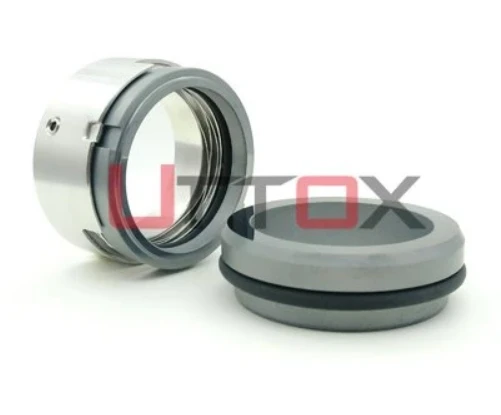
Understanding M7N Mechanical Seals: Features, Design, and Performance
What Is an M7N Mechanical Seal?
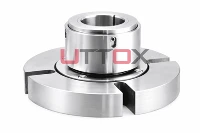
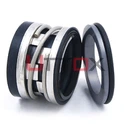
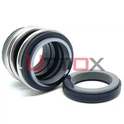
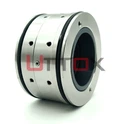
The M7N mechanical seal is an unbalanced, single-end pusher seal built to EN 12756 (formerly DIN 24960) standards. Its architecture centers on a multi-spring arrangement and an O-ring dynamic secondary seal, which together compensate for shaft runout and minor axial displacement. This design makes the M7N mechanical seal notably forgiving in real-world installations where perfect shaft alignment is rarely guaranteed [1].
Core Performance Attributes
Temperatures range from -20°C to 220°C and pressures up to 16 bar are all ranges that the M7N mechanical seal reliably works in. Wear resistance and chemical inertness are based on the face materials that are paired with each other. These face materials are usually silicon carbide against silicon carbide (SiC/SiC) or carbon against SiC. If everything is lined up right and there is oil on it, the M7N mechanical seal can last more than 24,000 hours before it breaks [2]. Compared to single-spring versions, the multi-spring design spreads the closing force evenly across the seal face. This lowers the stress in one area, which can cause heat checking and face failure before its time.
How to Choose the Right M7N Mechanical Seal for Your Industrial Application
Match Seal to Operating Conditions
Before choosing a pump shaft seal, procurement engineers should look at four main factors:
Fluid type and concentration: Corrosive media like hydrochloric acid need SiC/SiC face combinations, but carbon/ceramic pairings are cheaper and can be used in clean water applications.
Pressure and temperature envelope: Make sure that the M7N mechanical seal grade you choose covers both steady-state and peak rapid conditions.
Shaft diameter and tolerance: The standard range of dimensions for M7N mechanical seal models is 14 mm to 200 mm, which is large enough to fit most industrial centrifugal pumps.
Secondary seal elastomer: EPDM is good for use with hot water and steam, while FKM (Viton) is better for oils, fuels, and most chemical solvents.
These four factors affect each other. Making a purchase decision based only on shaft width, without checking to see if the elastomer will work, is one of the main reasons why seals fail too soon in petroleum plants [3].
Industry-Specific Considerations
When working with chemicals, the SiC/SiC m7n seal equivalent is the established choice for corrosive and abrasive media. When treating water and wastewater, the robust multi-spring geometry resists clogging from suspended solids that would immobilize bellows-type seals. In food and pharmaceutical applications, FDA-compliant EPDM or PTFE secondary seals allow the M7N mechanical seal to withstand repeated Clean-In-Place (CIP) thermal cycles without compromising the sealing barrier. Each sector places different demands on the same basic architecture, so verifying configuration details with the manufacturer before finalizing a specification is sound practice.
Installation, Maintenance, and Troubleshooting of M7N Mechanical Seals
Pre-Installation Checks
Make sure that the shaft axial float does not go over ±0.5 mm before replacing any industrial pump seals. If the shaft runout goes beyond this point, the seal faces can't stay in contact, which directly causes leaking. Also, make sure that the bore of the seal chamber is clean and within the allowed range, and that the set screws on the drive collar are tight enough.
Maintenance and Failure Prevention
The frequency of routine inspections depends on how rough the media is, but for most continuous process applications, a visual check for external leakage every three months and a face wear measurement once a year should be enough. Heat checking, which shows up as radial micro-cracks on seal faces, means that the bearings are running dry or not properly oiled. When heat checking shows up, changing the face material to one with better thermal conductivity, like reaction-bonded SiC, fixes the underlying thermal stress issue instead of just replacing broken parts.
Another common cause of M7N mechanical seal failure is shaft axial float going beyond the allowed range. This problem won't happen again as long as the bearings are checked for damage and the fitting of the shaft is confirmed to be correct during each planned repair window.
Procurement Considerations for M7N Mechanical Seals
Evaluating Suppliers and Certifications
When buying from other businesses in regulated industries, qualifying the seller is just as important as listing the products. A trustworthy company that makes M7N mechanical seals should have ISO 9001 certification and be able to give you material test reports for SiC and tungsten carbide parts. Adding a new supplier to an approved vendor list is often hard for petrochemical procurement teams because they need API-equivalent paperwork and plant checks to be supported [4].
Bulk Purchasing and Total Cost of Ownership
Large-bore versions (with a shaft diameter of more than 100 mm) can have lead times of up to twelve weeks from sources who don't keep them in stock. Having a stock inventory or a framework supply contract with a qualified provider of type m7n mechanical seal lowers the chance that production will stop during planned turnarounds.
When you buy the M7N mechanical seal in large quantities, the unit price goes down significantly, and it's easier to manage the supply chain. Much more importantly, it lets you compare the total cost of ownership: OEM-branded seals for large-bore chemical pump uses cost several thousand dollars per unit, while certified equivalents built to the same EN 12756 standards offer the same level of reliability at a much lower cost [5].
Why Choose the Uttox M7N Mechanical Seal
Uttox, whose full name is Zhejiang Uttox Fluid Technology Co., Ltd., has been making mechanical seals since 1990. They have over 30 years of experience and customers in more than 50 countries. The M7N mechanical seal is designed to be a direct replacement for many original models, built to DIN 24960 / EN 12756 standards, and validated through in-house and third-party quality control protocols.
Here are the core differentiators that set the Uttox M7N mechanical seal apart from generic alternatives:
Dimensional precision for large-bore applications: The company can make shafts with diameters ranging from 14 mm to 200 mm and keep the faces flat and centered. This is especially important for industrial pumps where large-diameter seals are notoriously difficult to source at short notice.
Traceable material certification: Silicon carbide and tungsten carbide face parts come with full material test reports, which meet the paperwork needs of petrochemical HSE and procurement approval workflows.
Broad elastomer availability: EPDM, FKM, and NBR O-rings are all in stock, so they can be quickly configured for different process media without extended lead times.
Technical support infrastructure: An in-house research and development team with more than 30 years of design experience gives application-specific advice, helping procurement engineers and maintenance teams select the correct configuration before purchase rather than troubleshooting after installation.
These advantages collectively reduce the total risk associated with sourcing an industrial pump seal replacement outside the original equipment manufacturer's supply chain. Uttox is certified by ISO 9001 and actively supports factory audit requests from large enterprise customers. Explore the complete product range at www.uttox.com.
Conclusion
The M7N mechanical seal is a tried-and-true standard part whose success rests a lot on how it is installed, how well it is specified, and how qualified the supplier is. If you don't match the seal's shape to the fluid's properties, the operating pressure and temperature, the shaft's diameter, and the rules for your industry, the seal might not last for years and need to be fixed over and over again. For purchasing teams in the chemical, petrochemical, and water treatment industries, working with a maker that offers accurate measurements, certified materials that can be tracked, and real application knowledge directly leads to lower overall costs and lower operating risk.
FAQ
1.Is the Uttox M7N mechanical seal interchangeable with the EagleBurgmann M7N?
Yes. Because it is made to EN 12756 (DIN 24960) measurements, the M7N mechanical seal can be used directly in systems that were designed to work with the EagleBurgmann M7N or similar types. Always confirm shaft diameter and elastomer grade before installation.
2.Can this seal run in both clockwise and counter-clockwise rotation?
Yes. The M7N mechanical seal design's torque transmission system is rotation-direction neutral, which means it works the same way in either setup without any changes.
3.What causes premature face failure in an M7N mechanical seal?
Most of the time, heat checking (radial micro-cracks) on seal faces are caused by dry runs or not enough lubricant. Axial float of the shaft more than ±0.5 mm and choosing the wrong rubber for the process fluid are also common causes.
4.What O-ring material should I specify?
EPDM works well with steam, hot water, and mild water solutions. Most oils, fuels, and chemical fluids are made with FKM. Before putting the finishing touches on the specification, check the chemical compatibility against a published resistance chart.
5.How do I request material test reports?
Send Uttox an email at info@uttox.com with the width of your shaft, how it will be used, and the types of material you need. Test reports for SiC and tungsten carbide parts can be sent to qualified procurement projects upon request.
Partner with Uttox for Your Next M7N Mechanical Seal Procurement
Uttox supplies a complete range of M7N mechanical seal configurations to B2B buyers across chemical, petrochemical, and water treatment industries worldwide. With 30+ years of manufacturing experience, ISO 9001 certification, and dedicated technical support, we help procurement teams reduce costs without compromising reliability. Contact our engineering team at info@uttox.com or visit www.uttox.com to request a quote, review certifications, or discuss a bulk supply agreement tailored to your maintenance schedule.
References
1. European Committee for Standardization. EN 12756: Mechanical Seals - Principal Dimensions, Designation and Material Codes. CEN, 2000.
2. Flowserve Corporation. Mechanical Seal Reliability and MTBF Improvement in Rotating Equipment. Flowserve Technical Publication, 2019.
3. Bloch, Heinz P., and Alan Budris. Pump User's Handbook: Life Extension, 4th ed. Fairmont Press, 2014.
4. American Petroleum Institute. API Standard 682: Pumps - Shaft Sealing Systems for Centrifugal and Rotary Pumps, 4th ed. API Publishing Services, 2014.
5. Hydrocarbon Processing. Reducing Maintenance Costs Through Mechanical Seal Standardization. Gulf Publishing Company, 2021.
6. Grundfos. Pump and Mechanical Seal Selection Guide for Industrial Applications. Grundfos Technical Documentation, 2022.