

When looking for closing solutions for industrial pumps and spinning equipment, knowing what choices you have can mean the difference between running your business smoothly and having to pay a lot of money for downtime. One of the most common types of sealing technology used in industry is the type 1 mechanical seal, which strikes a good mix between performance, dependability, and cost. The single-spring form of this rubber bellows seal stops fluid from leaking in pumps, mixers, compressors, and other similar machines used in many industries. If you're in charge of buying parts for OEMs, maintaining plants, or selling industrial parts, you can make better decisions that protect equipment and lower the total cost of ownership by understanding how these seals work.
What Is a Type 1 Mechanical Seal?
Understanding the Basic Design
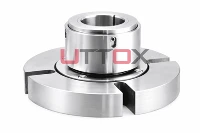
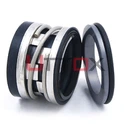
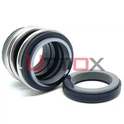
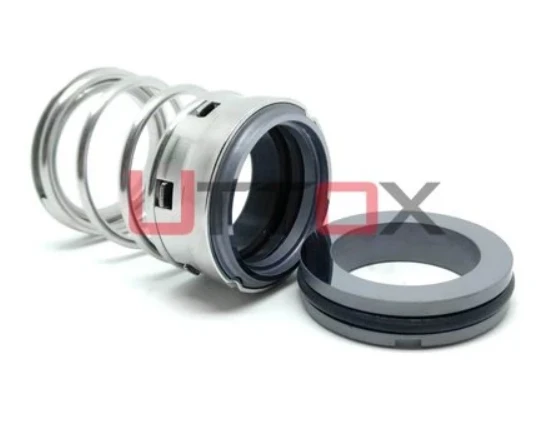
A type 1 mechanical seal is a rubber bellows seal with a single spring that is designed to reliably separate moving and still parts in pumps and other similar machines. The seal works with two main faces-one that turns with the shaft and one that stays still-that stay in touch under spring pressure to keep process fluid from leaking along the shaft. The elastomer bellows seals the gap and allows for axial movement, and the single coil spring makes sure that the face stays in touch even when the working conditions change.
Key Components and Materials
A spinning seal ring, which is usually made of carbon or silicon carbide, is usually paired with a fixed seat made of ceramic, tungsten carbide, or stainless steel. The chemical compatibility standards determine whether the rubber bellows are made of NBR, EPDM, or Viton. The bellows have two jobs: they seal against the shaft or sleeve and allow the shaft to move and expand when it gets hot or cold. Throughout the operation of the equipment, the single spring made of stainless steel or another alloy that doesn't rust keeps the required close force between the seal faces.
Working Principle
When the pump is running, the rotating section spins with the shaft, while the stationary parts stay in place on the pump housing. When the spring force and hydraulic pressure from the sealed fluid work together, they keep the seal faces in close touch. Between the sides, a thin film of fluid, usually only a few microns thick, forms. This film lubricates the parts and reduces leaks to almost zero levels. This self-lubricating action is very important for the seal's life because it cuts down on friction and heat buildup that would otherwise cause it to wear out quickly.
Common Applications Across Industries
Water treatment plants, chemical processing plants, oil and gas activities, power plants, and manufacturing facilities all use type 1 mechanical seals a lot. They work especially well for sealing fluids that are clean to slightly dirty in centrifugal pumps, gear pumps, and mixers that are working at normal pressures and temps. The design works well in normal industrial conditions, so it's the best choice for general-purpose uses where working conditions don't call for specialized high-performance seals.
Comparing Type 1 Mechanical Seals with Other Seal Types
Type 1 vs. Type 2 Seals
Even though both are rubber bellows designs, Type 2 seals have more than one spring around the outside instead of just one in the middle. This design with multiple springs spreads the load better and works better in situations where shaft runout or shaking is a problem. However, the type 1 mechanical seal is the easiest to use and the least expensive. This makes it the best choice for standard pumping uses that don't have to deal with difficult working circumstances. The single-spring design cuts down on the number of parts needed and makes it easier to keep track of supplies, which is especially helpful for wholesalers and MRO service providers who deal with a wide range of equipment.
Type 1 vs. Cartridge Seals
Cartridge seals are a self-contained, pre-assembled unit that makes fitting easier and lowers the chance of making a mistake. Unlike component seals like the type 1 mechanical seal, cartridge designs come fully built, with all of the parts in the right place and securely fastened. There is a high cost for this ease. Type 1 mechanical seals need to be installed with more care, but they save a lot of money, especially when replacing a lot of them at once. The component-style type 1 mechanical seal gives repair teams that know how to install seals the same level of performance at a much lower cost.
Performance Considerations
When looking at different types of seals, you should think about how you will be using them. Type 1 mechanical seals can usually handle temperatures from -20°C to 120°C and pressures up to 15 bar, based on the material used. They work well with shaft speeds of up to 15 m/s. If the application goes beyond these limits, it may need a different type of seal, but for most industry pumping tasks, these limits are more than enough. The rubber bellows construction is very flexible and can handle small shaft misalignment, which makes installation less sensitive than with stiffer seal designs.
Installation, Maintenance, and Troubleshooting of Type 1 Mechanical Seals
Step-by-Step Installation Guide
Clean the shaft, sleeve, and seal chamber thoroughly to remove dirt or rust that could damage seal faces of a type 1 seal equivalent. Check the shaft for sharp edges or scratches. Verify shaft measurements are within ±0.05mm tolerance for the type 1 seal equivalent. Apply suitable lubricant to the shaft and elastomer bellows interior. Carefully slide the rotating piece onto the shaft without twisting the bellows. Position the type 1 seal equivalent correctly and lock it. Ensure the fixed seat fits perfectly, then tighten screws in cross-pattern to manufacturer specs.
Preventive Maintenance Best Practices
Regular inspections greatly extend seal life. During maintenance shutdowns, check for leaks like crystallized residue or fluid buildup. Verify flush and cooling systems work at proper flow rates and temperatures. Check equipment vibration levels and bearing condition. Keep flow, pressure, and temperature within design limits. Do not run pumps against closed outlets or during cavitation. Clean suction strainers to prevent solids from entering the seal chamber and causing rapid wear.
Troubleshooting Common Failure Modes
Shaft leakage usually means damaged rubber bellows, improper fitting, or chemical incompatibility. Gland plate leakage indicates seal failure or insufficient force. Wear lines on seal faces suggest abrasive contamination or inadequate lubrication. Excessive axial shaft movement beyond ±0.5mm causes intermittent leakage. Replace worn bearings instead of just installing a new seal. Heat damage shows as hardened or blistered elastomers and darkened faces. Improve cooling systems or upgrade materials to prevent recurrence.
Procurement Guide for Type 1 Mechanical Seals
Selecting Reliable Suppliers
John Crane, EagleBurgmann, and Flowserve offer proven OEM quality with full support at higher prices. Quality alternatives from experienced companies provide similar performance at reasonable costs. Evaluate manufacturing capability, quality control, material sourcing, and technical support. Since 1990, Uttox has supplied type 1 mechanical seals as cost-effective alternatives to premium brands. Our engineering team ensures identical dimensions for drop-in replacement, saving money while eliminating fit concerns across multi-facility repair programs.
Material Selection for Your Application
Carbon/silicon carbide faces, ceramic/tungsten carbide seats, and NBR/EPDM/Viton elastomers each suit different fluids. Carbon/ceramic with NBR works well for water and light chemicals. Aggressive media require silicon carbide faces, tungsten carbide seats, and EPDM or Viton. Temperature needs also drive material choice: NBR handles -30°C to 100°C; Viton extends to 200°C for hot oil and steam. Provide full operating parameters including fluid composition, temperature range, pressure, shaft speed, and unusual conditions for proper material recommendations.
Quality Assurance and Testing
Reliable suppliers enforce strict quality control throughout production. Raw material checks ensure elastomers, seal faces, springs, and hardware meet specifications. In-process inspections catch dimensional errors early. Finished seal testing may include pressure testing, leak testing, and dimensional verification based on criticality. Request material certifications, inspection reports, and test records. ISO 9001 certification and third-party audits prove organized quality management. Uttox maintains consistent quality through 30 years of control procedures and offers pre-shipment testing.
Customization Capabilities
Standard catalog seals suit most applications for a single spring mechanical seal type 1, but unusual equipment or difficult conditions may need modifications. Customization for a single spring mechanical seal type 1 includes non-standard sizes for obsolete equipment, special material combinations for uncommon chemical exposures, or design changes for installation constraints. Suppliers with in-house engineering and manufacturing deliver custom solutions faster and cheaper. Uttox provides engineering support for unique single spring mechanical seal type 1 solutions, working directly with customers to design covers that maintain reliability while meeting specific application requirements.
Advantages and Long-Term Value of Type 1 Mechanical Seals
Operational Benefits
Type 1 mechanical seals leak less than packing glands, reducing environmental pollution and worker exposure to process fluids. Lower fluid loss affects material costs and waste disposal. The sealed environment prevents aggressive fluids and abrasive particles from contacting shaft surfaces, extending equipment life. While packing needs regular adjustment, correctly installed mechanical seals last years without attention. Reduced maintenance labor, cleanup, safety incidents, and environmental compliance work directly lower operating costs.
Cost-Effectiveness Analysis
The initial cost is only one part of the total cost of ownership. Most of the time, type 1 mechanical seals cost more than packing sets but less than cartridge seals or other more complex types of seals. However, the practical benefits-less leakage, longer service life, and less upkeep work-save enough money to quickly cover the initial investment. A full cost study should look at things like energy use, fluid loss, maintenance work, machine downtime, and meeting environmental standards.
Even if the energy savings are small per seal, they add up over sites with many pumps. For lubrication, packing needs shaft space, which causes friction that uses power-usually 1-2 kW per seal, based on the size and speed of the shaft. Because mechanical valves don't have much friction, this unnecessary power drain isn't there. When applied to buildings with hundreds of pieces of rotating equipment, the overall energy saves lead to measurable drops in running costs and carbon emissions.
Real-World Performance Data
Performance in real service settings backs up what the designers said they would do. Chemical processing plants say that the average time between fails for type 1 mechanical seal installations in fairly corrosive services is more than three years. This is a big improvement over the months-long life of packing. Similar things happen at water treatment plants; seals used in clean water service usually last five years before they need to be replaced.
Longer service lives mean less work for repair staff, less need for spare parts, and less downtime for machines. When type 1 mechanical seal products need upkeep, their component design makes it easy to fix them up at a low cost. Worn-out faces and elastomers can be replaced with new ones, while good springs and parts can be used again. Compared to cartridge covers, which need to be replaced completely, this feature lowers lifetime costs even more.
Conclusion
For general industrial use in pumps, mixers, and spinning equipment, type 1 mechanical seals have been shown to work well and are cost-effective. The single-spring rubber bellows design is simple but strong, and they work well, are easy to install, and last a long time at a reasonable price. Procurement and engineering teams can make equipment more reliable while keeping prices low by learning about their design principles, the right way to install and maintain it, and smart ways to get it. Whether you're an original equipment maker (OEM) looking for reliable parts, a maintenance team running a plant, or a dealer serving a wide range of customers, these seals are a good buy that come with decades of successful use in the field. To get the most out of their benefits, you need to choose the right application, buy quality products from makers with a lot of experience, install them correctly, and do regular upkeep that fixes problems before they become major problems.
FAQ
1. What distinguishes Type 1 from Type 2 mechanical seals?
The main change is how the springs are set up. Type 1 has a single coil spring that acts as a stopping force, while Type 2 has several springs that are spread out around the outside. The multiple springs in Type 2 make the load distribution more even and better handle shaft runout, which makes it better for situations where alignment or shaking are problems. However, the single-spring type 1 mechanical seal is the most cost-effective and easy to use. This makes it perfect for normal uses that don't require tough working conditions.
2. How frequently should Type 1 seals be inspected and replaced?
How often an inspection is done relies on how important and how bad the service is. Critical process pumps should be checked for leaks every month from the outside, and inside during maintenance shutdowns that usually happen every six months or a year. For uses that aren't as important, inspection times may be longer. When to change seals is based on the state, not the time. Seals should be replaced when they start to leak, when the pump is being overhauled, or when inspection shows that they are getting close to breaking. When used in the right way and kept in good shape, seals usually last between three and five years.
3. Can Type 1 seals be customized for specialized applications?
Of course. Standard stock sizes and materials work for most uses, but customization can be done to meet specific needs. Changes include non-standard sizes for private equipment, unique mixtures of materials for harsh chemical environments, better springs for unusual pressure or temperature situations, and changes to the design to fit the limitations of the installation process. Manufacturers with a lot of experience, like Uttox, offer technical help to create custom solutions that are reliable and meet the needs of a particular application. Our engineering team works directly with customers to understand their needs and quickly create unique type 1 mechanical seal designs.
Partner with Uttox for Reliable Type 1 Mechanical Seal Solutions
Uttox makes high-performance, low-cost single spring mechanical seal type 1 products that are meant to be straight competitors to high-end names like John Crane. We have been making type 1 mechanical seals since 1990 and have 30 years of engineering experience. We use this knowledge along with strict quality control to make seals that are exact copies of the original equipment measurements and have design improvements that make them more reliable and last longer. For a wide range of uses, our elastomer bellows seals are used on water pumps, chemical process equipment, and general industrial machinery. We keep a steady stock on hand to ensure fast shipping and offer helpful expert support.
We know how hard it is for buying managers and repair teams to deal with things like the risk of parts breaking down, inconsistent quality from suppliers, and tight budgets. Our solutions directly address these issues by offering proven interoperability, strict quality control, and low prices that lower total operating costs without lowering performance. This is true whether you need normal catalog seals or custom designs for specific uses. Our engineering team can help you choose the best configurations for your operational situations.
Contact Uttox at info@uttox.com right away to talk to one of our technology experts about your protection needs. We'll help you find the best type 1 mechanical seal for sale based on your performance needs and price. This will make sure your equipment works reliably while reducing the amount of upkeep and downtime it needs.
References
1. Lebeck, A.O. (1991). Principles and Design of Mechanical Face Seals. John Wiley & Sons, New York.
2. Mayer, E. (1977). Mechanical Seals, 3rd Edition. Newnes-Butterworths, London.
3. Summers-Smith, J.D. (1992). Mechanical Seal Practice for Improved Performance. Mechanical Engineering Publications Limited, London.
4. Flitney, R.K. (2007). Seals and Sealing Handbook, 5th Edition. Elsevier Advanced Technology, Oxford.
5. Nau, B.S. (1997). "Mechanical Seal Face Materials." Proceedings of the Institution of Mechanical Engineers, Part J: Journal of Engineering Tribology, 211(3), 165-183.
6. Khonsari, M.M. and Booser, E.R. (2008). Applied Tribology: Bearing Design and Lubrication, 2nd Edition. John Wiley & Sons, Chichester.