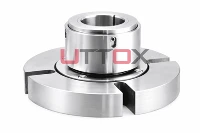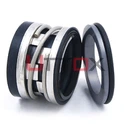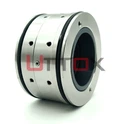


To keep your M7N mechanical seal setup from breaking down too soon, you need to know a lot about installation accuracy, material compatibility, and operating factors. The M7N mechanical seal, which was made to meet EN 12756 and DIN 24960 standards, is a key part of keeping fluids from leaking out of industrial pumps used in manufacturing, chemical processing, and water treatment. Early breakdowns are usually caused by bad fitting methods, choosing the wrong material for the fluid medium, or operating conditions that are too high. Using regular inspection procedures, making sure the seals are aligned correctly during installation, and keeping the machine at the right temperature can greatly increase their service life while lowering the cost of repairs and unplanned downtime.
Understanding the M7N Mechanical Seal and Common Failure Issues
What Makes the M7N Design Unique?
The M7N mechanical seal features a balanced multi-spring pusher design, making it an industry standard for centrifugal pumps. Its O-ring pusher and multiple springs ensure constant face loading despite speed and pressure changes. Drive collars transfer power while lowering face warping risk. The seal works well with thick fluids and abrasives. UTTOX M7N offers international standards and strong interchangeability at lower cost than EagleBurgmann, enabling direct replacement without system changes.
Recognizing Early Warning Signs
Equipment managers must spot failure signs before catastrophic breakdown occurs. Leakage around the seal gland is obvious, but early warnings include strange noises from the seal chamber, higher vibration levels, and elevated bearing temperatures. These signs indicate poor lubrication, misalignment, or contamination. Condition-based tracking helps plant engineers cut unplanned downtime by up to 40% compared to reactive methods. Regular visual checks and sound analysis provide data for predictive maintenance strategies.
Primary Failure Mechanisms
Mechanical wear happens when seal faces operate without sufficient lubrication film, causing material loss. Dry running generates excessive heat, accelerating elastomer breakdown and causing thermal cracks in ceramic faces. Exceeding temperature limits compromises O-ring integrity and spring temper. Chemical incompatibility causes elastomer swelling, hardening, or attack. Corrosive conditions accelerate metal spring degradation. Material compatibility with fluid chemistry, temperature ranges, and pressure changes is essential for full service life.
Diagnosing and Analyzing Root Causes of Seal Failures
Installation Errors That Trigger Premature Damage
About 60% of early seal failures for an M7N seal equivalent come from installation mistakes. Misalignment between shaft and seal parts causes uneven face loading, accelerating wear. Incorrect gland plate torque either crushes components or leaves insufficient tension. Wrong fitting tools damage rubber or precision faces on the M7N seal equivalent. Even small deviations from manufacturer instructions hurt performance. Shaft runout exceeding 0.05 mm, perpendicularity errors, and surface finish flaws shorten service life. Follow detailed fitting instructions including torque values and dimensional limits.

Material Compatibility Challenges
Selecting seal face materials, elastomers, and metal parts requires understanding chemical resistance, temperature limits, and mechanical properties. Carbon-graphite faces transfer heat well but lack hardness for abrasive services. Silicon carbide resists wear in slurries but needs careful material matching. Viton works with hydrocarbons up to 200°C. EPDM suits water and steam. Kalrez offers broader chemical resistance at higher cost. Engineers must balance performance needs against total ownership cost.
Environmental Stress Factors
Operating conditions that deviate from design parameters stress the seal and shorten life. Pressure fluctuations cause O-ring movement, creating friction heat. Temperature jumps destabilize the lubrication layer. Cavitation creates localized pressure bursts that wear away seal faces. Chemical processing exposes seals to aggressive media that degrade materials over time. Crystallized process fluids create abrasive particles. Quench systems, temperature tracking, and pressure stabilization help mitigate these external factors.
Best Practices for Preventing Premature M7N Seal Failure
Precision Installation Procedures
Careful installation prevents damage and ensures proper positioning. Before installing, check all parts for shipping damage, verify dimensions, and confirm material compatibility. Thoroughly clean all contacting surfaces, removing old gasket material, corrosion, and debris. Slide seal assembly onto shaft carefully without touching faces against shaft sides. Torque gland bolts in star pattern to specified values for even tension. Measure shaft runout at seal location-total reading should not exceed 0.05 mm.
Systematic Maintenance Routines
Regular inspections find problems before they cause failures. Weekly visual checks identify early leaks or structural damage. Monthly thorough checks measure seal chamber temperatures, verify auxiliary system operation, and confirm proper lubrication. Quarterly vibration analysis creates trend data for bearing and seal condition prediction. Flush systems prevent process contamination. Filter maintenance keeps particulate levels within limits. Documentation of inspections, tasks, and conditions creates institutional knowledge for troubleshooting.
Operational Control Strategies
Monitoring operating factors keeps seals within design envelopes. Temperature monitors alert when cooling is insufficient. Pressure gauges verify correct barrier fluid pressure in double seal setups. Flow meters confirm adequate cleaning or cooling flow. Dry run prevention interlocks stop pump startup until liquid presence is confirmed. Regular process fluid sampling detects chemistry changes that could damage seal materials. These tools significantly extend time between seal services.
How M7N Mechanical Seal Compares with Alternative Solutions?
Performance Advantages Over Alternative Designs
Pump shaft seals made to M7N standards have a multi-spring pusher design that gives the face a balanced load that adapts better to shaft deflection and heat expansion than single-spring or bellows designs. This flexibility is especially helpful when there are problems with shaft runout or equipment setting. The O-ring pusher transfers drive power in a positive direction while still being flexible enough to move axially.
For less money and more fitting options, component seals like the M7N mechanical seal are better than cartridge seal kits. Maintenance teams can change individual seal parts instead of whole cartridge units, which lowers the cost of keeping extra parts on hand. The simpler design makes fixes easier in the field and lessens the need for special fittings or tools.
In the M7N family, balanced seal setups lower face loads and heat generation compared to unbalanced options. This makes them last longer in high-pressure situations. Because of this, M7N mechanical seals work really well in chemical processes, where the temperatures inside the seal chamber need to be kept low to avoid fluid vaporization or thermal damage.
Cost-Benefit Analysis for Industrial Applications
To figure out the total cost of ownership, you have to add up the initial buy price, the labor costs of installation, the expected service life, and the effects of a failure. Standard industrial mechanical seals that meet EN 12756 standards usually cost 20–30% less than custom cartridge designs but are just as reliable as long as they are installed and kept correctly.
Labor costs and production loses are cut down when the mean time between upkeep tasks is longer. When emergency labor costs, production stops, and possible damage to pumps or driven equipment are taken into account, equipment managers figure that each unexpected seal failure costs 5–10 times more than planned repairs. These secret costs can be kept to a minimum by choosing strong seal designs with track records of reliability.
Industry Validation and Application Experience
Decades of experience in the chemical processing, oil and gas, power generation, and water treatment industries show that the M7N mechanical seal system works. These seals are standard on all centrifugal pumps made by OEM makers, from small circulation pumps to big process pumps that handle harsh chemicals. This broad use shows trust in the design's ability to provide dependable performance in a range of settings.
More than 50 different countries' distributor networks keep M7N mechanical seal copies in stock, which shows that the global market accepts them. This makes it possible for repair teams to quickly find replacements, which cuts down on machine downtime. Standardization helps buying managers becauseitalets them source goods more cheaply while still upholding quality standards.
Strategic Procurement and Supplier Selection for M7N Seals
Evaluating Supplier Credentials and Capabilities
Procurement managers have to look at possible seal sources in more ways than just price. Precision cutting, lapping tools for seal faces, and quality control systems are all examples of manufacturing skills that show the ability to make seals that meet tight standards. Certification to the ISO 9001 quality control standards gives you a basic guarantee that the way you make things will always be the same.
Superior sellers are different from commodity vendors because they can provide technical help. Having access to application engineers who can suggest the best seal configurations, material choices, and support system designs is very helpful. Customers can get the best seal performance from suppliers who offer fitting training, help with fixing problems, and failure analysis services.
When combining suppliers to make buying easier, the variety of the products they offer is important. Sources that keep full stocks of seals in a variety of sizes, materials, and accessory parts make buying easier and cut down on routine work. Supply chain management is made easier when you can get both standard and custom-engineered parts from the same source.
Supply Chain Reliability Considerations
Consistency in lead times and delivery performance for a type M7N mechanical seal have a direct effect on how well repair planning works. If suppliers keep enough safety stock of type M7N mechanical seal units on hand, they can meet pressing replacement needs and keep equipment from being down for long periods. Knowing factory capacity and order fulfillment helps buying teams figure out supplier reliability for type M7N mechanical seals when demand rises or supply chains break down.
At Uttox, we keep a lot of our products in stock so that we can send them quickly and meet the needs of our customers' businesses. With 30 years of experience making things, we've built supply chain relationships that make sure materials are always available, even when the market is tight. This stability in the supply chain gives buying managers peace of mind about the supply chain.
Logistics prices and shipping times are affected by where warehouses are located. Regional stocking sites cut down on shipping costs and travel time while making it easier to meet immediate needs. When digital ordering tools are connected to inventory management systems, they show real-time availability information that makes making purchases easier.
Post-Purchase Support and Technical Resources
Maintenance teams can properly install and repair seals when they have access to detailed technical paperwork such as installation manuals, dimensional drawings, and material specs. Having access to CAD models makes it easier to integrate equipment design for OEM uses. Video lessons that show the right way to install things cut down on the time needed for training and increase the success rate of installations that are done for the first time.
Warranty terms and failure analysis services protect you from broken parts and help you figure out problems with your application. Instead of just repairing broken parts, suppliers who look into failures and suggest ways to fix them help customers make things more reliable. This way of working together creates long-lasting relationships that improve the performance of tools.
The skilled technical staff at Uttox offers free engineering help to customers to help them choose the best closing options for their needs. Our R&D engineers use decades of experience in the field to come up with good solutions, even when the requirements are hard to meet, like chemical compatibility, high temperature conditions, or custom measurement needs. This method to technical partnerships has helped many big companies work together successfully in a wide range of industries.
Conclusion
Choosing the right materials, installing them precisely, keeping up with routine maintenance, and keeping an eye on operations are all things that need to be taken into account when installing M7N mechanical seals. Making smart choices is possible when you know about the seal's multi-spring pushing design and how external factors affect performance. Using written instructions for installation, setting up regular check schedules, and keeping an eye on working parameters can all help to increase service life and lower the total cost of ownership. Strategic partnerships with suppliers that offer technical support, on-time delivery, and quality testing complete the framework for the best seal performance. In chemical processing, manufacturing, and industrial settings, these practices have real benefits such as less downtime, lower upkeep costs, and higher operating safety.
FAQ
1. How long should an M7N mechanical seal last in typical service?
Service life depends a lot on how it is used, the qualities of the fluid, and how well it is maintained. When installed correctly and regularly maintained, industrial pump seals that meet DIN 24960 standards should last between 18 and 36 months without any problems. If there are harsh chemical settings, high temperatures, or rough fluids, this time frame may be cut down to 6 to 12 months. On the other hand, clean water services with safe conditions can make the life last longer than three years.
2. Can I install an M7N seal without specialized tools?
For basic fitting, you'll need hand tools like wrenches, micrometers, and dial markers to check the alignment. Specialized tools make handling easier and lower the risk of damage, but skilled workers don't have to use them. For good fitting, following the manufacturer's torque specs and dimensional standards is more important than having high-tech tools.
3. What causes face damage on mechanical seals?
The main reason seal faces get damaged is dry running without enough oil, which creates too much heat that breaks ceramic materials or burns carbon-graphite faces. Particulate pollution speeds up wear by acting as a grinding agent. Chemical attack from fluids that don't mix breaks down face materials over time. Most face damage can be avoided by making sure the system is properly designed and that the right materials are used for the job.
Partner With a Trusted M7N Mechanical Seal Manufacturer
Choosing the right sealing solution partner has a direct effect on how well your operations run and how well your maintenance works. The Uttox company has been designing and making mechanical seals for more than 30 years and has users in more than 50 countries. Our M7N mechanical seal replacement goods give you solid performance that is the same as the original equipment, and they also help you save money on purchases. We keep a lot of stock on hand so that we can quickly provide both standard and custom-engineered closing options. Our expert team offers full application support, from helping with the initial design to installing the software and fixing problems. Get in touch with us right away at info@uttox.com to talk about your specific sealing problems and find out how our tried-and-true methods can help your tools work better.
References
1. Summers-Smith, J.D. and Mechanical Seal Practice for Improved Performance, 2nd Edition, Institution of Mechanical Engineers, London, 1992.
2. Mayer, E. Mechanical Seals: Design, Selection, Application and Maintenance, Butterworth-Heinemann Engineering Standards, Oxford, 1997.
3. European Committee for Standardization, EN 12756: Mechanical Seals - Principal Dimensions, Designation and Material Codes for Mechanical Seals, CEN Brussels, 2000.
4. Nau, B.S. Fundamentals of Fluid Sealing Technology, Royal Society of Chemistry, Cambridge, 1998.
5. Adams, W.V. and Leavitt, R.C. Problem Solving for Process Plant Engineers: Centrifugal Pumps and Mechanical Seals, Gulf Professional Publishing, Houston, 2003.
6. Lebeck, A.O. Principles and Design of Mechanical Face Seals, John Wiley & Sons Engineering Series, New York, 1991.