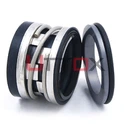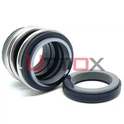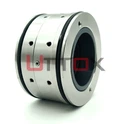


When sourcing a replacement for the burgmann hj92n mechanical seal, maintenance managers in heavy industries face a critical decision. This seal is relied upon in steel mills, cement plants, and power generation facilities where equipment downtime can cost thousands of dollars per hour. Choosing the right manufacturer requires understanding not just the product specifications but the quality systems, material traceability, and technical support that separate reliable suppliers from those offering substandard alternatives.

Understanding Burgmann HJ92N Mechanical Seal Specifications and Materials
The Burgmann HJ92N mechanical seal is a special wave spring design that solves problems that are common in heavy-duty industrial pumping situations. Unlike most multi-spring seals, which can get clogged when working with media that has suspended solids or fluids with a high viscosity, this seal only has one wave spring that is safe from process contamination.
Technical Parameters That Define Performance
This balanced seal design can withstand pressures up to 25 bar (363 PSI) and temperatures between -20°C and +220°C (-4°F to 428°F). It can also slide at speeds of up to 20 m/s. The wave spring design stays the same no matter which way the shaft turns. This gives installers a lot of installation options, which come in very handy during emergency repair windows. Its short horizontal installation length makes it possible to adapt to normal centrifugal pump stuffing boxes without making any changes. This cuts down on installation time and complexity.
Material Selection and Its Impact on Seal Longevity
When used in acidic or abrasive settings, the way a seal works is greatly affected by the materials that are paired with it. Silicon Carbide (SiC) shapes are very hard and good at transferring heat, which makes them perfect for working with hot mineral slurries in mining. When pumping cement slurries or fly ash mixtures, tungsten carbide faces offer better resistance to wear. The choice of elastomer-FKM (Viton) for chemical resistance, EPDM for water uses, or FFKM (Kalrez) for extreme chemical compatibility-must match the properties of the process fluid to keep the O-ring from breaking down too quickly.
Why Wave Spring Design Matters in Heavy Industry
Traditional multi-spring seals make pockets where chemicals that are crystallizing or particles in the fluid can gather, which can cause the springs to seize up and the seal to fail completely. The wave spring gets rid of these empty areas, so the face pressure stays the same even when chemicals, sludge, or wastewater are being handled. Unexpected failures that force unplanned shutdowns during critical production runs can't happen with this design.
Key Quality Factors to Evaluate When Choosing an HJ92N Mechanical Seal Manufacturer
When choosing a maker for hj92n mechanical seal alternatives, you need to look at more than just price. The dependability of equipment relies on uniform manufacturing standards, methods for checking materials, and how well the provider knows how heavy industrial equipment works.
Manufacturing Standards and Certification Requirements
Reputable manufacturers use ISO 9001 quality management systems that have written steps for each step of the production process. Standard compliance with DIN 24960 / EN 12756 guarantees dimensional interchangeability with original equipment. This means you don't have to worry about buying seals that won't fit your pump stuffing box. The API 682 principles explain how to build things for use in the process industry. They cover things like flush plans, material compatibility, and reliability needs that are unique to the chemical and petroleum service.
Material Verification and Traceability Systems
Positive Material Identification (PMI) testing is used by quality manufacturers to make sure that stainless steel parts are the right grade, either 316L for resistance to corrosion or 316Ti for stability at high temperatures. Silicon Carbide and Tungsten Carbide face materials should have confirmed hardness values and density measurements that show they are pure. Each part of the seal should have a batch number that can be tracked back to the material certificates. This way, if there are problems with performance, the problems can be looked into.
Face Flatness and Surface Finish Standards
How flat the seal face is has a direct effect on how much it leaks and how it wears. Manufacturers should use monochromatic light interference tests to show that their products are flat within two light bands (0.6 microns). Surface finish measures between 0.2 and 0.4 Ra (micrometers) make sure that the sealing interface forms a good fluid film. Without these precise making skills, seals may leak right away or wear out faster, no matter how good the material is.
Static Pressure Testing and Quality Verification
Before shipping, the integrity of the seal system is checked by hydrostatic testing at 1.5 times the maximum allowed pressure. If there are mistakes in the assembly, O-rings, or face-to-hardware bonding that would lead to failures in the field, this test shows them. As proof of how strict their quality control is, manufacturers should give test reports that list hold times and observed leakage rates.
Here are the main benefits that set high-quality producers apart in this market:
Documented quality control procedures that include checking inbound materials, making sure things are done right while they're being made, and testing the finished product
In-house testing capabilities for face flatness, material hardness, dimensional accuracy, and pressure integrity instead of relying only on supplier certifications
Technical support teams with a lot of experience in the field know the difference between moving clean water and working with rough mineral slurries at high temperatures
Rapid response warranty programs that send new seals within 24 to 48 hours when they fail in the field, so there aren't as many production losses
These high-quality systems protect against the hidden costs of bad seals, like emergency calls, lost production, and the safety risks that come with leaking dangerous materials. When looking at possible providers, you should ask for facility audit reports, customer references from similar heavy industry uses, and examples of how they've solved technical problems for clients who were having trouble with seals.
After-Sales Support and Technical Assistance
Manufacturers who offer application engineering support add a lot of value to their products that goes beyond the physical ones. Can they suggest the right face material choices for the process fluid you have? Do they train maintenance workers on how to put things? Will they look at failed seals to find out why they failed instead of just sending new ones? This way of working together as a professional partner is especially helpful when setting up new tools or fixing problems that keep happening.
Comparison Insights: Burgmann HJ92N vs Other Mechanical Seals
When procurement teams know how the hj92n seal equivalent stacks up against other designs, they can choose the best solution for the equipment and conditions they will be using.
HJ92N vs Standard Multi-Spring Seals
Standard multi-spring seals are cheaper at first, but they don't work well with solids, chemicals that crystallize, or fluids with a high viscosity. When the springs get jammed, they can't keep the right amount of face pressure. The Burgmann HJ92N mechanical seal gets around this problem with its protected wave spring design. The higher initial cost is worth it because it lasts longer and needs less upkeep. When facilities pump mine waste, cement slurries, or wastewater, the seals last two to three times longer than with traditional multi-spring designs.
Balanced vs Unbalanced Seal Designs
The HJ92N's balanced design lowers face loads compared to uneven seals. This lowers the rate of heat generation and wear, especially at higher pressures. For low-pressure clean water uses, uneven seals are fine, but for tough chemical pump jobs where pressures are higher than 10 bar, the balanced design is a must. The better balance of face loading makes the seal last longer and lowers the chance of face cracking when heated.
HJ92N vs Cartridge Seal Assemblies
Cartridge seals are easier to install because you don't have to measure or set them, but they are much more expensive. The Burgmann HJ92N mechanical seal design is made up of several parts, and it needs trained repair workers who know how to install them correctly and measure the seal face gap. For sites with skilled mechanical staff, the component seal gives the same performance at 40–60% less cost. Even tho it makes installation more difficult, businesses that need to control large populations of seals and are on a tight budget like this cost-saving feature.
Installation, Maintenance, and Troubleshooting Best Practices
When you install and maintain seals correctly, they work better and last longer, protecting your investment in high-quality parts.
Critical Installation Steps
Wear on the shaft surface immediately affects the life of the Burgmann HJ92N mechanical seal. Check the shaft for rust pits, scratches, or worn sleeve surfaces that could hurt the seal face when it is being installed. Face wear patterns aren't even when shaft runout is more than 0.05 mm. Thoroughly clean all the parts, getting rid of any installation dust that might get stuck at the sealing interface. During assembly, put a thin film of a suitable oil on the O-rings to keep them from getting damaged by rolling or cutting.
Setting Proper Installation Length
The L1k measurement in EN 12756 standards tells us how long the seal is when it is properly fitted and compressed. Check this measurement with feeler gauges or other specialized setting tools before tightening the setscrews. If the installation length is wrong, there is either too much face pressure, which leads to fast wear and heat generation, or not enough pressure, which causes leakage right away. This measurement step tells the difference between setups that are done by professionals and ones that fail too soon.
Maintenance Intervals and Inspection Techniques
Set baselines for vibration monitoring in sealed equipment, as rising vibration levels often mean that bearings are wearing out or shafts are not aligned correctly, which will soon damage the seals. During timed shutdowns, look at the wear patterns on the seal faces. If there are any odd wear patterns, it means there are problems with alignment or shaft runout. Check the wear on the shaft sleeve and change it when the measurements don't meet the requirements. Chemical or heat damage to the O-ring gap means that the elastomer material needs to be upgraded.
Common Failure Modes and Root Causes
Rapid seal wear is usually caused by gritty particles in the process fluid, poor flush flow, or choosing the wrong face material for the job. If the elastomer swells or cracks, it means that the O-ring material and the process fluids or flush liquids are not chemically compatible. The spring corrosion suggests that the seal was exposed to process media that it wasn't made to handle. This could have happened because it wasn't installed correctly, letting fluid flow through. When seal faces dry run during starting or lose flush flow during operation, heat can cause cracks in the seal faces. When trying to figure out why a seal keeps breaking, you should look at the whole pumping system and not just the seal. Too much system shaking, pipe strain on pump cases, and bad flush system design are more likely to cause seal failures than problems with component quality.
Procurement Guide: How to Source Authentic Burgmann HJ92N Mechanical Seals
Decisions about where to get the Burgmann HJ92N mechanical seal affect not only the initial costs, but also the total cost of ownership and how reliable it will be in the long run.
Identifying Qualified Suppliers
Verified sellers show they can make things by showing proof of their facilities, quality approvals, and customer references. Ask to see proof of the testing tools they have on hand, such as seal testing stands, face flatness measurement systems, and material analysis tools. When suppliers outsource all of their manufacturing and testing, they might not have the technical know-how to support complex applications or solve quality problems in the best way possible.
Evaluating Cost vs Value Propositions
The cheapest seals usually mean that the materials aren't very good or that quality control isn't done well. Silicon Carbide faces need very pure source materials and precise lapping processes. If you cut corners in either area, the seals will fail fast, even tho they look the same. Instead of just looking at the price, you should base your decisions about what to buy on verified performance data, application case studies, and the technical skills of the suppliers. Find the total cost, which should include freight, the cost of keeping the inventory, and the risk prices of possible failures.
Lead Time Considerations for Heavy Industry
In heavy industry, maintenance slots are planned months ahead of time to fit the needs of production. Suppliers who keep common seal sizes in stock can ship within days, but those who make to order take 4 to 8 weeks. Framework agreements should be made with dependable suppliers, and you might want to keep critical seal sizes in stock at your facility in case of emergency shutdowns. The cost of keeping insurance parts on hand is nothing compared to the time lost waiting for seal delivery.
Technical Specification Verification
Ask for thorough models that show all the sizes, material details, and possible ways to put the parts together. Check these measurements against OEM specs or the EN 12756 standard sizes. Make sure that the pressure and temperature values of the new seals are the same as those of the original equipment. If failures cause safety accidents or environmental releases, it can be hard to figure out who is responsible if the specs don't match.
Uttox has been making things for 30 years and can handle big industrial closing jobs. We have a technical team that can help you choose the right face material choices, elastomer grades, and flush system designs for your unique process conditions. We keep a large stock of popular heavy-duty seal sizes, so we can ship them quickly and keep your repair downtime to a minimum.
Conclusion
When looking for a maker for the burgmann hj92n mechanical seal, you need to look at their quality systems, methods for checking materials, and expert support, as well as their product specs. The wave spring design solves certain problems that come up in big industrial pumping situations, especially when dealing with media that are dense or full of solids. Manufacturers of high quality set themselves apart by having clear testing procedures, systems for tracking materials, and application engineering support that goes beyond just sending parts. Instead of just looking at the initial buy price, people who make procurement choices should think about the total cost of ownership, which includes things like reliability, technical help, and how quickly the supply chain can respond. By working with providers who know how the heavy industry works, you can avoid the expensive problems that come up when seals fail on important production equipment.
FAQ
1. What applications justify choosing the HJ92N over standard multi-spring seals?
The Burgmann HJ92N mechanical seal equivalent design works great for pumping uses with solids in the fluid, chemicals that crystallize, or fluids with a high viscosity, where regular multi-spring seals get clogged up and stop working. The wave spring's ability to keep media clean is most useful in industries like wastewater treatment, mining slurry handling, cement production, and food processing.
2. How do I verify material authenticity when sourcing replacement seals?
Ask for material documents for Silicon Carbide or Tungsten Carbide face materials that show the official hardness, density, and purity numbers. Positive Material Identification (PMI) testing proves the types of stainless steel used in metal parts. Reputable suppliers offer batch traceability that connects each seal to the source material documentation. This makes it possible to check the authenticity of the component.
3. What maintenance intervals should I establish for heavy-duty applications?
How often you inspect depends on how bad the working conditions are. When equipment works with abrasive slurries or close to its temperature limits, it needs to be inspected every three months during planned shutdowns. Clean fluid uses in mild situations go all the way up to once a year inspections. Vibration monitoring lets you know about problems early on, between scheduled checks, so you can repair seals before they fail completely.
Partner With Uttox for Reliable Heavy-Duty Sealing Solutions
Uttox has been a trusted supplier of burgmann hj92n mechanical seals to heavy industries around the world since our founding in 1990. We have over 30 years of experience making these seals. In demanding industries like steel production, cement production, power generation, and mining, our engineering team offers free expert advice to help you choose the best seal designs. We keep a large stock of heavy-duty seal sizes that meet DIN 24960 and EN 12756 standards. This lets us deliver quickly and meet the needs of your repair plan.
Our quality control systems check all of the materials, make sure the faces are flat, and make sure the pressure integrity is correct. Each seal comes with full performance specs and paperwork for tracking. In addition to selling parts, we also offer application engineering help to fix long-term sealing problems and make sure that flush system designs are as reliable as possible. Contact our technical team at info@uttox.com to talk about your specific heavy industrial sealing needs and find out how our low-cost solutions keep things running smoothly without affecting core performance.
References
1. Mechanical Seals for Pumps: Design and Application Guidelines, Engineering Standards Institute, 2021
2. Heavy Industry Equipment Maintenance Best Practices, Industrial Reliability Association, 2022
3. DIN 24960 / EN 12756 Mechanical Seal Standardization and Interchangeability Requirements, European Committee for Standardization, 2019
4. Material Selection Guide for Mechanical Seal Faces in Corrosive and Abrasive Service, Tribology Research Foundation, 2020
5. Wave Spring Mechanical Seal Performance in Solids-Handling Applications, Journal of Industrial Sealing Technology, Vol. 48, 2023
6. Procurement Strategies for Critical Rotating Equipment Components in Heavy Industry, Supply Chain Management Review, 2022