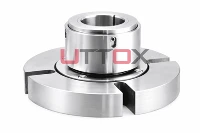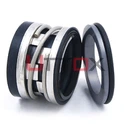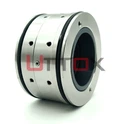


Fluid leakage in rotating equipment costs industries millions annually in wasted product, environmental fines, and unexpected downtime. When your pumps fail at 3 AM, contaminating production lines and halting operations, the culprit is often a compromised mechanical seal. Understanding how carbon mechanical seals work is not just technical knowledge-it's essential for maintaining operational efficiency, preventing catastrophic failures, and ensuring worker safety. This comprehensive guide reveals the engineering principles, material science, and practical applications of carbon face seal technology, empowering maintenance teams and engineers to optimize seal performance across petroleum refining, water treatment, and chemical processing operations.
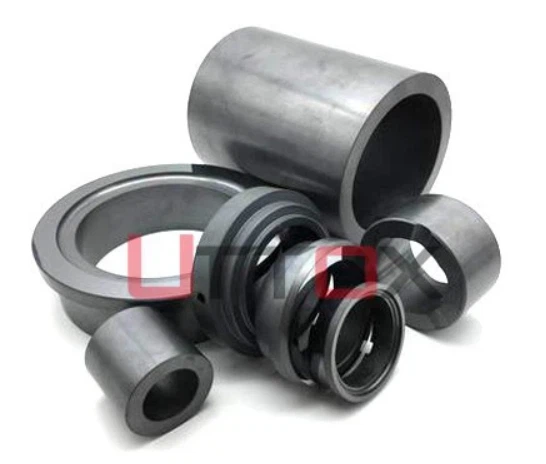
Understanding the Fundamentals of Carbon Face Seal Technology
Carbon mechanical seals represent a sophisticated solution to one of industry's most persistent challenges: creating a reliable barrier between rotating shafts and stationary housings while maintaining minimal friction and maximum durability. At its core, a carbon face seal consists of two precisely machined faces-typically one carbon graphite component paired with a harder mating ring-that create a dynamic sealing interface. The carbon face seal operates on the principle of controlled leakage, where an ultra-thin fluid film between the seal faces provides both lubrication and cooling while preventing bulk fluid escape. This microscopic film, often measuring just 0.5 to 3 microns thick, must be maintained within precise parameters to ensure optimal seal performance. The selection of carbon as a primary sealing material stems from its exceptional tribological properties. Carbon graphite exhibits superior self-lubricating characteristics due to its layered crystalline structure, allowing individual carbon planes to slide over one another with minimal resistance. This inherent lubricity reduces friction coefficients to remarkably low levels, typically between 0.05 and 0.15 under proper operating conditions. Furthermore, carbon face seal materials demonstrate excellent thermal conductivity, efficiently dissipating frictional heat generated at the sealing interface and preventing thermal degradation that would compromise seal integrity. When mechanical seal suppliers design sealing systems, they carefully balance hardness, porosity, and impregnation materials to optimize performance for specific applications.
Material Science Behind Carbon Seal Components
The manufacturing process for carbon face seal components involves intricate metallurgical techniques that determine final performance characteristics. High-quality carbon graphite seals begin with carefully selected raw materials, including petroleum coke, pitch binders, and various additives that enhance specific properties. These constituents undergo mixing, molding, and high-temperature carbonization processes exceeding 1000°C, followed by graphitization at temperatures approaching 3000°C for premium grades. The resulting microstructure exhibits controlled porosity that can be subsequently impregnated with resins, metals, or other materials to enhance chemical resistance and mechanical strength. Reaction Sintered Silicon Carbide (RBSIC) has emerged as the premier mating ring material for carbon face seal applications, offering unparalleled wear resistance and chemical inertness. RBSIC Seal Rings and Sleeves manufactured through reaction sintering processes combine the hardness of silicon carbide with excellent thermal shock resistance. The manufacturing technique involves infiltrating porous carbon preforms with molten silicon at approximately 1650°C, creating a composite structure containing 88-90% silicon carbide and 10-12% residual free silicon. This free silicon, while limiting RBSIC use in strong acids and alkalis, actually serves a beneficial purpose by reducing friction and wear during seal operation. The API 682 standard specifically recommends RBSIC as the preferred seal face material when paired with carbon graphite, recognizing its superior performance in demanding applications across water treatment, chemical processing, and hydrocarbon service.
Sealing Mechanism and Hydrodynamic Principles
The functional operation of carbon mechanical seals relies on sophisticated hydrodynamic phenomena occurring at the microscopic sealing interface. As the rotating seal face spins against its stationary counterpart, fluid dynamics within the seal gap create a pressure distribution that supports the seal faces while maintaining separation. This hydrodynamic lift generates sufficient force to prevent solid-to-solid contact under normal operating conditions, dramatically extending seal life compared to boundary lubrication regimes. The seal face geometry, including flatness specifications typically within 2-3 light bands and surface finishes measuring 4-8 microinches Ra, critically influences this hydrodynamic behavior. Mechanical seal suppliers engineer three distinct pressure zones within the carbon face seal: the sealed fluid pressure, the spring or hydraulic closing pressure, and the hydrodynamic opening pressure created by fluid films. The balance ratio, defined as the proportion of sealed pressure acting to open the seal faces, must be precisely calculated during design to ensure adequate face loading across all operating conditions. Balanced seals typically exhibit balance ratios between 0.60 and 0.85, reducing heat generation and extending component life in high-pressure applications. Conversely, unbalanced designs with ratios approaching 1.0 suit low-pressure services where face loading requirements differ substantially. Understanding these pressure dynamics enables engineers to select appropriate seal configurations and avoid premature failure modes.
Critical Components and Assembly Architecture
A complete carbon mechanical seal assembly comprises numerous precision components working in concert to achieve reliable sealing performance. The primary seal ring, fabricated from carbon graphite, mounts either stationary in the seal housing or rotates with the shaft, depending on seal configuration. This carbon face seal component requires careful installation to prevent cocking, which would create non-uniform face contact and accelerated wear patterns. Secondary sealing elements, including O-rings, wedges, or V-rings manufactured from elastomers or PTFE, prevent leakage paths around the seal ring's outer diameter while accommodating thermal expansion and vibration. The mating ring, frequently constructed from Sinter SIC or other advanced ceramics, provides the hardened surface against which the carbon face bears. RBSIC Seal Rings and Sleeves offer exceptional flatness stability across temperature extremes, maintaining the precise geometry required for optimal hydrodynamic film development. These silicon carbide components resist chemical attack, abrasion from process contaminants, and thermal shock that would fracture less robust materials. Manufacturing tolerances for mating rings typically specify flatness within one light band and perpendicularity within 0.001 inches, ensuring consistent seal face contact across the entire sealing diameter.
Spring and Compression Systems
Spring loading mechanisms provide the closing force necessary to maintain carbon face seal contact during startup, shutdown, and varying pressure conditions. Single coil springs, multiple small springs, wave springs, and bellows-type metal springs each offer distinct advantages regarding load distribution, corrosion resistance, and contamination tolerance. The spring force must overcome hydraulic pressure variations while avoiding excessive face loading that generates destructive heat. Design calculations incorporate spring rate, compressed length, and material selection to achieve optimal performance across the seal's operational envelope. Advanced carbon face seal designs employ hydraulic balance chambers and pressure breakdowns to manipulate effective closing forces without relying solely on mechanical springs. These pressure-balanced configurations reduce heat generation in high-pressure applications by minimizing net closing force on the seal faces. Mechanical seal suppliers provide balance ratio calculations and pressure-velocity (PV) limits to guide selection, with typical PV values for carbon-silicon carbide combinations not exceeding 300,000 to 500,000 psi-fpm in conventional applications. Exceeding these limits initiates thermal runaway conditions where frictional heat vaporizes the lubricating fluid film, causing catastrophic seal failure within minutes.
Installation Hardware and Support Systems
Proper carbon face seal installation requires specialized hardware including gland plates, seal chambers, and shaft sleeves that position components precisely while accommodating thermal expansion. The seal chamber depth, commonly called the L3 dimension in API standards, must provide adequate space for seal components while maintaining appropriate face contact. Insufficient chamber depth causes seal compression beyond design limits, while excessive depth may prevent adequate seal face closure. Shaft sleeves manufactured from materials like 316 stainless steel or Sinter SIC protect the shaft from corrosion and wear while providing a precision mounting surface for rotating seal components. Flush plans, as defined in API 682, supply clean, cool fluid to the carbon face seal environment, managing temperature and removing wear particles that would accelerate seal degradation. Plan 11 arrangements circulate process fluid from the pump discharge back to the seal chamber, providing both cooling and lubrication. More elaborate Plan 32 systems introduce clean buffer fluids at pressures exceeding stuffing box pressure, preventing process contamination from reaching seal faces. RBSIC Seal Rings and Sleeves demonstrate exceptional performance in these varied flush arrangements, maintaining face integrity across temperature swings and chemical exposures that would compromise lesser materials.
Applications Across Industrial Sectors
Carbon mechanical seals find extensive application throughout industries requiring reliable containment of fluids in rotating equipment. In petroleum refining operations, carbon face seal technology handles everything from light hydrocarbons at cryogenic temperatures to heavy crude oil at elevated temperatures approaching 400°C. The self-lubricating properties of carbon paired with the chemical resistance of RBSIC enable these seals to operate continuously in environments containing hydrogen sulfide, aromatic hydrocarbons, and other aggressive compounds that destroy conventional packing or lesser seal materials. Refineries particularly value the reduced fugitive emissions achieved through properly maintained mechanical seals, supporting environmental compliance while minimizing product loss. Water treatment facilities depend on carbon mechanical seals to manage corrosive chemicals, abrasive slurries, and biofouling conditions that challenge sealing systems. Municipal water pumps circulating chlorinated water benefit from RBSIC's chlorine resistance, while wastewater pumps handling sewage and industrial effluent rely on carbon's tolerance for contaminated fluids. The pairing of carbon face seal components with Sinter SIC mating rings creates a robust system capable of operating with minimal maintenance in continuously submerged applications. Mechanical seal suppliers provide specialized designs incorporating hard facings and flushing arrangements optimized for the unique demands of water and wastewater service.
Chemical Processing and Pharmaceutical Manufacturing
The chemical processing industry presents perhaps the most demanding environment for carbon mechanical seals, with applications spanning corrosive acids, caustic solutions, organic solvents, and toxic substances requiring absolute containment. Carbon graphite's chemical inertness and RBSIC's resistance to nearly all industrial chemicals make this material combination ideal for handling aggressive media. Pharmaceutical manufacturing, with its stringent contamination prevention requirements and frequent cleaning cycles, relies on specialized carbon face seal designs featuring all-metal construction and validation documentation supporting sterile operations. These industries prefer dual mechanical seals with pressurized barrier fluids, isolating process fluids from the atmosphere while providing redundant containment. Pulp and paper mills subject carbon mechanical seals to combinations of mechanical abuse, chemical attack, and abrasive contamination that rapidly degrade inferior designs. Black liquor pumps, containing highly alkaline solutions at elevated temperatures with suspended solids, require robust seal configurations featuring hard-faced carbon seal rings and Sinter SIC mating surfaces. The free silicon content in RBSIC Seal Rings and Sleeves provides beneficial self-lubricating properties even when abrasive particles contaminate the seal environment, extending operational life beyond ceramic alternatives. Mechanical seal suppliers offer cartridge-style seals for these applications, simplifying installation while ensuring proper alignment and reducing maintenance time during mill shutdowns.
Power Generation and Marine Applications
Power plants operating steam turbines, condensate pumps, and cooling water circulation systems depend extensively on carbon mechanical seals for reliable operation. Boiler feed pumps, handling demineralized water at pressures exceeding 3000 psi and temperatures approaching 200°C, require carefully balanced carbon face seal designs with multiple pressure breakdown stages. These critical services cannot tolerate seal failures that would force plant shutdowns costing millions in lost generation capacity. The combination of carbon's thermal conductivity and RBSIC's dimensional stability across temperature gradients makes this material pairing ideal for these demanding applications. Marine propulsion systems and shipboard auxiliary equipment face unique challenges including vibration, misalignment, and extended maintenance intervals that demand exceptional seal reliability. Seawater pumps aboard vessels worldwide employ carbon face seal technology to manage the corrosive, abrasive nature of marine environments. RBSIC Seal Rings and Sleeves resist erosion from sand and biological contamination while maintaining precise flatness despite shock loading from rough seas. Food and beverage processing operations require sanitary seal designs meeting 3A standards, utilizing polished carbon seal faces and RBSIC mating rings capable of withstanding aggressive cleaning agents and thermal shocking during CIP cycles. Mechanical seal suppliers serving these markets provide extensive material testing documentation and compliance certifications supporting equipment validation.
Failure Modes and Troubleshooting Strategies
Understanding common carbon face seal failure mechanisms enables proactive maintenance strategies that maximize seal life while preventing unexpected equipment downtime. Thermal cracking represents one of the most frequent failure modes, occurring when inadequate cooling or excessive face loads generate temperatures exceeding the carbon's thermal limits. Visual inspection of failed carbon seal faces reveals characteristic crack patterns radiating from the seal's inner diameter, where heat concentration peaks during operation. This failure mode often stems from improper flush arrangements, insufficient flow rates, or operation outside design parameters that starve the seal faces of cooling fluid. Blistering and thermal tracking indicate localized overheating caused by face contact irregularities or contamination. When carbon face seal surfaces exhibit these defects, investigation should focus on mating ring condition, flatness specifications, and presence of abrasive particles in the sealed fluid. RBSIC Seal Rings and Sleeves may develop glazed or polished spots indicating boundary lubrication conditions where the hydrodynamic film has collapsed. Mechanical seal suppliers recommend maintaining mating ring flatness within two light bands and seal face flatness within three light bands to prevent these thermal damage modes. Regular flush system maintenance, including strainer cleaning and flow verification, proves essential for preventing contamination-related failures.
Chemical Attack and Material Degradation
Chemical compatibility represents a critical consideration when selecting carbon face seal materials for specific applications. While carbon graphite demonstrates broad chemical resistance, certain oxidizing acids and aggressive solvents can attack the resin or metal impregnation materials within the carbon matrix. Blistering or flaking of the seal face indicates chemical degradation requiring material substitution to antimony-impregnated or specialized grades offering enhanced resistance. Similarly, while RBSIC exhibits exceptional chemical inertness, the residual free silicon content limits its use in concentrated hydrofluoric acid and extremely alkaline solutions where silicon dissolution occurs. Secondary seal degradation often precedes primary seal face failure, with elastomer O-rings showing swelling, hardening, or cracking when exposed to incompatible fluids or excessive temperatures. Mechanical seal suppliers provide comprehensive compatibility charts correlating elastomer types with chemical exposures, but actual service conditions may introduce contamination or temperature excursions beyond design assumptions. Implementing condition monitoring programs that track seal leakage rates, bearing temperatures, and vibration signatures enables early detection of degradation before catastrophic failure occurs. Advanced facilities employ infrared thermography to identify developing hot spots on seal glands, indicating loss of flush cooling or impending seal failure requiring intervention.
Installation and Alignment Issues
Improper installation causes a significant percentage of premature carbon face seal failures, despite manufacturers providing detailed procedures and specialized tooling. Shaft misalignment concentrating loads on one side of the seal face creates rapid wear and heat generation, often failing within hours of startup. Total indicated runout (TIR) specifications typically require shaft runout below 0.002 inches and perpendicularity within 0.005 inches per inch of shaft diameter to ensure uniform face contact. Installation procedures must emphasize careful measurement of seal chamber dimensions, proper gland bolt torque sequences, and verification of compression settings before equipment startup. Carbon face seal damage during handling or installation frequently escapes detection until failure occurs during operation. Dropping seal components, allowing contaminants to contact seal faces, or failing to remove protective coatings from RBSIC Seal Rings and Sleeves compromises performance from initial startup. Quality mechanical seal suppliers provide detailed inspection criteria and handling procedures, emphasizing clean-room practices for face preparation and assembly. Training maintenance personnel on proper installation techniques, including use of installation jigs and measurement tools, yields substantial returns through extended seal life and reduced unplanned downtime. RBSIC mating rings, while exceptionally wear-resistant, remain brittle ceramics susceptible to impact damage requiring careful handling protocols.
Maintenance Best Practices and Performance Optimization
Developing comprehensive maintenance programs for carbon mechanical seals begins with establishing baseline performance data during commissioning. Recording seal chamber temperatures, flush flow rates, leakage levels, and vibration signatures provides reference points for detecting degradation trends before failure occurs. Modern predictive maintenance programs incorporate wireless temperature sensors, flow meters, and acoustic emission monitoring to continuously assess seal condition without invasive inspections. This data enables condition-based maintenance strategies that replace seals based on actual wear patterns rather than arbitrary time intervals, optimizing both reliability and maintenance costs. Regular inspection of auxiliary systems supporting carbon face seal operation proves equally important to monitoring the seals themselves. Flush plan piping should be checked for blockages, adequate flow capacity, and proper valve positions ensuring design flow rates reach seal chambers. Heat exchangers cooling flush fluids require periodic cleaning to maintain thermal performance, while flush fluid reservoirs need level monitoring and contamination control. Mechanical seal suppliers recommend documenting these auxiliary system parameters alongside seal performance data, recognizing that seal failures often result from support system degradation rather than seal component wear.
Upgrading Legacy Equipment
Many industrial facilities operate aging equipment with outdated packing gland designs that compromise reliability and environmental compliance. Converting these units to modern carbon face seal configurations yields immediate benefits through eliminated leak rates, reduced maintenance frequency, and improved safety. However, successful conversions require careful evaluation of existing shaft conditions, available seal chamber dimensions, and modifications necessary to accommodate mechanical seals. Worn shafts may require sleeving with Sinter SIC or ceramic coatings to provide acceptable mating surfaces, while insufficient chamber depth necessitates gland modifications or specialized compact seal designs. The transition from packing to carbon mechanical seals often reveals previously masked equipment problems including excessive shaft runout, bearing wear, or foundation issues causing misalignment. Addressing these underlying mechanical deficiencies proves essential for achieving expected seal performance improvements. RBSIC Seal Rings and Sleeves manufactured to precise tolerances expose shaft and housing irregularities that packing's forgiving nature tolerated. Facilities undertaking equipment upgrades should budget for associated mechanical repairs and alignment corrections to fully realize the benefits of modern sealing technology. Experienced mechanical seal suppliers offer turnkey conversion services including field measurements, custom component manufacturing, and installation support ensuring successful transitions.
Training and Knowledge Transfer
The technical complexity of carbon face seal systems requires that maintenance personnel receive comprehensive training covering operating principles, failure modes, and proper maintenance procedures. Many seal failures attributed to component defects actually result from operational errors, improper installation, or inadequate understanding of seal limitations. Developing in-house expertise through formal training programs, vendor workshops, and hands-on experience reduces failure rates while building organizational capability to troubleshoot problems independently. Documentation of seal specifications, installation procedures, and failure histories creates institutional knowledge surviving personnel changes. Progressive maintenance organizations establish centers of excellence for sealing technology, concentrating expertise and specialized tools to support multiple facilities. These groups standardize seal selections, maintain strategic inventories of critical components including RBSIC Seal Rings and Sleeves, and provide technical consultation during equipment design phases. Relationships with qualified mechanical seal suppliers extend internal capabilities, providing access to application engineering, failure analysis laboratories, and field service support for critical situations. This collaborative approach optimizes seal performance while managing total cost of ownership across the entire equipment fleet.
Conclusion
Carbon mechanical seals represent sophisticated engineering solutions combining materials science, fluid mechanics, and precision manufacturing to achieve reliable shaft sealing in demanding industrial applications. The pairing of carbon face seal components with RBSIC Seal Rings and Sleeves delivers exceptional performance across diverse operating conditions, from cryogenic services to high-temperature hydrocarbon processing. Understanding fundamental operating principles, proper material selection, and maintenance best practices enables facilities to maximize seal life, minimize environmental emissions, and optimize equipment reliability. As industries continue demanding higher performance and stricter environmental compliance, carbon face seal technology will remain the preferred solution for critical rotating equipment applications.
Cooperate with Zhejiang Uttox Fluid Technology Co., Ltd.
As a China carbon face seal manufacturer with over 30 years of experience since 1990, Zhejiang Uttox Fluid Technology Co., Ltd. delivers High Quality carbon face seal solutions recognized across 50+ countries. Our experienced R&D team provides technical guidance and customized solutions for petroleum refining, water treatment, pulp & paper, shipbuilding, food & beverage, pharmaceutical, and power plant applications. As a leading China carbon face seal supplier and China carbon face seal factory, we offer China carbon face seal wholesale with sufficient inventory for fast delivery, professional OEM support, and quality assurance matching industry leaders like Flygt. Whether you need carbon face seal for sale or seeking competitive carbon face seal price quotations, contact us at info@uttox.com for expert technical support and immediate solutions to your sealing challenges.
References
1. Flitney, R. K. - "Seals and Sealing Handbook" - Butterworth-Heinemann, Sixth Edition
2. Summers-Smith, J. D. - "Mechanical Seal Practice for Improved Performance" - Institution of Mechanical Engineers
3. American Petroleum Institute - "API Standard 682: Pumps-Shaft Sealing Systems for Centrifugal and Rotary Pumps" - Fourth Edition
4. Lebeck, A. O. - "Principles and Design of Mechanical Face Seals" - John Wiley & Sons, Inc.