

Choosing the right Cryostar pump mechanical seal replacement involves evaluating several critical factors that directly impact operational safety and cost-efficiency. For equipment managers and procurement professionals working with cryogenic applications-such as LNG terminals, industrial gas facilities, and low-temperature processing plants-the seal must deliver reliable performance at extreme temperatures down to -196°C while preventing hazardous leaks of liquid oxygen, nitrogen, or argon. A suitable replacement like the MFLC12 metal bellows seal should meet stringent safety standards, offer full interchangeability with original equipment, and provide documented proof of cryogenic material certifications. This buying guide walks you through the essential considerations to help you make an informed decision that balances safety, performance, and total cost of ownership.
Understanding Cryostar Pump Mechanical Seals – Basics and Functionality
When it comes to working with liquid industrial gases in very cold conditions, Cryostar pumps are precision-engineered tools. The Cryostar pump mechanical seal is the most important barrier between the pumped fluid and the air. It stops leaks that could cause accidents, damage to equipment, or loss of product.
Core Components of a Cryogenic Mechanical Seal
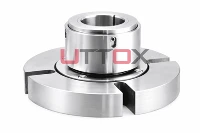
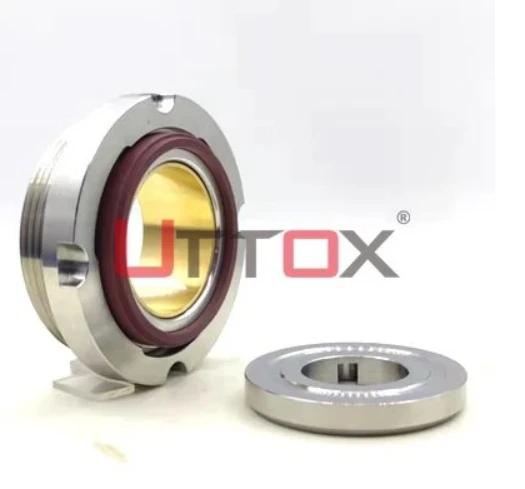
A standard Cryostar pump mechanical seal is made up of several parts that are all combined and work together. The rotary face moves with the pump shaft, while the stationary face stays in place inside the seal housing. There is a thin film of lubricant between these faces that keeps them apart at high speeds and pressures. When the case and shaft meet, secondary seals, which are usually made of elastomers or PTFE, keep the static electricity out. The metal bellows are what move, so they can adjust for changes in the central shaft and heat contraction without the need for outside springs that could break at very low temperatures.
How Metal Bellows Technology Addresses Cryogenic Challenges
For cold work, metal bellows seals are best because they don't have many of the problems that come with traditional spring-loaded designs. The welding bellows design makes them naturally flexible while still keeping their shape at very low temperatures. This design keeps elastomeric parts from becoming weak over time and keeps the face loading constant during thermal cycling. During fast cooling phases, the bellows adjusts for changes in the pump assembly's size, keeping the right seal face contact pressure.
Working Principles Under Extreme Conditions
When a Cryostar pump is used with liquid nitrogen at -196°C, things get much smaller than they are at room temperature. This change in size must be taken into account by the mechanical seal, which must also keep the faces aligned and the contact pressure constant. Anti-spark materials in the seal design keep things from starting on fire in oxygen-rich areas, where even small frictional sparks could start a fire. The cartridge seal design makes installation easier and makes sure that everything is lined up correctly, which lowers the risk of failure early because of mistakes in assembly.
When buying, teams understand these basic points, they can better understand why not all mechanical seals can safely replace original equipment in cold settings. For reliable low-temperature service, you need to have specialized engineering knowledge and a track record of success in industrial gas applications.
Criteria for Selecting the Right Cryostar Mechanical Seal Replacement
To choose the right new Cryostar pump mechanical seal, you need to carefully look at both the technical specs and the supplier's skills. The choice affects not only the prices of getting things right away, but also the safety and reliability of operations in the long run.
Temperature Rating and Material Compatibility
The most important thing to think about is whether the seal will work consistently at the temperature of your process. When used with liquid oxygen at -183°C or liquid nitrogen at -196°C, the seal materials must stay flexible and strong without breaking. The MFLC12 mechanical seal is made of materials that are especially chosen to work in low temperatures. These include high-grade stainless steels and nickel alloys for parts that get wet. Seal face materials like silicon carbide or tungsten carbide mixed with carbon graphite prevent wear and make the moving parts smooth, even when they are in low-viscosity cryogenic fluids.
Low-temperature impact tests and thermal expansion coefficients should be written on material papers. To be compatible with liquid oxygen, all materials must pass LOX impact tests to make sure they won't catch fire when compressed or heated by friction. Quality cryogenic seals have an anti-spark sleeve and retaining ring design that keeps metal from touching metal, which could cause sparks in oxygen-rich environments.
Interchangeability with Burgmann MFLC12
Many Cryostar pumps that came with Burgmann MFLC12 seals need new parts that can be used with the originals. The procurement team should make sure that the new seal fits in important ways, like the seal face diameter, the bellows outer diameter, the shaft diameter, and the axial length. The mounting arrangement needs to match the bolt designs on the current gland plates and the shape of the seal chamber. Uttox makes MFLC12-compatible seals that can be used as drop-in replacements. This means that the pump doesn't need to be changed or special parts made to fit it.
During the qualification process, you should look over the dimensional drawings and tolerance specifications. Changes in the bellows pressure or the width of the seal face can have an effect on performance and service life. Before committing to a buy order, ask possible sellers for specific technical drawings to make sure they will work with your system.
Performance Requirements and Operating Conditions
Aside from the temperature range, you should also look at the seal's pressure rating, speed range, and expected service life in your specific operating conditions. When used for LNG, Cryostar pumps can run nonstop at speeds of more than 3,000 RPM and release pressures of 40 bar or higher. The mechanical seal has to keep working properly throughout this package without making too much heat or face wear.
Another important factor is less power use, especially for big pump systems where seal friction losses add to energy costs in a measurable way. When compared to spring-loaded designs, metal bellows seals usually need less force to close. This means that there is less frictional loss and the operating temperature stays cooler. Over many years of use, this edge in efficiency grows, saving a lot of money.
Minimal product loss during operation protects both profits and the environment. When added up over many pumps, even small leakages of expensive liquefied gases add up to big losses every year. Quality cryogenic seals have leakage rates of 10 or less cubic centimeters per hour or less, which keeps the product safe and the working area clean and safe.
Facilities that want to prioritize repair efficiency should look into the different types of cartridge seals that are available. Cartridge seals come already put together and set up, so maintenance teams can quickly replace broken seals without having to use special tools or take the whole system apart. This function cuts down on downtime during busy times and lowers the chance of startup mistakes.
These selection factors are the building blocks of a good buying choice. You can find seal options that give you the best performance and value over their service life by carefully comparing each factor to your business needs.
Installation, Maintenance, and Troubleshooting Tips for Cryostar Seals
Proper fitting and ongoing upkeep have a direct effect on how well and how long an MFLC12 mechanical seal lasts. When installed incorrectly or put through bad operating conditions, even the best mechanical seal will fail early.
Installation Best Practices
Clean the seal cavity, shaft, and all mating surfaces very well before starting the fitting. Get rid of any deposits, rust, or damage that could make it hard for the seal to line up or lead to leaks. Check the shaft for radial runout and surface finish flaws that could make the seal face wear out faster. The shaft runout shouldn't be more than what the manufacturer says it should be, which is usually 0.05 mm total indicator reading.
When you handle a cartridge-style seal like the MFLC12, be careful not to damage the seal sides and bellows. Do not drop or hit the seal assembly, as this can damage the precision-lapped seal faces or bend the bellows. When tightening gland nuts, use a crossing pattern to make sure the load is spread out evenly and follow the manufacturer's torque recommendations. If you tighten the seal housing too much, it can bend, and if you tighten it too little, it could move out of place or vibrate.
Before sealing the seal, make sure the shaft is in the right place. To get the desired bellows compression, the shaft must be in the right place along its axis. When you take off the installation spacers or clips that come with most cartridge seals after the final assembly, they automatically put the seal in the right place.
Routine Maintenance and Inspection
Set up a regular inspection plan to keep an eye on the state of the seals and spot problems before they become major. During routine maintenance windows, look at the seal area to see if there are any signs of leaks, frost buildup, or product buildup. In cold service, even small leaks can often be seen as ice forming around the seal gland.
Watch out for rising bearing temperatures and sound levels, as they often mean that seal problems are preventing the pump from working. Too much wear on the seal face or bad lubrication can cause heat to move to nearby bearings and speed up their breakdown. Vibration analysis can find situations where the mechanical seal is out of line or not adjusted, which puts stress on it.
Keep thorough records of your care, including when the seals were installed, how they were used, and how long they lasted. This information helps find patterns in performance and find the best time to change things. Looking at failed seals can help you figure out why they didn't work, whether it's because of the material you chose, how it was used, or how it was installed.
Common Troubleshooting Scenarios
When leaks happen, you need to figure out if the problem is with the seal faces, the secondary seals, or something outside the seal. Continuous steady leakage is usually a sign of a damaged or contaminated seal face. Intermittent leakage, on the other hand, could mean that the shaft is out of alignment or vibrating too much. Patterns of ice development can help find the cause of the leak.
If the seal face wears out too quickly, it could mean that the process fluid is contaminated, the face isn't lubricated enough, or the face is loaded too much. Moisture pollution is a common problem in cold settings, where ice crystals act as rough particles between seal faces. Make sure the right venting and purging steps are followed during the pause to keep moisture from getting in.
If several seals fail around the same time, you should look into problems with the system as a whole instead of just one seal. Cavitation in the pump, bad suction conditions, or process upsets can all make the operating conditions so bad that no seal design can last forever. Work with process engineers to find the best points for the pump to run and reduce the number of transient conditions.
Professional expert help from seal makers with a lot of knowledge can be very helpful when troubleshooting. Suppliers who have worked with cryogenics for decades can quickly spot small problems that teams with less experience might miss. When tough seal problems come up, building relationships with technical resources who know what they're doing pays off.
Procurement Considerations for B2B Buyers
When buying Cryostar pump mechanical seals, it's important to think about things like the qualifications of the supplier, the paperwork that needs to be filled out, and the total cost of ownership, which is more than just the purchase price.
Supplier Qualification and Certification
Make sure that any possible suppliers really know how to build and make cryogenic seals. Check to see how much experience they have applying their skills in industrial gas facilities, LNG ports, or other tough settings. Case studies and reference installations give you confidence that the supplier knows how to handle the unique problems that come up in low-temperature service. Uttox has been making mechanical seals for more than 30 years and is especially good at making seals for cold uses, like the MFLC12 seal for Cryostar pumps.
Ask for material certificates and test reports that show how well the material works at low temperatures. Manufacturers with a good reputation keep a lot of quality records, such as records of measurement inspections, performance tests, and the ability to track down materials. For work with liquid oxygen, you must get LOX compatibility approval that shows all wet materials meet the standards for ignition resistance.
ISO 9001 approval shows that quality management systems are in place, and API 682 compliance shows that mechanical seal design and tests follow well-known industry standards. These approvals give you peace of mind that the manufacturing process has the right rules and paperwork in place.
Pricing Structure and Cost-Benefit Analysis
Replacement seals usually cost 40–60% less than OEM parts, but you shouldn't just look at the purchase price. You should also look at the total cost of ownership. A slightly more expensive seal that lasts twice as long is a better deal than a cheaper one that needs to be replaced more often. To find out how much a seal costs each year, divide the buying price by the number of hours it is supposed to last.
When comparing domestic and foreign providers, you should think about other costs like freight, customs fees, and the cost of keeping goods. Lead times affect how much inventory is needed and how much it costs to buy things quickly. When compared to manufacturers who make to order, suppliers who keep common seal sizes in stock can deliver faster and lower the risk of running out of stock.
When buying many seals for a number of pumps or facilities, volume prices and framework agreements can help you get the best deals on costs. Talk about pricing systems that reward regular buying while still leaving room for times when you need to hurry. A lot of providers have different prices and discounts for long-term contracts.
Technical Support and After-Sales Service
Check to see how much technical support potential suppliers offer. Can they help with application engineering to make sure you choose the best cover for your needs? Do they teach your repair staff how to put things? When questions or problems come up during installation or operation, responsive technical help cuts down on downtime as much as possible.
When buying things from other countries, after-sales service is especially important. Learn about the warranty, how to file a claim, and what can be done if the supplied seals don't work as expected. Find out if the provider will look at failed seals to figure out why they failed and suggest ways to fix the problem.
OEM customization lets you make solutions that work best for non-standard uses or to improve performance. Suppliers who design and make their own products can change standard products or come up with custom solutions more easily than distributors who only sell imported goods.
Global transportation networks and regional stocking points speed up supply for urgent needs. When an important pump seal breaks without warning, being able to get a new one within days instead of weeks can save a lot of money in lost production and fines.
Making the Final Decision – Matching Seal Solutions to Your Needs
The best Burgmann MFLC12 mechanical seal depends on the needs of the application, the capabilities of the facility, and your long-term goals.
Application-Specific Considerations
When it comes to liquid oxygen service, the strictest safety rules and material choices are needed. Each part needs to be compatible with LOX and have been tested and shown to be resistant to burning. The anti-spark design features in the MFLC12 seal make it perfect for oxygen service needs, making it great for air separation units and LOX transfer tasks.
Since liquid nitrogen and argon are neutral gases, they don't cause burning, so they can be used with a wider range of materials. The performance requirements change from stopping ignition to maximizing seal life and minimizing leakage. You can save money on materials by not using expensive nickel metals when oxygen compatibility is not needed.
LNG plants have special problems, like being exposed to many cold fluids, changing temperatures often, and strict government control. In these tough settings, seals have to show that they are reliable while also meeting the needs of the classification society and industry standards. Seal designs will work efficiently because they have been used in LNG applications before.
Balancing Performance and Budget Constraints
Equipment managers are often under a lot of pressure to cut down on maintenance costs while also making their equipment more reliable. These goals may seem to be at odds with each other, but they can be brought together by choosing the right seals strategically. Premium seal designs are worth the extra money for important pumps that work all the time because they last longer and have less chance of breaking down. For less important pumps that only need to be serviced every once in a while, cheaper seal choices with a slightly shorter lifespan may be acceptable.
Standardizing on a single seal design for all pumps makes it easier to keep track of inventory, cuts down on training needs, and lets you get better prices on large orders. When technical needs allow it, using the same high-quality seal for multiple tasks makes purchasing and upkeep easier.
Building Supplier Partnerships
Having long-term ties with dependable seal providers is valuable for more than just one transaction. Preferred providers get to know your business, its needs, and the level of performance you expect. They can suggest improvements ahead of time, let you know about possible problems, and put your most important needs first. When you buy something in a transactional way, like buying seals as goods and suppliers as interchangeable, this partnership approach is different.
Regular performance reviews with key suppliers help suppliers keep improving and hold each other accountable. Share information about failures, service life, and applications to help providers make their goods better fit your needs. Suppliers who care about your business will use their resources to help you solve problems instead of just filling orders.
Strategic relationships let people work together to solve problems when standard methods don't work for tricky seal uses. Suppliers who are willing to put engineering resources into custom development or extensive testing show that they care about more than just making as much money as possible in the short term. When sealing problems get really tough, these relationships come in very handy.
Conclusion
To choose the right Cryostar pump mechanical seal replacement, you need to carefully look at the technical specs, the seller's skills of the seller, and the long-term costs. For cryogenic applications, you need seals that are made to work in very cold temperatures and are made of materials and designs that have been tested in industrial gas environments. The MFLC12 metal bellows seal is a reliable and affordable option to the original equipment. It performs just as well but costs a lot less. To be successful in procurement, you need to carefully look at temperature levels, material compatibility, interchangeability, and the supplier's skills. The performance and life of a seal are maximized by using the right installation and maintenance methods, and strategic partnerships with suppliers provide ongoing support and improvement. By using the guide's selection criteria and buying strategies, equipment managers and purchasing professionals can be sure to choose seal solutions that protect workplace safety, reduce downtime, and get the best total cost of ownership.
FAQ
1. What is the typical service life of an MFLC12 seal in liquid nitrogen service?
How long does a Cryostar pump mechanical seal usually last when it is used with liquid nitrogen? If you use clean, dry liquid nitrogen and follow the instructions carefully, an MFLC12 metal bellows seal should last between 15,000 and 20,000 hours before it needs to be replaced. Service life depends on the speed of the shaft, the pressure, how often the temperature changes, and how well the machine is maintained. Facilities that follow strict cooldown procedures and keep things clean usually go above and beyond these standards. Installations that start up or change processes often may have shorter intervals.
2. Can I install a replacement seal myself, or should I hire a specialist?
Cartridge-style MFLC12 seals make fitting easy enough that trained repair workers can do it without any problems. The pre-assembled cartridge design gets rid of a lot of the chances for fitting mistakes that happen with component covers. However, it is still important to get the right training on how to place a nitrogen seal. Manufacturers like Uttox help your maintenance teams by giving them installation instructions and technical support. Hiring experienced professionals for the first installation or especially important tasks lowers the risk and guarantees the best performance.
3. How do I verify liquid oxygen compatibility for seal materials?
Ask for LOX compatibility test reports that show all wet materials passed adiabatic compression testing according to ASTM G63 or a similar standard. These tests make sure that materials won't catch fire when suddenly pressed together in places with lots of air. Also, look over the material's specs to make sure it meets ASTM G88 and G94 standards for oxygen service. Manufacturers of reputable cryogenic seals keep detailed test records and material certifications that meet oxygen compatibility standards.
Partner with Uttox for Reliable Cryogenic Seal Solutions
As a renowned maker of Cryostar pump mechanical seals, Uttox has been providing sealing solutions for tough industrial uses for more than 30 years. As an option to the original Burgmann equipment, our MFLC12 substitute seal for Cryostar pumps has been shown to work just as well at a much lower cost. We keep full material certifications, LOX compatibility documents, and a lot of application knowledge from working in industrial gas facilities around the world. Our technical team will help you make the right choice by giving you expert advice throughout the selection process and helping you find the best seal configurations for your needs. Uttox serves your operational needs from the first request through long-term service. They have a large inventory for fast shipping and can make changes for specific uses. Get in touch with us at info@uttox.com to talk about your cryogenic pump mechanical seal needs and find out how our knowledge can make your facility more reliable and cost-effective.
References
1. Lebeck, Arthur O. Principles and Design of Mechanical Face Seals. John Wiley & Sons, 1991.
2. Mayer, Ernst. Mechanical Seals: Design and Application for Cryogenic Service. Springer-Verlag, 2004.
3. American Petroleum Institute. API Standard 682: Pumps-Shaft Sealing Systems for Centrifugal and Rotary Pumps, Fourth Edition, 2014.
4. Flynn, Thomas M. Cryogenic Engineering. Marcel Dekker Inc., 2005.
5. Barron, Randall F. Cryogenic Systems: Fundamentals and Applications. Oxford University Press, 1985.
6. International Institute of Refrigeration. Mechanical Seals for Cryogenic Applications: Performance Requirements and Testing Protocols, Technical Report, 2018.