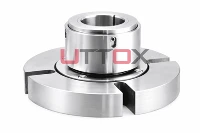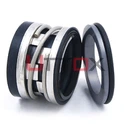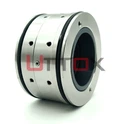


Choosing the right APV mechanical seal can significantly impact your food and beverage processing line's efficiency, safety, and cost-effectiveness. An APV mechanical seal serves as a critical barrier between the process fluid and the external environment in rotating equipment, particularly in hygienic applications where contamination risks are unacceptable. These precision-engineered sealing solutions must match your specific pump model, operational conditions, and regulatory requirements. Understanding material compatibility, pressure ratings, temperature limits, and sanitary design standards enables equipment managers to make informed decisions that reduce downtime, extend equipment life, and maintain food safety compliance.

Understanding APV Mechanical Seals and Their Key Features
APV mechanical seals are a special kind of sealing technology that was made to work in clean processing environments. These parts are different from regular industrial seals because they are made to handle the specific problems that come up in the production of food, drinks, dairy, and medicines.
What Makes APV Seals Different from Conventional Designs
The main difference is in how clean architecture works. Smooth surfaces on APV mechanical seals get rid of places where bacteria can grow, self-draining shapes keep fluids from building up, and materials can handle harsh cleaning methods. Unlike other seals that might have cracks or rough surfaces, APV mechanical seals keep the surface smooth below 0.8μm Ra, which is in line with 3-A Sanitary Standards and EHEDG guidelines. This way of thinking about design stops microbes from growing during production cycles and makes sure that everything can be cleaned completely during CIP (Clean-In-Place) operations.
These seals can also handle the temperature shock that comes with steam cleaning. Temperatures can rise quickly during SIP cycles, going from room temperature to 140°C in just minutes. In APV designs, the elastomers and seal face materials can handle this temperature stress without affecting the stability of the seal. This is not always the case with standard seals.
Common Types and Their Industrial Applications
Three kinds dominate the APV mechanical seal scene. Cartridge seals are pre-assembled. This simplifies installation and reduces the likelihood of a mistake, which helps service teams that operate with various pumps in different production locations. These seals work well for high-volume beverage lines that need to replace seals fast.
Spring systems maintain contact pressure between pusher-style seal faces as they break down. This design works well for milk, cream, and yoghurt processing in moderate-pressure and temperature dairy plants. Dynamic adjustment accounts for normal wear patterns, extending service intervals.
Split seals are useful for large shafts or when disassembling equipment is impossible. Split designs enable brewery agitators and mixers' seals to be replaced without removing the spinning assembly. This reduces maintenance time by 70% over standard approaches.
Material Selection: The Foundation of Seal Performance
Performance is limited by seal rings. Almost as hard as diamond, SiC is ideal for grain-based, fruit pulp, and chemical abrasives. At 3,500 RPM, centrifugal pumps, well-matched SiC-versus-SiC pairs endure. This substance resists acids and cleansers.
Tungsten carbide lasts. Since it breaks harder than SiC, pressure surges and cavitation events are less likely to cause catastrophic failure. With CO2 pressure variations, strong tungsten carbide helps beverage carbonation systems.
Cheap, low-stress carbons include antimony and resin carbon. These self-lubricating products use water or diluted solutions. Frictional heat and thermal efficiency are improved most by antimony carbon.
Choosing the correct elastomer is crucial. EPDM is heat-, steam-, and alkaline-resistant. Regular dairy and beverage cleaning helps. VITON (fluoroelastomer) withstands severe chemicals and high heat, making it ideal for medical solvents. Cheap NBR sealer may be applied chemically and lightly heated.
Elastics and seal faces make up the sealing mechanism. Mud decays quickly. Unsuitable process fluids swell VITON and seal less. Wear quickly with similar-hardness faces.
Core Criteria for Choosing the Right APV Mechanical Seal
To choose the right APV sanitary pump seal, you need to carefully compare the operational factors with the material's properties and the seal's design features.
Pressure and Temperature Operating Windows
Mechanically, pressure ratings limit seal designs. Balanced seals can adjust hydraulic closing forces to 25 bar, but unbalanced seals only work at 7 bar. Balanced APV mechanical seals prevent face separation and leakage during high-pressure homogenisation of dairy products.
Issues with temperature surpass top ratings. The seal is stressed by thermal cycling during CIP/SIP. EPDM elastomers' seals can withstand -30°C to +150°C, making them suitable for steam cleaning and freezer storage. VITON raises the maximum temperature to +200°C for pharmaceutical applications; however, it becomes less flexible at low temperatures.
Emergency shutdowns or fast restarts cause thermal shock. Seals must touch faces despite metal and ceramic part expansion. APV mechanical seals include flexible secondary sealing elements that change size while contacting the primary seal face.
Fluid Characteristics and Chemical Compatibility
Viscosity impacts seal cooling and lubrication. Poor lubrication increases seal face frictional heat in thin fluids like water or beer. Effective cleaning removes heat, and hard face materials like SiC or Tungsten Carbide reduce wear. Fruit concentrates and condensed milk lubricate but may include seal-damaging particles.
The chemical makeup determines material compatibility. Elastomers and metals may be damaged by pH 3–4 fruit juices. This needs chemically neutral seal faces and corrosion-resistant SS316 stainless steel housings. Alkaline CIP cleaning solutions (pH 12–13) may stress elastomers. Without swelling, they must withstand alkaline degradation.
Wear is increased by processing fluid abrasives. Solids in tomato paste, pulpy sauces, and grain slurries touch seals. Handling these goods demands the hardest face materials. Barrier fluid systems that protect seal faces from abrasion may help.
Food Safety Certifications and Regulatory Compliance
Following FDA 21 CFR 177.2600 rules ensures that elastomer materials are safe for use with food in the US market. EC 1935/2004 rules must be followed for operations in Europe. These standards make sure that seal materials don't leach dangerous chemicals into food or soak up flavors or smells that could make food from one batch of production contaminate food from another batch.
During food safety checks, being able to track down materials becomes very important. Suppliers must give Certificates of Conformity that show where each seal component came from and what it is made of. This paperwork shows that the rules were followed and lets you act quickly if quality problems happen. Procurement teams should make sure that APV mechanical seal sources keep track of batches and can give test reports on materials when asked.
Total Cost of Ownership Beyond Purchase Price
The purchasing price is merely a portion of the seal expenses. The overall cost includes installation labour, seal replacement downtime, and energy usage from inefficient sealing systems. A customised seal that costs 50% more but lasts twice as long is superior, considering how much output is lost during unexpected shutdowns.
Maintenance frequency influences labour expenses. Seal replacement every six months involves twice as much labour as once a year. Service intervals may be prolonged using durable materials and job-specific designs. This reduces production delays and direct maintenance expenses.
Continuous-operation facilities should consider energy efficiency. Seals that frictionally utilise electricity and need an additional cooling area. Well-designed APV mechanical seals maximise face loading and lubrication, decreasing parasitic power losses and ensuring dependable sealing.
Supplier Technical Support and Consultation
Seal selection typically takes more than technical expertise. Reliable vendors give technical help to ensure the seal's parameters fulfil application demands. This assistance is beneficial for fluids that don't behave properly, extreme operating circumstances, or persistent seal failures.
Technical selection tools help prevent costly mistakes. A knowledgeable supplier may recommend design adjustments that improve reliability under challenging conditions. They may recommend multiple seals or external cleansing devices. Through consultation, suppliers become knowledgeable partners rather than part sellers.
Certification verification extends beyond product documentation. Requesting third-party test results and certificates verifies that the items are as advertised. This protects you against bogus or low-quality items that might compromise food safety or equipment.
Installation, Maintenance, and Troubleshooting for APV Mechanical Seals
What determines whether APV mechanical seals last as long as they're supposed to is how well they were installed and how often they are serviced.
Step-by-Step Installation Best Practices
Seal handling requires preparation. To remove scale, corrosion, and buildup, scrub the pump shaft, seal chamber, and housing. Precision seal sides may be damaged by microscopic particles during installation or usage. Check shaft surfaces for wear, scoring, and pitting that might damage elastomeric components during installation.
Handle carefully to prevent hidden harm. When handling glossy surfaces with bare hands, skin oils may rust or hinder break-in. Pre-wet both seal faces. Cartridge-style seals ease this operation but must be handled cautiously due to their protective coverings.
Alignment affects seal life. Dynamic face loading increases wear and heat when shaft runout exceeds 0.05 mm. Before sealing, adjust shaft alignment and defects using dials. The appropriate housing bolt tension reduces gasket and O-ring warping and misalignment.
Assembly lubrication protects startup parts. To prevent sealing lips and O-rings from breaking during installation and to maintain them flowing smoothly until process fluid touches the seal faces, use a little lubricant. Lubrication should work with seal materials and process fluids to avoid leaks.
Routine Maintenance Strategies to Extend Seal Life
Regular inspections detect issues early. Leaks, sounds, and temperature fluctuations should be checked during manufacturing. Setting typical operating temperatures, vibration levels, and sound characteristics helps identify issues early.
Cleaning prevents seal damage. Chemicals and contact time are needed for CIP systems to reach all seal surfaces. If cleaning solutions can't reach specific locations, bacteria and products may damage the seal.
Improvement data comes from documentation. Installation dates, operation hours, and failure mechanisms may influence material and maintenance frequency. History is needed to compare seal designs and comprehend issues.
Common Failure Symptoms and Troubleshooting
The most evident failure signal is leaking. Leaking seal faces indicate ageing, faulty, or improperly loaded elastomers. Identifying serious leakage from normal seepage requires seal expertise.
Noise and vibration precede leaks. On-and-off contact from cavitation, shaft movement, and worn bearings damages seal faces. Seal faces heat up and lose material without lubrication, screaming, or chattering.
Contact or poor cooling causes warming. Seal housings that heat to the touch suggest face loading, material compatibility, or cooling system issues. Hot spots appear on thermal cameras at seal zones with excessive friction.
Supplier technical help speeds up maintenance-unfixable troubleshooting. Application engineers with experience can diagnose, correct, and improve designs to prevent problems.
Comparing APV Mechanical Seals with Other Leading Brands
Knowing how APV mechanical seal technology stacks up against other options on the market helps people make smart buying decisions.
Performance Benchmarking: Durability and Reliability
Even while they have lower pressure and temperature rates than industry leaders, APV designs stress cleanliness and simplicity of cleaning. APV hygienic mechanical seal engineering prioritises 3-A compliance, smooth surfaces, and harsh cleaning chemical resistance, whereas John Crane seals focus on high pressures for industrial use.
Specialisation benefits restaurants and bars. Sanitary design simplifies maintenance and meets hygiene standards. Traditional seals need hand-cleaning, whereas self-draining ones avoid product accumulation. Microorganism-resistant surface coatings minimise friction and wear, prolonging seal life in clean conditions.
When designing APVs, corrosion avoidance is key. Stainless steel parts, rust-proof seal face materials, and chemically inert elastomers keep working after frequent use of powerful cleaners, acidic sanitisers, and steam sterilisation. Despite lower maintenance costs, chemical attack-prone designs need more frequent replacement.
Cost-Effectiveness Analysis
Initial purchases of hygienic seals cost 30–40% more than equivalent items in other sectors. They need accurate machining due to their specific materials. This pricey investment pays off since service life is longer, pollution is reduced, and safety paperwork is simpler.
Maintenance ease considerably impacts total ownership costs. Cartridge designs cost more initially, but they install in minutes instead of hours, saving labour expenses for scheduled maintenance and emergency repairs. This fast serviceability makes the increased price worth it when manufacturing line downtime costs thousands per hour.
Easy part availability affects long-term pricing. Seals made of proprietary or uncommon materials make you reliant on a few suppliers and risk significant wait times for replacement components. Many APV mechanical seals employ standard elastomers and seal face materials. This enables them to be acquired from several sources, lowering supply costs.
Design Trade-Offs: Cartridge Versus Split Configurations
Cartridge seals make installation easier and make sure the assembly is done right, but they need to be replaced with full access to the shaft. This limitation is important for big mixers, agitators, or permanently installed equipment where taking out the shaft requires a lot of disassembly. In these situations, split seal designs, which can be installed around shafts without taking them apart, save a lot of work even tho they are harder to install.
Split designs add more sealing areas where the seal splits, which could lead to leaks if the assembly isn't done right. To get reliable performance from split designs, you need to get the right training and install them carefully. This worry is taken away by cartridge seals, which are put together in a controlled environment in the factory to make sure that all the parts are in the right place.
Procuring APV Mechanical Seals: What You Need to Know
To do good buying, you need to know how the market works, how prices change, and what your suppliers can do.
Identifying Authorized Distributors and Reliable Suppliers
OEMs maintain approved distributor networks that sell genuine parts and give factory support. Genuine products with warranties and technical support are available here. Checking the distributor's permission on the manufacturer's website or by calling the company avoids low-quality or incorrectly sized counterfeits.
Other suppliers selling compatible parts may save you 40–60% off OEM prices, but be careful. Quality suppliers observe strict production standards, provide material certifications, and provide formal expert assistance. ISO 9001 accreditation, material test results, and major food processing expertise demonstrate reliability.
Direct manufacturer relationships assist regular purchasers. APV mechanical seal system maker Uttox, founded 30 years ago, provides personalisation, technical support, and pricing that promotes long-term connections over one-time purchases.
Pricing Models and Bulk Purchase Strategies
The price lowers dramatically with more units bought. Small purchases need full price. Tiered pricing may reduce costs by 25–40% in an annual contract with volume. Combining geographic needs increases purchasing power and allows for different inventory methods.
Through consignment inventory deals, producers pay carrying costs and ensure component availability. Suppliers keep agreed-upon stock at user facilities and transfer parts as required. This technique saves money and keeps extra parts available for emergencies.
Beyond unit price, total-cost-of-ownership evaluations improve buying choices. Low-cost alternatives that fail more often cost more than durable ones. Life-cycle costs-product price, installation cost, run time, and energy use-show which choice is cheaper.
Lead Time Management and Inventory Planning
Suppliers can make regular seals in days but uncommon ones in two to four weeks. Knowledge of these dates lets you arrange repairs during slack production rather than shutting down when seals fail.
Costs and downtime are balanced by key parts inventories. Stocking extra seals for crucial equipment that stops production lines may prevent long power outages. Less important applications may depend on seller stock and prompt dispatch, waiting longer for delivery to save inventory.
Spare part management is easier with predictive maintenance. Monitor seal performance criteria, including temperature, vibration, and operating hours, to replace it before it fails, saving emergency expedite expenses and buying parts regularly.
Conclusion
Consider technical performance, food safety, operational reliability, and cost-effectiveness when choosing an APV mechanical seal. Knowing Silicon Carbide's hardness or EPDM's steam resistance helps match seal needs to applications. With appropriate installation, maintenance, and troubleshooting, seals last longer and save downtime. Comparing design options and collaborating with dependable suppliers may provide high-quality products, technical support, and low prices. Equipment managers deliberately buy seals and consider TCO to optimise food safety, maintenance, and production uptime.
FAQ
1. How Do I Verify Compatibility Between My APV Pump Model and Replacement Seals?
To check if your pump is compatible, you must first find its exact type and serial number, which can usually be found on its tag. This information can be compared to the seal manufacturer's specs to make sure that the shaft diameter, seal chamber depth, and fastening options are all the same size. By asking your seal provider for technical models, you can compare them to the specs for your pump. Reliable suppliers, such as Uttox, keep large lists of applications and can confirm compatibility based on pump type details. This takes the guesswork out of things and makes sure they fit right.
2. What Maintenance Practices Extend APV Mechanical Seal Longevity?
Regular inspections during production rounds find problems as they start to form before they become catastrophic. Check that all seal surfaces are reached by CIP/SIP systems with the right amount of chemicals and contact time, so that product buildup doesn't happen, which speeds up wear. Watch the working conditions (temperature, pressure, and vibration) for changes that could mean problems are starting to form. Instead of waiting for total failure, replace seals based on working hours or performance degradation. This way, maintenance can be done during planned downtime instead of having to be done quickly during production times. A well-maintained APV mechanical seal ensures long-term operational success.
3. Can I Purchase Seal Rings and Elastomers Separately for Partial Rebuilds?
A lot of companies make separate seal parts, so you can only rebuild part of it when certain parts are worn or broken. This method is cheaper than replacing the whole seal, especially for pricey Tungsten Carbide or SSIC seal rings that might last longer than flexible parts. To make sure the parts work well, check with your provider that the materials and sizes of the parts match the original requirements. Keeping track of seal setups and part numbers makes reordering easier and stops mistakes caused by incompatibility when buying in a hurry.
Get Expert Support for Your APV Mechanical Seal Requirements
With more than 30 years of experience, Uttox has been making high-quality APV mechanical seals for use in food, drinks, and medicines. Our technical team knows the unique problems that equipment managers face in clean processing areas, like making sure that FDA rules are followed and that strict CIP/SIP protocols are followed. We use high-quality materials to make APV mechanical seals, like SIC, SSIC, and Tungsten Carbide seal rings, as well as VITON, EPDM, and NBR elastomers, to make sure they work with your specific pump models and process conditions. As a dependable APV mechanical seal provider, we offer unique solutions, fast shipping from a large inventory, and full technical support. Get in touch with us at info@uttox.com or WhatsApp +86-13656834410 to talk about your needs and get low prices on high-quality seals that cut down on downtime and maintenance costs.
References
1. Summers-Smith, J. D., & Mechanical Seal Practice for Improved Performance (2nd ed.). Institution of Mechanical Engineers, 1999.
2. Flitney, R. K., Seals and Sealing Handbook (6th ed.). Elsevier, 2014.
3. Mayer, E., & Burgmann, A., Mechanical Seals for Pumps: Application Guidelines (3rd ed.). 2005.
4. Karassik, I. J., et al., Pump Handbook (4th ed.). McGraw-Hill Education, 2008.
5. 3-A Sanitary Standards, Inc., 3-A Sanitary Standards for Centrifugal and Positive Rotary Pumps, Number 02-10, 2018.
6. European Hygienic Engineering & Design Group, EHEDG Document 13: Hygienic Design of Equipment for Open Processing, 2018.