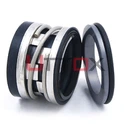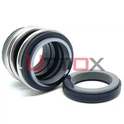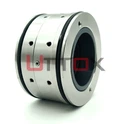


Reliable sealing performance stands as the foundation of efficient industrial processing operations. When we evaluate why timely seal replacement matters, the answer becomes clear: modern Alfa Laval mechanical seal components act as critical barriers preventing product contamination, maintaining sterile conditions, and protecting operational continuity. Whether your facility runs dairy processing lines, pharmaceutical manufacturing equipment, or beverage production systems, degraded seals introduce leakage risks, microbial contamination threats, and unplanned downtime that directly impact your bottom line.

Understanding Alfa Laval Mechanical Seals and Their Role in Processing Reliability
Engineering Excellence Behind Seal Performance
Mechanical seals are precisely engineered barriers that keep pumped media from coming into contact with the outside air in clean processing environments. The Alfa Laval mechanical seal uses advanced face geometry to make controlled contact between moving and still parts. It usually has faces made of silicon carbide or tungsten carbide and FDA-approved elastomers. This technical method solves the main problem that clean pump systems have to deal with: keeping everything inside while allowing the shaft to spin at speeds that are often higher than 3,000 RPM.
Modern seal designs use balanced shapes that lower the load on the face, which lowers the amount of heat generated by friction while the seal is in use. Keeping an eye on temperature is especially important in pharmacy settings where heat can break down chemicals that are sensitive to it. The front-loading design of LKH series suitable seals lets maintenance teams change them without taking the pump apart completely. This cuts the Mean Time To Repair by about 50% compared to traditional cartridge-style seals.
Material Selection for Sanitary Applications
For hygienic processing, materials must be able to withstand harsh cleaning methods without affecting the integrity of the seal. For replacement seals, UTTOX uses SS316L stainless steel parts along with EPDM or FKM elastomers that stay flexible at temperatures ranging from -20°C to 140°C. These choices of materials make sure that they can work with CIP systems that use cleaning agents with a pH of up to 13 and a pH of 2 or less.
A surface finish standard of Ra ≤0.4 micrometers keeps bacteria from sticking and makes validation easier during GMP checks. This very smooth finish gets rid of the tiny cracks where biofilm usually starts to form. This stops one of the main ways that food and drug manufacturing is contaminated. Silicon carbide seal faces are very resistant to wear in situations where they come into contact with abrasive slurries or solutions that crystallize. This means that they last longer between repairs than carbon graphite alternatives.
Pressure and Temperature Handling Capabilities
How well the seal works in changing working situations has a big impact on how reliable the processing is. During start-up processes, the pressure of centrifugal pumps used in the production of beverages can change from 2 to 10 bar. In pharmaceutical batch systems, the temperature changes from room temperature to 134°C for SIP disinfection. Compatible mechanical seals can handle these changes because they are spring-loaded and keep the best face contact pressure across all operating ranges.
The balanced seal design lowers the hydraulic closing forces, which lets the system work steadily at pressures of up to 16 bar without causing too much face wear. This feature is very important in ultra-filtration and high-pressure homogenization systems, where a broken seal could cause product loss and long production stops. Knowing these performance factors helps equipment managers choose seals that are right for the conditions of the process.
Common Challenges with Pump Seals and Why Replacement Matters
Recognizing Seal Failure Symptoms
Equipment workers often see leaks as the clearest sign that a seal is breaking down, but other warning signs often show up earlier in the failure process. Strange noises coming from the pump, higher readings of shaft shaking, and higher bearing temperatures are all signs that seal problems are starting to show. In places where dairy products are processed, workers may see foaming or air entrainment as signs that the seal face has separated. In pharmaceutical cleanrooms, regular checks may reveal particle contamination.
A chemical strike is a less obvious but just as bad way for things to break down. Media that is too rough or cleaning chemicals that don't work well with elastomers damage LKH mechanical seal components over time, leading to hardness, swelling, or stress cracking. These changes make the seal less effective long before it fails completely. Temperature changes outside of the recommended operating ranges speed up the aging process of elastomers. According to the Arrhenius relationship that governs polymer degradation, each 10°C rise outside of recommended operating ranges roughly halves the predicted seal life.
Cost Impact of Delayed Replacement
When processing plants put off replacing seals past the recommended service times, they have to pay a lot of money. When you add up the costs of labor, lost product value, and delayed batch completion, production downtime in the pharmaceutical industry can reach more than $50,000 per hour. When beverage production lines are interrupted, even for a short time, they have to follow strict cleaning procedures that take hours of work time.
In addition to the costs of downtime, failed seals pose a risk of contamination that could lead to product recalls. In the food business, there were several times when poor sealing let lubricants or outside contaminants into product streams, which led to hundreds of thousands of dollars worth of batch rejects. When sites have to show they've taken corrective steps to keep their running certifications, regulatory compliance issues make these costs even higher.
Damage to equipment has a bigger effect on the budget. When seals fail completely, fluid can leak out and damage motor windings, rust nearby equipment, and create safety risks that need immediate attention. When process fluids wash away lubricants and bring rough particles into bearing systems, they often lead to bearing failures. These secondary failures often cost many times more than the original cost of replacing the seal.
Proactive Maintenance Advantages
Facilities that use condition-based seal replacement strategies report an average 35% increase in reliability compared to those that use run-to-failure strategies. When parts are replaced on time during planned maintenance windows, there are no more emergencies, the cost of keeping extra parts in stock is lower because they are bought in bulk, and nearby pump parts can be inspected thoroughly. Total productive maintenance ideas that make equipment available as much as possible are in line with this methodical approach.
In regulated businesses, the need for paperwork makes careful seal management more likely. When facilities keep replacement records that are linked to seal serial numbers and material certifications, it's easy to answer audit questions. This tracking is especially helpful when looking into quality problems because it lets people quickly figure out if closing systems were a cause of the problems they saw.
Detailed Alfa Laval Pump Seal Replacement Process and Best Practices
Preparation and Safety Procedures
The right way to change a seal starts with isolating and cleaning the whole system. Process lines need to be drained all the way, paying special attention to areas of the pump casing that may still hold media. For pharmaceutical uses, cleaning methods must be proven to work before maintenance staff can access equipment. In food processing facilities, lockout-tagout procedures and sanitary rinses are usually used.
By getting the right tools together before starting to repair something, you can avoid delays and possible damage to the part. Some of the things that are usually needed are torque wrenches that are calibrated to the manufacturer's specs, plastic or brass seal removal tools that won't scratch sealing surfaces, clean wiping materials that don't have lint, and approved assembly lubricants that can be used with processed media. Having extra O-rings and seals on hand takes care of frequent secondary problems without having to stop work.
Step-by-Step Replacement Procedure
Getting to the mechanical seal assembly depends on how the pump is set up, but the steps are usually the same for LKH series-compatible seals. Once the bolts holding the pump head in place have been removed, carefully pull the assembly away while supporting the impeller to keep the shaft from touching the housing surfaces. Mark the rotational direction of parts as you take them apart to make sure they are properly aligned when you put them back together.
Check for damage to the seal seat that is placed in the pump body. Pay special attention to any scoring, rust pitting, or rubber extrusion. Even small flaws in these surfaces can make a new seal less effective, so the seat needs to be replaced or fixed up before new sealing parts can be installed. Using approved chemicals, clean all mating areas well, getting rid of any leftover product buildup or old gasket material.
To avoid hurting the rubber parts or contaminating the sealing faces while installing the new Alfa Laval seal replacement, care must be taken during handling. Before putting the parts together, put a thin layer of clean grease that doesn't contain silicone on the O-rings to make sure they fit properly in their grooves. Place the rotating seal element on the shaft and make sure that the drive lugs or pins fit properly with the impeller or shaft sleeve. Pay attention to the direction marks when putting the static seal parts into the pump housing.
Check the impeller gaps during reassembly according to the pump manufacturer's instructions. Axial forces can overload mechanical seals and cause them to fail early if the gaps are not set up correctly. Follow the steps and values given to tighten all the fasteners. Depending on the bolt sizes and materials, the torque should be between 25 and 75 Nm. When you overtighten, the housing faces get distorted, and leak paths form around the seals.

Post-Installation Verification
Before putting equipment back into service, make sure it was installed correctly by doing a series of checks. Turn the shaft by hand to make sure it turns smoothly and doesn't have any resistance or locking. When connecting cooling or flushing systems, make sure the flow paths are clear and the connections are tight. Make sure there are no air spots in the pump's case or pressure pipes before priming it all the way.
During the first few hours of operation, keep a close eye on how the seal acts during the initial start-up. A little weeping is normal during run-in as the seal faces polish to their final finish, but leaks that won't stop could mean that there were mistakes in the installation or that a part is broken. Temperature readings at seal areas should stay within normal ranges. If they get too hot, it means that the bearings are running dry or there are problems with the face contact.
Extending Seal Service Life
Maintenance techniques after the seal is installed have a big effect on how long it lasts. Thermal damage can be avoided during long periods of operation by making sure there is enough circulation of the cooling fluid. When you keep the shaft properly aligned, you get rid of the extra radial loads that speed up face wear and cause rubber fatigue. By checking secondary systems like flush circuits, cooling jackets, and barrier fluid tanks on a regular basis, problems can be found before they affect the seal's performance.
The best way to make seals last as long as possible is to keep pumps running within their design limits. When you run pumps against closed outlet valves, heat builds up without enough cold flow, which breaks down seals quickly. Cavitation, which happens when there isn't enough suction pressure, makes shock loads and vapor pockets that mess up seal lubrication films. Teaching workers to spot and avoid these situations saves sealing systems and makes equipment more reliable overall.
Comparing Performance: Why Quality Replacements Matter
Material Quality and Certification Standards
The performance of a hygiene seal depends on how well it follows the rules for its industry. The FDA CFR 21 Part 177 approval makes sure that elastomer formulations only use allowed ingredients that won't get into food or medicine. Compliance with EC 1935/2004 shows that products meet European food contact standards, which is important for businesses that sell to customers in other countries. UTTOX gives full material tracking records, which include test results for each batch that cover biocompatibility, physical properties, and extractables.
Long-term dependability is what sets real food-grade materials apart from industrial-grade alternatives. Genuine EPDM compounds made for sanitary uses stay flexible through thousands of CIP cycles, while fake versions might harden or crack after only a few cycles of cleaning chemicals. When silicon carbide seal faces are made to sanitary standards, they have a consistent grain structure and few holes, which stop fluids from getting in and causing sudden fracture failures.
Manufacturing Precision and Quality Control
Accuracy in measurements has a direct effect on how well a seal works in clean environments. For sealing faces, the tolerances for smoothness must be within 0.0005 millimeters across the whole circle, and the tolerances for parallelism must be just as tight. For these precise needs, you need special grinding and lapping tools along with strict inspection procedures. Coordinate measuring tools and optical profilometers are used by UTTOX to make sure that every batch of products meets the standards before they are shipped.
Consistency in the surface finish is also very important. Average roughness is measured by Ra values. Other factors, such as the highest peak height (Rz) and bearing ratio (Rmr), affect how seals behave. When faces are properly finished, they have a uniform micro-texture that helps keep fluid films stable and stops metal from touching metal during start-up. Professionally made seals are different from cheaper ones that might look the same at first glance but don't perform the same way over time because of this focus on surface engineering.
Cost-Effectiveness Analysis
When equipment managers look at their seal buying options, they usually only consider the initial purchase cost. However, the total cost of ownership gives them better information to help them make a decision. Genuine substitute seals from well-known brands like UTTOX usually cost 40 to 60 percent less than the original equipment parts, but they work just as well and are just as reliable. Over the usual 10- 15-year lifecycle of a building, these savings add up to a lot of money.
In addition to saving you money on the purchase price, good replacement seals also save you money in other ways by making your system more reliable. Facilities that keep track of maintenance metrics say that service intervals are 30–50% longer when precision-manufactured replacements are used instead of cheap alternatives that don't have the right certifications. When failure rates go down, production stops less often, emergency repair costs go down, and spare parts store needs go down. When you figure out the economic impact, these operational benefits often come out higher than the differences in prices at the start.
Procurement Insights for Equipment Managers
Sourcing Strategies and Supplier Evaluation
Setting up reliable seal supply routes takes a thorough evaluation of the suppliers. Procurement teams should check that makers have quality management systems that are certified to ISO 9001 standards. For pharmaceutical uses, it's best to have an extra ISO 13485 certification. Ask for sample material certifications and check that the paperwork is complete by comparing it to the rules that apply to your industry. Lead times affect how well you can plan your supplies and respond to emergencies. For standard configurations, domestic suppliers usually offer delivery in three to five days. International suppliers, on the other hand, may need two to four weeks, based on how the processes work out. Keeping a strategic inventory of fast-moving seal sizes balances the costs of carrying them against the risk of downtime. Many facilities aim for 30 to 60 days of coverage for their most important equipment. Professional seal providers are different from simple parts distributors because they offer technical help. Application engineering help from quality manufacturers helps customers choose the best seal configurations for their specific operating conditions. This knowledge comes in very handy when fixing seal problems that keep happening or when changing tools to work with new processes.
Inventory Management Approaches
Smart stocking plans know that different seal sizes don't need the same amount of stock. A Pareto analysis usually shows that 20% of seal types cause 80% of replacement needs. This means that you should focus your inventory investment on things that are used a lot. Sizes that move more slowly can be ordered on demand, especially if source lead times are still manageable compared to maintenance planning ranges. Buying all of your seals from the same sellers gives you more benefits than just volume price savings. Streamlining the ordering process cuts down on the costs of managing procurement, and getting quality from a single source eliminates variations in performance. Many businesses set up vendor-managed inventory systems, in which suppliers keep an eye on how much is being used and automatically restock, which further reduces the need for internal resources. UTTOX helps equipment managers by having buying systems that are flexible enough to handle both big production runs and short-term needs. When equipment documentation is missing or incomplete, our technical team helps identify seals by using pump model numbers or physical measurements to find the right replacement parts. This application support helps maintenance teams handle urgent issues quickly while also learning new things that will help them plan better for the future.
Conclusion
Keeping pump closing systems in good shape is very important for processing efficiency in the pharmaceutical, food, and beverage industries. If you know when and how to repair mechanical Alfa Laval mechanical seals, you can avoid expensive production stops, product contamination, and damage to other equipment. When you buy quality new parts that are made to strict hygiene standards, they work just as well as the original equipment and save you a lot of money over the lifecycle of the facility. By using preventative maintenance plans, choosing materials that are properly certified, and building relationships with informed providers, businesses can keep their operations reliable and in line with regulations in processing settings that are getting more difficult.
FAQ
1. How often should mechanical seals be replaced in food processing applications?
How often something needs to be replaced depends on how it is used, but in normal food preparation settings, repair intervals are usually between 6,000 and 12,000. If a building works with rough materials or is close to its temperature limits, it may need to be replaced more often. On the other hand, systems that are well taken care of and only see light use can sometimes last longer than 18,000 hours. By using vibration analysis and temperature trending for condition monitoring, you can find the best time to replace things while also keeping maintenance costs low.
2. Can replacement seals match original equipment performance in pharmaceutical manufacturing?
When the materials and measurements are the same as the original designs, quality replacement seals made to the same specifications work just as well. The FDA and EC test UTTOX seals the same way they test named options, and material certifications show that they are safe for pharmaceutical contact. Instead of just focusing on dimensional compatibility, the most important thing is to choose providers who understand the needs of hygienic applications and keep up with the right quality systems.
3. What causes premature seal failure in sanitary pump applications?
Some common reasons why things break down are dry running because they weren't primed properly, chemical attack from cleaning agents that aren't compatible, thermal cycling beyond the design limits, and too much vibration from being out of alignment. Running pumps with outlet valves closed or with not enough air pressure also speeds up the wear and tear on seals. Most early failures can be avoided by installing things correctly, choosing the right materials for the job, and keeping equipment in good working order.
Partner with Uttox for Reliable Seal Solutions
Join forces with Uttox for dependable seal solutions. Zhejiang Uttox Fluid Technology has been making mechanical seals for 30 years and can help your clean processing processes. Our engineering team specializes in making suitable replacements for LKH series pumps and other commonly used sanitary equipment. They do this by combining precise production with full material certifications. As a supplier of Alfa Laval mechanical seals with a lot of experience, we can offer FDA-compliant parts, fast delivery from a well-kept inventory, and helpful technical support that is tailored to your specific application needs. You can email our team at info@uttox.com to talk about how to buy seals, get material certifications, or set up test quantities for validation.
References
1. Summers-Smith, J.D., "Mechanical Seal Practice for Improved Performance," Institution of Mechanical Engineers, London, 1992.
2. Flitney, R.K., "Seals and Sealing Handbook," Butterworth-Heinemann, Oxford, 2014.
3. Khonsari, M.M. and Booser, E.R., "Applied Tribology: Bearing Design and Lubrication," John Wiley & Sons, 2017.
4. European Hygienic Engineering & Design Group, "Guidelines for Hygienic Equipment Design Criteria," EHEDG Document 08, Frankfurt, 2018.
5. Karassik, I.J., et al., "Pump Handbook," McGraw-Hill Education, New York, 2018.
6. Food and Drug Administration, "Guidance for Industry: Sterile Drug Products Produced by Aseptic Processing," Center for Drug Evaluation and Research, Rockville, 2004.