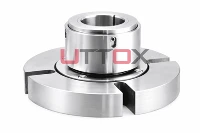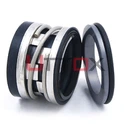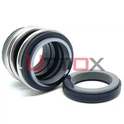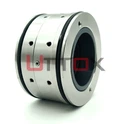


When using heavy-duty pumps, you need sealing options that are always reliable, last a long time, and don't break down in harsh situations. The type 2 mechanical seal has become the best option for industrial uses where breaking down equipment means losing money and putting people in danger. With its multi-spring structure, elastomer bellows design, and proven ability to last under extreme pressure and temperature changes, this sealing technology solves the most important problems that purchasing managers, maintenance teams, and plant engineers in the manufacturing, oil and gas, chemical processing, and power generation sectors face.

Understanding Type 2 Mechanical Seals: Design and Functionality
Core Design Principles
The type 2 mechanical seal is a step forward in sealing technology. It was made to survive the tough conditions of industrial pump systems. Unlike simple designs with only one spring, this one has several springs spread out evenly around the seal assembly. This balances the load and keeps the binding force constant during operation. This way of thinking about design makes sure that performance stays stable even if the pumps shake, the shafts get out of line, or the temperature rises during continuous job cycles.
Elastomer Bellows Construction
The elastomer bellows in a type 2 mechanical seal serves two jobs: maintaining flexibility for shaft movement and acting as a positive closing barrier. This design eliminates dynamic O-rings, which wear quickly in harsh conditions. The bellows maintains contact pressure between sealing faces without friction breakdown seen in other designs. Nitrile, EPDM, or fluoroelastomer are chosen for compatibility with flowing media and temperature ranges.
Material Combinations for Extreme Service
Face materials are carefully matched for optimal performance. Carbon graphite rotating faces excel at heat transfer and self-cooling. Fixed faces of ceramic, silicon carbide, or tungsten carbide provide wear resistance. These combinations work from -40°F to 400°F and up to 300 psi, handling corrosive chemicals, oils, slurries, and process fluids. Seal faces stay flat within helium light band limits, ensuring leak-stopping contact while reducing friction and heat.
Advantages of Type 2 Mechanical Seals for Heavy-Duty Pump Operations
Exceptional Resistance Profile
In industrial settings, mechanical seals are constantly attacked by chemicals, particles that wear them down, and changes in temperature. The type 2 mechanical seal works great in these situations because it is made of durable materials and has design features that keep it from breaking down. Chemical compatibility charts help choose the right elastomer and face material, which makes sure the seal can handle acids, caustics, solvents, and oils without getting swollen, cracked, or losing its mechanical qualities. The multiple spring design spreads corrosive contact across many parts instead of putting all the stress on one spring, which greatly increases the time between repair visits.
Extended Operational Lifespan
When properly installed, the average time between fails for type 2 mechanical seals is over 24 months of constant use, compared to only 6 to 12 months for less durable options. This durability comes from a number of good design choices. The even spread of load keeps individual parts from wearing out too quickly. The elastomer bellows can handle vibrations and shaft runout of up to 0.005 inches without affecting the seal face contact. The outside-mounted spring design keeps metal parts away from the pumped medium, which prevents rusting and allows for small installation sizes.
Maintenance Cost Reduction
Here are the core operational benefits realized through type 2 mechanical seal implementation:
1. Lower Inventory Requirements: Because standardized designs can work with a variety of pump types, you don't have to keep as much extra parts on hand. Teams in charge of buying things can combine orders and talk to reliable sellers about big discounts.
2. Simplified Installation Procedures: The small working height and easy assembly process cut the time needed for installation by 30 to 40 percent compared to other cartridge seal options. Maintenance workers don't need a lot of special training to change seals properly.
3. Predictable Wear Patterns: Elastomer bellows designs lose their performance over time, while dynamic O-ring seals can fail quickly. Monitoring tools find small leaks early, so repair can be planned instead of having to be done in an emergency.
4. Energy Efficiency Gains: The low-friction seal face contact lowers the power used by unwanted processes. Plants say that after installing type 2 mechanical seals, pump motor amperage draws go down by a measured amount. Within 18 to 24 months, the energy saves cover the cost of the seals.
These benefits all help with the problems that plant maintenance managers complain about the most, such as failures that are hard to predict, long periods of downtime, and rising maintenance costs. Because type 2 mechanical seal technology is reliable, it directly leads to higher working efficiency and lower total cost of ownership.
Comparing Type 2 Mechanical Seals with Other Seal Types for Procurement Decisions
Type 1 vs Type 2 Configuration Analysis
When procurement experts look at different sealing choices, they need to know the main differences between the different types of seals. Type 1 designs use a single coil spring that goes around the shaft and works well in light-duty situations with clean fluids and stable working conditions. The type 2 mechanical seal has many smaller springs placed around the seal's edge. This makes it work better when pressures and temperatures change and when working with fluids that contain solids in them. The multiple springs keep the closing force constant even if one spring fails, which is a safety feature that Type 1 systems don't have.
Installation Complexity Considerations
When you buy cartridge seal assemblies, the parts are already put together and set up, which makes fitting easier and lowers the chance of a worker making a mistake. But this ease of use comes at a big price-usually two to three times the price of options that use component type 2 mechanical seals. Teams that are trying to stick to a budget must weigh the savings on installation work against the big difference in the initial cost. Plants with skilled repair staff and well-established seal fitting methods get better value from choosing component seals. On the other hand, plants with a lot of technician turnover or not much mechanical knowledge may be able to justify paying more for cartridge seals.
Single vs Double Seal Configurations
Safety rules in chemical handling and fuel service often require double mechanical seals. The John Crane type 2 mechanical seal works in single or double setups (back-to-back or face-to-face). Double systems offer two-layer protection with a monitored barrier fluid circuit, containing dangerous or flammable substances. API 682 guidelines spell out double seal requirements, helping buyers select proper configurations for their services.
Procurement Guide for Type 2 Mechanical Seals: What Buyers Need to Know?
Supplier Selection Strategy
Finding qualified providers who can show they have the technical know-how, consistent quality, and reliable delivery performance is the first step to successful buying. OEM makers like John Crane set the standards for the industry, but skilled rival providers offer similar type 2 mechanical seal designs at prices that are competitive. As part of the evaluation process, you should look for ISO 9001 certification, proof that the dimensions can be swapped, material certifications, and references from similar uses. Distributors that work with more than one brand can be helpful, but they might not have the technical knowledge to help with unique projects that need engineering support.
Customization Capabilities
About 70% of industrial pump uses can be met by standard catalog seals, but more complicated jobs need unique solutions. As for the other 30%, they need to be changed to fit odd shaft sizes, non-standard seal chamber dimensions, extreme working conditions, or special fluids. If a supplier has their own engineering teams and a lot of manufacturing options, they can change the materials of the springs, the shapes of the seal faces, the elastomer compounds they use, or the mounting tools they use to meet specific needs. Lead times for special types of type 2 mechanical seals are usually 4 to 8 weeks longer than standard product supply.
Pricing Structure Understanding
The price of a type 2 mechanical seal depends on a number of things. The most important factor is the choice of material. For example, carbon-ceramic-nitrile options cost 40–60% less than luxury silicon carbide faces and fluoroelastomer components. Cost is directly related to seal size, since bigger widths need more material and more work to be done on them. Brand recognition affects prices, with well-known OEM names costing 25–35% more than functionally comparable options from specialized seal makers. When you make a volume pledge, you can get discounts on your prices that go from 10% off for yearly volumes over $50,000 to 20% off for volumes over $200,000.
Lead Time Management
When planning a supply system, it's important to be honest about wait times. Distributors who keep common sizes of type 2 mechanical seals in stock can ship them the same day or the next day for regular repair needs. Less popular versions ship between one and two weeks after the manufacturer receives them. Lead times of 4 to 8 weeks are needed for custom designed seals to allow for design review, material sourcing, manufacturing, and quality control. When you ship something internationally, you have to think about extra transportation time and customs clearance. Maintenance managers who are smart keep an inventory of key extra parts based on how important the equipment is and how often it has broken down in the past.
Installation, Maintenance, and Troubleshooting Best Practices
Installation Critical Checkpoints
"How well a type 2 seal replacement lasts depends directly on installation quality. Shaft finish must be 32 RMS maximum with runout below 0.002 inches. Seal chamber faces must be square within 0.005 inches. Workers must compress springs correctly per manufacturer instructions. Too much compression causes premature wear; too little allows leakage. Shaft covers protect surfaces but need proper installation.
Common Installation Errors to Avoid
Even workers with a lot of knowledge make mistakes that hurt the performance of seals. When you install seals that have dirty faces, you introduce sharp particles that scratch the sealing surfaces within hours of starting up. If you don't grease elastomer parts before installing them, the bellows or O-rings could tear or stretch too far to recover. When pipes are strained too much on pump cases, they put stress on the seal chambers, which makes them misalign and fail before they should. When you don't clear the seal chambers of any foreign matter before installing them, dirt gets in and damages the faces as soon as they are rotated. These expensive mistakes can be avoided by following thorough installation processes and keeping photographic records.
Proactive Maintenance Protocols
Type 2 mechanical seal life can be extended with regular check times that are based on the severity of the service. Monthly eye checks find small signs of leaks early on, before they get worse and cause major damage. Every three months, vibration analysis finds problems like worn bearings or an uneven rotor that can hurt seals. When the pump is taken apart once a year for routine maintenance, the state of the seals can be checked and replaced based on how worn they are, not on some random plan. Predictive maintenance programs check the discharge pressure, motor power, and temperature of the seal chamber to see if conditions are getting worse and need to be fixed before a major failure happens.
Troubleshooting Systematic Approach
Systematic analysis finds the root reasons of leaks when they happen. The first hint is where the leak is coming from; seepage at the seal faces means that the face materials are being worn down, shocked by heat, or attacked chemically. Leakage behind the seal means that the secondary seal has failed, the shaft sleeve has corroded, or the fitting was not done correctly. Metal bits show that the face is wearing down, elastomer pieces show that the bellows are breaking down, and crystallized layers show that the process fluid makeup has changed. By measuring shaft end play, you can find out how much bearing wear may be too much for the type 2 mechanical seal to handle. Thermal imaging can find areas that are too hot because of dry running or problems with the cooling system.
Conclusion
The type 2 mechanical seal has been shown to improve performance in ways that are important for heavy-duty pump uses in industrial, oil and gas, chemical processes, and power generation. Compared to other closing technologies, its multi-spring structure, elastomer bellows design, and strong material pairings make it more reliable, last longer, and cost less to maintain. It's helpful for procurement teams to know about design principles, comparing performance traits, and the best ways to choose suppliers in terms of value. The return on investment is maximized and unexpected downtime is kept to a minimum with proper installation and proactive maintenance procedures. As industrial operations raise the bar for safety and efficiency, the type 2 mechanical seal remains the best choice for important pumping situations where failure is not an option.
FAQ
1. What applications are best suited for type 2 mechanical seals?
When working with corrosive chemicals, fuels, process fluids, and slurries in medium- to heavy-duty centrifugal pumps, the type 2 mechanical seal does its best. This design is used for pumps in chemical processing, petroleum refining, making pulp and paper, making electricity, and treating water. The pumps can handle pressures of up to 300 psi and temperatures of -40°F to 400°F. The elastomer bellows design works especially well for services that have solids in the fluid that would clog up dynamic O-rings in other designs.
2. How does the type 2 mechanical seal compare to cartridge seal alternatives?
Cartridge seals are easy to install because they come pre-assembled and set, which cuts down on mistakes and installation time. The type 2 mechanical seal works just as well but costs 40–60% less, so it's better for places with skilled repair staff and well-known installation methods. When the right parts are used, the performance traits of both component and cartridge designs are similar in terms of stopping leaks, service life, and chemical compatibility.
3. What factors determine type 2 mechanical seal service life?
Service life relies on choosing the right material for chemical compatibility, installing it correctly according to the manufacturer's instructions, making sure there is enough lubrication and cooling, making sure the shaft and seal chamber are in good shape, and making sure the working parameters stay within the design limits. When systems are properly set up, they can usually run continuously for 24 to 36 months in demanding services.
Partner with a Trusted Type 2 Mechanical Seal Manufacturer
Uttox is an expert at making effective type 2 mechanical seal alternatives that are designed to meet the tough needs of heavy-duty industrial pump uses. Our designs for multi-spring elastomer bellows offer better performance, longer service life, and cost-effective options without lowering quality. With more than 30 years of experience in manufacturing, we know what problems procurement managers and repair engineers face, like the risk of parts breaking down, the instability of the supply chain, and the need to stick to a budget.
Our expert team provides free engineering help to make sure you choose the right seal and make it fit your needs. We keep a lot of stock on hand so that we can send quickly. This lowers your risk of downtime and keeps your business running smoothly. Email our team at info@uttox.com to talk about your sealing needs and get a thorough quote. As a seller of only type 2 mechanical seals, we're dedicated to giving your operations the dependability and efficiency they need.
References
1. Mechanical Seals for Pumps: Application Guidelines and Design Standards, Society of Tribologists and Lubrication Engineers, 2019.
2. API Standard 682: Pumps-Shaft Sealing Systems for Centrifugal and Rotary Pumps, American Petroleum Institute, Fourth Edition, 2014.
3. Industrial Sealing Technology: Performance and Reliability in Chemical Processing Environments, International Journal of Fluid Machinery and Systems, 2020.
4. Comparative Analysis of Mechanical Seal Configurations in Heavy-Duty Applications, Sealing Technology Journal, 2021.
5. Materials Selection for Mechanical Seals in Corrosive and Abrasive Services, ASME Technical Paper Series, 2018.
6. Maintenance Best Practices for Rotating Equipment Sealing Systems, Reliability Engineering Association, 2022.