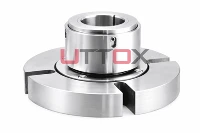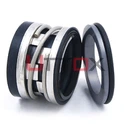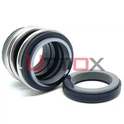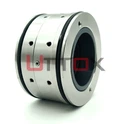


A Type 1 mechanical seal is an elastomer bellows seal featuring a single spring design, engineered to prevent fluid leakage in rotating equipment such as pumps, mixers, and compressors. This seal configuration uses spring-loaded sealing faces that maintain continuous contact, creating a dynamic barrier between the rotating shaft and stationary housing. The elastomer bellows provides flexibility and compensates for minor shaft misalignment, making it adaptable across diverse industrial conditions. Type 1 seals are valued for their straightforward construction, reliable performance, and cost-effective operation in applications ranging from water treatment facilities to chemical processing plants, where maintaining leak-free operations is essential for both safety and productivity.

Introduction to Type 1 Mechanical Seal
To understand the basic purpose of sealing technology, you must first understand how Type 1 mechanical seals work as important parts in keeping unwanted fluid from escaping from spinning machinery. These seals work by making a controlled interface where two exactly lapped faces stay in touch under spring pressure. One face rotates with the shaft, and the other face stays still inside the housing. The rubber bellows can handle both horizontal movement and thermal expansion, so the sealing works the same way even if the working conditions change.
Core Design Components
At the heart of every seal are three important parts that work together. The sealing lips, which are usually made of carbon or clay, are the main thing that stops leaks. The necessary closing force is provided by a single coil spring, which keeps the face in touch with the door during action. If you make the rubber bellows out of nitrile or EPDM, they offer both secondary closing and dynamic flexibility. This mix makes a closing solution that is strong and flexible, good for normal industry settings.
Common Industrial Applications
Type 1 mechanical seals are used a lot in many areas where effective isolation is important. In chemical processing plants, these seals deal with fluids that are acidic while still keeping the machinery running. These pumps are used in both clean and dirty water treatment plants and are very reliable. They are used in transfer pumps and other tools in oil and gas processes. They are used in cooling water systems and wastewater pumps at power plants. Their clean design for process equipment is important to the food and drink business. They are flexible because they have been shown to be able to adapt to different pressures, temperatures, and fluid properties while still being cost-effective.
Why Type 1 Seals Remain Industry Favorites?
These seals have been used for decades and have proven to be reliable workhorses in industrial settings. Their success comes from a number of useful benefits: they are easy to install, which cuts down on downtime during maintenance; replacement parts are easy to find, which makes inventory less complicated; and they have been shown to be compatible with original equipment maker specs, which makes procurement easier. Because they are both effective and affordable, they are especially appealing to facilities that are in charge of handling multiple pump setups. Maintenance teams like how easy it is to fix problems, and buying managers like how competitive their prices are and how reliable their supply is.
In-Depth Design & Material Characteristics of Type 1 Mechanical Seals
When you look more closely at the engineering behind these closing solutions, you can see how the choice of material and the shape of the structure directly affect the results. The UTTOX Type 1 mechanical seal is a great example of how careful planning can pay off for people who want reliable alternatives to expensive original equipment.
Seal Face Materials and Performance
How well equipment works in certain situations depends on the material choice for the seal sides. Carbon faces are good at conducting heat and working well with a wide range of fluids, so they can be used in a variety of situations. Ceramic faces are harder and less likely to wear down than other materials, so they last longer in rough settings. For tough chemical applications, silicon carbide sides are the best choice because they are both very hard and very resistant to corrosion. When engineers choose materials, they have to weigh the starting cost against the projected service life, taking into account things like the chemistry of the fluid, the operating temperature, and the pressure ranges.
Spring and Bellows Engineering
The single spring design keeps the seal's shutting force constant over its working life, keeping the right amount of face contact pressure without putting too much stress on it, which could speed up wear. Materials used to make springs, usually types of stainless steel, don't rust and keep their mechanical qualities even when the temperature changes. The rubber bellows does several things: it prevents leaks along the shaft as a secondary seal, allows the shaft to move axially, and transfers rotational force. The choice of bellows material is based on how well it works with different fluids and the highest and lowest temperatures it can handle. For example, nitrile rubber is good for oil-based products, while EPDM is better for water-based uses and hot water services.
Structural Advantages Over Alternative Designs
Type 1 mechanical seals have clear advantages when compared to cartridge or component designs. Type 1 mechanical seals let you change individual parts instead of cartridge seals that come pre-assembled as whole units. This lowers upkeep costs when only certain parts wear out. Their open design lets them be inspected without taking them all apart, which helps repair teams find problems before they become major problems. The elastomer bellows can handle more horizontal movement than metal bellows designs. In normal uses, it works better to compensate for shaft deflection and thermal expansion.
Comparing Type 1 Mechanical Seal with Alternative Solutions
Professionals in procurement and plant engineering often have to choose between different seal designs, each of which has its own benefits based on the needs of the application and the goals of the operation. Looking at Type 1 mechanical seals next to other options reveals specific trade-offs.
Structural Differences: Type 1 vs. Type 2 Seals
Type 2 seals have springs that are fixed on the outside. The spring stays on the airtight side of the seal faces, keeping it away from the process fluid. This design works well for situations where fluids could rust or crystallize on spring coils. Type 1 mechanical seals put the spring in touch with the process, which works well with clean fluids and makes the shape of the seal easier. Because they are balanced, Type 2 configurations can often handle higher pressures. Type 1 mechanical seals, on the other hand, work best in low-cost situations with reasonable working conditions.
Cartridge Seal Comparison
Cartridge seals are pre-assembled units that simplify installation and reduce errors, but their higher cost and full replacement requirement raise maintenance expenses. Type 1 mechanical seals need more precise installation yet allow component-level replacement, making them cost-effective for facilities with skilled teams and many identical pumps. Companies seeking quick replacements choose cartridge designs; those prioritizing long-term cost savings select component seals.
Performance in Real-World Applications
Field data from chemical plants shows Type 1 seals handle weak acids, alkalis, and organic solvents up to 250°F and 150 PSI. A Texas petroleum plant reported MTBF exceeding 18 months in cooling water service. California water treatment plants found 98% of centrifugal pump seals performed as expected after switching to quality aftermarket options. Proper material selection and installation deliver OEM-equivalent performance at significantly lower cost.
Installation, Maintenance & Troubleshooting of Type 1 Mechanical Seals
Correct installation is the first step to good seal performance. Systematic maintenance practices that stretch service life and stop unexpected breakdowns are the next step. Type 1 mechanical seals: how to install, maintain, and fix problems requires a methodical approach.
Installation Best Practices
Before installing a type 1 seal equivalent, thoroughly clean the seal chamber to remove residue or rust. Shaft runout must stay within 0.002 inches TIR. Assembly order (shaft sleeve, seal components, gland plate) prevents damage. Setting dimensions must match manufacturer specs. Use proper tools, especially sleeve installation devices, to protect rubber. Lubricate dynamic elastomers with compatible fluids to prevent dry start damage.
Routine Maintenance Strategies
Regular inspection plans find problems before they become severe. Visual checks should look for leakage around the seal gland, strange vibrations, or excessive heat. Bearing temperature monitoring indirectly indicates seal condition. Maintaining flush or quench systems keeps seal faces cool and lubricated. Document seal performance data including installation dates, failure modes, and operating conditions to build institutional knowledge. Replace seals during planned maintenance windows to avoid emergency failures.
Common Troubleshooting Scenarios
Face damage typically results from dry running, abrasive particles, or excessive vibration. Verify flush system operation, filter condition, and pump alignment. Excessive shaft movement beyond allowable range indicates worn bearings or improper installation. Measure radial runout and shaft end play before seal replacement. Secondary seal leakage along the shaft suggests improper fitting, incompatible elastomers, or poor surface finish. Check elastomer swelling or hardening to identify chemical compatibility issues requiring better materials.
Purchasing and Supplier Insights for Type 1 Mechanical Seals
When making strategic sourcing choices, procurement workers have to look at more than just prices. They have to balance short-term cost concerns with long-term performance needs and the reliability of the supply chain. Type 1 mechanical seals: Buying and Supplier Insights involve assessing multiple facets of the vendor.
Evaluating Supplier Capabilities
Reputable mechanical seal makers like John Crane type 1 seal producers offer technical support, customization, and quality documentation. UTTOX provides a lower-cost alternative to John Crane type 1 seal with equivalent performance through careful material selection. With 30 years of experience since 1990, UTTOX delivers reliable sealing solutions across industrial applications, balancing performance needs and budget constraints for customers worldwide.
Pricing Factors and Lead Time Considerations
Material choice significantly affects seal price: silicon carbide faces cost much more than carbon options, and specialty elastomers exceed standard nitrile compounds. Customization requires engineering and tooling investments, raising unit costs especially for small orders. Volume discounts apply-negotiate annual needs for better pricing. Standard setups ship within days from stock; custom designs need 2–6 weeks manufacturing. Maintain relationships with suppliers stocking popular sizes to reduce emergency purchase costs.
Comparative Supplier Analysis
Knowing the strengths of each provider makes it easier to match their skills to specific buying needs. Original equipment makers (OEMs) like John Crane give a wide range of products and full technical support, but they usually charge more. Aftermarket experts work hard to offer similar products at reasonable prices while keeping the standard at a good level. Regional wholesalers offer local stock and quick service, but they might not have the technical know-how for more complicated jobs. For the best value, work directly with manufacturers, preferably well-known ones with a lot of experience. This is because they can offer low prices, good technical skills, and a steady supply. Long-term results are better when sellers are judged on consistent quality of products, on-time delivery, and helpful customer service, not just on price at first.
Making Informed Procurement Decisions
To successfully get seals, you have to balance a lot of different objectives. Quality control through set testing procedures and material certifications makes sure that return orders get the same level of service. When seals need to be replaced, production doesn't have to wait because there are enough parts in stock. Having access to technical support helps with application questions and fixing problems. Competitive price helps you stick to your budget without losing dependability. Customization options let you meet specific needs for tools that normal catalog things can't. Companies should only work with sellers who show they are strong in these areas. This will help the companies form partnerships that go beyond just buying things and include working together to solve problems.
Conclusion
In conclusion, Type 1 mechanical seals are still used in factories around the world to keep spinning equipment safe in a variety of situations. They are stable and don't cost a lot of money. Their tried-and-true design is both simple and effective, and when described and fitted correctly, they work without leaks. Engineers and procurement workers can make decisions that save money on both the original investment and the costs of running the business in the long run by knowing about design features, material choices, and performance capabilities. There are good alternatives to expensive original equipment that can help organizations that are watching their budgets. These replacements can keep up performance standards while lowering purchase costs. To make sure that equipment is reliable and the total cost of ownership is low throughout its working lifetime, successful seal programs balance things like the quality of the materials, how they are installed, how often they are serviced, and how well they work with their suppliers.
FAQ
1. What are the primary advantages of using Type 1 mechanical seals?
There are many great things about Type 1 mechanical seals: their simple design lowers the initial cost and makes managing inventory easier; the component design lets you replace just one part instead of the whole seal; the elastomer bellows can handle shaft movement and minor misalignment; and they are widely available, so you can get a replacement quickly when you need to. Because they have been shown to be reliable in a wide range of workplace settings, they can be used in normal situations without having to switch to more expensive options.
2. Can Type 1 seals interchange with other seal types?
Direct interchangeability depends on certain mounting arrangements and size requirements. Many Type 1 mechanical seals can be used instead of the original equipment seals if the shaft diameter, seal chamber measurements, and working conditions are all the same. But changing from one completely different design to another, like from cartridge seals to component seals, needs equipment changes. Before buying new seals, it's important to look at dimensional models and application specs to make sure they will fit and work properly.
3. What materials work best for corrosive environments?
The choice of material for seal faces and elastomers is based on how resistant they need to be to chemicals. Silicon carbide sides are very good at resisting erosion in a wide range of chemicals. When it comes to elastomers, Viton works well with acids and fuels, while EPDH is better for caustic solutions and steam. When used in conditions that don't go beyond their mechanical limits, PTFE parts are chemically inert to all substances. It is important to make sure that the right material is used for each process fluid by looking at chemical compatibility charts and talking to seal makers.
Partner with Uttox for Your Type 1 Mechanical Seal Requirements
With 30 years of experience making things and a dedication to customer satisfaction, Uttox offers reliable closing options for tough industrial uses. As a manufacturer of Type 1 mechanical seals with a lot of experience, we can offer cheaper options to high-end original tools that don't sacrifice performance or dependability. Chemical handling and water treatment are just two of the businesses that use our Type 1 mechanical seal. It gives your processes the durability and consistency they need.
We keep a large stock of standard setups that can be shipped right away, so your downtime during important fixes is kept to a minimum. We offer free application support from our expert team to help you choose the best materials and setups for your unique working conditions. We offer low prices, quick service, and quality guarantee, whether you need a single new seal or a large volume supply deal.
Get in touch with our experts at info@uttox.com to talk about your mechanical seal needs, get detailed datasheets, or set up a sample review. Find out how working with a trustworthy Type 1 mechanical seal provider can lower your costs while still meeting the performance standards your business needs.
References
1. Mechanical Seals: Design and Application, Second Edition. Engineering Publishing House, 2018.
2. Industrial Pump Technology: Selection, Installation and Maintenance Guidelines. Technical Press International, 2019.
3. "Elastomer Material Selection for Mechanical Seal Applications." Journal of Industrial Sealing Technology, Volume 34, Issue 2, 2020.
4. Rotating Equipment Maintenance: Best Practices for Process Industries. Industrial Maintenance Publishers, 2021.
5. "Comparative Analysis of Mechanical Seal Configurations in Centrifugal Pump Applications." International Conference on Fluid Sealing Technology Proceedings, 2019.
6. Process Plant Reliability: Mechanical Seal Selection and Performance Optimization. Reliability Engineering Press, 2022.