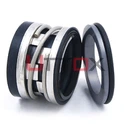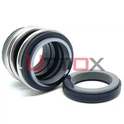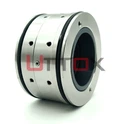


To choose the right pump seal, you must first know exactly what your working needs are. The mechanical seal for wilo emu pump must be able to resist harsh conditions like abrasive solids, corrosive chemicals, and high hydrostatic pressure when it comes to submersible wastewater uses, especially for Wilo EMU series equipment. As part of the choosing process, the fluid properties, pressure ranges, temperature differences, and shaft measurements must all be taken into account. Being able to work with the way current equipment is set up makes integration smooth and reduces the number of problems that come up during installation. UTTOX has reliable replacement seals that are made to match the original specs. They also have cost-effective options that keep systems working properly in sewer treatment, drainage, and industrial fluid handling settings.
Introduction
Mechanical seals prevent severe pump failure in industrial settings. Procurement managers and plant engineers face unplanned downtime, rising maintenance costs, and difficulty finding reliable replacement parts. Submersible pumps in sewage applications worsen these problems. A broken seal can flood motor rooms, cause emergency shutdowns, and endanger workers. Wastewater treatment plants lose up to $1,000 per hour in downtime. This guide covers technical basics, selection factors, and procurement methods.
Understanding Mechanical Seals in Wilo EMU Pumps
The Critical Role of Sealing Systems in Submersible Applications
When submersible pumps work, they are put under different pressures than regular spinning equipment. The seal piece is a very important barrier that keeps pumped media-which usually has grit, fibrous materials, and chemicals that eat away at metal-from getting into the motor case. In Wilo EMU designs, the mechanical seal for wilo emu pump usually uses a double seal arrangement with an oil chamber in the middle. This gives the pump extra protection against water getting in.
The mechanism works with two perfectly lapped faces, one that turns with the shaft and one that stays still inside the case. A spring force keeps them in touch. This contact makes a seal gap that is measured in microns and is very small. When the seal works right, there is only a molecular film between these faces. This film stops the bulk flow of liquids but lets heat escape. Secondary closing parts, such as O-rings and gaskets, keep pressure in certain areas.

Recognizing Seal Degradation and Failure Patterns
Moisture monitoring probes inside the oil chamber detect seal breakdown early. Insulation resistance loss often precedes visible leakage, allowing planned repairs. Common failure modes include thermal cracking, abrasive wear from solids, and chemical attack. Installation mistakes like misaligned shafts or contamination cause many early failures. Understanding these patterns helps procurement teams select seals with appropriate design features and materials for specific operating conditions.
Seal Configurations and Material Engineering
Submersible pumps typically use double mechanical seals with outboard and inboard units separated by buffer fluid. Cartridge designs reduce assembly errors compared to component seals. Silicon carbide faces offer hardness and chemical resistance for abrasive slurries. Tungsten carbide provides better impact strength when pumps encounter solid objects. FKM suits chemical protection while EPDM works for hot water service. Materials must survive prolonged submersion while maintaining properties.
Key Criteria for Selecting Mechanical Seals for Wilo EMU Pumps
Matching Seal Specifications to Operating Conditions
Document actual operating conditions instead of relying on nameplate ratings. Fluid temperature affects elastomer compatibility and face lubrication. Pressure ratings must account for spikes during startup and shutdown. Suspended solids, particle size distribution, and viscosity affect wear rates. Chemical composition determines material compatibility. Wastewater treatment additives can damage certain elastomers. Extreme pH levels accelerate metal corrosion. Annual influent chemistry changes may cause sudden seal failures.
Dimensional Compatibility and Interchangeability Considerations
New seals must match shaft diameter, seal chamber depth, and mounting design of existing pump housings. EMU series pumps share basic dimensions but model codes vary by production year. Procurement managers should verify specific model names like FA 10.33 or TR series. UTTOX mechanical seals for Wilo EMU pumps are designed for drop-in compatibility, eliminating machining modifications. Maintenance teams prefer solutions that install directly without special tools or extended downtime.
Evaluating OEM versus Aftermarket Alternatives
OEM seals for EMU pump mechanical seal applications guarantee compatibility but carry premium pricing that strains budgets for large pump fleets. Aftermarket quality for EMU pump mechanical seal units ranges from poor early-failure products to engineered replacements matching OEM performance. Reliable aftermarket suppliers reverse-engineer designs using same or better materials. UTTOX EMU pump mechanical seal solutions match original part performance while reducing repair costs. Evaluate supplier credentials including manufacturing experience, quality control, material certifications, and customer references from similar EMU pump mechanical seal applications.
Maintenance and Troubleshooting of Mechanical Seals in Wilo EMU Pumps
Implementing Proactive Inspection Protocols
Regular inspections prevent unexpected failures. Monthly checks should include oil chamber condition; cloudy buffer fluid indicates seal degradation. Megohm meter testing detects moisture before motor damage occurs. Vibration analysis identifies worn bearings and misaligned shafts. During planned overhauls, inspect for external damage, spring corrosion, and elastomer degradation. Follow manufacturer torque specifications and assembly steps to reduce human error leading to early failure. Document all findings for trend analysis.
Systematic Troubleshooting Approaches
Instead of simply replacing failed parts, systematic analysis finds root causes. Immediate post-installation leakage suggests backward installation, broken faces, or missing secondary seals. Gradual leakage after months of service indicates wear from chemical or abrasive attack. Sudden failure with overheated motor typically signals cooling problems or bearing seizure. One plant experienced six-month seal failures due to annual industrial discharges raising fluid temperature. Solution was scheduling replacements before high-temperature periods.
Factors Influencing Seal Service Life and Cost Implications
Conditions of use have a big effect on how long a seal lasts. Wear builds up faster in continuous duty applications that run 24 hours a day, seven days a week than in irregular duty applications. However, heat cycling in start-stop duty creates different stress patterns. For clean water uses, it may be 3–5 years before it needs to be replaced, but for gritty slurries, it might need to be done once a year. Instead of just looking at the price of the component, cost analysis needs to look at all of the costs that come with owning it, such as installation work, lost time, and secondary damage from failed seals.
UTTOX's mechanical seal for wilo emu pump solutions is made to last and can be used continuously underwater. They also keep a steady supply of these seals in stock, so they can be delivered quickly and system downtime is kept to a minimum. This mix meets both the technical performance needs and the practical difficulties that repair managers face when they have to coordinate replacements at several places.
Comparing Mechanical Seal Solutions for Wilo EMU Pumps
Performance Advantages Over Traditional Packing
Mechanical seals have largely replaced compression packing due to superior performance. Packing requires constant leakage for lubrication and cooling, wasting fluid and creating housekeeping problems. Environmental regulations restrict visible leakage from pumps handling hazardous materials. Mechanical seals eliminate routine leakage and reduce friction losses for better energy efficiency. Maintenance requirements differ significantly: packing needs frequent adjustment while correctly specified mechanical seals operate for extended periods without attention.
Material Selection: Silicon Carbide versus Tungsten Carbide
Silicon carbide faces offer extreme hardness, corrosion resistance, and thermal conductivity for demanding applications. The material maintains dimensional stability across wide temperature ranges and resists acids, alkalis, and organic fluids. In abrasive sewage slurries, silicon carbide significantly outlasts softer materials. Tungsten carbide excels when impact from solid objects is a greater threat than gradual wear. Chemical plants processing fluids with entrained solids often select tungsten carbide designs. UTTOX offers both materials based on operating conditions.
Supplier Reliability and Procurement Value
Price alone insufficiently guides Wilo EMU seal replacement purchasing decisions. Low-cost seals that fail prematurely drive higher total costs from repeat purchases, installation labor, and production interruptions. Supplier reliability for Wilo EMU seal replacement encompasses consistent product quality, responsive technical support, adequate stock for fast shipping, and warranty terms. UTTOX brings 30 years of manufacturing experience across multiple industries. Competitive pricing, reliable stock availability, and prompt expert support deliver procurement value beyond individual Wilo EMU seal replacement cost.
Procurement Strategies for Mechanical Seals for Wilo EMU Pumps
Identifying Reliable Supply Channels
Procurement teams balance multiple supply routes for optimal pricing, lead times, and technical support. Direct manufacturer relationships provide application engineering guidance and customization. Authorized distributors offer product breadth and local stock for emergency shipments. Online purchasing platforms simplify price comparison but lack application expertise. Industrial distributors specializing in wastewater treatment understand submersible pump sealing requirements. Verify credentials including customer references from similar applications, material certifications, and after-sales support capability.
Criteria for Supplier Evaluation and Qualification
Supplier qualification extends beyond product quality to service capabilities supporting long-term relationships. Technical support responsiveness matters when application questions arise. Installation instructions help maintenance teams avoid assembly errors. Training materials improve inspection and preventive maintenance skills. Inventory management capability affects supply chain reliability. Suppliers with adequate stock fill orders without extended lead times. UTTOX maintains finished goods stock for quick delivery, with responsive technical support and after-sales service.
Negotiation Strategies and Partnership Development
When you negotiate for a purchase, you should try to maximize the total value instead of just lowering the unit price. When you commit to a certain amount of work at various places or sign a longer-term contract, you can often get lower prices and make sure that you get supplies first when there are shortages. By giving the duty of holding stock to suppliers, consignment inventory deals lower the amount of operating capital that is needed. At the same time, the stock stays on-site for quick needs.
Partnerships are good for both parties. Sharing operational performance data helps buyers get better goods and gives sellers access to engineering tools that can help them make their applications work better. It is better to use collaborative failure analysis to find the root causes of problems and come up with ways to fix them than to have heated guarantee arguments. Long-term contracts make things stable for everyone involved. Buyers get a solid supply at a price they can budget for, and sellers can see how much money they're making, which helps them plan their capacity.
Building ties with qualified mechanical seal for wilo emu pump manufacturers creates strategic benefits beyond transactional buying when getting the mechanical seal for the pump. These partnerships give members better access to professional advice, faster service when supplies are low, and the chance to work together to solve problems, which over time makes operations more reliable.
Conclusion
To choose the right pump sealing systems, you have to weigh technical requirements against practical issues and financial limits. This article gives procurement professionals, maintenance managers, and reliability engineers the tools they need to make smart choices about the mechanical seal for wilo emu pump uses and other similar underwater equipment. When choosing a seal, it's important to think about how well the materials work together, how accurate the measurements are, how reliable the provider is, and the total cost of ownership.
UTTOX mechanical seals are useful, well-thought-out options made to work with Wilo EMU pump sealing systems in wastewater treatment, drainage systems, and industrial wastewater situations. This product meets the main needs of B2B users by performing similarly to original equipment, being reasonably priced, being easy to replace, and having quick customer service. When you work with experienced makers, you get solid performance and supply chain stability, whether you're buying seals for new equipment or replacing ones that are already in place.
FAQ
1. How do I determine when seal replacement becomes necessary?
Several signals show that it's time to repair the mechanical seals. The first sign of trouble is moisture finding in the oil chamber; probes let workers know before the motor gets seriously contaminated. When regular testing shows that insulation resistance is going down, it means that wetness is getting in and needs to be looked into. Leaks that can be seen, strange vibrations, or temperature rises while the system is running are all signs that the seal is failing. We suggest that you schedule replacement when you notice early danger signs instead of waiting until the whole thing breaks down. This is because proactive replacement during planned maintenance windows costs a lot less than emergency fixes.
2. Can aftermarket seals provide reliable alternatives to OEM components?
When compared to OEM parts, quality replacement seals made by experienced makers work just as well and cost less. The most important thing is choosing the right provider. Manufacturers with decades of experience, strong quality control, and track records in similar uses give trust. In wastewater and submersible pump uses, UTTOX mechanical seals work just as well as the original Wilo seals, and they help businesses cut down on upkeep and replacement costs. When looking at aftermarket options, material approvals, measurements that are confirmed to be accurate, and customer examples from businesses like yours can give you peace of mind.
3. What materials work best with gritty fluids?
When working with abrasive slurries like those found in garbage and sewage, silicon carbide edges work better. The material is very hard, so it doesn't wear down easily when things are held in it. It also stays perfectly flat, which is important for sealing. When impact resistance is more important than slow wear resistance, tungsten carbide is a good choice. The choice of elastomer depends on how well it works with different chemicals. For example, FKM works well in acidic settings, while EPDM works well in hot water situations. UTTOX's mechanical seal for wilo emu pump configurations is made of materials that were especially designed to work in harsh settings with sewage, garbage, and contaminated fluids. This makes sure that the seal will last even when it is covered in water all the time.
Partner with UTTOX for Reliable Mechanical Seal Solutions
Finding good sealing parts from skilled mechanical seal for wilo emu pump providers is the first step to making the pump more reliable. Every seal that Zhejiang Uttox Fluid Technology makes is based on more than 30 years of experience in the production industry. We serve customers in more than 50 countries with solutions that are designed for tough industrial uses. Our technical team offers free engineering help to help you choose the best seal configuration for your needs, whether you're an OEM maker that needs to make changes or a repair operation that needs to find reliable replacements.
When it comes to interchangeability, longevity, and cost-effectiveness, procurement managers look for UTTOX mechanical seals for Wilo EMU pumps. We keep a lot of stock on hand so that we can deliver quickly and keep the system running as much as possible during planned and emergency work. Our dedication to quality, shown by thorough testing conducted in-house and by a third party, guarantees that every seal we ship will work the same way every time. Email our team at info@uttox.com to talk about your application needs, get full technical specifications, or get reasonable quotes for both testing samples and buying in bulk. Find out why companies all over the world trust Uttox to provide mechanical closing solutions that keep expensive equipment safe while lowering upkeep costs.
References
1. Summers, M.P. (2018). Mechanical Seal Practice for Improved Performance. Institution of Mechanical Engineers, London.
2. Flitney, R.K. (2014). Seals and Sealing Handbook, Sixth Edition. Elsevier Science & Technology, Oxford.
3. Lebeck, A.O. (2021). Principles and Design of Mechanical Face Seals. Wiley-Interscience Technical Publications.
4. Basu, P. & Henshaw, T.L. (2017). Pump Mechanical Seal Failure Analysis and Prevention. American Society of Mechanical Engineers Press.
5. Karassik, I.J., Messina, J.P., Cooper, P. & Heald, C.C. (2019). Pump Handbook: Fourth Edition. McGraw-Hill Professional Engineering.
6. Neale, M.J. & Associates (2016). Component Failures, Maintenance, and Repair in Industrial Fluid Systems. Professional Engineering Publishing, Suffolk.