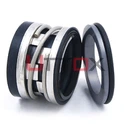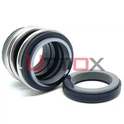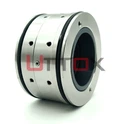


There are many rotating shaft seals that can be used in water pumps, but the 58u mechanical seal is one of the most reliable and cost-effective options. Built to meet DIN24960 and EN12756 standards, this uneven multi-spring seal keeps leaks from happening in a wide range of industrial settings. The 58u mechanical seal from Uttox is a reliable option to designs made by the original equipment maker. It can be used with a variety of components and keeps the system stable. Its O-ring pusher structure evenly distributes the sealing force, making it perfect for medium-pressure uses where equipment leaks and frequent breaks can have a big effect on budgets for upkeep and production.
Understanding the 58U Mechanical Seal: Design, Function, and Features
In the real world, how well rotating shaft seals work depends on how they are built. The choices made during planning affect how reliable something is and how long it lasts.
Core Design Elements and Working Principle
The 58U mechanical seal uses exact face-to-face contact between rotating and stationary parts to stop fluid leakage. Small springs arranged circumferentially apply consistent closing force, compensating for shaft run-out and vibration. This multi-spring design keeps seal faces aligned during pump operation changes. The O-ring pusher allows axial movement while maintaining sealing power. A thin fluid film lubricates the seal faces while springs control contact pressure, balancing mechanical force with hydraulic effects for reduced wear.
Material Selection and Temperature Tolerances
Carbon and ceramic faces work well with clean water and light industrial fluids. Carbon provides lubrication; ceramic resists wear. Silicon carbide suits abrasive or chemically aggressive media but costs more. Nitrile (NBR) works from -20°C to +100°C for water applications. Fluoroelastomer (FKM/Viton) handles up to +200°C with better chemical resistance. EPDM suits hot water and steam systems. The 58U's standard housing measurements allow material selection without redesigning seal chambers.
Pressure and Speed Capabilities
The 58U mechanical seal operates best at pressures up to 1.2 MPa (174 psi), matching most industrial centrifugal water pumps. The unbalanced configuration increases face loading at lower pressures while keeping production costs low. Rotational speed reaches 20 meters per second, working with normal and high-speed pump setups. Multi-springs maintain even face contact across this speed range, preventing uneven wear patterns. These specifications suit applications from large transfer pumps to small high-head boosters.
Comparing the 58U Mechanical Seal to Other Seal Types
Before making a purchase choice, it's important to know how the different sealing methods solve different operating problems. This research helps engineers and people in charge of buying things make smart choices.
Single Spring Versus Multi-Spring Configurations
Traditional single-spring seals put all of the closing force into one big coil spring. If the spring axis isn't perfectly lined up with the shaft plane, this can lead to an uneven spread of pressure. The 58u mechanical seal spreads force around the seal's diameter using several small springs. This makes sure that the face is always loaded, even if there are small problems with the fitting or the shaft bends while it's working.
This change in design is important when the shaft is vibrating or moving axially. Multi-spring seals keep the seal tight, while single-spring units might have a brief face separation that lets fluid exit. According to maintenance data from chemical processing plants, multi-spring configurations like the 58u mechanical seal usually last 30 to 40 percent longer between failures than single-spring types that are used in the same situations.

Cartridge Seals and Installation Considerations
Cartridge seals come pre-assembled, simplifying installation and reducing errors. They need larger seal chambers and cost two to three times more than component seals like the 58U. The extra cost may suit frequent replacement situations or less trained staff. Component seals offer more options for skilled repair teams. The 58U fits small axial spaces, avoiding machining changes for cartridge seal retrofits. Its standard sizes suit DIN chambers from different pump makers.
Gland Packing Alternatives
Compression packing allows controlled leakage, needs frequent adjustment, wears shafts, and loses pumped fluid. Switching to a 58U mechanical seal eliminates visible leaks, reduces bearing load from packing friction, and saves long-term upkeep time. Mechanical seals consume less energy: packing friction can use 3–5% of pump power, while correctly installed mechanical seals use negligible power. For factories running multiple pumps continuously, these efficiency gains pay for seals within months.
Installation and Maintenance of 58U Mechanical Seals
Whether seals last as long as they're supposed to or break before their time depends on how well they are installed and maintained. These steps are only for O-ring pusher mechanical seals that are used in water pumps.
Pre-Installation Inspection and Preparation
Before installing any rotating shaft seal, verify surface finish meets 0.8 μm Ra maximum with no grooves, burrs, or rust. The seal chamber bore must be clean and perpendicular to shaft axis within 0.05 mm per 25 mm diameter to prevent fixed element cocking. Inspect 58U seal faces for shipping damage-small cracks or chips cause immediate leaks. Verify all O-rings are present and properly lubricated. Never use petroleum jelly or silicone grease unless approved, as these cause elastomer swelling or breakdown.
Mounting Procedures and Alignment Requirements
Using the supplied protective case, slide the rotating seal assembly onto the shaft to prevent O-ring damage from keyways or threads. Use a depth measure or fitting jig to position the assembly correctly relative to shaft shoulder or impeller hub. Do not beat or force parts, as this breaks ceramic faces or bends metal. When installing the stationary element, ensure anti-rotation pins or drive lugs engage correctly. Tighten gland bolts in a cross-pattern to maintain even tension and prevent warping.
Operational Best Practices and Inspection Intervals
Never run pumps dry-the pumped liquid cools and lubricates the fluid film between seal faces; dry running causes immediate heat damage. Monitor the seal area during startup for leaks or strange noises. A correctly fitted 58U mechanical seal should not drip during operation. Set up regular inspections: listen for screaming or grinding sounds indicating face damage, and monitor bearing temperatures. In clean water service, seal life is 2–5 years. Chemical or abrasive services need shorter replacement intervals. Keep performance records to guide procurement and repair decisions.
Procurement Insights: Buying and Sourcing 58U Mechanical Seals
Cost control, quality guarantee, and supply dependability are all things that strategic sourcing takes into account. These things to think about help procurement teams make the most of their plans for buying seals.
Identifying Qualified Suppliers and Quality Standards
When looking for mechanical seals, make sure that any possible providers are ISO9001 certified and can show proof that the materials used to make the seal face and elastomer parts are traceable. Reliable makers, like Uttox, which has been making things for 30 years, offer quality assurance methods that include checking the dimensions, testing the materials under pressure, and certifying the materials. Ask for test results that show the product meets the requirements of DIN24960, especially when it comes to the size tolerances that make sure it fits properly in current seal chambers.
When prices are significantly lower than the market, you should be wary. This is usually a sign of cheap materials or quick making. Poor seal faces might be made of recycled carbide or low-quality ceramics that wear out quickly. Also, elastomers that aren't up to par can fail too soon due to chemical attack or heat degradation. The original savings are quickly lost when replacements are needed often, which costs money and stops production.
Volume Purchasing and Customization Options
Setting up blanket purchase deals that ensure prices while keeping inventory flexible is helpful for plants that use a lot of similar pumps. Because the 58u mechanical seal's dimensions are common, a single size can often fit a number of different pump types. This makes keeping track of stock easier. When compared to individual buy orders, volume agreements usually lead to cost savings of 15–25%, with bigger savings at higher quantities.
Customization becomes useful when normal materials don't work for a certain job. If a provider has mechanical skills, they can change the combinations of face materials, adjust spring materials for extreme temperatures, or suggest different elastomers that will work with different chemicals. Uttox offers expert advice to help find the best configurations and makes sure that the seal version chosen is right for the real working conditions, not just generic requirements.
Lead Times and Supply Chain Considerations
Standard 58u mechanical seal configurations made from popular mixtures of materials ship from well-known makers within one to two weeks for small orders, and they can get to you faster if you keep a reserve on hand. Custom specs need time to be made, usually between 3 and 6 weeks, based on when the materials are sourced and when the production starts. Plants that serve important uses should keep a planned store of spare parts to avoid long periods of downtime if something goes wrong.
Check the supplier's sending methods and the quality of their packing. Precision-lapped faces on mechanical seals are easily damaged, but damage during transport can be avoided by properly packing them with protective caps and enough padding. Suppliers who know how important it is for goods to be in good shape when they arrive show practical maturity that shows up in other parts of business relationships as well.
Why Choose 58U Mechanical Seals? Advantages and Industry Feedback
Performance data and user feedback show that the 58u mechanical seal is a good, low-cost way to solve sealing problems with water pumps in many different types of industries.
Durability and Leak Prevention Performance
Field data from water treatment plants shows that a 58U seal replacement, when properly chosen and installed, works without leaks for 24 to 36 months in continuous-duty situations. Its multi-spring design keeps sealing effective even during shaft movement and vibration, which is normal for centrifugal pumps. This makes the 58U seal replacement perform better than single-spring designs that need adjustment or more frequent replacement.
In standard water service, where pressures stay modest, the unbalanced setup works well. When the close force is higher, there is positive sealing, even when the flow changes and the seal chamber pressure changes briefly during starting. This feature of the design makes the 58u mechanical seal very reliable in situations where process conditions change. This cuts down on unnecessary repair calls and the costs of work that come with them.
Cost Efficiency and Total Ownership Value
When deciding which closing option to buy, you should look at the total cost of ownership, not just the price. The 58u mechanical seal usually costs 30 to 50 percent less than similar cartridge seal kits, but it lasts just as long in the right situations. The amount of labor needed for installation is still reasonable-an experienced expert can do it in 30 to 45 minutes, so you don't have to pay more for labor that goes along with complex seal systems.
Savings are made over time because less energy is used than with compression packing. If you get rid of the packing friction losses in a 50-horsepower pump that is used 8,000 hours a year, you can save 4,000 to 6,000 kWh, which is $400 to $600 at current industrial energy rates. In a building with many pumps, these small changes in efficiency add up to big savings every year, which is why the remaining packed pumps should be changed to mechanical seals.
Supplier Selection and Support Services
Choosing a maker that offers full technical help is more valuable than just getting a physical seal. Uttox mixes manufacturing know-how with quick technical help to help customers figure out problems with their applications and choose the best seal configurations. This support is especially helpful when switching older equipment to mechanical seals or figuring out why things break down too soon in demanding situations.
Long periods of downtime can be avoided by making sure that sources with stable inventory levels can keep making things. Companies like Uttox, which has been in business for 30 years and has users in more than 50 countries, keep standard seal sizes in stock and can rush custom orders when needed right away. Because the supply is reliable, maintenance teams can plan fixes for planned breaks instead of having to rush around for emergency parts when things go wrong without warning.
Conclusion
Choosing the right rotating shaft seal has a big effect on how reliable pumps are, how much they cost to maintain, and how well they work in commercial settings. Through its multi-spring design, standard measurements, and ability to adapt to different materials, the 58u mechanical seal has been shown to work well in water pump uses. When ordered and put in correctly, these seals last for years without leaking and use very little energy compared to other sealing methods.
To be successful in procurement, you need to work with manufacturers who meet high standards for excellent production and offer technical help and reliable delivery. Choosing providers based on their certifications, experience, and customer service skills makes sure that you can get real, high-quality goods backed by engineering know-how. The small amount of money spent on high-quality sealing parts pays off in the long run because they lower the need for upkeep, stop fluid loss, and make equipment more available.
FAQ
1. What fluids are compatible with the 58u mechanical seal?
Standard setups work well with clean water, cooling water, and industrial fluids that aren't harsh. Chemical compatibility mostly relies on the type of elastomer used. Nitrile is compatible with oil products and light chemicals, while fluoroelastomer is compatible with acids, solvents, and high temperatures. Carbon-ceramic or silicon carbide, the materials used on the seal face, are resistant to most water-based treatments and many poisons. For official proof of compatibility, contact your provider with specifics about the fluid composition and working conditions.
2. How long should a 58u mechanical seal last in typical service?
Service life depends on how it's used, but seals that are used in clean water applications and are properly kept can usually last 24 to 48 months of continued use. Wear and tear from abrasive particles, chemical attack, or use outside of the intended limits shortens the lifespan. Keep an eye on performance and make sure the right conditions are always present to get the most out of your seals' life and return on investment.
3. Can the 58u mechanical seal replace other seal types in existing pumps?
The 58u mechanical seal's normal DIN dimensions make it work with seal chambers that are made to these measurements. This means that old original equipment seals can be directly replaced, and other component seal types can be switched in using the same envelope measurements. Before you buy, make sure that the dimensions of the seal match the specs of the seal chamber in your pump.
Partner with Uttox for Reliable 58U Mechanical Seal Solutions
The rotary shaft seals that Uttox makes are of high quality and are designed to work in tough industrial settings. They are backed by 30 years of manufacturing excellence and technical innovation. The 58u mechanical seal from us is a cheaper option to the more expensive original equipment. It works just as well and saves you money on upkeep. We know that procurement managers and plant engineers need providers they can count on to offer reasonable prices, quick service, and reliable product quality.
Our knowledgeable technical team offers free application support to help you choose the best seal options for your individual needs. It doesn't matter if you need standard sizes right away or custom-engineered solutions for tough uses. Uttox keeps a large collection and can adjust its production capacity to meet your needs. Get in touch with us at info@uttox.com to talk about your sealing needs with an experienced 58u mechanical seal provider who cares about your business's success by providing quality goods and expert service.
References
1. Summers-Smith, J.D. (1992). Mechanical Seal Practice for Improved Performance. Mechanical Engineering Publications Limited.
2. Flitney, R.K. (2007). Seals and Sealing Handbook (5th Edition). Elsevier Science & Technology.
3. Lebeck, A.O. (1991). Principles and Design of Mechanical Face Seals. John Wiley & Sons.
4. Mayer, E. (1977). Mechanical Seals (3rd Edition). Newnes-Butterworths.
5. DIN 24960 (2018). Gleitringdichtungen - Hauptmaße, Bezeichnung und Werkstoffcodes. Deutsches Institut für Normung.
6. Khonsari, M.M. & Booser, E.R. (2008). Applied Tribology: Bearing Design and Lubrication (2nd Edition). John Wiley & Sons.