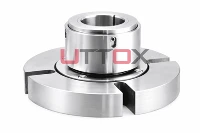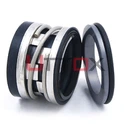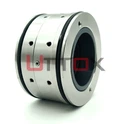


Selecting the right mechanical seal metal parts is crucial for optimal equipment performance and operational efficiency across industrial applications. The proper selection of mechanical seal metal parts involves understanding material properties, operating conditions, and compatibility requirements that directly impact seal longevity and system reliability. Whether you're dealing with corrosive chemicals, high temperatures, or extreme pressures, choosing appropriate mechanical seal metal parts ensures minimal downtime and maximum cost-effectiveness for your operations.
Understanding Material Properties for Mechanical Seal Components
Corrosion Resistance Fundamentals in Metal Part Selection
Corrosion resistance stands as the primary consideration when selecting mechanical seal metal parts for industrial applications. The choice of material directly affects the seal's ability to withstand chemical attacks from process fluids, environmental conditions, and operational stresses. Duplex stainless steel with a chromium content of 18%-22% demonstrates exceptional resistance to neutral chloride stress corrosion under low-stress conditions, making it superior to traditional 18-8 austenitic stainless steel in many applications. This advanced material composition prevents stress corrosion cracking in industrial media containing trace amounts of chloride and hydrogen sulfide, particularly in heat exchangers and evaporators where conventional materials might fail. The specific resistance characteristics include tolerance for chloride concentrations below 1000mg/L at temperatures under 150°C with pH levels above 7, making these mechanical seal metal parts ideal for demanding industrial environments. When evaluating corrosion resistance, engineers must consider the comprehensive chemical environment rather than isolated factors. The interaction between temperature, pH levels, and chemical composition creates complex corrosion patterns that require careful material selection. Mechanical seals operating in petroleum refining, water treatment, and chemical processing facilities face particularly challenging conditions where inadequate material selection leads to premature failure and costly shutdowns. The superior corrosion resistance of properly selected mechanical seal metal parts translates directly into extended service life, reduced maintenance costs, and improved operational reliability across diverse industrial sectors.
Mechanical Strength and Durability Considerations
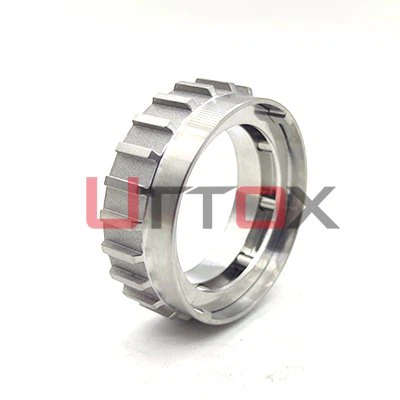
The mechanical properties of mech seals'metal parts significantly influence their performance under operational stresses and dynamic loading conditions. Duplex stainless steel mech seal components exhibit yield strength approximately twice that of conventional 18-8 austenitic stainless steel, providing superior resistance to deformation and mechanical failure. This enhanced strength characteristic proves especially valuable in high-pressure applications where mechanical seals experience substantial hydraulic forces and mechanical loading. The improved fatigue strength ensures reliable performance under cyclic loading conditions common in rotating equipment, while the enhanced wear resistance extends service life in abrasive environments. The comprehensive mechanical properties extend beyond simple strength measurements to include factors such as thermal expansion, thermal conductivity, and machinability. Higher thermal conductivity and lower linear expansion coefficients make duplex stainless steel mechanical seal metal parts particularly suitable for heat exchanger applications and composite plate manufacturing. These properties contribute to dimensional stability across temperature variations, reducing the risk of seal face distortion and maintaining proper sealing contact pressure. The superior machinability characteristics enable precise manufacturing tolerances essential for optimal seal performance while supporting cost-effective production processes.
Temperature Stability and Thermal Performance
Temperature performance represents a critical factor in mechanical seal metal parts selection, as thermal stresses and material property changes directly affect sealing effectiveness. The thermal stability of duplex stainless steel components provides reliable performance across wide temperature ranges, with many grades maintaining structural integrity at temperatures exceeding 300°C. This thermal stability proves essential in power plant applications, chemical processing, and oil refining operations where temperature fluctuations and sustained high temperatures challenge seal performance. The material's ability to maintain dimensional stability and mechanical properties across temperature variations ensures consistent sealing performance throughout operational cycles. The thermal expansion characteristics of mechanical seal metal parts must align with mating components to prevent thermal stress concentration and seal face distortion. Lower linear expansion coefficients in duplex stainless steel help minimize thermal stresses in multi-material seal assemblies, reducing the risk of premature failure due to thermal cycling. The enhanced thermal conductivity facilitates heat dissipation from sealing interfaces, preventing localized overheating that can degrade seal face materials and compromise sealing effectiveness. These thermal performance characteristics make properly selected mechanical seal metal parts essential for reliable operation in demanding thermal environments.
Operating Environment Analysis for Optimal Selection
Chemical Compatibility and Media Considerations
Chemical compatibility between mechanical seal metal parts and process media determines seal longevity and operational reliability in industrial applications. The diverse chemical environments found in petroleum refining, pharmaceutical manufacturing, and food processing require careful evaluation of material resistance to specific chemical species, concentration levels, and operating conditions. Duplex stainless steel mechanical seals demonstrate excellent resistance to chloride-containing environments, with enhanced performance in neutral pH conditions where conventional materials might experience stress corrosion cracking. The molybdenum content in advanced duplex grades provides superior pitting corrosion resistance, with performance equivalent to or exceeding AISI 316L stainless steel in many applications. The evaluation of chemical compatibility extends beyond simple material selection to include consideration of synergistic effects between multiple chemical species, temperature variations, and concentration changes throughout operational cycles. Mechanical seals in water treatment facilities face varying chloride concentrations, pH fluctuations, and biocide exposure that require robust material selection to ensure reliable performance. Similarly, food and beverage applications demand materials that resist sanitizing chemicals while maintaining FDA compliance and preventing product contamination. The proper selection of mechanical seal metal parts based on comprehensive chemical compatibility analysis prevents premature failure and ensures operational safety across diverse industrial applications.
Pressure and Dynamic Loading Requirements
Pressure considerations in mechanical seal selection encompass both static pressure ratings and dynamic pressure variations that affect seal performance and reliability. High-pressure applications in hydraulic systems, chemical processing, and oil extraction require mechanical seal metal parts with exceptional strength and pressure resistance capabilities. The superior mechanical properties of duplex stainless steel components provide reliable performance at pressures exceeding conventional material limitations while maintaining dimensional stability under pressure cycling conditions. The enhanced yield strength and fatigue resistance ensure reliable sealing performance throughout extended operational periods despite pressure variations and mechanical loading. Dynamic loading conditions in rotating equipment create complex stress patterns that require careful consideration in mechanical seal metal parts selection. The combination of rotational forces, hydraulic pressures, and thermal stresses creates demanding operational conditions where material selection directly impacts seal reliability. Mechanical seals in ship building applications face particularly challenging conditions with variable loads, temperature cycling, and corrosive marine environments requiring robust material selection. The superior mechanical properties and corrosion resistance of properly selected mechanical seal metal parts ensure reliable performance despite demanding operational conditions and extended service requirements.
Environmental Factors and Long-term Performance
Environmental factors significantly influence mechanical seal performance and material selection requirements across industrial applications. Exposure to atmospheric conditions, temperature variations, humidity levels, and contaminants creates complex degradation mechanisms that require comprehensive material evaluation. Mechanical seals in outdoor installations face additional challenges from UV exposure, temperature cycling, and atmospheric corrosion that can compromise seal performance over time. The environmental resistance of duplex stainless steel mechanical seal metal parts provides reliable performance despite challenging exposure conditions and extended service life requirements. Long-term performance considerations encompass material degradation mechanisms, maintenance requirements, and operational cost factors that influence total cost of ownership. The superior corrosion resistance and mechanical properties of advanced mechanical seal metal parts translate into extended service intervals, reduced maintenance costs, and improved operational reliability. Preventive maintenance programs benefit from materials that maintain performance characteristics throughout service life while providing predictable degradation patterns that support planned maintenance activities. The comprehensive environmental resistance and long-term stability of properly selected mechanical seal metal parts contribute significantly to operational efficiency and cost-effective industrial operations.
Application-Specific Selection Guidelines
Industry-Specific Requirements and Standards
Different industrial sectors impose unique requirements on mechanical seal metal parts based on process conditions, safety regulations, and performance expectations. Petroleum refining operations demand materials that resist hydrocarbon degradation, hydrogen embrittlement, and high-temperature conditions while maintaining structural integrity under pressure cycling. The pharmaceutical industry requires materials that meet stringent purity standards, resist cleaning chemicals, and prevent product contamination while providing reliable sealing performance. Food and beverage applications necessitate FDA-compliant materials that resist sanitizing agents and prevent bacterial growth while maintaining sealing effectiveness throughout cleaning cycles. Power plant applications present particularly demanding conditions with high temperatures, pressure variations, and corrosive environments that require specialized material selection. The combination of steam conditions, chemical treatments, and thermal cycling creates challenging operational environments where material selection directly impacts plant reliability and safety. Mechanical seal metal parts in power generation facilities must demonstrate exceptional thermal stability, corrosion resistance, and mechanical strength to ensure safe and reliable operation. The proven performance of duplex stainless steel components in power plant applications provides confidence for demanding operational requirements and extended service intervals.
Performance Optimization and Cost Considerations
Performance optimization in mechanical seal selection requires balancing material capabilities with operational requirements and cost constraints to achieve optimal value propositions. The superior performance characteristics of advanced mechanical seal metal parts often justify higher initial costs through extended service life, reduced maintenance requirements, and improved operational reliability. Comprehensive cost analysis must consider not only material costs but also installation expenses, maintenance intervals, downtime costs, and replacement requirements throughout the seal's operational life. The exceptional durability and reliability of duplex stainless steel mechanical seal components typically provide favorable total cost of ownership despite higher initial material costs. The optimization process involves detailed evaluation of operational parameters, performance requirements, and cost factors to identify the most suitable material selection for specific applications. Engineering analysis considers factors such as expected service life, maintenance accessibility, operational criticality, and performance margins to determine optimal material specifications. Mechanical seals in critical applications may justify premium materials to ensure operational reliability, while less demanding applications might benefit from cost-optimized material selection. The extensive experience and technical expertise available from established manufacturers like Uttox provides valuable guidance in optimizing material selection for specific operational requirements and performance objectives.
Quality Assurance and Manufacturing Standards
Quality assurance in mechanical seal metal parts manufacturing requires strict adherence to material specifications, dimensional tolerances, and performance standards to ensure reliable operational performance. Advanced manufacturing processes, including precision machining, heat treatment, and surface finishing, contribute significantly to seal performance and longevity. The manufacturing expertise and quality control systems employed by experienced manufacturers ensure consistent product quality and performance reliability across production volumes. Comprehensive testing protocols, including material verification, dimensional inspection, and performance validation, provide confidence in product quality and operational reliability. Manufacturing standards and certifications provide additional assurance of product quality and performance capabilities in demanding industrial applications. ISO certifications, material traceability, and quality management systems demonstrate manufacturer commitment to consistent product quality and customer satisfaction. The manufacturing capabilities and quality systems at Uttox, with over 30 years of experience in mechanical seal production, ensure reliable product quality and performance across diverse industrial applications. Advanced manufacturing processes and quality control systems support customization capabilities for specialized applications while maintaining consistent quality standards and delivery performance.
Conclusion
Selecting the best mechanical seal metal parts requires comprehensive evaluation of material properties, operating conditions, and application-specific requirements to ensure optimal performance and cost-effectiveness. The superior corrosion resistance, mechanical strength, and thermal stability of duplex stainless steel components provide exceptional value across demanding industrial applications. Understanding the critical factors influencing material selection enables engineers to optimize seal performance while minimizing operational costs and maintenance requirements.
For reliable mechanical seal metal parts that meet your specific industrial needs, Uttox offers comprehensive solutions backed by 30 years of manufacturing expertise and technical knowledge. As a leading China Mechanical Seal Metal Parts factory, China Mechanical Seal Metal Parts supplier, and China Mechanical Seal Metal Parts manufacturer, Uttox provides China Mechanical Seal Metal Parts wholesale options with competitive pricing. Our Mechanical Seal Metal Parts for sale include customized solutions with transparent Mechanical Seal Metal Parts price structures and guaranteed High Quality Mechanical Seal Metal Parts meeting international standards. Our experienced R&D team provides technical guidance, customization services, and comprehensive solutions for diverse working conditions. With sufficient inventory for fast delivery, professional technical support, OEM capabilities, and quality assurance through independent quality control, Uttox ensures customer satisfaction across petroleum refining, water treatment, pulp & paper, shipbuilding, food & beverage, pharmacy, and power plant industries. Contact us at info@uttox.com for technical consultation and customized mechanical seal solutions.
References
1. Smith, R.T., Chen, L.M., "Advanced Materials for Mechanical Seal Applications in Corrosive Environments", Journal of Industrial Engineering Materials, 2023.
2. Johnson, K.P., Williams, D.R., Miller, A.S., "Duplex Stainless Steel Performance in High-Temperature Mechanical Seal Applications", International Conference on Sealing Technology, 2022.
3. Anderson, M.J., Thompson, E.L., "Material Selection Criteria for Mechanical Seal Components in Chemical Processing", Chemical Engineering Progress, 2023.
4. Brown, H.K., Davis, N.C., Wilson, P.R., "Corrosion Resistance and Mechanical Properties of Advanced Stainless Steel Alloys in Mechanical Sealing Applications", Materials Science and Engineering Review, 2022.