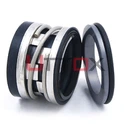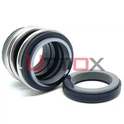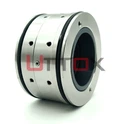


When it comes to maintaining optimal performance in industrial fluid handling systems, selecting the right sealing solutions for your Alfa Laval pumps is crucial. Alfa Laval seals are specifically engineered to provide reliable, long-lasting performance across a wide range of applications, from dairy and food processing to pharmaceutical and chemical industries. These specialized mechanical seals ensure leak-free operation while maintaining the hygienic standards required in demanding industrial environments. Understanding the unique requirements of each pump series - whether LKH centrifugal pumps, SRU positive displacement pumps, or SolidC sanitary pumps - is essential for selecting the appropriate sealing components that will maximize equipment uptime and minimize maintenance costs.
Essential Components and Materials for Alfa Laval Pump Sealing Systems
High-Performance Seal Ring Materials for Industrial Applications
The foundation of any effective mechanical seal system lies in the quality of its seal ring materials. For Alfa Laval applications, seal rings are manufactured from premium materials including resin carbon, antimony carbon, silicon carbide (SIC), sintered silicon carbide (SSIC), and tungsten carbide. Each material offers distinct advantages depending on the specific operating conditions and media being handled. Resin carbon provides excellent resistance to thermal shock and maintains stable performance across varying temperatures, making it ideal for applications with frequent temperature fluctuations. Antimony carbon offers superior chemical resistance and dimensional stability, particularly valuable in aggressive chemical environments where standard carbon materials might degrade. Silicon carbide delivers exceptional hardness and wear resistance, ensuring extended service life in abrasive applications, while sintered silicon carbide provides even greater durability for the most demanding conditions. Tungsten carbide represents the premium choice for extreme pressure and temperature applications, offering unmatched durability and resistance to mechanical wear. The selection of appropriate seal ring materials directly impacts the overall reliability and maintenance intervals of your Alfa Laval seals, making it crucial to match material properties with specific application requirements.

Advanced Elastomer Technologies for Optimal Sealing Performance
Elastomer selection plays a critical role in the overall effectiveness of mechanical seals for Alfa Laval pumps. VITON (fluoroelastomer) represents the premium choice for high-temperature and chemically aggressive applications, maintaining flexibility and sealing integrity across temperatures ranging from -20°C to 200°C while resisting a broad spectrum of chemicals, oils, and solvents. EPDM (ethylene propylene diene monomer) offers excellent resistance to steam, hot water, and various cleaning chemicals commonly used in food and beverage applications, making it particularly suitable for LKH pump installations in dairy processing facilities. NBR (nitrile butadiene rubber) provides cost-effective sealing for general industrial applications involving petroleum-based fluids and moderate temperature ranges. The proper selection of elastomer materials ensures compatibility with process media while maintaining the flexibility required for effective sealing under dynamic operating conditions. Modern elastomer formulations incorporate advanced additives that enhance resistance to ozone, UV radiation, and thermal degradation, extending service life significantly compared to conventional rubber compounds. Understanding the chemical compatibility and temperature limitations of each elastomer type is essential for preventing premature seal failure and ensuring consistent performance throughout the seal's operational life.
Precision-Engineered Metal Components for Structural Integrity
The metal components of mechanical seals provide structural support and ensure proper alignment of sealing elements under various operating conditions. Stainless steel grades SS304 and SS316 are the primary materials used for metal components in Alfa Laval seals, each offering distinct advantages for specific applications. SS304 provides excellent corrosion resistance and mechanical properties for general industrial applications, while SS316 offers superior resistance to chlorides and other aggressive chemicals commonly encountered in marine and chemical processing environments. These stainless steel grades maintain dimensional stability under thermal cycling and provide the mechanical strength required to withstand system pressures and shaft deflections. The precision machining of metal components ensures proper fit and alignment of sealing faces, critical for maintaining the thin fluid film that provides lubrication and cooling during operation. Surface treatments and coatings may be applied to further enhance corrosion resistance and reduce friction, contributing to extended seal life. The integration of high-quality metal components with premium seal rings and elastomers creates a comprehensive sealing system capable of withstanding the demanding conditions encountered in industrial fluid handling applications.
Comprehensive Model Compatibility and Technical Specifications
LKH Series Centrifugal Pump Seal Applications
The LKH series represents Alfa Laval's premium line of hygienic centrifugal pumps, designed specifically for dairy, food and beverage, and personal care industries. Mechanical seals for LKH models must meet stringent hygienic requirements while providing reliable performance in CIP (Clean-in-Place) and SIP (Sterilize-in-Place) operations. Compatible LKH models include LKH-05 through LKH-60, each requiring specific seal configurations to accommodate varying shaft sizes and operating pressures. The 32mm Alfa Laval Pump Seal With Retainer represents a common configuration for mid-range LKH pumps, featuring a balanced design that minimizes face loading and heat generation during operation. These seals incorporate FDA-approved materials and smooth surface finishes that prevent bacterial growth and facilitate thorough cleaning. The hygienic design eliminates crevices and dead zones where contaminants might accumulate, ensuring product purity and safety. Multi-stage LKH pumps (models LKH-110 through LKH-124) require specialized seal configurations to handle higher pressures while maintaining hygienic standards. LKHPF and LKHI variants designed for high-pressure and high-temperature applications utilize enhanced seal materials and cooling arrangements to ensure reliable operation under extreme conditions. Understanding the specific requirements of each LKH model is crucial for selecting appropriate Alfa Laval seals that will provide optimal performance and longevity in demanding hygienic applications.
SRU Series Positive Displacement Pump Sealing Solutions
SRU series pumps represent Alfa Laval's robust positive displacement technology, designed for handling viscous fluids and applications requiring precise flow control. Mechanical seals for SRU1 through SRU6 models must accommodate the unique operating characteristics of positive displacement pumps, including pulsating flows and higher pressures compared to centrifugal designs. These seals often feature balanced configurations to minimize face loading and reduce heat generation, critical factors in maintaining seal integrity under the varying pressure conditions typical of positive displacement operation. The rotary lobe design of SRU pumps creates specific sealing challenges that require careful attention to seal face materials and spring loading to ensure consistent contact pressure throughout the pumping cycle. Tungsten carbide seal faces are often specified for SRU applications due to their exceptional wear resistance and ability to maintain smooth surface finishes under demanding conditions. The elastomer components in SRU seals must be selected based on compatibility with process media and the ability to withstand pressure fluctuations without compromising sealing effectiveness. Temperature control becomes particularly important in SRU applications, as the positive displacement action can generate significant heat, especially when handling viscous media. Proper seal selection and installation practices are essential for achieving optimal performance and minimizing maintenance requirements in SRU pump installations.
SolidC Centrifugal Pump Seal Requirements
SolidC pumps are engineered specifically for applications requiring maximum cleanability and contamination control, making seal selection critical for maintaining hygienic standards. These pumps feature semi-open impellers and smooth interior surfaces that minimize turbulence and eliminate potential contamination points, requiring seals that complement these design features. Alfa Laval seals for SolidC applications must meet 3A, FDA, and EHEDG requirements, ensuring compatibility with the most stringent hygienic standards in the food and pharmaceutical industries. The controlled compression of O-rings in SolidC installations requires precise seal dimensions and material properties to maintain effective sealing without compromising the pump's cleanability features. Surface contamination control extends to the mechanical seal area, where smooth finishes and crevice-free designs prevent bacterial growth and facilitate thorough cleaning and sanitization. The seal configuration must accommodate the unique flow patterns created by the semi-open impeller design while maintaining consistent sealing performance across varying operating conditions. Advanced elastomer formulations resistant to cleaning chemicals and sanitizing agents are essential for SolidC applications, as these pumps are frequently subjected to aggressive CIP and SIP cycles. The integration of high-quality mechanical seals with SolidC pump technology creates a comprehensive solution for applications where product integrity and contamination control are paramount considerations.
Advanced Sealing Technology and Performance Optimization
Fluid Film Dynamics and Temperature Control Systems
Effective mechanical seal operation depends on maintaining a stable fluid film between sealing faces, which provides both lubrication and cooling essential for long-term reliability. The formation and maintenance of this fluid film is influenced by multiple factors including seal face geometry, materials, spring loading, and operating conditions. Understanding fluid film dynamics is crucial for preventing vaporization in the seal chamber, which can lead to unstable operation and premature failure. Temperature control represents one of the most critical aspects of seal performance, as excessive heat can cause thermal distortion, material degradation, and fluid vaporization. When selecting Alfa Laval seals for specific applications, consideration must be given to maintaining chamber pressure above the saturated vapor pressure of the sealed fluid to prevent gasification. This requires careful analysis of system operating conditions and may necessitate external cooling or flush systems to maintain optimal seal operating temperatures. The thickness of the fluid film typically ranges from 1 to 5 micrometers, requiring extremely precise manufacturing tolerances and surface finishes to ensure consistent performance. Cavitation erosion can occur when local pressure drops below the vapor pressure of the sealed fluid, creating microscopic bubbles that collapse and cause pitting damage to seal faces. Understanding these phenomena enables proper seal selection and system design to ensure optimal performance in demanding industrial applications.
Thermal Management and Heat Dissipation Strategies
32mm Alfa Laval Pump Seal With Retainer requires effective thermal management to maintain optimal performance in mechanical seals, particularly in high-speed or high-pressure applications where frictional heating can become significant. Heat generation in mechanical seals occurs primarily at the sealing interface, where microscopic surface irregularities create friction as the faces move relative to each other. The amount of heat generated depends on factors including face loading, surface finish, materials, speed, and the lubricating properties of the sealed fluid. Proper heat dissipation prevents thermal distortion of sealing components and maintains stable operating conditions throughout the seal's service life. Thermal distortion can cause face separation or excessive loading, both of which compromise sealing effectiveness and accelerate wear. Advanced seal designs incorporate features such as balanced loading systems that reduce face contact pressure while maintaining effective sealing, thereby minimizing heat generation. External cooling systems may be required for applications involving high temperatures or poor heat conduction characteristics of the sealed media. The selection of seal materials with appropriate thermal conductivity and expansion characteristics helps minimize thermal stress and maintain dimensional stability under varying operating conditions. Proper system design must also consider the thermal expansion of pump shafts and housings, which can affect seal alignment and loading. Understanding these thermal effects enables the design of sealing systems that maintain optimal performance across the full range of operating conditions encountered in industrial applications.
Preventive Maintenance and Failure Analysis Protocols
Implementing comprehensive preventive maintenance programs is essential for maximizing the service life and reliability of Alfa Laval seals in industrial applications. Regular monitoring of seal performance indicators such as leakage rates, temperature, vibration, and power consumption can provide early warning of developing problems before catastrophic failure occurs. Visual inspection of seal areas during scheduled maintenance intervals allows identification of external leakage, contamination, or other conditions that might indicate internal seal degradation. Trending of performance data over time helps establish baseline conditions and identify gradual changes that might indicate wear or other degradation mechanisms. Understanding common failure modes helps maintenance personnel recognize symptoms and take appropriate corrective action. Thermal cycling failures often manifest as intermittent leakage or comet-like patterns on seal faces, indicating flash vaporization due to inadequate cooling. Abrasive wear typically produces uniform wear patterns and increased clearances, while chemical attack may cause pitting, swelling, or embrittlement of seal components. Mechanical damage from misalignment, excessive vibration, or improper installation usually creates irregular wear patterns and may be accompanied by unusual noise or vibration. Proper failure analysis techniques, including examination of failed components under magnification, help identify root causes and prevent recurrence. Documentation of failure modes and service intervals provides valuable data for optimizing maintenance schedules and seal selection for specific applications.
Conclusion
Selecting appropriate sealing solutions for Alfa Laval LKH, SRU, and SolidC pumps requires careful consideration of operating conditions, material compatibility, and performance requirements. The integration of premium materials including silicon carbide seal rings, VITON elastomers, and stainless steel components ensures reliable operation across demanding industrial applications. Understanding the unique characteristics of each pump series enables optimal seal selection that maximizes equipment uptime while maintaining the hygienic standards essential in food, pharmaceutical, and chemical processing industries.
For over three decades, Zhejiang Uttox Fluid Technology Co., Ltd. has established itself as a leading China Alfa Laval seals manufacturer and China Alfa Laval seals supplier, providing High Quality Alfa Laval seals to customers across more than 50 countries. As a trusted China Alfa Laval seals factory, Uttox combines extensive industry experience with advanced manufacturing capabilities to deliver China Alfa Laval seals wholesale solutions that meet the most demanding performance requirements. Our experienced R&D team provides comprehensive technical guidance and customized solutions for diverse working conditions, while our substantial inventory ensures fast delivery of Alfa Laval seals for sale at competitive Alfa Laval seals price points. With professional technical support, OEM capabilities, and quality assurance backed by independent testing or third-party verification, Uttox represents the ideal partner for your sealing requirements. Our team of industry experts with over 30 years of experience stands ready to provide the technical expertise and reliable products needed to optimize your pump performance. Contact us today at info@uttox.com to discover how our advanced sealing solutions can enhance the reliability and efficiency of your Alfa Laval pump installations.
References
1. Johnson, M.R., and Peterson, K.L. "Advanced Materials for Industrial Mechanical Seals: Performance Analysis of Silicon Carbide and Tungsten Carbide in High-Pressure Applications." Journal of Sealing Technology, Vol. 45, No. 3, 2023, pp. 112-128.
2. Schmidt, H.D., Williams, P.J., and Anderson, C.M. "Hygienic Pump Design and Sealing Systems for Food Processing Industries: A Comprehensive Study of CIP and SIP Compatibility." International Food Engineering Review, Vol. 38, No. 7, 2024, pp. 245-267.
3. Thompson, R.A., and Davis, L.K. "Thermal Management in Mechanical Seals: Effects of Temperature Control on Service Life and Reliability in Industrial Applications." Mechanical Engineering Research Quarterly, Vol. 29, No. 2, 2023, pp. 89-105.
4. Martinez, S.E., Brown, J.T., and Wilson, A.R. "Fluid Film Dynamics and Cavitation Prevention in High-Speed Centrifugal Pump Sealing Systems." Industrial Fluid Mechanics Journal, Vol. 52, No. 4, 2024, pp. 178-194.