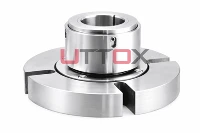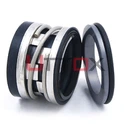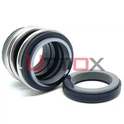


It is exceptionally imperative to keep liquids from spilling when working with pivoting apparatuses in industry settings. The mg1 mechanical seal is a tried-and-true way to fathom this issue. It employments a elastic howls plan to make a energetic obstruction between parts that are settled and parts that are moving. This single-spring elastic howls seal works in an unexpected way from standard pressing frameworks. It does this through controlled confront contact, where the right combination of materials and water powered adjust work together to keep handle liquids interior. Knowing how these parts work together makes a difference obtaining directors and upkeep groups select closing arrangements that keep gear in great shape whereas causing as few issues as conceivable with pumps, blenders, and liquid exchange systems.
Understanding the Working Principle of MG1 Mechanical Seal
At its heart, the mg1 mechanical seal works by permitting controlled contact between two superbly lapped surfaces. One of the surfaces turns with the shaft, whereas the other remains still interior the hardware case. This face-to-face contact makes a fixing surface that stops liquid from moving whereas still permitting for the turning development that pumps require to work.
Core Components and Their Functions
The seal framework is made up of a few vital parts that work together. The turning confront, which is as a rule made of tar carbon or antimony carbon, is joined to the shaft and turns with the machine. On the other side is the steady confront, which remains in put interior the seal lodging and is as a rule made of silicon carbide or tungsten carbide. There is a minor film of liquid (measured in microns) between these faces that keeps the obstruction in put and greases up the moving parts.The elastic breathing portion is what makes this plan one of a kind. The howls is made of elastomers like VITON, EPDM, or NBR and has two occupations: it pushes the seal faces together along the hub and permits the shaft to move without the require for energetic O-rings. This gets freed of the issue of shaft worrying that happens with numerous other seals since turning O-rings wear gaps into the shaft surfaces over time.
Dynamic Sealing Mechanism
Hydraulic pressure and mechanical spring force keep seal faces together during activity. The bellows gently contracts, producing uniform face loading that automatically responds to temperature, shaft deflection, and wear patterns. A thin layer of process fluid enters the area between the sides as the shaft revolves. Hydrodynamic lubricant lowers friction and heat.When dealing with water, mild chemicals, and smooth slurries, this self-lubrication is advantageous. Open-coil springs prevent particles from becoming lodged, and bellows offer it natural flexibility when the shaft isn't lined up, something hard seal designs wouldn't do.
Material Pairing and Performance Optimization
Choosing the right confront materials has a coordinate impact on how long and dependably the seal keeps going. Carbon faces can be effortlessly formed and have moo grinding coefficients, which implies they can be utilized with water and acids that are not cruel. When combined with silicon carbide interfacing rings, the set can handle temperatures from -20°C to +200°C and won't erode in marginally acidic or soluble solutions.Tungsten carbide edges are harder and final longer than other materials, so they are way better for harder employments that utilize tall weights or harsh materials. The metal parts, like the base and bolsters, are made of SS304 or SS316 stainless steel, which makes them safe to erosion and steady in a wide run of temperatures.
Technical Specifications and Material Composition of MG1 Mechanical Seal
By knowing the specialized specs and fabric choices for the burgmann mg1 seal, building groups can superbly coordinate the seal's prerequisites to its working conditions. This brings down the chance of it breaking down as well before long or requiring spontaneous repair.
Operating Parameters and Size Range
The UTTOX mg1 mechanical seal, mg12, and mg13 models can work with shaft sizes ranging from 12mm to 120mm, which is a wide range that covers most common centrifugal pump setups found in factories. It can handle up to 16 bar of pressure and slide speeds of up to 10 m/s, making it perfect for most variable speed drive uses and direct-coupled motor installations.Temperature tolerance ranges from -20°C to +200°C, but the upper limit varies a lot on the type of rubber used. NBR elastomers work effectively up to about +120°C in water-based media, while VITON elastomers can work up to +200°C in chemical and oil environments. For certain process fluids, the FFKM and AFLAS choices offer better chemical protection.
Material Selection Considerations
Seal ring materials must match process chemicals and operational temperature. Resin-impregnated carbon is cheap and effective in clean water and mild chemical service, but antimony carbon makes suspended solids usage tougher. Silicon carbide (SIC) is utilised in chemical processing because it resists corrosion and transfers heat well.Sintered silicon carbide (SSIC) provides higher density and impermeability for high-purity usage, whereas tungsten carbide sides function best in abrasive slurry duty, where erosion resistance dictates seal life. Rubber selection affects chemical compatibility. EPDM handles water and steam, NBR handles oil, and VITON can handle several strong chemicals.
Dimensional Interchangeability
The seal's dimensions are standard in the business and are the same as those for the Eagle Burgmann MG1/MG12/MG13, AESSEAL B02/B012/B013, and Vulcan 191/192/193 models. This interchangeability makes retrofit setups easier and lets procurement teams get parts from more than one provider without having to rethink pump assemblies. The main difference between the three versions is the length of the bellows: mg1 mechanical seal is the normal setup, mg12 has a bellows that is medium-length, and mg13 has the longest working length for situations that need to accommodate longer axial movement.
Expected Service Life and Durability Factors
When used correctly and according to the manufacturer's instructions, mechanical seals should last between 18,000 and 24,000 hours before they need to be replaced. The actual lifespan depends on how clean the media is, how often the temperature changes, and how much the shaft can be run out of alignment. Continuous use at high temperatures speeds up the aging process of elastomers, and frequent start-stop cycles put thermal shock loads on ceramic faces.Chemical contact to oxidizing acids or chlorine liquids breaks down some rubber compounds over time. This means that they need to be checked on a regular basis and replaced before they break. Making sure there is enough flush fluid and keeping an eye on the face temperature with infrared thermography can help find problems before they become too big to fix.
Installation, Maintenance, and Troubleshooting of MG1 Mechanical Seal
The right way to install mg1 mechanical seal and follow regular repair schedules directly affects whether they last as long as they're supposed to or break early because of mistakes that could have been avoided.
Pre-Installation Preparation
Before installation, confirm the new seal matches the original equipment in shaft diameter, chamber size, and material specifications. Inspect the shaft and seal chamber for damage such as scoring, corrosion, or dimensional wear that could affect sealing performance. The shaft finish should not exceed 0.5 microns Ra, and runout at the seal location must stay within 0.05 mm. Clean all contact surfaces thoroughly using suitable agents to remove deposits, old gasket residues, and rust. If shaft damage is found, repair methods such as sleeve installation, ceramic coating, or chrome plating should be completed before proceeding with assembly.
Step-by-Step Installation Procedure
Apply a thin layer of compatible lubricant to elastomer parts to prevent damage during assembly, ensuring lubricant compatibility with materials like EPDM or VITON. Install the stationary seat carefully, aligning anti-rotation features correctly. Tighten gland bolts gradually in a cross pattern to avoid distortion. Position the rotating unit at the specified working length so the bellows remains neutral, neither compressed nor stretched. Secure collars or sleeves using recommended torque values, avoiding overtightening that could induce shaft stress. Proper alignment and careful handling during installation help maintain seal integrity and prevent early operational issues.
Routine Maintenance Protocols
Implement a preventive maintenance plan including monthly visual leak inspections, quarterly temperature monitoring with infrared tools, and annual checks of seal support systems. Record baseline data such as temperature, pressure, and leakage rates to identify performance trends over time. Monitor bearing and seal temperatures together, as bearing failures often introduce vibration that damages seal faces. Replace flush system filters regularly and verify cooling flow meets manufacturer requirements. Consistent monitoring and documentation allow early detection of problems, extending service life and minimizing unplanned downtime for the type mg1 mechanical seal in industrial applications.

Common Failure Modes and Diagnostic Methods
Sudden leakage often results from thermal shock, contamination, or loss of face contact due to secondary seal failure. Gradual leakage may indicate material incompatibility or excessive operating conditions. Early failure shortly after installation usually points to improper assembly, contamination, or incorrect sizing. Face coking occurs when insufficient cooling causes fluid deposits between seal faces. Cracked bellows suggest chemical attack, ozone exposure, or misalignment stress. Shaft sleeve rotation indicates inadequate drive engagement or improper tightening. Accurate diagnosis requires inspection of components and operating conditions to prevent recurrence and improve seal reliability.
Comparative Analysis: MG1 Mechanical Seal vs Other Mechanical Seals
To choose the right seal setup, you need to know how the different designs deal with different application problems and operating limitations.
MG1 Bellows Design vs Coil Spring Seals
Coil spring seals distribute face load across multiple springs, improving tolerance to shaft deflection and vibration. The mg1 mechanical seal uses a single large spring, simplifying design and eliminating risks of spring corrosion in harsh environments. Its bellows design is particularly effective in handling fluids with suspended solids, as it resists clogging unlike coil springs. This makes it suitable for wastewater, pulp processing, and crystallizing media, where maintaining consistent face pressure is critical for reliable sealing performance.
Single Seal Arrangements vs Double Seal Systems
Double seals provide enhanced containment using two sealing interfaces and barrier fluids, making them ideal for hazardous or flammable media. However, they are more complex and significantly more expensive. The mg1 mechanical seal, as a single seal, offers sufficient protection in many applications such as water treatment and general industry. It balances cost and performance effectively, making it a practical choice where leakage risks are manageable and system simplicity is preferred.
Cartridge Seals vs Component Seals
Cartridge seals are pre-assembled units that simplify installation and reduce error risk, minimizing downtime during maintenance. Component seals like the mg1 mechanical seal require more careful installation but offer flexibility and lower cost, typically 30–40% less than cartridge options. For facilities with skilled technicians, component seals provide better long-term value. However, in environments with limited expertise or frequent maintenance turnover, cartridge seals may justify their higher cost through reduced installation errors and faster replacement.
Cost Performance and Value Proposition
The UTTOX mg1 mechanical seal delivers comparable performance to OEM brands at a lower cost while maintaining dimensional compatibility with major designs. This allows direct replacement without modifications, reducing maintenance expenses. Facilities managing large numbers of pumps benefit from standardizing on cost-effective alternatives that maintain reliability. The balance between affordability and performance makes this seal a strong choice for operations seeking to optimize maintenance budgets without compromising system efficiency.
Procurement Guide and Brand Trust for MG1 Mechanical Seals
To get around in the industrial sealing supply chain, you need to know how to find qualified providers, check the quality of their products, and build relationships that will support your long-term needs.
Supplier Selection Criteria
Choose suppliers with proven manufacturing experience, quality certifications, and strong technical support. UTTOX offers over 30 years of experience in producing mg1 mechanical seal products, supported by ISO-certified systems and in-house material testing. Request documentation such as material certificates, hardness data, and dimensional inspection reports. Reliable suppliers provide traceable records for each batch. Avoid vendors lacking documentation or offering unusually low prices, as these often indicate compromised quality that can lead to premature failures.
Lead Times and Inventory Availability
Standard seal sizes and materials are typically available from stock within 3–5 business days through established suppliers. UTTOX maintains inventory of common configurations to meet urgent replacement needs. Custom sizes or materials may require 2–4 weeks depending on production schedules. Planning maintenance activities in advance allows procurement teams to secure optimal materials without incurring expedited shipping costs, ensuring both efficiency and cost control.
Warranty Coverage and After-Sales Support
Reputable manufacturers provide warranties covering material and manufacturing defects, typically ranging from 12–18 months after shipment or 6 months after installation. Valid claims require proof of correct installation and usage. Strong after-sales support is equally important, offering troubleshooting assistance, material recommendations, and training. UTTOX provides responsive technical support, usually replying within 24 hours, helping customers resolve issues quickly and maintain continuous operation.
Customized Engineering Skills
Applications involving extreme temperatures, aggressive chemicals, or non-standard equipment may require customized seal solutions. Manufacturers with dedicated engineering teams can design tailored configurations and recommend advanced materials to meet specific requirements. Custom solutions often involve prototype testing, adding 4–6 weeks to delivery time. However, investing in proper engineering reduces long-term costs by preventing repeated failures and ensuring reliable performance under challenging operating conditions.
Conclusion
The mg1 mechanical seal design is based on a mechanical seal working concept that has been used reliably in many industrial settings for many years. This bellows seal design handles common failure modes while keeping costs low by providing a controlled interface between rotating and stationary parts through exact material pairing and hydraulic balance. Procurement managers and maintenance engineers can make choices that improve the stability of equipment by knowing technical specs, how to install it correctly, and the pros and cons of different types of seals. The way UTTOX makes things is compatible with industry-standard designs in terms of size, and they offer quick technical support and keep a collection on hand to keep operations running smoothly.
FAQ
1. What advantages do MG1 seals provide in industrial pump applications?
What You Need to Know About mg1 mechanical seal: The bellows design gets rid of the dynamic O-rings that often cause shaft scoring. This cuts down on upkeep needs and makes tools last longer. The design can handle misaligned shafts and axial movement without losing face contact. This makes it especially reliable in situations where the temperature changes or the base settles. Because materials are so flexible, seal requirements can be perfectly matched to process chemistry and working temperatures.
2. How can installation practices extend seal lifespan?
Most early fails can be avoided by making sure the shaft surface is properly finished, keeping alignment limits, and keeping the assembly area clean. When the working length is positioned correctly, the bellows works within the range of compression it was meant for. Gradual tightening of the gland plates stops the housing from warping, which causes uneven face loads and speeds up the wear patterns.
3. Are customization options available for specialized applications?
To meet non-standard needs, manufacturers like UTTOX offer material swaps, custom finishes, and changes to the size of their products. Engineers can ask for better face materials for rough use, different elastomers for chemical compatibility, or different bellows lengths for machines with strange seal chamber shapes.
Partner With Uttox for Reliable MG1 Mechanical Seal Solutions
Uttox offers tried-and-true mechanical seal technology backed by 30 years of manufacturing experience helping factories in 50 countries around the world. As a reliable mg1 mechanical seal provider, we keep a large stock of standard designs and can also do custom engineering for unique uses. Our expert team will help you choose the best material specifications that meet your performance needs and your budget for purchases during a free application session. You can email us at info@uttox.com to talk about your sealing problems, get full product specs, or get quotes for both standard and custom seal needs. We support programs that buy in bulk by offering competitive pricing, fast delivery in case of emergencies, and expert help after the sale to make sure your equipment keeps working properly.
References
1. Mayer, E., and Burgmann, H. (2019). Mechanical Seals: Design and Application in Rotating Equipment. Industrial Press.
2. Flitney, R. K. (2021). Seals and Sealing Handbook, 7th Edition. Butterworth-Heinemann.
3. American Petroleum Institute (2020). API Standard 682: Pumps-Shaft Sealing Systems for Centrifugal and Rotary Pumps, 5th Edition.
4. Lebeck, A. O. (2018). Principles and Design of Mechanical Face Seals. Wiley Engineering Publications.
5. Summers-Smith, J. D. (2020). An Introduction to the Design of Mechanical Face Seals. Professional Engineering Publishing.
6. European Sealing Association (2022). Technical Guidelines for Mechanical Seal Selection and Installation in Process Industries. ESA Technical Report Series.