

Picture this: You're walking through your facility when you notice puddles forming around your critical pumps. The constant dripping not only wastes valuable fluid but also poses safety risks and leads to costly downtime. This scenario highlights why understanding mechanical seals for pumps is crucial for any industrial operation. Mechanical seals are precision-engineered components that prevent fluid leakage between rotating shafts and stationary housings in pump systems. These sophisticated devices utilize two extremely flat surfaces that create a barrier against fluid escape, making water pump seals essential for maintaining operational efficiency, environmental compliance, and equipment longevity across industries from petrochemical processing to water treatment facilities.

Understanding the Fundamentals of Water Pump Seals
Basic Components and Construction
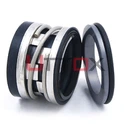
Mechanical seals represent a sophisticated engineering solution that has revolutionized pump technology over the past century. These precision devices consist of four fundamental components working in harmony: the primary seal ring, mating ring, secondary sealing elements, and hardware components. The primary seal ring, typically made of carbon or ceramic materials, rotates with the pump shaft and maintains contact with the stationary mating ring, which is usually constructed from harder materials like silicon carbide or tungsten carbide. This contact creates the primary sealing interface that prevents fluid leakage. Water pump seals rely on this precise interaction between components to maintain their sealing effectiveness throughout their operational life. The secondary sealing elements, including O-rings, gaskets, and bellows, provide static sealing between the mechanical seal components and the pump housing. These elastomeric components must withstand the chemical compatibility requirements of the pumped fluid while maintaining their sealing properties across temperature variations. The hardware components, including springs, clips, and drive mechanisms, ensure proper seal face loading and accommodate thermal expansion and shaft movement during operation.
Operating Principles and Mechanisms
The fundamental operating principle of water pump seals involves creating and maintaining a thin fluid film between two highly polished, flat surfaces. This film, typically measuring only a few micrometers in thickness, serves as both a lubricant and a barrier. The seal faces are held together by a combination of spring force and hydraulic pressure from the sealed fluid, creating what engineers term "balanced" or "unbalanced" seal designs depending on the pressure distribution across the sealing faces. During operation, the rotating seal face generates a hydrodynamic lifting force that slightly separates the seal faces, allowing a controlled amount of fluid to lubricate the interface. This controlled leakage, often imperceptible to operators, is essential for preventing dry running conditions that would cause rapid seal failure. The delicate balance between sealing effectiveness and face lubrication represents the core engineering challenge in water pump seals design and selection.
Types and Classifications of Water Pump Seals
Single Mechanical Seals
Single mechanical seals represent the most common configuration found in industrial pump applications. These seals feature one set of primary sealing faces and are designed for general-purpose applications where the pumped fluid is compatible with the seal materials and environmental discharge requirements permit minimal leakage. Single water pump seals excel in applications with clean, non-hazardous fluids and moderate operating conditions. The simplicity of single mechanical seals makes them cost-effective and relatively easy to maintain. However, their application is limited by the nature of the pumped fluid and environmental regulations. In applications handling toxic, hazardous, or expensive fluids, single seals may not provide adequate containment, necessitating more sophisticated sealing solutions.
Double and Tandem Seal Systems
Double mechanical seals provide enhanced containment by incorporating two sets of sealing faces with a barrier fluid system between them. This configuration ensures that even if the primary seal fails, the secondary seal prevents process fluid from reaching the atmosphere. The barrier fluid, typically a clean, compatible liquid, lubricates and cools the seal faces while providing an additional safety barrier. Water pump seals in double configurations are essential for handling hazardous, toxic, or expensive fluids where zero emissions are required. Tandem seal arrangements feature two seals in series, with the space between them typically connected to a low-pressure drain or buffer system. This configuration provides redundancy and improved reliability, particularly in critical applications where seal failure could result in significant economic or environmental consequences. The choice between double and tandem configurations depends on the specific application requirements, fluid properties, and safety considerations.
Cartridge Seals and Specialized Designs
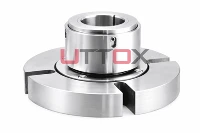
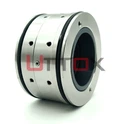
Cartridge mechanical seals represent a significant advancement in seal technology, providing pre-assembled, pre-adjusted sealing solutions that simplify installation and reduce the potential for installation errors. These self-contained units incorporate all seal components in a single assembly, complete with proper seal face loading and alignment. Water pump seals in cartridge configurations are particularly beneficial in applications with limited maintenance expertise or where installation time must be minimized. Specialized seal designs include component seals for specific applications, such as slurry seals for abrasive services, high-temperature seals for thermal applications, and API-compliant seals for petrochemical services. These designs incorporate advanced materials, specialized face geometries, and enhanced cooling systems to address specific operating challenges that standard water pump seals cannot accommodate.
Material Selection for Water Pump Seals
Seal Face Materials and Properties
The selection of appropriate seal face materials represents a critical decision in water pump seals specification. Carbon-graphite materials dominate primary ring applications due to their excellent self-lubricating properties, chemical compatibility, and ability to conform to minor surface irregularities. These materials can be impregnated with resins or metals to enhance specific properties such as strength, thermal conductivity, or chemical resistance. Mating ring materials typically feature superior hardness and wear resistance, with silicon carbide, tungsten carbide, and ceramic materials being common choices. Silicon carbide offers excellent chemical resistance and thermal conductivity, making it suitable for high-temperature applications and chemically aggressive environments. Tungsten carbide provides superior wear resistance in abrasive applications, while ceramic materials offer excellent corrosion resistance in highly acidic or basic environments.
Secondary Seal Materials
Secondary sealing elements in water pump seals must provide reliable static sealing while maintaining compatibility with the pumped fluid and operating temperatures. Nitrile rubber (NBR) serves as the standard choice for petroleum-based fluids and moderate temperature applications, while fluoroelastomers (FKM/Viton) provide superior chemical resistance and high-temperature performance for aggressive chemical services. Ethylene propylene (EPDM) materials excel in water-based applications and offer excellent ozone and weathering resistance. For extreme temperature applications, perfluoroelastomers (FFKM) provide unmatched chemical compatibility and temperature resistance, though at significantly higher cost. The proper selection of secondary seal materials ensures long-term reliability and prevents premature failure due to chemical attack or thermal degradation.
Installation and Maintenance Best Practices
Proper Installation Procedures
Successful water pump seals performance begins with proper installation procedures that ensure correct alignment, loading, and protection during startup. The seal chamber must be clean and free from burrs, scratches, or other imperfections that could damage seal components or create leakage paths. Shaft runout, end play, and surface finish must meet manufacturer specifications to prevent premature seal failure. During installation, seal faces must be protected from damage, and proper lubrication must be applied to dynamic sealing elements. The seal must be installed to the correct dimensions, with proper compression of secondary seals and appropriate clearances for thermal expansion. Flushing systems, if required, must be connected and verified operational before startup to ensure adequate cooling and lubrication of the seal faces.
Preventive Maintenance Strategies
Effective preventive maintenance programs for water pump seals focus on monitoring seal performance, maintaining proper operating conditions, and replacing seals before catastrophic failure occurs. Regular inspection of seal leakage rates, bearing temperatures, and vibration levels provides early warning of potential seal problems. Maintaining proper suction conditions, avoiding cavitation, and ensuring adequate net positive suction head (NPSH) are critical for seal longevity. Flush systems require regular maintenance to ensure proper flow rates, pressure levels, and fluid cleanliness. Heat exchangers in flush circuits must be cleaned periodically to maintain thermal management effectiveness. Documentation of seal performance trends enables predictive maintenance strategies that minimize unplanned downtime while optimizing seal life and reliability.
Troubleshooting Common Water Pump Seals Issues
Leakage Problems and Solutions
Excessive leakage represents the most common water pump seals problem and can result from various causes including improper installation, inadequate lubrication, cavitation damage, or normal wear progression. Visual inspection of seal faces often reveals the root cause, with heat checking indicating inadequate cooling, while scoring suggests contamination or improper installation. Face distortion can occur due to excessive pressure, thermal cycling, or improper seal selection for the application. Casing and shaft modifications may be necessary to address chronic leakage problems, particularly in applications with marginal design margins or extreme operating conditions. Upgrading to more robust seal designs or implementing enhanced flush systems often provides long-term solutions to persistent leakage issues.
Performance Optimization Techniques
Optimizing water pump seals performance requires a systematic approach that considers the entire pumping system, not just the seal itself. Proper piping design that minimizes cavitation, adequate NPSH margins, and stable operating conditions contribute significantly to seal reliability. Temperature management through proper flush system design and heat exchanger sizing prevents thermal damage and extends seal life. Contamination control measures, including filtration systems and proper storage procedures, prevent abrasive particles from damaging seal faces. Regular analysis of seal chamber environment, including pressure, temperature, and fluid composition monitoring, enables proactive adjustments to maintain optimal sealing conditions throughout the equipment lifecycle.
Conclusion
Mechanical seals represent critical components in modern pump systems, requiring proper selection, installation, and maintenance for optimal performance. Understanding water pump seals fundamentals enables informed decisions that enhance reliability, reduce operating costs, and ensure environmental compliance across diverse industrial applications.
Cooperate with Zhejiang Uttox Fluid Technology Co.,Ltd.
As a leading China water pump seals manufacturer with over 30 years of industry experience, Zhejiang Uttox Fluid Technology Co.,Ltd. offers comprehensive sealing solutions for industrial applications. Our technical expertise spans petroleum refining, water treatment, pulp & paper, shipbuilding, food & beverage, pharmacy, and power plant industries. We provide customized solutions, extensive product variety, and fast delivery with quality assurance. Our experienced R&D team delivers China water pump seals factory direct pricing with OEM support. Contact our China water pump seals supplier at info@uttox.com for High Quality water pump seals and competitive water pump seals price quotations. Save this guide for future reference when selecting water pump seals for sale.
FAQ
Q: What is the typical lifespan of water pump seals in industrial applications?
A: Water pump seals typically last 12-24 months in standard applications, though this varies significantly based on operating conditions, fluid properties, and maintenance practices.
Q: How do I know when my mechanical seal needs replacement?
A: Key indicators include increased leakage rates, unusual noise or vibration, elevated bearing temperatures, and visible wear or damage to seal components during inspection.
Q: Can mechanical seals be repaired or must they be completely replaced?
A: Most mechanical seals require complete replacement when they fail, though some cartridge seals and specialty designs allow for component replacement and refurbishment.
Q: What factors should I consider when selecting water pump seals for my application?
A: Critical factors include fluid properties, operating pressure and temperature, shaft speed, environmental regulations, and maintenance capabilities of your facility.
References
1. "Mechanical Seals: Principles, Applications and Troubleshooting" by Robert K. Flitney, Professional Engineering Publishing
2. "Centrifugal Pumps: Design and Application" by Val S. Lobanoff and Robert R. Ross, Gulf Professional Publishing
3. "Pump Handbook" by Igor J. Karassik, Joseph P. Messina, Paul Cooper, and Charles C. Heald, McGraw-Hill Professional
4. "Sealing Technology: A Practical Manual for Engineers and Technicians" by Heinz K. Müller and Bernard S. Nau, Marcel Dekker Inc